Introduction
Understanding the Carnivore Diet and Sustained Energy
What is a Zero-Carb, Animal-Based Diet?
The Carnivore diet is an animal-based diet that focuses exclusively on consuming animal products. It’s a zero-carb approach, meaning it contains negligible carbohydrates. The core principle is simple: if it comes from an animal, it’s on the menu. If it doesn’t, it’s not.
Acceptable foods include:
- Meat (beef, lamb, pork, poultry, game)
- Fish (salmon, tuna, mackerel, sardines, etc.)
- Eggs
- Certain Dairy (full-fat hard cheeses, heavy cream – if tolerated)
Foods to avoid are all plant-based, including:
- Fruits
- Vegetables
- Grains
- Legumes
- Nuts
- Seeds
How the Carnivore Diet Fuels Sustained Energy
The Carnivore diet relies heavily on ketosis, a metabolic state where your body, deprived of carbohydrates, begins to burn fat for fuel. Instead of glucose from carbs, your body produces ketones from fat, providing a steady and efficient energy source.
This is where the concept of Carnivore energy comes in. By eliminating carbohydrates, you eliminate the blood sugar spikes and crashes often associated with carb-heavy diets. This leads to stable blood sugar levels and a consistent energy supply throughout the day, reducing or eliminating those afternoon slumps.
A common misconception is that you need carbohydrates for energy. However, your body is perfectly capable of producing energy from fat, and many people on the Carnivore diet report experiencing increased and more sustained energy levels.
Crucially, adequate fat intake is essential for sustained energy on a carnivore diet. Fat is your primary fuel source, so choosing fatty cuts of meat and incorporating animal fats like tallow or butter is vital.
Electrolyte Balance and Hydration on Carnivore
Electrolytes are minerals that carry an electric charge and are essential for various bodily functions, including nerve and muscle function. They are particularly crucial on a Carnivore diet because the elimination of carbohydrates can lead to increased electrolyte excretion, potentially causing imbalances.
Reduced carbohydrate intake leads to lower insulin levels, which in turn signals the kidneys to excrete more sodium and water. Along with sodium, other electrolytes like potassium and magnesium can also be affected.
Here’s how to maintain electrolyte balance:
- Salt Intake: Don’t be afraid to salt your food liberally. Sodium is crucial for maintaining fluid balance.
- Bone Broth: Homemade bone broth is a fantastic source of electrolytes and other nutrients.
- Supplements: In some cases, electrolyte supplements may be necessary, especially during the initial adaptation phase. Consult with a healthcare professional if you have concerns.
Staying properly hydrated is equally important. Drink plenty of water throughout the day, even if you don’t feel particularly thirsty. Dehydration can exacerbate electrolyte imbalances and negatively impact energy levels.
Crafting Your Carnivore Meal Plan for Optimal Energy
Principles of Carnivore Meal Planning
Effective Carnivore meal planning revolves around a few key principles:
- Nutrient Density: Focus on selecting nutrient-rich cuts of meat. Consider incorporating organ meats (like liver) for a boost of vitamins and minerals.
- Eating to Satiety: Listen to your body’s hunger cues. Eat until you are comfortably full, but don’t overeat. The Carnivore diet is naturally satiating due to its high protein and fat content.
- Meal Frequency: There’s no one-size-fits-all approach to meal frequency. Some people thrive on two meals a day (2MAD), others prefer three, and some even practice One Meal a Day (OMAD). Experiment to find what works best for your body and energy levels.
- Prioritizing Fat Intake: Choose fatty cuts of meat like ribeye, chuck roast, and salmon. Don’t be afraid to add rendered animal fats like tallow, lard, or butter to your meals.
Sample 7-Day Carnivore Meal Plan
This is a sample meal plan to provide a starting point. Remember to adjust portion sizes based on your individual needs and hunger levels. Eat to satiety!
- Day 1:
- Breakfast: Ribeye Steak
- Lunch: Ground beef with tallow
- Dinner: Salmon with butter
- Day 2:
- Breakfast: Eggs and bacon
- Lunch: Lamb chops
- Dinner: Chicken thighs with skin
- Day 3:
- Breakfast: Ground beef and egg scramble
- Lunch: Pork belly
- Dinner: Sardines (in water or olive oil – drain oil)
- Day 4:
- Breakfast: Leftover Chicken thighs
- Lunch: Burger patties (no bun)
- Dinner: Ribeye Steak
- Day 5:
- Breakfast: Eggs cooked in butter
- Lunch: Ground Lamb
- Dinner: Salmon
- Day 6:
- Breakfast: Bacon and a small amount of hard cheese (if tolerated)
- Lunch: Leftover Salmon
- Dinner: Pork Chops
- Day 7:
- Breakfast: Steak and Eggs
- Lunch: Ground beef with bone broth
- Dinner: Chicken wings (baked or fried in tallow)
Adapting the Meal Plan to Your Needs
- Dairy Tolerance: Some individuals tolerate dairy well, while others experience digestive issues or find that it stalls weight loss. If you choose to include dairy, opt for full-fat, low-carb options like hard cheeses and heavy cream, and monitor your body’s response.
- Activity Level: If you’re highly active, you may need to increase your overall food intake, particularly fat, to meet your energy demands.
- Budget: The carnivore diet can be adapted to different budgets. Less expensive cuts of meat, like ground beef and chicken thighs, can be just as nutritious as pricier options.
Delicious Zero-Carb Recipes for Carnivore Success
Simple & Satisfying Meat Recipes
Ground Beef Dishes:
- Carnivore Meatloaf: Combine ground beef, eggs, and salt/spices (like salt, pepper, garlic powder – omit onion powder). Bake until cooked through.
- Simple Ground Beef Scramble: Brown ground beef in a pan. Add eggs and cook until scrambled. Add tallow or butter for extra fat.
- Burger Patties: Form ground beef into patties. Season with salt and pepper. Cook in a pan or on a grill. Experiment with adding different spices (garlic powder, etc.) and fats (tallow, butter).
Steak Recipes:
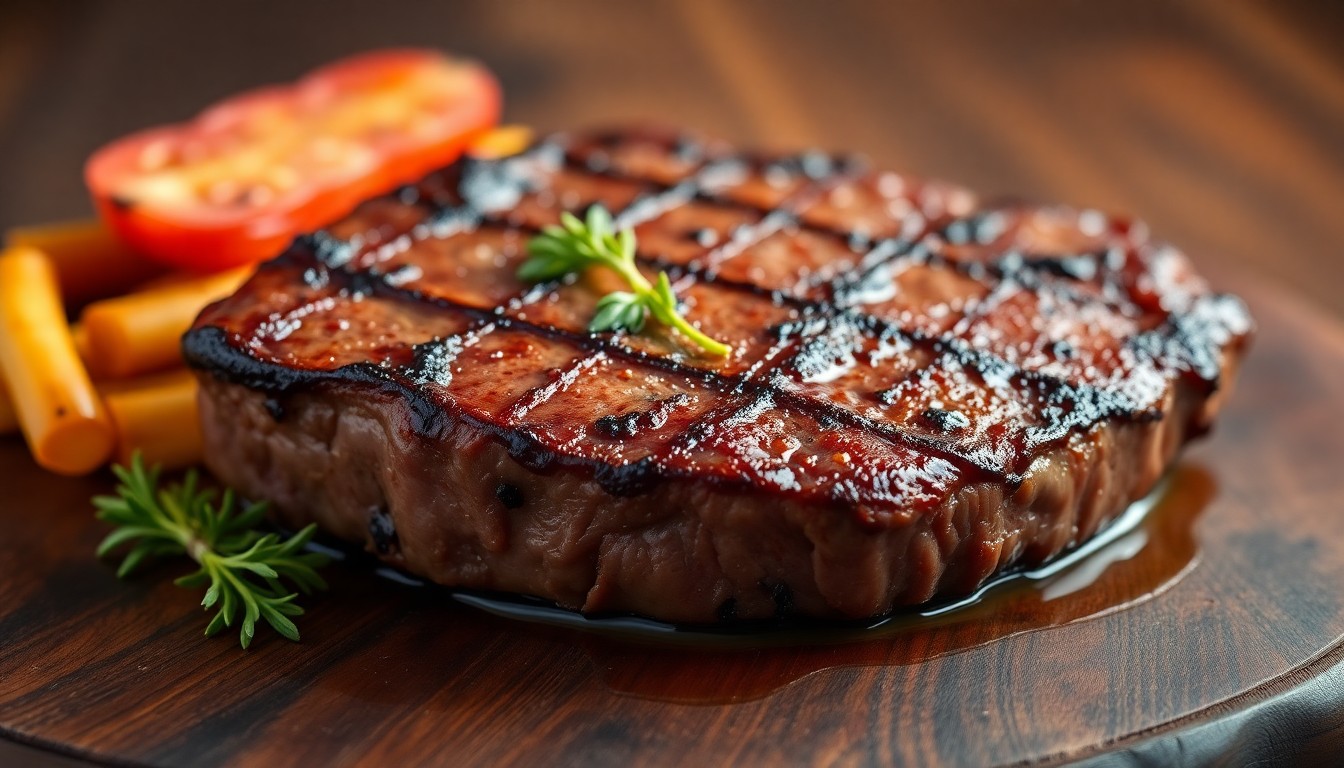
- Perfectly Seared Ribeye: Pat the steak dry. Season generously with salt and pepper. Heat a cast-iron skillet until very hot. Sear the steak for a few minutes per side to achieve a good crust. Reduce heat and cook to desired doneness.
- Pan-Fried Sirloin with Butter Sauce: Cook sirloin steak in a pan with rendered beef fat. After cooking, add butter to the pan and let it melt and brown slightly, creating a simple sauce.
- Grilled T-Bone Steak: Season the steak with salt and pepper. Grill over medium-high heat to desired doneness.
Poultry Recipes:
- Roasted Chicken with Crispy Skin: Pat the chicken dry. Season with salt and pepper. Roast in a preheated oven until the skin is crispy and the chicken is cooked through.
- Pan-Seared Duck Breast: Score the skin of the duck breast. Season with salt and pepper. Cook skin-side down in a pan over medium heat, rendering the fat. Flip and cook to desired doneness.
- Chicken Liver Pate (if including organ meats): Sauté chicken livers in butter or tallow until cooked through. Blend until smooth. Season with salt. (Traditionally, this would include onions, but omit for strict carnivore).
Seafood Sensations on Carnivore
Salmon Recipes:
- Baked Salmon with Salt and Pepper: Season salmon fillets with salt and pepper. Bake in a preheated oven until cooked through.
- Pan-Fried Salmon with Crispy Skin: Pat the salmon dry. Season with salt and pepper. Cook skin-side down in a pan with butter or tallow until the skin is crispy. Flip and cook to desired doneness.
Other Fish Options:
- Grilled Sardines: Season sardines with salt and pepper. Grill until cooked through.
- Baked Cod with Butter: Season cod fillets with salt and pepper. Place in a baking dish and top with butter. Bake until cooked through.
Shellfish (if tolerated):
- Shrimp Scampi: Sauté shrimp in butter with salt.
Utilizing Eggs and (Optional) Dairy
Egg-Based Dishes:
- Simple Scrambled Eggs: Whisk eggs with salt. Cook in a pan with plenty of butter or tallow.
- Carnivore Omelette: Cook beaten eggs in a pan. Add cooked meat (like crumbled bacon or ground beef) before folding the omelette.
Dairy (if tolerated and low-carb):
- Full-fat Hard Cheeses: Use small amounts as a condiment (e.g., a sprinkle of Parmesan on ground beef).
- Heavy Cream: Use in moderation (e.g., a small amount in coffee, if tolerated).
It’s important to note that dairy can stall weight loss or cause digestive issues for some individuals on the Carnivore diet. If you choose to include dairy, monitor your body’s response carefully.
Incorporating Organ Meats (Optional but Recommended)
Organ meats, such as liver, heart, and kidneys, are nutritional powerhouses, packed with vitamins and minerals that are often lacking in muscle meats. While not required, incorporating them into your Carnivore diet can significantly enhance its nutritional value.
Here are some simple ways to include them:
- Pan-fry liver slices with salt. (Traditionally with onions, omit for strict carnivore.)
- Add diced heart to ground beef dishes.
- If you find the taste of organ meats challenging, consider desiccated organ meat supplements.
Tips for Long-Term Success and Sustained Energy on Carnivore
Listening to Your Body
This is perhaps the most crucial aspect of long-term success on any diet, including the Carnivore diet. Pay close attention to your hunger and fullness cues. Eat when you’re hungry and stop when you’re satisfied. Don’t force yourself to eat if you’re not hungry, and don’t restrict yourself if you are.
Adjust your meal frequency and portion sizes based on your individual needs and activity levels. Recognize the signs of electrolyte imbalance (headaches, fatigue, muscle cramps) and address them promptly by increasing salt intake, drinking bone broth, or considering supplements.
Troubleshooting Common Challenges
- The “Carnivore Flu”: During the initial adaptation period, some people experience flu-like symptoms (headache, fatigue, irritability) as their body switches to burning fat for fuel. This is usually temporary and can be mitigated by increasing salt intake and staying hydrated.
- Social Situations and Eating Out: Plan ahead when eating out. Most restaurants can accommodate a simple request for meat cooked without sauces or seasonings. Social gatherings can be trickier, but you can always eat beforehand or bring your own carnivore-friendly food.
- Managing Cravings: Cravings for non-carnivore foods can occur, especially in the beginning. Remind yourself of your reasons for choosing the Carnivore diet and focus on the benefits you’re experiencing. The cravings will typically subside over time.
- Finding Variety: While the Carnivore diet is limited in terms of food groups, you can still find variety by experimenting with different types of meat, cooking methods, and spices (salt, pepper, garlic powder, etc.).
Tracking Progress and Making Adjustments
While not required, keeping a food journal can be helpful for tracking your progress and identifying any potential issues. Monitor your energy levels, sleep quality, and any other relevant metrics. Make adjustments to your meal plan as needed based on your results and how your body feels.
If you have any underlying health conditions or concerns, it’s always a good idea to consult with a healthcare professional before making significant dietary changes. You can also seek guidance from an experienced carnivore coach or connect with online carnivore communities for support and information.
Staying Hydrated
Staying hydrated is incredibly important on any diet, but even more so on the Carnivore Diet. Electrolyte balance is closely tied to hydration status.
- Aim to drink plain water throughout the day.
- Carry a water bottle with you.
Conclusion
The Carnivore Diet offers a path to sustained energy through its zero-carb, animal-based approach. By focusing on nutrient-dense meats, prioritizing fat intake, and maintaining electrolyte balance, individuals can experience stable blood sugar levels and consistent energy throughout the day. This approach eliminates the energy crashes often associated with carbohydrate-heavy diets. While transitioning to a Carnivore Diet may present initial challenges, such as the “Carnivore Flu,” these are typically temporary. Long-term success hinges on listening to your body, adjusting the meal plan as needed, and staying adequately hydrated. The simplicity of the Carnivore Diet, combined with its potential for improved energy and mental clarity, makes it a compelling option for those seeking a different approach to nutrition and well-being.
Frequently Asked Questions
1. Is the Carnivore diet safe for long-term?
Many people have successfully followed the Carnivore diet for extended periods, reporting positive health outcomes. However, long-term research is still limited. It’s essential to listen to your body, ensure adequate nutrient intake (potentially including organ meats), and consult with a healthcare professional, especially if you have any underlying health conditions.
2. Won’t I get bored eating only meat?
While it might seem restrictive at first, there’s a surprising amount of variety within the Carnivore diet. You can experiment with different types of meat (beef, lamb, pork, poultry, fish, game), cooking methods (grilling, roasting, pan-frying, slow cooking), and seasonings (salt, pepper, and other spices). Many people find that their taste buds adapt, and they begin to appreciate the natural flavors of meat.
3. How do I deal with social situations and eating out?
Planning is key. When eating out, choose restaurants that offer simple meat dishes (steak, grilled chicken, fish). You can often request that your food be cooked without sauces or seasonings. For social gatherings, consider eating beforehand or bringing your own Carnivore-friendly food. Communicate your dietary choices clearly and confidently.