Introduction to the Carnivore Diet and Zero-Carb Eating
What is the Carnivore Diet?
The Carnivore Diet is a way of eating that focuses exclusively on animal products. This means consuming only Meat, fish, eggs, and sometimes small amounts of certain dairy products. It’s the ultimate elimination diet, removing all plant-based foods, including fruits, vegetables, grains, legumes, nuts, and seeds. The core principle is Animal-Based Nutrition, prioritizing the nutrients found in animal sources.
Understanding Zero-Carb in the Context of the Carnivore Diet
Zero-carb eating is a natural consequence of an All-Meat Diet. Because the Carnivore Lifestyle eliminates all plant-based foods, which are the primary source of carbohydrates, it inherently results in a zero-carb intake. The macronutrient breakdown of a carnivore diet is typically high protein, high fat, and zero carbohydrates.
Potential Benefits (with disclaimer about needing more research)
Many people report experiencing various benefits from adopting a carnivore diet, although it’s important to note that more extensive research is needed to fully understand the long-term effects. Some commonly reported benefits include:
- Weight Loss
- Improved Mental Clarity
- Reduced Inflammation
- Simplified Digestion
- Blood Sugar Control
Please remember, it is always advisable to consult your doctor before starting any new diet.
Core Principles of Carnivore Meal Planning
Focus on Quality Meat:
The foundation of a successful carnivore diet is consuming high-quality, nutrient-dense meat. Prioritize cuts like ribeye, chuck roast, and organ meats (liver, heart, kidneys) for their rich vitamin and mineral content. Sourcing matters: opt for grass-fed and finished beef, pasture-raised poultry and pork, and wild-caught fish whenever possible. These options tend to have a better nutrient profile compared to conventionally raised animals. Don’t be afraid to explore different types of meat, including beef, lamb, pork, poultry, fish, and seafood, to find what you enjoy and what makes you feel your best.
Fat is Your Friend:
On a Zero-Carb Diet, animal fat becomes your primary energy source. Embrace fats like tallow, lard, butter, and ghee. Fat is crucial for satiety, hormone production, and overall well-being on a carnivore diet. Many of the outdated concerns about saturated fat are being re-evaluated, and current research suggests that saturated fat from whole, unprocessed animal sources may not be as detrimental as previously thought.
Hydration and Electrolytes:
Drinking plenty of water is essential on any diet, but it’s particularly important on a carnivore diet. You may also need to pay close attention to your electrolyte balance, especially sodium, potassium, and magnesium. Bone broth is an excellent source of electrolytes and other valuable nutrients, and can be easily incorporated into your Carnivore Meal Plan. Consider adding sea salt or Himalayan salt to your meals, and if needed, supplement with magnesium and potassium, especially during the initial adaptation phase.
Listening to Your Body: Hunger and Satiety Cues
One of the beautiful aspects of the carnivore diet is its simplicity. You eat when you’re hungry and stop when you’re full. There’s no need to count calories or meticulously track macros. Focus on recognizing your body’s true hunger signals and developing intuition around portion sizes. This is key to creating a sustainable and enjoyable Carnivore Meal Plan.
Delicious Zero-Carb Recipes: Mastering the Art of Meat-Based Meals
Breakfast Ideas:
- Steak and Eggs: A classic carnivore breakfast. Experiment with different cuts of steak (ribeye, sirloin, New York strip) and cooking methods (pan-fried, grilled, broiled).
- Bacon and Eggs: Choose high-quality, uncured bacon with no added sugar.
- Ground Beef Scramble: Simply brown ground beef and add eggs. Season with salt and pepper.
- Leftovers from dinner: Don’t be afraid to eat “dinner” foods for breakfast!
Lunch and Dinner: Main Course Meat-Based Recipes
- Zero-Carb Recipes for Roasts: Slow-roasted beef chuck roast, pork shoulder, or leg of lamb are incredibly flavorful and provide multiple meals.
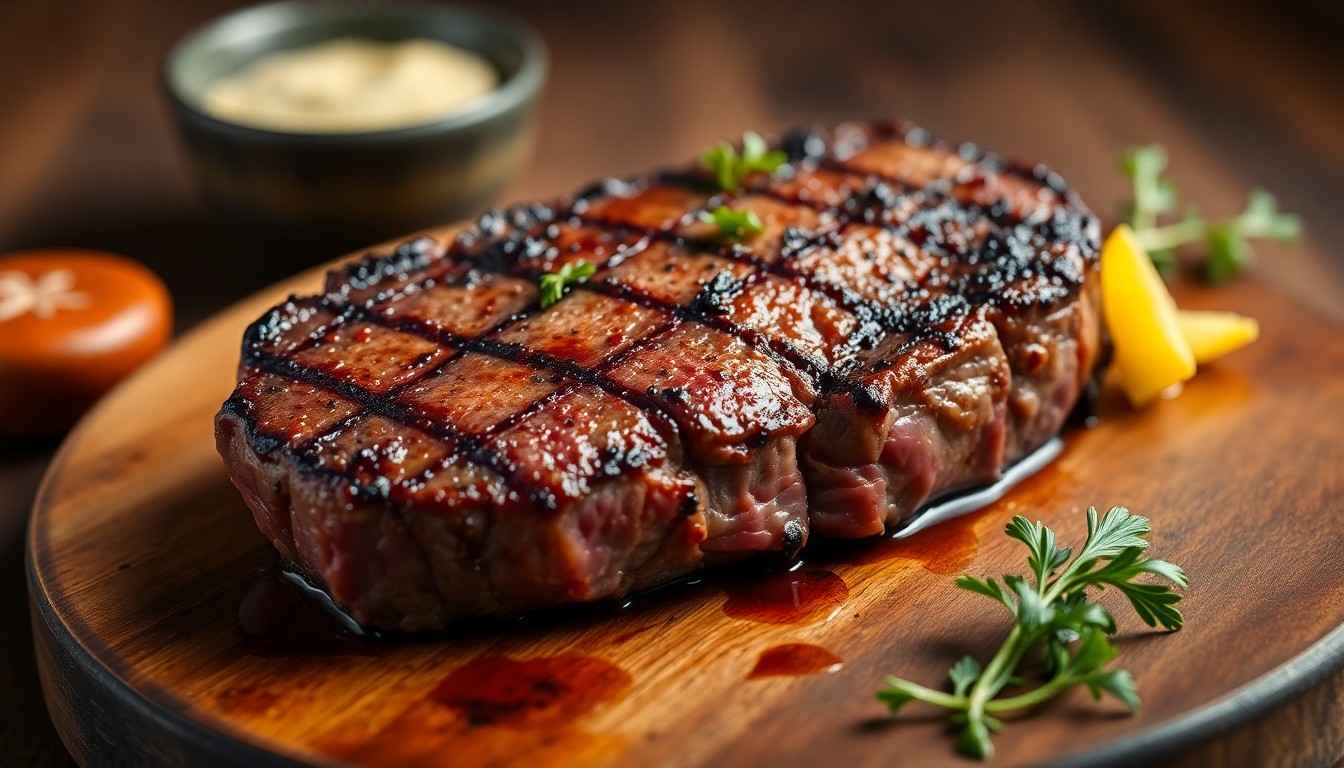
- Perfect Pan-Seared Steak: Heat a cast-iron skillet until smoking hot. Sear a thick-cut steak (like ribeye) for a few minutes per side, creating a beautiful crust. Add butter and salt to finish.
- Grilled or Broiled Salmon/Fish: Fatty fish like salmon, mackerel, and sardines are excellent choices.
- Slow Cooker Carnivore Dishes: Pulled pork or beef “stew” (without vegetables) are easy to make and perfect for meal prepping.
- Simple Ground Beef Recipes: Make burger patties (without buns or fillers) or a meatloaf (using only ground beef and seasonings).
- Chicken Recipes: Roast a whole chicken, grill chicken thighs, or fry chicken wings in tallow or lard.
Snacks (if needed):
- Beef Jerky: Make your own or choose a high-quality brand with no added sugar or carbohydrates.
- Pork Rinds: Check the ingredients to ensure there are no added carbohydrates.
- Hard-Boiled Eggs: A simple and portable snack.
- Tuna or Salmon: Choose varieties packed in water, and drain before eating.
- Cheese (if tolerated): Some carnivores include cheese, but be aware of potential carb content, even in hard cheeses. This is a personal choice based on individual tolerance.
Seasoning on the Carnivore Diet:
Keep it simple! Salt and pepper are your best friends. You can also use other pure spices (like garlic powder, onion powder, paprika), but avoid spice blends that may contain hidden sugars or starches. Always check the ingredients list. Bone broth can also be used to add flavor to your dishes.
Sample Carnivore Meal Plans: Getting Started
A Beginner’s 7-Day Carnivore Meal Plan
This is just a sample plan; adjust it to your own preferences and needs. The emphasis is on simplicity and variety within the All-Meat Diet.
- Day 1: B: Steak and Eggs, L: Ground Beef, D: Roasted Chicken
- Day 2: B: Bacon and Eggs, L: Leftover Chicken, D: Salmon
- Day 3: B: Ground Beef Scramble, L: Steak, D: Pork Chops
- Day 4: B: Eggs and Sausage, L: Leftover Pork Chops, D: Ribeye Steak
- Day 5: B: Bacon and Eggs, L: Ground Beef, D: Lamb Chops
- Day 6: B: Steak and Eggs, L: Leftover Lamb Chops, D: Salmon
- Day 7: B: Ground Beef Scramble, L: Tuna, D: Roasted Chicken
Adapting the Carnivore Meal Plan to Your Needs
Adjust portion sizes based on your activity level and hunger. Incorporate different types of meat based on your preferences, budget, and availability. When eating out, choose simple grilled meats and ask for no sauces or seasonings other than salt and pepper. For meal prepping, cook large batches of meat on the weekend to have ready-to-eat meals throughout the week.
Long-Term Sustainability of the Carnivore Lifestyle
The key to long-term success on the carnivore diet is to listen to your body and make adjustments as needed. Some people find that they need to cycle in and out of the diet, while others thrive on it long-term. It’s also a good idea to get regular blood work done to monitor your health markers and address any potential nutrient deficiencies. While many carnivores report thriving without issues, some individuals may benefit from incorporating organ meats, like liver, to ensure they are getting a full spectrum of nutrients, including Vitamin C. Remember, there’s a strong online community and many resources available to support you on your Carnivore Lifestyle journey.
Addressing Common Concerns and FAQs
Is the Carnivore Diet Safe?
The carnivore diet is a relatively new area of research, and long-term studies are limited. While many people report positive experiences, it’s crucial to discuss this diet with your healthcare provider, especially if you have any underlying health conditions. Concerns about cholesterol and heart health are often raised, but recent research is challenging traditional views on saturated fat and cholesterol from animal sources. It’s essential to consider individual responses and monitor your health markers.
Will I Experience Nutrient Deficiencies?
A well-formulated carnivore diet, especially one that includes organ meats, can be surprisingly nutrient-dense. Organ meats, particularly liver, are packed with vitamins and minerals. Animal products are also highly bioavailable, meaning your body can easily absorb and utilize the nutrients. The debate around Vitamin C continues; many long-term carnivores report no issues, while others choose to include small amounts of low-carb, high-vitamin C foods or supplement. This is an area for individual consideration and discussion with your doctor.
How Do I Deal with Cravings?
The initial adaptation period can be challenging for some, as your body adjusts to using fat for fuel instead of carbohydrates. Cravings for sugar and processed foods are common. Strategies for managing cravings include staying hydrated, ensuring adequate electrolyte intake (sodium, potassium, magnesium), and focusing on eating satisfying, fatty cuts of meat. Over time, cravings typically subside as your body adapts.
Can I Exercise on the Carnivore Diet?
Yes, many people report excellent energy levels and performance on the carnivore diet, once they are fully adapted. Adjust your Carnivore Meal Plan by increasing your fat intake if you are highly active. Adequate hydration and electrolytes are essential for exercise performance on any diet, and this is especially true for a ketogenic diet like the carnivore diet.