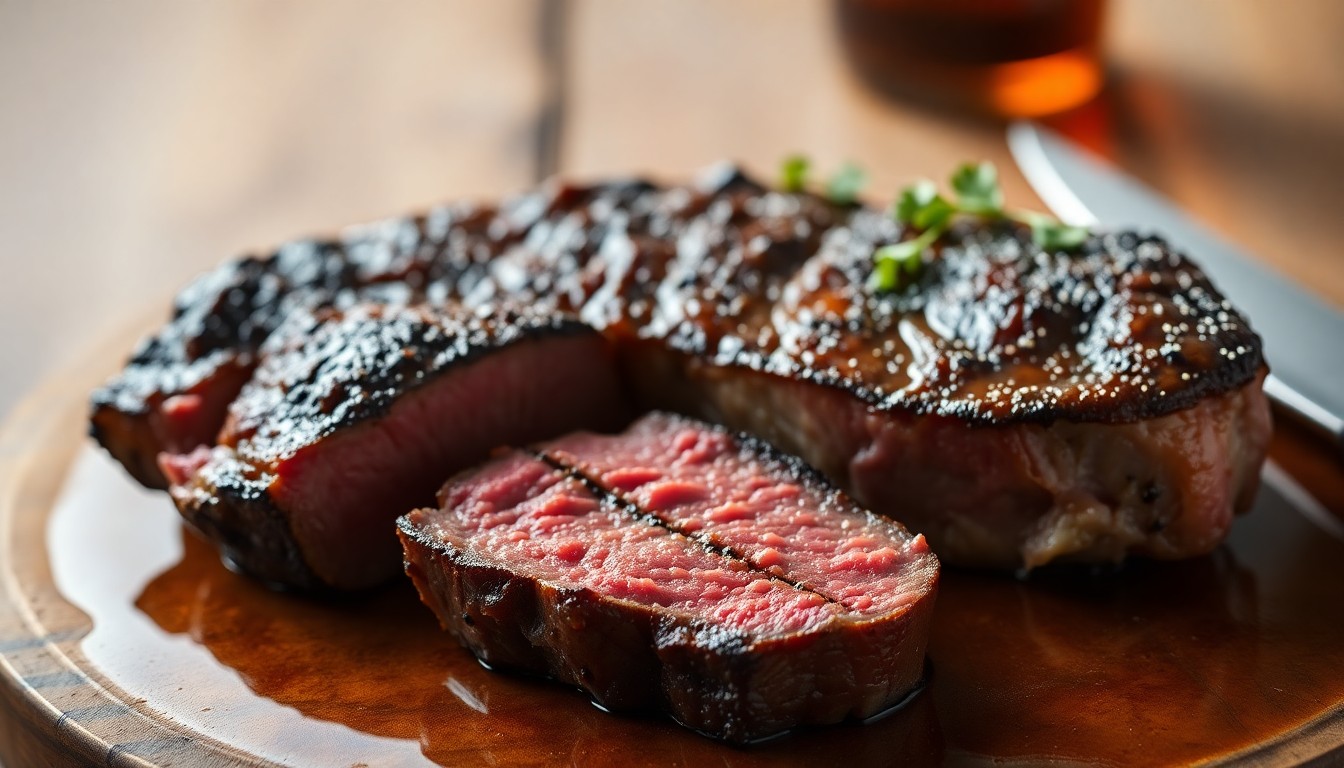
Introduction: Embracing the Carnivore Diet – A Beginner’s Journey
Welcome to Meat Only Living! If you’re reading this, you’re likely intrigued by the Carnivore Diet, a way of eating that’s gaining popularity for its potential health benefits and simplicity. This beginner’s guide is designed to provide you with a comprehensive overview of the Animal-Based Diet, helping you understand its principles, benefits, and practical implementation. Embarking on a new dietary journey can be daunting, but we’re here to guide you every step of the way. This is your starting point to potentially Thriving on Meat.
What is the Carnivore Diet? Defining the Animal-Based Diet
Carnivore Diet: A Simple Definition
The Carnivore Diet, in its purest form, is an elimination diet that focuses exclusively on animal products. That means meat, fish, eggs, and sometimes, certain dairy products. It eliminates all plant-based foods, including fruits, vegetables, grains, legumes, nuts, and seeds.
The Core Principle: Meat, Water, and (Sometimes) Salt
The foundation of the diet rests on consuming animal products, primarily meat, and drinking water. Salt is often used for seasoning and electrolyte balance. The simplicity of this approach is one of its main appeals.
Beyond Red Meat: Exploring All Animal Products
While red meat is often emphasized, the carnivore diet isn’t limited to it. You can include poultry (chicken, turkey, duck), fish (salmon, tuna, sardines), shellfish (shrimp, crab, lobster), eggs, and, for some, dairy products like cheese and heavy cream (if tolerated). The key is to choose high-quality, minimally processed options.
What’s Excluded? Understanding Plant-Based Restrictions
The carnivore diet excludes all plant-based foods. This includes:
- Fruits (all types)
- Vegetables (all types)
- Grains (wheat, rice, oats, corn, etc.)
- Legumes (beans, lentils, chickpeas)
- Nuts and seeds (all types)
- Sugars and sweeteners (including honey, maple syrup, artificial sweeteners)
- Processed foods (anything with added ingredients beyond animal products, salt, and spices)
- Vegetable oils (canola, soybean, corn oil, etc.)
Variations of the Carnivore Diet: Finding What Works for You
While the core principle remains the same, there are variations within the carnivore diet:
- Strict Carnivore: Only meat, water, and salt.
- Standard Carnivore: Includes meat, fish, eggs, and sometimes high-fat dairy.
- Carnivore with Honey: Some individuals include raw honey as a source of carbohydrates.
- Ketogenic Carnivore: Focuses on high-fat, moderate-protein, and very low-carbohydrate intake, even within animal products.
It’s crucial to find the variation that best suits your individual needs and tolerances.
The Meat Benefits: Why Choose a Carnivore Diet?
Protein Power: Building Blocks for a Healthy Body
Meat is an excellent source of complete protein, providing all the essential amino acids your body needs for muscle growth, repair, and overall function. Protein Power is a cornerstone of the carnivore diet.
Essential Nutrients: Vitamins and Minerals Abundant in Meat
Animal products are packed with essential vitamins and minerals, including:
- Vitamin B12 (crucial for nerve function and red blood cell formation)
- Iron (essential for oxygen transport)
- Zinc (important for immune function and wound healing)
- Selenium (an antioxidant that protects against cell damage)
- Creatine (supports muscle energy and performance)
- Carnitine (plays a role in fat metabolism)
Improved Digestion: Anecdotal Evidence and Potential Explanations
Many individuals report improved digestion on the carnivore diet. This may be due to the elimination of potentially irritating plant compounds, such as fiber, lectins, and oxalates. However, more research is needed in this area.
Weight Management: How Carnivore Can Aid in Fat Loss
The carnivore diet can be effective for weight loss due to its high protein content, which promotes satiety and reduces cravings. The absence of carbohydrates also encourages the body to burn fat for fuel (ketosis).
Potential Benefits for Specific Health Conditions (Autoimmune, Metabolic)
Some individuals with autoimmune conditions (like Crohn’s disease, rheumatoid arthritis) and metabolic disorders (like type 2 diabetes) have reported improvements in their symptoms on the carnivore diet. However, it’s crucial to work with a healthcare professional if you have any underlying health conditions.
Beginner Carnivore: Your First Steps
Transitioning to Carnivore: Gradual vs. Cold Turkey
You can transition to the carnivore diet gradually or cold turkey. A gradual approach involves slowly eliminating plant-based foods over weeks or months. Going cold turkey means eliminating all plant-based foods immediately. Choose the method that feels most sustainable for you.
Electrolyte Balance: Preventing the Carnivore Flu
When you drastically reduce carbohydrate intake, your body flushes out water and electrolytes (sodium, potassium, magnesium). This can lead to symptoms like fatigue, headaches, and muscle cramps, often referred to as the carnivore flu or keto flu. Supplementing with electrolytes, especially in the initial stages, is crucial.
Hydration is Key: Water Intake on a Meat-Based Diet
Drinking plenty of water is essential on the carnivore diet, as it helps with electrolyte balance, digestion, and overall hydration. Aim for at least 2-3 liters of water per day, or more if you’re active.
Listening to Your Body: Hunger Cues and Satiety
Pay attention to your body’s hunger and satiety cues. Eat when you’re hungry and stop when you’re full. Don’t force yourself to eat if you’re not hungry, and don’t restrict yourself if you are.
Choosing Quality Meats: Grass-fed, Organic, and Sourcing
Whenever possible, choose high-quality meats. Grass-fed beef, pasture-raised poultry, and wild-caught fish are generally preferred due to their superior nutrient profiles. Sourcing from local farmers or reputable butchers is a great way to ensure quality.
Crafting Your Carnivore Meal Plan
Sample Carnivore Diet Meal Plan for Beginners
Here’s a sample meal plan to get you started:
- Breakfast: Scrambled eggs with bacon or steak and eggs.
- Lunch: Ground beef with salt and pepper or a ribeye steak.
- Dinner: Salmon fillet with butter or roasted chicken with skin.
- Snacks (if needed): Beef jerky (check for added sugars), hard-boiled eggs, or a small portion of leftover meat.
Focus on Variety: Different Cuts and Types of Meat
Don’t be afraid to experiment with different cuts and types of meat. Try different steaks (ribeye, sirloin, New York strip), roasts, ground beef, lamb, pork, chicken, and fish. This will provide a wider range of nutrients and prevent boredom.
Cooking Methods: Grilling, Roasting, Pan-Frying, and More
You can cook your meat using various methods, including grilling, roasting, pan-frying, slow cooking, and even air frying. Choose methods that you enjoy and that preserve the flavor and nutrients of the meat.
Seasoning Strategies: Salt, Pepper, and Other Zero-Carb Options
Keep your seasonings simple. Salt and pepper are staples. You can also use other zero-carb spices, such as garlic powder, onion powder, paprika, and chili powder (check for added sugars or fillers). Avoid sauces and marinades that contain sugar or other carbohydrates.
Organ Meats: Unlocking Nutrient Density (Optional but Recommended)
Organ meats, such as liver, heart, and kidney, are incredibly nutrient-dense. They are packed with vitamins, minerals, and other beneficial compounds. If you’re open to it, incorporating organ meats into your diet can significantly boost your nutrient intake. Start with small amounts and find preparations that you enjoy.
Thriving on Meat: Long-Term Considerations
Monitoring Your Health: Bloodwork and Biomarkers
It’s a good idea to get regular bloodwork done to monitor your health markers, especially when starting a new diet. This can help you identify any potential nutrient deficiencies or other issues that may need to be addressed.
Addressing Common Concerns: Cholesterol, Fiber, and Nutrient Deficiencies
Common concerns about the carnivore diet include cholesterol levels, fiber intake, and potential nutrient deficiencies. While cholesterol levels may increase for some individuals, the overall impact on cardiovascular health is complex and depends on various factors. Fiber is not essential for human health, and many people report improved digestion without it. Nutrient deficiencies can be addressed by consuming a variety of animal products, including organ meats, and, if necessary, supplementing with specific nutrients under the guidance of a healthcare professional.
Building a Sustainable Carnivore Lifestyle
The key to long-term success on the carnivore diet is to make it sustainable for your lifestyle. This involves finding meals you enjoy, planning ahead, and adapting the diet to your individual needs and preferences.
Social Situations and Dining Out on a Carnivore Diet
Navigating social situations and dining out can be challenging, but it’s definitely possible. Communicate your dietary needs to your hosts or restaurant staff. Choose meat-based dishes and ask for modifications if necessary (e.g., no sauces or sides with carbohydrates). Many restaurants are accommodating to dietary requests.
The Importance of Community and Support: Finding Your Tribe
Connecting with others who follow the carnivore diet can provide valuable support, encouragement, and information. Join online communities, forums, or social media groups to share your experiences and learn from others.
Potential Challenges and How to Overcome Them
The Adaptation Period: What to Expect
The initial adaptation period can involve some challenges, such as the carnivore flu (electrolyte imbalances), digestive adjustments, and cravings for carbohydrates. These symptoms are usually temporary and can be mitigated with proper hydration, electrolyte supplementation, and patience.
Cravings and Temptations: Strategies for Staying on Track
Cravings for carbohydrates, especially sugar, are common in the beginning. Strategies for managing cravings include:
- Staying hydrated.
- Eating enough protein and fat.
- Finding carnivore-friendly alternatives (e.g., pork rinds instead of chips).
- Distracting yourself with other activities.
- Reminding yourself of your goals and the Benefits of the diet.
Dealing with Social Pressure and Misconceptions
You may encounter social pressure or misconceptions about the carnivore diet. Be prepared to explain your dietary choices calmly and confidently. Focus on your personal experience and the positive changes you’ve observed.
Cost Considerations: Making the Carnivore Diet Affordable
The carnivore diet can be expensive, especially if you focus on high-quality meats. To make it more affordable, consider:
- Buying meat in bulk.
- Choosing less expensive cuts of meat (e.g., ground beef, chuck roast).
- Taking advantage of sales and discounts.
- Incorporating organ meats, which are often cheaper than muscle meats.
Addressing Digestive Issues: Troubleshooting Common Problems.
Some individuals may experience digestive issues, such as constipation or diarrhea, when starting the carnivore diet. These issues are often temporary and can be addressed by:
- Adjusting your fat intake.
- Ensuring adequate hydration.
- Adding electrolytes.
- Trying different types of meat.
- If problems persist, consulting with a healthcare professional.
Carnivore Guide: Resources and Further Exploration
Books and Articles on the Carnivore Diet
There are many excellent books and articles available on the carnivore diet. Some popular titles include The Carnivore Code by Paul Saladino, MD, and The Carnivore Diet by Shawn Baker, MD.
Online Communities and Forums
Online communities and forums, such as Reddit’s r/carnivore and various Facebook groups, provide a platform for sharing experiences, asking questions, and connecting with other carnivores.
Experts and Practitioners to Follow
Several experts and practitioners specialize in the carnivore diet, including Paul Saladino, MD, Shawn Baker, MD, and Anthony Chaffee, MD. You can find their content online through websites, podcasts, and social media.
Recommended Products (Supplements, Cooking Tools)
Useful products for the carnivore diet may include electrolyte supplements, high-quality salt, a meat thermometer, and durable cooking tools (e.g., cast iron skillet, grill).
Recipes: Find Carnivore-Friendly Dishes
While the carnivore diet is simple, you can still find a variety of recipes online. Search for carnivore recipes to find inspiration for different meals and preparations.
Conclusion: Your Journey to Unlocking the Power of Meat.
The Carnivore Diet offers a unique and potentially powerful approach to health and well-being. By focusing on nutrient-dense animal products and eliminating plant-based foods, many individuals experience Meat Benefits such as improved digestion, weight loss, increased energy, and relief from certain health conditions. This Beginner Carnivore guide has provided you with the foundational knowledge to embark on your own Animal-Based Diet journey. Remember to listen to your body, stay hydrated, prioritize quality meats, and seek support from the carnivore community. The path to Thriving on Meat is a personal one, and we encourage you to explore it with an open mind and a commitment to your health.
Frequently Asked Questions
Is the carnivore diet safe?
The carnivore diet is generally considered safe for most healthy individuals. However, it’s essential to consult with a healthcare professional before starting any new diet, especially if you have underlying health conditions.
Can I drink coffee or tea on the carnivore diet?
Technically, coffee and tea are plant-based and therefore excluded on a strict carnivore diet. Some individuals choose to include them, while others avoid them. It depends on your personal tolerance and goals.
How long does it take to adapt to the carnivore diet?
The adaptation period varies from person to person. Some individuals adapt quickly, while others may take several weeks or even months to fully adjust.
Will I get enough vitamins and minerals on the carnivore diet?
By consuming a variety of animal products, including organ meats, you can obtain all the essential vitamins and minerals your body needs. However, some individuals may benefit from supplementing with specific nutrients, especially during the adaptation period.
Is the carnivore diet sustainable long-term?
Many individuals have successfully followed the carnivore diet for years. The key to long-term sustainability is finding a way to make it work for your lifestyle and preferences.
Can I eat dairy on the carnivore diet?
Some individuals tolerate high-fat dairy products like cheese and heavy cream, while others do not. It’s best to experiment and see how your body reacts.