Introduction to the Carnivore Diet: Cracking the Carnivore Code
What Exactly is a Meat-Only Diet? Defining the Carnivore Diet.
The carnivore diet, at its core, is a dietary approach that focuses exclusively on consuming animal products. This meat-only diet eliminates all plant-based foods, including fruits, vegetables, grains, legumes, nuts, and seeds. It’s a return to what some believe is a more ancestral way of eating, prioritizing nutrient-dense animal foods.
The Philosophy Behind the Animal-Based Diet: Why Go Carnivore?
The philosophy behind the carnivore diet stems from the idea that humans are biologically adapted to thrive on animal-based foods. Proponents argue that our digestive systems are well-equipped to process meat and that animal products provide all the essential nutrients we need. Some believe that eliminating plant-based foods can reduce inflammation, improve gut health, and alleviate various health issues.
Potential Benefits (Brief Overview – will be expanded later).
While individual experiences vary, many people report experiencing a range of benefits on the carnivore diet, including weight loss, improved mental clarity, reduced inflammation, better digestion, and increased energy levels. We’ll delve deeper into these potential benefits later in this guide.
Carnivore FAQs: Your Most Pressing Questions Answered
What Can I Eat on the Carnivore Diet? Allowed Foods.
All Types of Meat (Beef, Lamb, Pork, Poultry, Game).
The foundation of the carnivore diet is, unsurprisingly, meat. This includes all types, from beef and lamb to pork, poultry, and wild game. Variety is encouraged, as different meats offer different nutrient profiles.
Fish and Seafood.
Fish and seafood are excellent additions to the carnivore diet, providing essential fatty acids and other vital nutrients. Fatty fish like salmon, mackerel, and sardines are particularly beneficial.
Eggs.
Eggs are a nutritional powerhouse and are fully embraced on the carnivore diet. They’re a great source of protein, healthy fats, and essential vitamins.
Animal Fats (Tallow, Lard, Ghee – with emphasis on quality).
Animal fats are crucial for energy and nutrient absorption on the carnivore diet. Opt for high-quality sources like tallow, lard, and ghee from grass-fed or pasture-raised animals.
Dairy: A Gray Area (High-Fat, Low-Lactose Options – Discuss the debate).
Dairy is a bit of a controversial topic within the carnivore community. Some individuals tolerate high-fat, low-lactose dairy products like hard cheeses and heavy cream, while others find it best to avoid them altogether. It’s often a matter of personal tolerance.
What Can’t I Eat? Foods to Avoid.
All Plant-Based Foods (Fruits, Vegetables, Grains, Legumes, Nuts, Seeds).
As a meat-only diet, the carnivore diet strictly prohibits all plant-based foods. This includes fruits, vegetables, grains, legumes, nuts, and seeds.
Processed Foods, Sugars, and Artificial Sweeteners.
Processed foods, added sugars, and artificial sweeteners are detrimental to any healthy diet, and the carnivore diet is no exception. These should be completely avoided.
Most Dairy (Discussing exceptions as mentioned above).
While some high-fat, low-lactose dairy products might be tolerated, most dairy, especially milk, is generally avoided due to its lactose content.
Vegetable Oils and Seed Oils.
Vegetable oils and seed oils (like canola, soybean, and corn oil) are highly processed and inflammatory. They are strictly avoided on the carnivore diet.
Can I Drink Coffee or Tea on the Carnivore Diet?
Discuss the arguments for and against. Focus on black coffee/tea without sweeteners.
Coffee and tea are another debated topic. Some carnivores choose to abstain completely, while others consume black coffee or tea without any sweeteners or milk. The concern is that these beverages can potentially irritate the gut or have other negative effects. If you choose to include them, monitor your body’s response.
What About Salt and Spices? Addressing Electrolytes and Seasoning.
Importance of Salt (Sodium) on Carnivore.
Salt is essential on the carnivore diet. When you eliminate carbohydrates, your body excretes more sodium, so it’s crucial to replenish it. Don’t be afraid to salt your food liberally.
Spices: Permissibility and Potential Issues (Sensitivity).
Spices are generally permitted, but some individuals may experience sensitivities. Start with small amounts and see how your body reacts. Pure, single-ingredient spices are the best option.
How Much Should I Eat? Portion Sizes and Listening to Your Body.
Eating to Satiety: The Core Principle.
The carnivore diet isn’t about calorie counting. The core principle is to eat to satiety – eat until you are comfortably full, but not stuffed.
Not about calorie counting.
Forget the calorie calculators. Focus on the quality of your food and listen to your body’s natural hunger and fullness cues.
Will I Experience Nutrient Deficiencies?
Discussing common concerns (Vitamin C, Fiber) and how to address them (organ meats, adaptation).
Common concerns include vitamin C and fiber. However, fresh meat contains some Vitamin C, and organ meats, especially liver, are incredibly nutrient-dense. Many people find that their bodies adapt to the absence of fiber, and digestive issues often improve. However, consult with a healthcare professional if you are concerned.
Troubleshooting the Carnivore Diet: Common Challenges and Solutions
The “Carnivore Flu”: Adaptation and Electrolyte Imbalance.
Symptoms (Fatigue, Headaches, Cramps, etc.).
As your body adapts to burning fat for fuel instead of carbohydrates, you might experience the “carnivore flu.” Symptoms can include fatigue, headaches, muscle cramps, irritability, and nausea.
Solutions: Increasing Electrolytes (Sodium, Potassium, Magnesium), Hydration.
The key to mitigating the carnivore flu is to increase your electrolyte intake, particularly sodium, potassium, and magnesium. Bone broth is an excellent source of electrolytes. Staying adequately hydrated is also crucial.
Digestive Issues: Diarrhea or Constipation.
Possible Causes (Fat Intake, Gut Microbiome Shift).
Digestive issues can occur during the initial adaptation phase. Diarrhea can be caused by a sudden increase in fat intake, while constipation can result from a shift in the gut microbiome.
Solutions: Adjusting Fat Intake Gradually, Bone Broth, Probiotics (Controversial – present both sides).
If you experience diarrhea, try reducing your fat intake slightly and gradually increasing it over time. For constipation, bone broth can be helpful. The use of probiotics is debated; some find them beneficial, while others believe they’re unnecessary on a carnivore diet.
Weight Loss Stalls: Breaking Through Plateaus.
Not uncommon, and can happen with any diet.
It’s normal to experience weight loss plateaus on any diet, including the carnivore diet.
Re-evaluating Fat Intake, Ensuring Adequate Protein, Considering Intermittent Fasting.
If you hit a plateau, re-evaluate your fat intake – you might be consuming too much or too little. Ensure you’re getting adequate protein. Intermittent fasting can also be a helpful tool to break through a plateau.
Food Cravings: Dealing with the Desire for Non-Carnivore Foods.
Psychological vs. Physiological Cravings.
Cravings can be psychological (habitual) or physiological (your body signaling a need for something).
Strategies: Staying Busy, Finding Carnivore-Friendly Alternatives (e.g., pork rinds for chips).
Staying busy and distracting yourself can help with psychological cravings. For physiological cravings, ensure you’re eating enough and getting enough electrolytes. Pork rinds can sometimes satisfy a craving for crunchy snacks.
Social Situations: Navigating Meals with Others.
Explaining the Diet, Bringing Your Own Food, Finding Carnivore-Friendly Options at Restaurants.
Social situations can be tricky. Be prepared to explain your dietary choices. Consider bringing your own food to gatherings. When eating out, look for carnivore-friendly options like Steak, burgers (without the bun), or grilled fish.
Expert Tips for Success on the Animal-Based Diet: Mastering the Carnivore Code
Choosing Quality Meats: Sourcing Matters.
Grass-Fed and Finished Beef, Pasture-Raised Poultry, Wild-Caught Fish.
The quality of your meat is paramount. Opt for grass-fed and finished beef, pasture-raised poultry, and wild-caught fish whenever possible. These options are more nutrient-dense and have a better fatty acid profile.
The Importance of Organ Meats (Nutrient Density).
Organ meats, especially liver, are incredibly nutrient-dense and should be included in your carnivore diet. They’re packed with vitamins, minerals, and other essential nutrients.
Cooking Methods: Keeping it Simple and Delicious.
Grilling, Roasting, Pan-Frying, Slow Cooking.
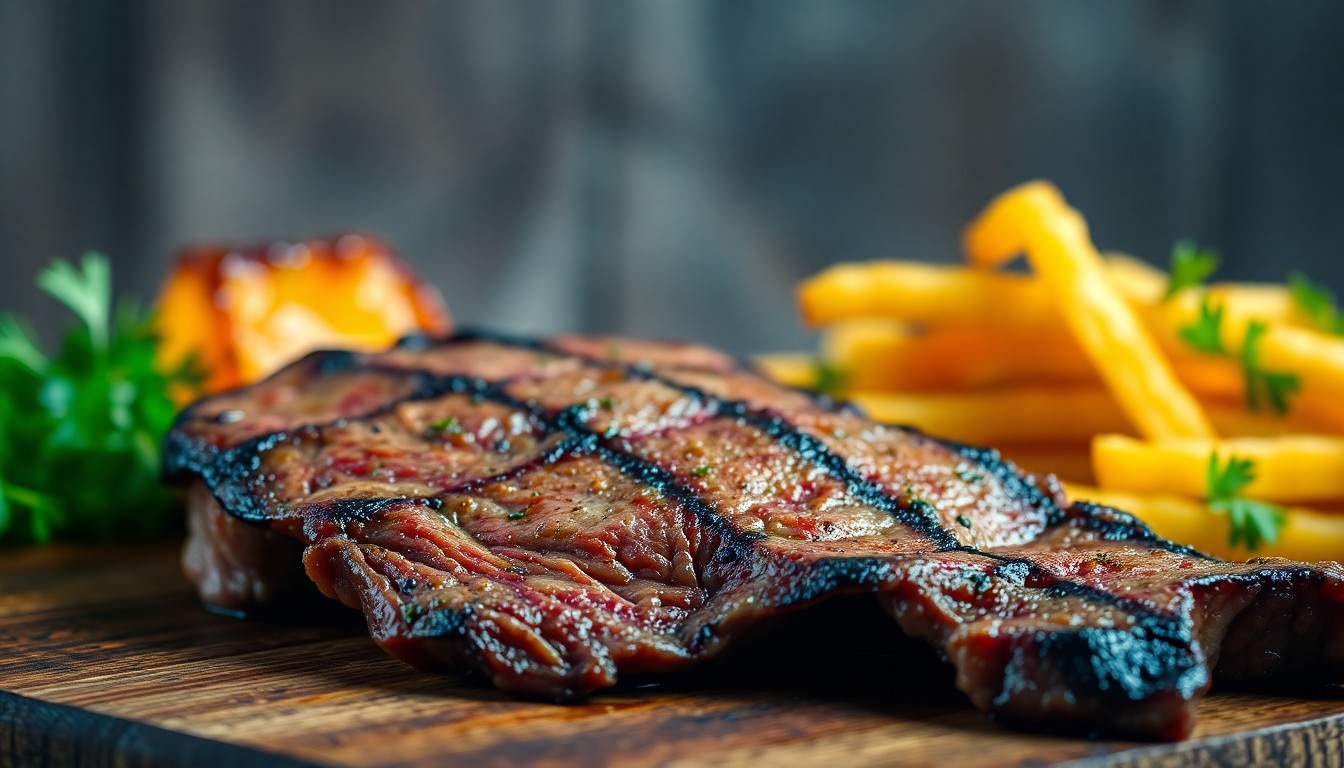
Keep your cooking methods simple. Grilling, roasting, pan-frying, and slow cooking are all excellent ways to prepare meat.
Emphasizing Minimal Processing.
Avoid heavily processed meats and stick to minimally processed options. The simpler, the better.
Hydration and Electrolyte Balance: A Critical Component.
Reiteration about salt intake, and electrolyte suppliments.
Remember, adequate salt intake is crucial on the carnivore diet. You may also want to consider using an electrolyte supplement, especially during the adaptation phase.
Drinking Enough Water (But Not Excessively).
Drink enough water to stay hydrated, but don’t overdo it. Excessive water intake can flush out electrolytes.
Listening to Your Body: Intuitive Eating on Carnivore.
Paying Attention to Hunger and Satiety Cues.
Pay close attention to your body’s hunger and satiety cues. Eat when you’re hungry and stop when you’re full.
Recognizing Signs of Intolerance or Sensitivity.
Be mindful of any signs of intolerance or sensitivity to certain foods. If you suspect a problem, try eliminating the food and see if your symptoms improve.
Tracking Progress and Making Adjustments.
Keeping a Food Journal (Optional).
Keeping a food journal can be helpful, especially in the beginning, to track what you’re eating and how you’re feeling.
Monitoring Energy Levels, Digestion, and Overall Well-being.
Monitor your energy levels, digestion, sleep, and overall well-being. This will help you identify any areas that need adjustment.
Seeking professional health guidance if needed.
If you have any underlying health conditions or concerns, it is important to seek guidance from a qualified healthcare professional before starting the carnivore diet.
Long-Term Sustainability: Making the Carnivore Diet a Lifestyle.
Incorporating variety within animal-based meals.
Although it’s a meat-only diet, you can vary meals by using different cuts of meat, different animals, and different cooking methods.
Considering cycles of carnivore.
Some individuals choose to cycle the carnivore diet, incorporating periods of stricter adherence with periods of more relaxed eating.
Periodically re-evaluate, listen to your body.
Regularly re-evaluate your diet and make adjustments as needed. Listen to your body and prioritize your overall health and well-being.
Beyond the Basics: Advanced Carnivore Considerations
Intermittent Fasting and the Carnivore Diet.
Intermittent fasting can be easily combined with the carnivore diet, as many find that eating only meat naturally reduces appetite and makes it easier to go longer periods without food.
Combining carnivore with exercise.
The carnivore diet can support various types of exercise. Many people report increased strength and endurance. Ensure adequate protein and electrolyte intake to support your activity level.
The Carnivore Diet and Specific Health Conditions (Autoimmune Diseases, etc. – with a disclaimer about consulting a doctor).
Some individuals with autoimmune diseases and other health conditions have reported improvements on the carnivore diet. However, it’s crucial to consult with a doctor before making any significant dietary changes, especially if you have a pre-existing medical condition.
Carnivore on a budget.
The carnivore diet doesn’t have to be expensive. Buying meat in bulk, choosing less expensive cuts, and utilizing organ meats can help keep costs down.
Frequently Asked Questions
Q: Can I have cheat days on the Carnivore Diet?
A: The traditional carnivore diet does not include “cheat days”. The goal is to consistently consume only animal products. Deviating from the diet can disrupt the adaptation process and potentially negate some of the benefits.
Q: Is the Carnivore Diet safe for long-term?
A: Many people have successfully followed the carnivore diet for extended periods. However, long-term studies are limited. It’s crucial to listen to your body, monitor your health, and consider consulting with a healthcare professional to ensure you’re meeting all your nutritional needs.
Q: How do I start the Carnivore Diet?
A: You can start gradually by eliminating plant-based foods one group at a time (e.g., grains, then legumes, then fruits and vegetables). Or, you can jump right in and eliminate all plant-based foods at once. Be prepared for a potential adaptation period (“carnivore flu”) and prioritize electrolyte intake.
Conclusion:
The carnivore diet offers a unique and potentially powerful approach to health and well-being. By focusing on nutrient-dense animal products and eliminating plant-based foods, many individuals experience benefits such as weight loss, improved mental clarity, reduced inflammation, and better digestion. By understanding the principles, addressing common challenges, and following expert tips, you can unlock the carnivore code and discover if this animal-based diet is the right fit for you.