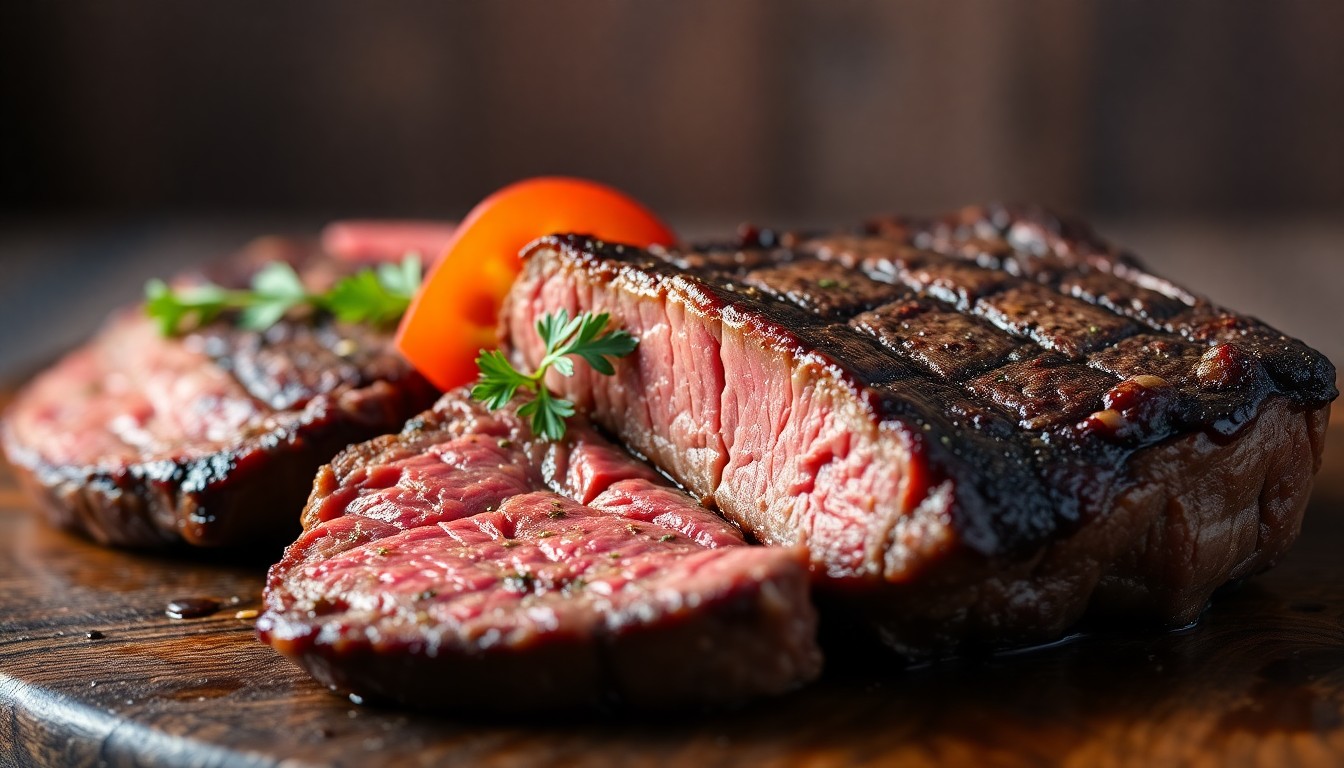
Introduction: Exploring the World of Meat-Only Living
A Brief Overview of the Carnivore Diet
The Carnivore Diet, also known as Meat-Only Living, is a dietary approach that focuses exclusively on consuming animal products. It eliminates all plant-based foods, including fruits, vegetables, grains, legumes, and nuts. This way of eating is based on the premise that humans are biologically adapted to thrive on a diet primarily consisting of meat.
The Growing Popularity of Animal-Based Diet Approaches
In recent years, animal-based diet approaches like the Carnivore Diet have gained significant traction. This surge in popularity can be attributed to several factors, including anecdotal reports of Weight Loss, improved digestive health, and increased mental clarity. Many individuals are seeking alternative dietary strategies to address health concerns that haven’t been fully resolved by conventional methods.
Setting the Stage: Addressing Carnivore Concerns and Highlighting Potential Meat-Only Benefits
This blog post aims to provide a comprehensive overview of the Carnivore Diet. We’ll delve into the core principles, explore the potential meat-only benefits, and address common carnivore concerns. We’ll also answer frequently asked questions (Carnivore FAQs) to help you make informed decisions about whether this way of eating is right for you.
The Core Principles of a Carnivore Diet: What Does “Meat-Only” Really Mean?
Defining Meat-Only Living: What’s Included?
Focus on Red Meat (Beef, Lamb, Bison)
Red meat, particularly beef, lamb, and bison, forms the foundation of most carnivore diets. These meats are rich in essential nutrients, including protein, iron, zinc, and B vitamins.
Incorporating Poultry (Chicken, Turkey)
While red meat is often emphasized, poultry like chicken and turkey can also be included. Choosing darker meat (thighs, legs) will generally provide a higher fat content.
The Role of Fish and Seafood
Fish and seafood are excellent additions to a Carnivore Diet, providing omega-3 fatty acids and other vital nutrients. Fatty fish like salmon, mackerel, and sardines are particularly beneficial.
Eggs: A Carnivore Staple?
Eggs are a nutrient-dense food and are often considered a staple on the Carnivore Diet. They are a complete protein source and provide essential vitamins and minerals.
Dairy: Controversies and Considerations (High-Fat, Low-Lactose)
Dairy is a point of contention within the carnivore community. Some individuals tolerate high-fat, low-lactose dairy products like butter, heavy cream, and hard cheeses well. Others may choose to exclude dairy entirely due to sensitivities or intolerances.
What’s Excluded? Understanding the Zero Carb Nature
Eliminating All Plant-Based Foods
The defining characteristic of the Carnivore Diet is the complete exclusion of all plant-based foods. This means no fruits, vegetables, grains, legumes, nuts, or seeds.
No Fruits, Vegetables, Grains, Legumes, or Nuts
This restriction is based on the belief that plant-based foods contain antinutrients and compounds that may interfere with digestion and nutrient absorption.
Avoiding Processed Foods, Sugars, and Artificial Sweeteners
Processed foods, added sugars, and artificial sweeteners are strictly avoided, as they are not part of the natural human diet and can have detrimental health effects. This is a zero carb approach.
The Importance of Quality: Sourcing Your Meat
Grass-Fed vs. Grain-Fed: Nutritional Differences
The quality of the meat you consume is crucial. Grass-fed meat tends to have a more favorable fatty acid profile, with higher levels of omega-3 fatty acids and conjugated linoleic acid (CLA) compared to grain-fed meat.
Organic and Sustainable Options
Choosing organic and sustainably raised meat can minimize exposure to hormones, antibiotics, and pesticides. It also supports farming practices that are better for the environment.
The Value of Organ Meats (Nutrient Density)
Organ meats, such as liver, kidney, and heart, are incredibly nutrient-dense. They are packed with vitamins, minerals, and other essential nutrients that are often lacking in muscle meat. Incorporating organ meats into your Carnivore Diet can help ensure you’re getting a wide range of nutrients.
Unveiling the Potential Meat-Only Benefits: Why Choose a Carnivore Diet?
Weight Management and Metabolic Health
Ketosis and Fat Burning
By eliminating carbohydrates, the Carnivore Diet forces the body to enter a state of ketosis. In ketosis, the body switches from using glucose (from carbohydrates) as its primary fuel source to using ketones (produced from fat). This can lead to increased fat burning and Weight Loss.
Potential for Reduced Appetite and Cravings
Many individuals report experiencing reduced appetite and cravings on a Carnivore Diet. This may be due to the satiating effects of protein and fat, as well as the stabilization of blood sugar levels.
Impact on Insulin Sensitivity and Blood Sugar Control
The Carnivore Diet can potentially improve insulin sensitivity and blood sugar control, particularly in individuals with insulin resistance or type 2 diabetes. This is because the diet eliminates the primary source of glucose in the bloodstream.
Digestive Health and Gut Microbiome
Eliminating Potential Irritants (Fiber, Lectins, etc.)
Some individuals experience digestive issues due to certain plant-based compounds, such as fiber, lectins, and oxalates. The Carnivore Diet eliminates these potential irritants.
Anecdotal Reports of Reduced Bloating and Improved Digestion
Many people report experiencing reduced bloating, gas, and other digestive discomforts after switching to a Carnivore Diet. This is often attributed to the elimination of fermentable carbohydrates.
The Evolving Research on the Carnivore Gut Microbiome
The impact of the Carnivore Diet on the gut microbiome is an area of ongoing research. While some studies suggest potential shifts in gut bacteria, more research is needed to fully understand the long-term effects.
Mental Clarity and Cognitive Function
Potential Benefits for Brain Health (Ketones as Fuel)
Ketones, produced during ketosis, can serve as an alternative fuel source for the brain. Some research suggests that ketones may have neuroprotective effects and improve cognitive function.
Anecdotal Reports of Improved Focus and Energy Levels
Many individuals on a Carnivore Diet report experiencing improved focus, mental clarity, and sustained energy levels. This may be due to the stable blood sugar levels and the absence of energy crashes associated with carbohydrate consumption.
Addressing Potential Nutrient Deficiencies Related to Brain Function
It’s important to ensure adequate intake of nutrients essential for brain function, such as omega-3 fatty acids, B vitamins, and choline, which can be obtained from animal sources.
Autoimmune Conditions and Inflammation
Potential for Reducing Inflammatory Markers
Some studies suggest that the Carnivore Diet may help reduce inflammatory markers in the body. This may be due to the elimination of potential inflammatory triggers found in plant-based foods.
Anecdotal Evidence in Managing Certain Autoimmune Diseases
There are anecdotal reports of individuals with autoimmune conditions experiencing symptom improvement on a Carnivore Diet. However, more research is needed to confirm these findings.
The Importance of Individualized Approaches
It’s crucial to note that autoimmune conditions are complex, and dietary interventions should be individualized. Working with a healthcare professional is essential.
Simplifing Meal Planning
Fewer Ingredients, More simplicity.
The Carnivore Diet simplifies meal planning considerably. With a focus on just a few key ingredients, you can create satisfying and nutritious meals without complex recipes.
Less time spent on meal prep.
Because of the simplified ingredient list and cooking methods, meal preparation on the Carnivore Diet is usually much faster than with diets that include a wide variety of plant-based foods.
Addressing Common Carnivore Concerns: Separating Fact from Fiction
Nutrient Deficiencies: Are They a Real Risk?
Vitamin C: Addressing the Concerns and Potential Sources
One of the most common concerns about the Carnivore Diet is the potential for vitamin C deficiency. While fruits and vegetables are typically considered the primary sources of vitamin C, fresh meat does contain small amounts. Some individuals also report that their vitamin C needs decrease on a Carnivore Diet. Organ meats, like liver, are a richer source.
Fiber: Is It Truly Essential?
Fiber is often touted as essential for digestive health. However, the Carnivore Diet, by definition, contains no fiber. Many individuals report improved digestion without fiber, suggesting that it may not be essential for everyone. The body can adapt to a low-fiber diet.
Other Micronutrients: Supplementation Strategies (When Necessary)
Depending on individual needs and the specific foods included in the diet, supplementation with certain micronutrients, such as magnesium or potassium, may be necessary. This is best determined through blood work and consultation with a healthcare professional.
The Importance of Regular Blood Work and Monitoring
Regular blood work is crucial to monitor nutrient levels and overall health on a Carnivore Diet. This allows for adjustments to be made as needed.
Cholesterol and Heart Health: The Carnivore Perspective
Understanding Different Types of Cholesterol (HDL, LDL)
It’s important to understand that cholesterol is not a single entity. There are different types of cholesterol, including HDL (“good” cholesterol) and LDL (“bad” cholesterol). The impact of dietary cholesterol on blood cholesterol levels varies among individuals.
The Role of Saturated Fat: Re-evaluating the Narrative
The traditional view that saturated fat is harmful to heart health is being increasingly challenged. Recent research suggests that saturated fat may not be as detrimental as previously thought, particularly in the context of a low-carbohydrate diet.
Individual Responses and Risk Factors
Individual responses to dietary cholesterol and saturated fat vary. It’s essential to consider individual risk factors and monitor blood lipid levels.
Kidney Health: Is Meat Harmful to the Kidneys?
Protein Intake and Kidney Function: Addressing the Myths
There’s a common misconception that high protein intake is harmful to the kidneys. However, this is generally not the case for individuals with healthy kidney function. The body can efficiently process protein from meat.
Pre-existing Conditions and Considerations
Individuals with pre-existing kidney disease should consult with their healthcare provider before making significant dietary changes, including adopting a Carnivore Diet.
The Importance of Hydration
Adequate hydration is crucial for kidney health, regardless of dietary approach. Drinking plenty of water is essential on a Carnivore Diet.
Environmental Impact: Sustainability of a Meat-Only Diet
Regenerative Agriculture and Sustainable Farming Practices
The environmental impact of meat production is a valid concern. However, regenerative agriculture and sustainable farming practices can significantly mitigate the negative effects. These practices focus on improving soil health, sequestering carbon, and promoting biodiversity.
Ethical Considerations of Animal Welfare
The ethical treatment of animals is another important consideration. Choosing meat from farms that prioritize animal welfare is crucial.
Balancing Personal Health with Environmental Responsibility
Finding a balance between personal health goals and environmental responsibility is essential. Supporting sustainable and ethical farming practices can help minimize the environmental impact of a Carnivore Diet.
Carnivore FAQs: Your Questions Answered
Can I Drink Coffee or Tea on a Carnivore Diet?
This is a debated topic. Some carnivores exclude coffee and tea due to their plant origins. Others tolerate them well and include them in moderation. Black coffee and plain tea are generally preferred, without added sugar or milk.
What About Salt and Spices?
Salt is generally encouraged on a Carnivore Diet, as it helps replenish electrolytes. Spices are another area of individual preference. Some carnivores use minimal spices derived from plant sources, while others avoid them entirely.
How Do I Deal with Social Situations and Eating Out?
Social situations can be challenging on a Carnivore Diet. Planning ahead, communicating your dietary needs, and choosing simple meat-based options (e.g., steak, burger without the bun) can help navigate these situations.
What are the Potential Side Effects of Transitioning to a Meat-Only Living? (“Keto Flu”)
Some individuals experience temporary side effects when transitioning to a Carnivore Diet, often referred to as the “keto flu.” These symptoms may include fatigue, headaches, muscle cramps, and digestive upset. These symptoms are usually temporary and can be mitigated by staying hydrated and replenishing electrolytes.
How Long Should I Follow a Carnivore Diet?
The duration of a Carnivore Diet is a personal decision. Some individuals follow it long-term, while others use it as a short-term elimination diet or for specific health goals.
Is the Carnivore Diet Safe for Everyone? (Children, Pregnant Women, Individuals with Specific Medical Conditions)
The Carnivore Diet may not be suitable for everyone. Children, pregnant women, and individuals with specific medical conditions should consult with their healthcare provider before making any significant dietary changes.
How do I start, should I transition slowly?
Some people prefer a gradual transition to the Carnivore Diet, slowly eliminating plant-based foods over time. Others choose to go “cold turkey” and eliminate all plant-based foods at once. The best approach depends on individual preferences and tolerance.
What about exercise and physical activity on this Animal-Based Diet?
Exercise and physical activity are compatible with a Carnivore Diet. Many people report improved energy levels and performance. It’s important to listen to your body and adjust your activity levels as needed.
The Importance of Individualization and Professional Guidance
Listening to Your Body: Recognizing Individual Responses
The Carnivore Diet, like any dietary approach, is not a one-size-fits-all solution. It’s crucial to listen to your body and recognize individual responses. Pay attention to how you feel, both physically and mentally, and make adjustments as needed.
Working with a Healthcare Professional or Registered Dietitian
Before making significant dietary changes, it’s highly recommended to consult with a healthcare professional or a registered dietitian who is knowledgeable about the Carnivore Diet. They can help assess your individual needs, monitor your health, and provide guidance.
Tailoring the Carnivore Diet to Your Specific Needs and Goals
A healthcare professional can help tailor the Carnivore Diet to your specific needs and goals, ensuring that you’re getting adequate nutrients and addressing any underlying health concerns.
Emphasizing the need to self-experiment, and adjust based on biofeedback.
Ultimately, the Carnivore Diet is about finding what works best for you. Be prepared to experiment, track your results, and make adjustments based on your body’s feedback. This iterative process is key to long-term success.