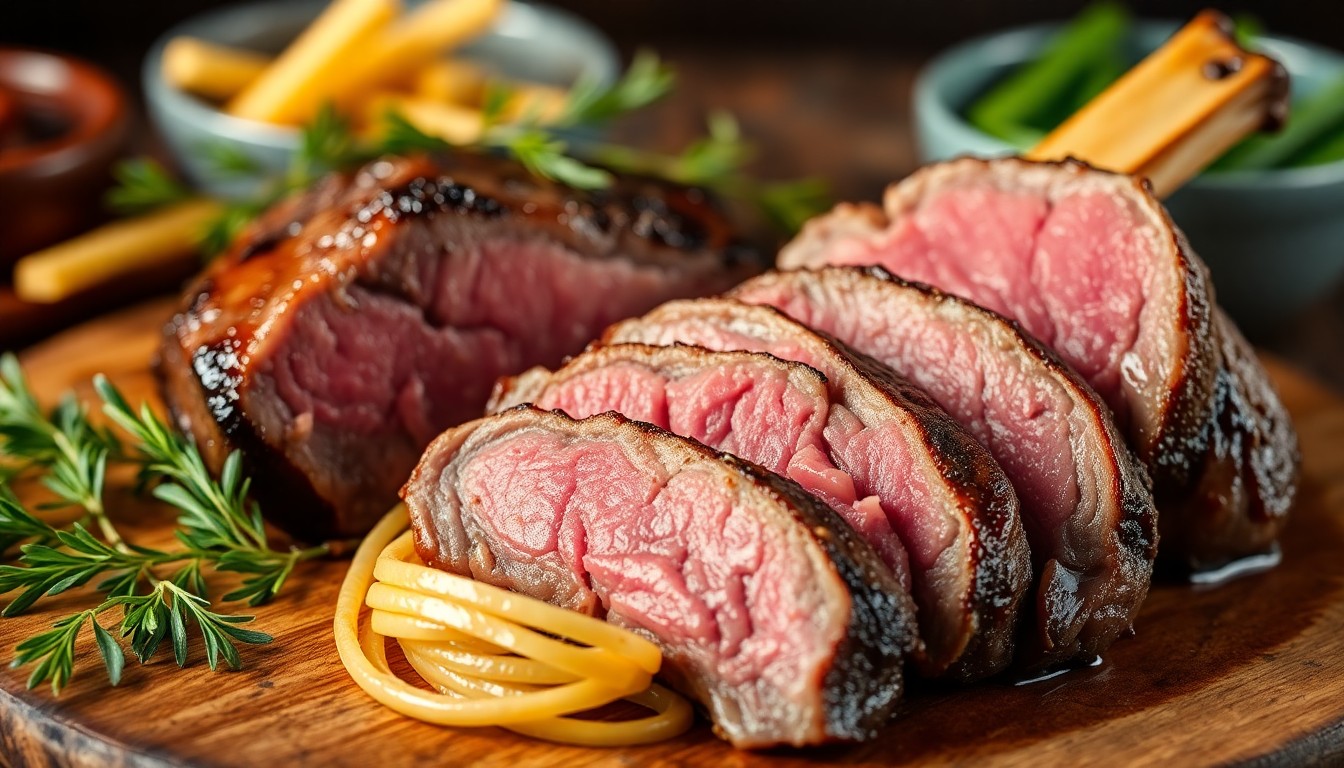
Welcome to Meat Only Living! If you’re curious about the carnivore diet – a way of eating that focuses exclusively on animal products – you’ve come to the right place. This beginner’s guide will walk you through the fundamentals of this Meat-only diet, explore its potential benefits, and provide practical tips for getting started.
What is the Carnivore Diet? Defining the Meat-Only Approach
The Core Principle: Animal-Based Diet Exclusively
The carnivore diet, at its core, is an animal-based diet. This means consuming only animal products and eliminating all plant-based foods. This includes fruits, vegetables, grains, legumes, nuts, and seeds.
The diet primarily consists of:
- Meat (beef, lamb, pork, etc.)
- Poultry (chicken, turkey, duck, etc.)
- Fish (salmon, tuna, mackerel, etc.)
- Seafood (shrimp, crab, lobster, etc.)
- Eggs (for some variations)
- Limited Dairy (certain types, for some variations – high-fat, low-lactose options like hard cheeses and heavy cream are often preferred)
A key aspect of the carnivore diet is its zero carb intake. By eliminating all plant-based foods, you’re essentially removing all carbohydrates from your diet.
Historically, there’s evidence suggesting that some ancestral populations thrived on diets primarily composed of animal products. While the modern carnivore diet isn’t a direct replication of any specific historical diet, it draws inspiration from the idea that humans can thrive on animal-sourced nutrition.
Distinguishing the Carnivore Diet from Other Low-Carb Diets
It’s easy to confuse the carnivore diet with other low-carb approaches, so let’s clarify the differences:
- Keto vs. Carnivore: The ketogenic diet is a high-fat, moderate-protein, very-low-carb diet that allows for some non-starchy vegetables and limited amounts of certain fruits (like berries). The carnivore diet, on the other hand, completely excludes all plant matter.
- Paleo vs. Carnivore: The Paleo diet focuses on whole, unprocessed foods that were theoretically available to our Paleolithic ancestors. This includes fruits, vegetables, nuts, and seeds, in addition to meat and fish. The carnivore diet is far more restrictive, eliminating all plant-based foods.
Common Variations of the Meat-Only Diet
While the core principle remains the same, there are variations within the carnivore diet:
- Strict Carnivore: This is the most restrictive version, consisting only of meat (usually beef) and water.
- Including Eggs and Dairy: Many individuals include eggs and some dairy products, particularly high-fat, low-lactose options.
- Incorporating Organ Meats: Organ meats (liver, heart, kidneys, etc.) are incredibly nutrient-dense and are highly encouraged by many carnivore proponents.
- The use of Salt and other Electrolytes: Salt is freely used, and many people supplement with electrolytes like potassium and magnesium, especially during the initial adaptation phase.
Potential Carnivore Benefits: Exploring the Claims
The carnivore diet has gained popularity due to anecdotal reports and some preliminary research suggesting various health benefits. It’s important to note that much of the evidence is anecdotal, and more rigorous scientific studies are needed. However, here are some of the commonly reported benefits:
Weight Loss and Body Composition
Many people report significant weight loss on the carnivore diet. The mechanisms behind this may include:
- Ketosis: When carbohydrate intake is drastically reduced, the body enters a state of ketosis, where it burns fat for fuel instead of glucose.
- Satiety: Protein and fat are highly satiating, leading to reduced appetite and overall calorie intake.
- Reduced Appetite: The elimination of processed foods and sugars can help regulate hunger hormones.
While there’s anecdotal evidence and some small studies suggesting weight loss benefits, larger, long-term studies are needed to confirm these findings.
Improved Digestive Health
The carnivore diet functions as an elimination diet, removing many potential dietary irritants. This can be beneficial for individuals with digestive issues.
- Elimination of Irritants: By removing fiber, plant toxins, and other potential triggers, the carnivore diet can provide relief from digestive problems.
- Addressing Digestive Issues: Many people report improvements in conditions like bloating, gas, irritable bowel syndrome (IBS), and even inflammatory bowel diseases (IBD).
- Gut Microbiome Changes: The carnivore diet significantly alters the gut microbiome. While the long-term effects of these changes are still being studied, some individuals experience positive shifts in their gut health.
Reduced Inflammation and Autoimmune Conditions
Some proponents suggest that the carnivore diet may help reduce inflammation and improve symptoms of autoimmune conditions.
- Potential Benefits for Specific Conditions: Anecdotal reports suggest benefits for conditions like arthritis, Crohn’s disease, ulcerative colitis, and psoriasis.
- Eliminating Inflammatory Foods: The diet eliminates many foods commonly associated with inflammation, such as processed foods, refined sugars, and certain plant-based oils.
- Need for More Research: It’s crucial to emphasize that the research on the carnivore diet and autoimmune conditions is very limited. This diet should not be considered a replacement for conventional medical treatment.
Mental Clarity and Focus
Many individuals on the carnivore diet report experiencing improved mental clarity, focus, and cognitive function.
- Anecdotal Reports: These reports are common among carnivore dieters.
- Stable Blood Sugar Levels: The absence of carbohydrates can lead to more stable blood sugar levels, which may contribute to improved cognitive function.
- Ketones for Brain Energy: The brain can use ketones, produced during ketosis, as an alternative fuel source, which some believe enhances brain function.
Simplification of Meal Planning and Shopping
One of the often-overlooked benefits of the carnivore diet is its simplicity.
- Reduced Decision Fatigue: With a limited range of food choices, meal planning becomes incredibly straightforward.
- Streamlined Grocery Shopping: Your shopping list becomes much shorter and easier to manage.
Beginner’s Guide to Starting the Carnivore Diet
If you’re ready to explore the carnivore diet, here’s a step-by-step guide to help you get started:
Transitioning Gradually vs. Going Cold Turkey
There are two main approaches to starting the carnivore diet:
- Gradual Transition: This involves slowly eliminating plant-based foods over a period of weeks or months. This can be a gentler approach for some individuals.
- Cold Turkey: This involves eliminating all plant-based foods immediately. Some people find this approach more effective, but it can lead to more intense initial side effects.
Pros and Cons of Each Approach: A gradual transition may be easier on the body, but it can prolong the adaptation period. Going cold turkey can lead to faster results, but it may be more challenging.
Tips for a Smoother Transition: Regardless of your approach, ensure you’re consuming enough fat, staying hydrated, and supplementing with electrolytes.
Listen to your body’s cues: Pay attention to how your body responds and adjust your approach as needed.
Choosing Your Meats: Quality and Variety
The quality of your meat is crucial on the carnivore diet.
- Prioritizing Quality: Whenever possible, choose grass-fed, pasture-raised, and wild-caught meats. These options tend to be more nutrient-dense and have a better fatty acid profile.
- Incorporating Different Cuts and Types: Don’t limit yourself to just one type of meat. Include a variety of beef, lamb, pork, poultry, and fish to ensure you’re getting a wide range of nutrients.
- Importance of Fatty Cuts: Fat is your primary energy source on the carnivore diet, so don’t be afraid to choose fatty cuts of meat.
Hydration and Electrolyte Balance: Crucial Considerations
Staying hydrated and maintaining electrolyte balance is essential on the carnivore diet.
- Importance of Drinking Enough Water: Drink plenty of water throughout the day, especially during the initial adaptation phase.
- Electrolyte Supplementation: Supplement with sodium, potassium, and magnesium, especially if you experience symptoms of electrolyte imbalance.
- Recognizing Signs of Electrolyte Imbalance: Symptoms can include fatigue, headache, muscle cramps, and dizziness.
Cooking Methods for the Carnivore Diet
Keep your cooking methods simple and focused on retaining nutrients.
- Simple Methods: Grilling, roasting, pan-frying, and slow cooking are all excellent options.
- Focus on Retaining Nutrients: Avoid overcooking your meat, as this can destroy some of the nutrients.
- Avoiding Processed Meats and Additives: Stick to whole, unprocessed cuts of meat and avoid processed meats with added ingredients.
Potential Challenges and Side Effects of the Carnivore Diet
While the carnivore diet can offer potential benefits, it’s important to be aware of potential challenges and side effects.
The Keto Flu or Carnivore Flu
Many people experience a period of adaptation when they first start the carnivore diet, often referred to as the keto flu or carnivore flu.
- Common Symptoms: These can include fatigue, headache, nausea, muscle cramps, and irritability.
- Strategies for Mitigating Effects: Staying hydrated, supplementing with electrolytes, and ensuring adequate fat intake can help minimize these symptoms.
- Electrolyte Importance: Electrolytes are particularly crucial during this phase, as the body flushes out water and electrolytes as it adapts to burning fat for fuel.
Nutrient Deficiencies: Addressing Concerns
Because the carnivore diet eliminates entire food groups, there are concerns about potential nutrient deficiencies.
- Potential Deficiencies: Vitamin C, fiber, and certain micronutrients found primarily in plants are potential concerns.
- Debate Around Supplementation: There’s ongoing debate about whether supplementation is necessary on the carnivore diet. Some people choose to supplement, while others rely on organ meats to provide these nutrients.
- Role of Organ Meats: Organ meats are incredibly nutrient-dense and can help address potential deficiencies.
Social and Practical Challenges
Following a restrictive diet like the carnivore diet can present social and practical challenges.
- Eating Out and Social Gatherings: It can be challenging to find carnivore-friendly options when eating out or attending social events.
- Explaining the Diet to Others: You may encounter questions and skepticism from friends, family, and colleagues.
- Dealing with Cravings: Cravings for non-carnivore foods, especially in the beginning, can be challenging.
Long-Term Sustainability and Considerations
There are important considerations regarding the long-term sustainability of the carnivore diet.
- Lack of Long-Term Research: There is a significant lack of long-term research on the carnivore diet. Most studies are short-term or observational.
- Importance of Monitoring Health Markers: It’s crucial to monitor your health markers regularly with your doctor, especially if you have any underlying health conditions.
- Individual Variability: People respond differently to different diets. What works for one person may not work for another. Listen to your body and make adjustments as needed.
Frequently Asked Questions (FAQs) about the Meat-Only Diet
Can I drink coffee or tea on the Carnivore Diet?
This depends on the individual and the specific variation of the carnivore diet they follow. Some strict carnivores avoid all plant-based beverages, including coffee and tea. Others allow black coffee or plain tea, while some may even include additions like heavy cream.
What about spices and seasonings?
Similar to coffee and tea, this depends on the individual. Some carnivores use only salt, while others include a variety of spices and seasonings. If you choose to use spices, make sure they are pure and don’t contain added sugars or fillers.
Is the Carnivore Diet safe for everyone?
The carnivore diet is not recommended for everyone. Individuals with certain medical conditions, such as kidney disease, should consult with their doctor before starting this diet. Pregnant or breastfeeding women should also avoid the carnivore diet due to the lack of research on its safety in these populations.
How do I know if the Carnivore Diet is right for me?
The best way to determine if the carnivore diet is right for you is to consult with your doctor or a registered dietitian. They can assess your individual health needs and help you make an informed decision.
What about fiber and bowel movements on a Zero Carb diet?
Fiber is not considered an essential nutrient, and many people on the carnivore diet report having regular bowel movements without consuming any fiber. However, some individuals may experience changes in bowel habits, such as constipation or diarrhea, especially during the initial adaptation phase. Staying hydrated and ensuring adequate electrolyte intake can help.
How long should I follow the Carnivore Diet?
There is no set timeframe for following the carnivore diet. Some people follow it for a short period to address specific health issues, while others adopt it as a long-term lifestyle. It’s essential to listen to your body and monitor your health markers to determine what works best for you.
Resources and Further Reading
Links to relevant studies (if available and reliable).
Please note, finding peer-reviewed studies on the carnivore diet is difficult, as most research is still preliminary. Search medical databases for the most up-to-date findings.
Books and websites on the Carnivore Diet.
(This section would be populated with links to books such as The Carnivore Code by Paul Saladino, or The Carnivore Diet by Shawn Baker, and relevant websites or blogs).
Online communities and forums for support.
(This section would include links to online forums and communities dedicated to the Carnivore Diet).
Recommended health professionals.
(This section would include links to health professionals who are knowledgeable about the Carnivore Diet).
Conclusion
The carnivore diet, a meat-only diet, presents a unique approach to eating that emphasizes animal-based foods and eliminates all plant matter. This animal-based diet offers potential benefits, including weight loss, improved digestive health, reduced inflammation, and enhanced mental clarity. Many of these benefits stem from its nature as an elimination diet, removing many common dietary irritants, and the zero carb intake, promoting ketosis. However, it’s crucial to acknowledge the potential challenges, including the carnivore flu, potential nutrient deficiencies, and social considerations. A beginner’s guide like this can help you navigate the initial steps, emphasizing gradual transitions, quality meat selection, hydration, and electrolyte balance. Remember that the carnivore diet is not a one-size-fits-all solution, and individual results may vary. It’s essential to consult with a healthcare professional before making significant dietary changes, particularly if you have any underlying health conditions.