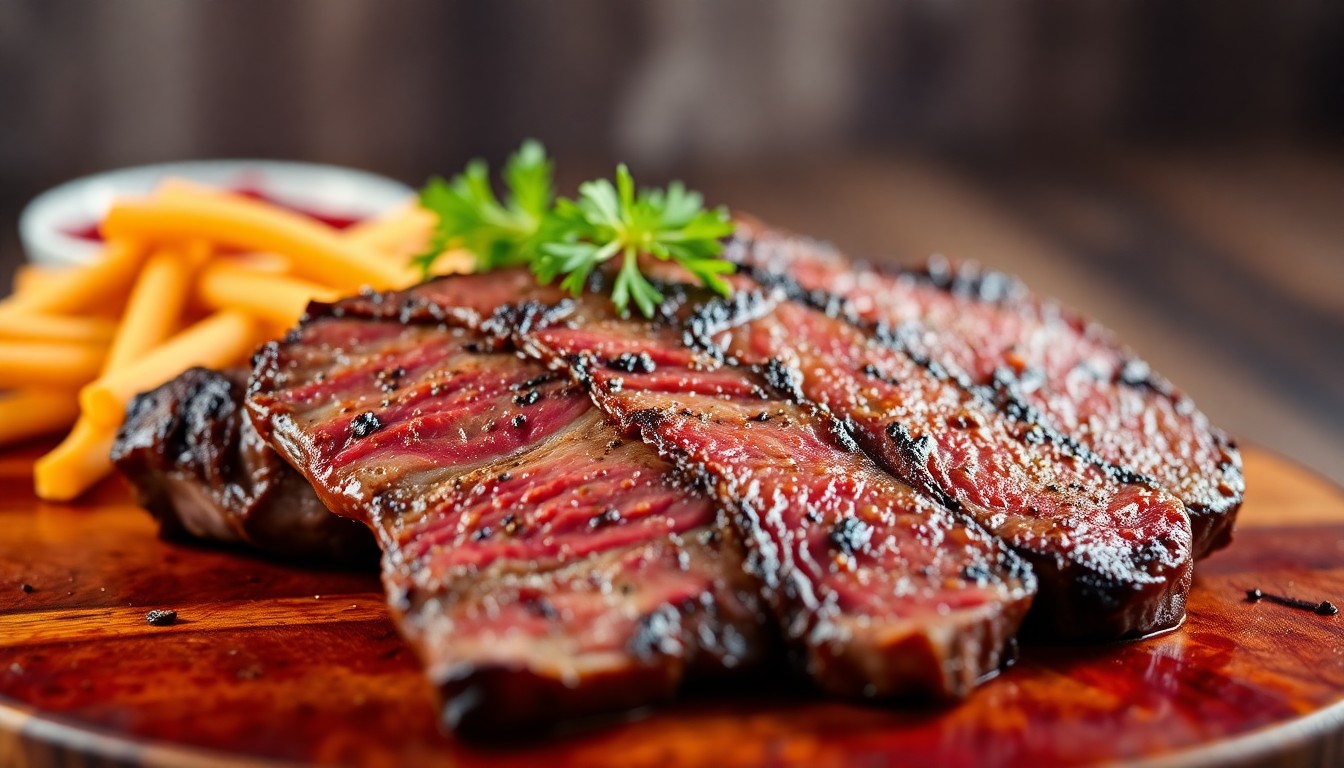
Introduction to the Carnivore Diet: What is a Meat-Only Diet?
Defining the Carnivore Diet and Meat-Only Diet
The carnivore diet, in its strictest form, is a way of eating that includes only animal products and excludes all plant-based foods. This means focusing on meat, fish, eggs, and sometimes certain animal-derived products.
- Strict definition: Only animal products. This typically includes muscle meat, organ meats, and animal fats.
- Variations: Some individuals include honey or dairy (like full-fat cheese and heavy cream) if they tolerate them well. These variations are still considered carnivore, but not necessarily strict carnivore.
- Distinction from Keto and Paleo: While the carnivore diet can be ketogenic (very low carb, resulting in ketosis), it’s distinct from a standard ketogenic diet, which allows for low-carb vegetables, nuts, and seeds. It’s also different from Paleo, which emphasizes whole, unprocessed foods but includes fruits, vegetables, and nuts. The carnivore diet is far more restrictive.
- Concept of an Animal-Based Diet as a broader spectrum: The term animal-based diet is sometimes used to describe a broader spectrum of diets that prioritize animal foods but may include small amounts of less-toxic plant foods, like fruit or honey. The carnivore diet sits at the most restrictive end of this spectrum.
The Why Behind Meat-Only Living: Exploring the Core Principles
So, why would someone choose to eat only meat? There are several core principles driving the meat-only approach:
- Elimination of plant-based toxins and antinutrients: Plants contain natural compounds that can act as defense mechanisms against predators. These include lectins, phytates, oxalates, and others. Some people believe these compounds can contribute to inflammation, gut issues, and nutrient absorption problems.
- Focus on nutrient density: Animal products, especially organ meats, are incredibly nutrient-dense, providing a wide range of vitamins, minerals, and essential fatty acids in bioavailable forms.
- Simplicity and ease of meal planning: The carnivore diet is remarkably simple. Meal planning becomes straightforward when you’re focusing on a single food group.
- Potential gut health benefits: By eliminating potential irritants, the carnivore diet may help some individuals heal their gut lining and improve digestive issues.
Beginner Carnivore: Your First Steps into the Meat-Only World
Transitioning to a Carnivore Diet: Gradual vs. Cold Turkey
There are two main approaches to starting a carnivore diet:
- Gradual Transition: This involves slowly reducing plant-based foods and increasing animal products over weeks or even months. This can be easier on the body and minimize adaptation symptoms.
- Cold Turkey: This involves immediately switching to a 100% animal-based diet. Some people prefer this approach for its simplicity and immediate results, but it can lead to more intense adaptation symptoms.
Pros and cons of each approach:
- Gradual:
- Pros: Less shocking to the system, easier to manage, allows for experimentation with different animal products.
- Cons: Can be slower to see results, may prolong the adaptation period.
- Cold Turkey:
- Pros: Faster results, simpler meal planning, clear dietary boundaries.
- Cons: Higher risk of keto flu symptoms, can be challenging to stick to initially.
Recommendations for minimizing keto flu or adaptation symptoms:
- Stay Hydrated: Drink plenty of water.
- Electrolyte Supplementation: Ensure adequate intake of sodium, potassium, and magnesium. Bone broth is an excellent source.
- Increase Fat Intake: Fat is your primary fuel source on a carnivore diet.
- Rest: Allow your body time to adjust.
Importance of listening to your body: Pay attention to how you feel and adjust your approach as needed. There’s no one-size-fits-all answer.
Building Your Carnivore FAQ: Essential Foods and Drinks
Here’s a breakdown of what you can eat on a carnivore diet:
- Meat: Beef, lamb, pork, poultry (chicken, turkey, duck), game meats (venison, elk). Fatty cuts are preferred.
- Organ meats: Liver, kidney, heart, brain, etc. These are nutritional powerhouses and should be included regularly.
- Fish and seafood: Fatty fish like salmon, mackerel, sardines, and herring are emphasized.
- Eggs: A crucial source of nutrients, especially choline and healthy fats.
- Animal fats: Tallow, lard, butter (if tolerated), ghee (clarified butter, often better tolerated than regular butter).
- Drinks: Water is the primary beverage. Bone broth is highly recommended for its electrolytes and nutrients. Plain sparkling water may be acceptable for some.
- Salt and Electrolytes: Use salt liberally, and consider supplementing with electrolytes, especially during the initial adaptation phase.
What to Avoid on a Zero Carb, Meat-Only Diet
This is just as important as what to eat:
- All plant-based food: This includes fruits, vegetables, grains, legumes, nuts, seeds, and vegetable oils.
- Processed foods and additives: Avoid anything with added sugars, artificial sweeteners, preservatives, or other chemicals.
- Sugar and sweeteners: This includes honey, maple syrup, agave, and artificial sweeteners.
- Most dairy: Depending on individual tolerance, some people may be able to include small amounts of full-fat, hard cheeses or heavy cream. However, many find dairy to be problematic.
- Most condiments: Most condiments contain added sugars, vegetable oils, or other non-carnivore ingredients. Stick to salt, pepper, and perhaps some simple spices (if tolerated).
Unpacking the Potential Carnivore Benefits
Weight Management and Body Composition
- Impact on satiety and appetite regulation: Animal protein and fat are highly satiating, meaning they keep you feeling full for longer. This can lead to a natural reduction in calorie intake.
- Potential for fat loss: The carnivore diet often leads to a ketogenic state, where the body burns fat for fuel.
- Muscle preservation and growth: The high protein content supports muscle maintenance and growth, especially when combined with resistance training.
Improved Digestive Health
- Elimination of common gut irritants: Many plant-based foods contain compounds that can irritate the gut lining.
- Potential for healing leaky gut: By removing irritants and providing essential nutrients, the carnivore diet may help support gut lining repair.
- Reduced bloating and gas (for some individuals): Many people report a significant reduction in bloating and gas after switching to a carnivore diet.
Mental Clarity and Energy Levels
- Anecdotal reports of improved focus and concentration: Many carnivore dieters report experiencing enhanced mental clarity and focus.
- Stable energy levels throughout the day: The carnivore diet can help stabilize blood sugar levels, leading to more consistent energy.
- Potential benefits for mood and mental well-being: Some individuals report improvements in mood and a reduction in symptoms of anxiety and depression.
Skin Health Improvements
- Anecdotal evidence of reduced acne and eczema: Many people report improvements in skin conditions like acne and eczema.
- Potential connection between gut health and skin conditions: A healthy gut is often reflected in healthy skin.
Autoimmune Conditions and the Carnivore Diet
- The elimination aspect and potential reduction in inflammation: By removing potential triggers, the carnivore diet may help reduce inflammation associated with autoimmune conditions.
- Anecdotal reports of symptom improvement: There are numerous anecdotal reports of individuals with autoimmune conditions experiencing significant symptom relief on a carnivore diet.
- Importance of medical supervision: It’s crucial to work with a healthcare professional if you have an autoimmune condition and are considering a carnivore diet.
Addressing Common Concerns and Myths: A Deeper Dive into the Carnivore FAQ
Nutrient Deficiencies: A Realistic Assessment
- Vitamin C: While fresh meat contains some vitamin C, organ meats, especially liver, are a good source. The body’s vitamin C requirements may also be lower on a low-carbohydrate diet.
- Fiber: The carnivore diet contains no fiber. However, the idea that fiber is essential for everyone is being increasingly challenged. Many people thrive without it.
- Other micronutrients: Ensuring adequate intake of other micronutrients is crucial. This is where organ meats, eggs, and fatty fish become particularly important.
Cholesterol and Heart Health: Separating Fact from Fiction
- The evolving understanding of dietary cholesterol: Dietary cholesterol has a minimal impact on blood cholesterol levels for most people.
- Importance of considering individual risk factors: Family history, genetics, and other lifestyle factors play a significant role in heart health.
- Distinction between LDL particle size and total cholesterol: The size and density of LDL particles are more important indicators of heart disease risk than total LDL cholesterol.
Sustainability and Ethical Considerations
- Regenerative agriculture and its potential: Regenerative grazing practices can actually improve soil health and sequester carbon.
- Sourcing meat ethically and responsibly: Choose meat from animals raised on pasture, using sustainable and humane practices whenever possible.
- Addressing environmental concerns: The environmental impact of meat production is a complex issue. Supporting regenerative agriculture is a way to mitigate some of these concerns.
Long-Term Health on a Meat-Only Diet: What the Research (and Lack Thereof) Says
- Current limitations of long-term studies: There are very few long-term studies on the carnivore diet.
- Importance of individual monitoring and bloodwork: Regular blood tests are essential to monitor your health markers and identify any potential issues.
- Acknowledging the need for more research: More research is needed to fully understand the long-term effects of the carnivore diet.
- Case studies and anecdotal experiences: While not definitive proof, case studies and anecdotal reports provide valuable insights.
Practical Tips for Success on your Beginner Carnivore Journey
Meal Planning and Preparation: Keeping it Simple
- Batch cooking strategies: Cook large quantities of meat at once to save time and effort.
- Easy Carnivore Diet recipes: Simple recipes like steak, burgers, roasted chicken, and pan-fried fish are staples.
- Tips for eating out: Choose restaurants that offer simple meat dishes, and don’t be afraid to ask for modifications (e.g., no sauces, no sides).
Listening to Your Body and Adapting
- Tracking your progress and making adjustments: Keep a food journal and track how you feel.
- Identifying potential food sensitivities: Some people may be sensitive to certain types of meat or animal products.
- The importance of bio-individuality: What works for one person may not work for another.
Finding Support and Resources
- Online communities: There are online communities dedicated to the carnivore diet.
- Books and Articles: Many books and articles are available to help you learn more.
- Qualified practitioners: Seek out a healthcare professional or nutritionist who is knowledgeable about the carnivore diet.
Electrolyte Management on the Carnivore Diet
- Importance of sodium, potassium, and magnesium: These electrolytes are crucial for maintaining fluid balance, nerve function, and muscle contractions.
- Signs of electrolyte imbalance: Headaches, fatigue, muscle cramps, and dizziness can be signs of electrolyte imbalance.
- Strategies for maintaining optimal levels: Use salt liberally, consume bone broth, and consider supplementing with electrolytes if needed.
Cost of a Carnivore Diet
- Comparing and contrasting it to other diets: The carnivore diet can be more expensive than a diet that includes a lot of cheap, processed foods, but it can be comparable in cost to other whole-food diets.
- How to save money when eating a meat only diet:
- Buying in bulk: Purchase meat in bulk from butchers or farmers’ markets.
- Choose less expensive cuts of meat: Ground beef, chuck roast, and chicken thighs are more affordable options.
- Utilize organ meats: Organ meats are often very inexpensive and incredibly nutrient-dense.
Is the Carnivore Diet Right for You? Important Considerations
Considering your individual health status and goals.
Think about your current health, any underlying conditions, and your specific goals. The carnivore diet may be beneficial for some conditions, but it’s not a magic bullet for everyone.
Consulting with a health professional.
It’s essential to talk to your doctor or a qualified nutritionist before starting a carnivore diet, especially if you have any health concerns.
Understanding potential risks.
While many people thrive on a carnivore diet, there are potential risks, such as nutrient deficiencies if not done properly. Be informed and take precautions.
Making an informed decision.
Weigh the potential benefits and risks, do your research, and make an informed decision that’s right for you.
Frequently Asked Questions
Can I drink coffee on the carnivore diet?
Ideally, no. Coffee is a plant-based product. However, some people tolerate it and include it in small amounts. If you do drink coffee, it’s best to drink it black, without any added sugar or milk.
What about spices?
Pure spices (without added sugar or anti-caking agents) are generally accepted by most people on the carnivore diet. Start with small amounts and see how you tolerate them.
How long does it take to adapt to the carnivore diet?
The adaptation period varies from person to person. It can take anywhere from a few days to several weeks or even months to fully adapt. Electrolyte management is crucial during this time.
Can I exercise on the carnivore diet?
Absolutely! Many people find they have excellent energy levels for exercise on a carnivore diet. However, you may need to adjust your electrolyte intake, especially if you’re sweating a lot.
Will I be hungry all the time?
Most people find that they are much less hungry on a carnivore diet due to the high satiety of protein and fat.
Is the carnivore diet safe for children?
This is a complex issue and should be discussed with a pediatrician or a qualified nutritionist who is knowledgeable about the carnivore diet. There are potential risks and benefits to consider. It is not generally recommended without professional guidance.
Conclusion
The carnivore diet offers a unique approach to eating, focusing on nutrient-dense animal products and eliminating plant-based foods. The potential carnivore benefits include weight management, improved digestive health, increased mental clarity, better skin health, and potential relief from autoimmune symptoms. It simplifies meal planning, emphasizes bioavailable nutrients, and may help address underlying gut issues. However, it’s crucial to approach this way of eating with careful consideration, proper planning, and guidance from a healthcare professional. By focusing on high-quality meat, organ meats, and adequate electrolytes, and by listening to your body’s individual needs, you can explore whether the meat-only lifestyle is a good fit for you.