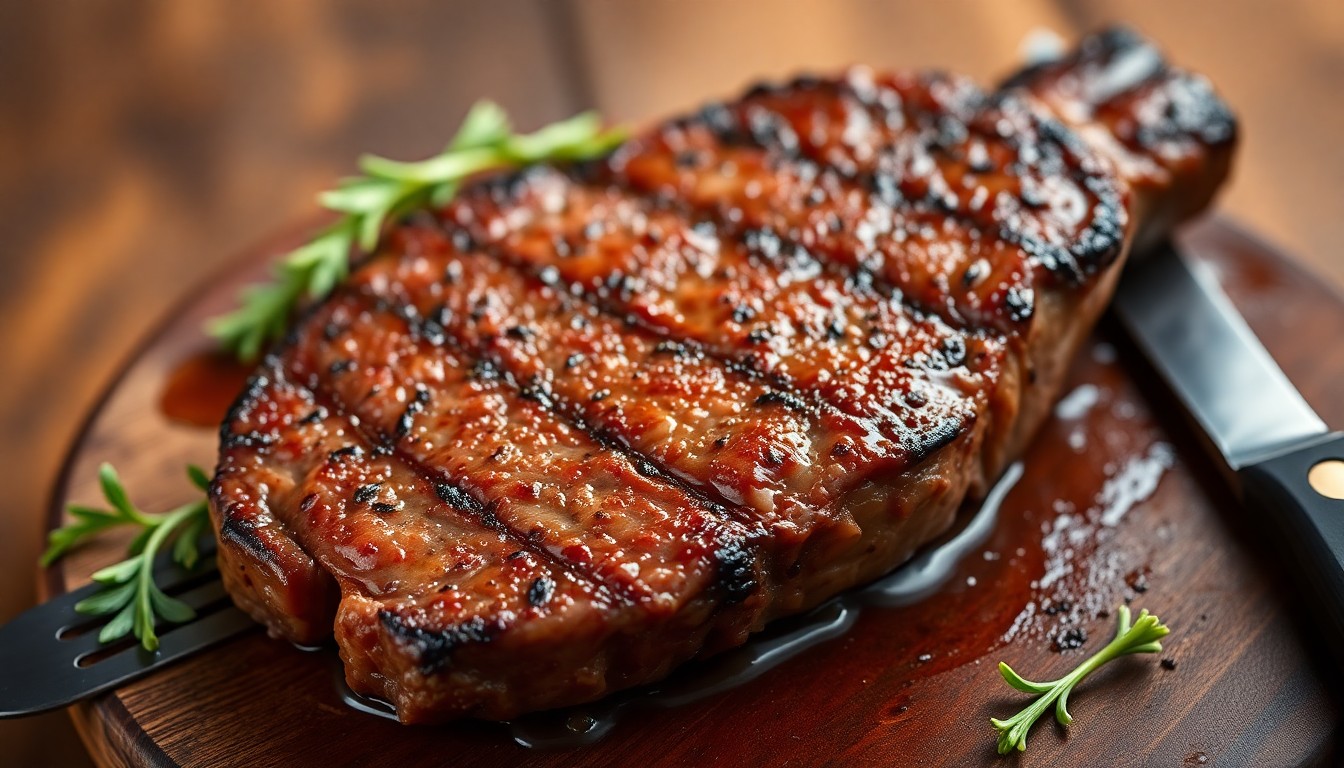
Introduction to the All-Meat Diet
What is an All-Meat Diet? Defining the Carnivore Lifestyle
Defining the Carnivore Diet: Beyond Just Steak
The Carnivore Diet, also known as an All-Meat Diet, is exactly what it sounds like: a diet consisting exclusively of animal products. It’s a way of eating that eliminates all plant-based foods, focusing solely on the nutritional power of meat and other animal-sourced foods.
There are different “levels” to the All-Meat Diet. Some individuals follow a strict carnivore approach, consuming only meat (primarily beef), water, and salt. Others are “carnivore-ish,” incorporating foods like eggs, dairy (if tolerated), and perhaps some spices. The key is the complete exclusion of plant matter.
Acceptable foods include:
- Red meat (beef, lamb, bison, venison, etc.)
- Poultry (chicken, turkey, duck)
- Fish (salmon, tuna, mackerel, sardines, etc.)
- Seafood (shrimp, crab, lobster)
- Eggs (potentially, depending on individual tolerance)
- Organ Meats (Liver, Heart, Kidneys, etc.)
Foods to avoid are all plant-based, including:
- Fruits
- Vegetables
- Grains
- Legumes
- Nuts
- Seeds
It’s important to highlight that this is also a Zero Carb approach. Since carbohydrates are primarily found in plant-based foods, eliminating them results in a diet virtually devoid of carbohydrates.
The Core Principles of an Animal-Based Diet
The Carnivore Diet is built upon a few core principles:
- Nutrient Density: Animal products are incredibly nutrient-dense, providing a wide array of essential vitamins, minerals, and amino acids in readily absorbable forms.
- Elimination of Plant Toxins and Antinutrients: Plants contain natural compounds that can interfere with nutrient absorption or cause digestive issues in some individuals. The Carnivore Diet eliminates these potential irritants.
- Bioavailability: The nutrients found in animal products are often more bioavailable than those found in plants. This means your body can absorb and utilize them more efficiently.
Potential Meat Benefits: Exploring the Claims of the Carnivore Diet
Weight Management and the Carnivore Diet Results
Many people turn to the Carnivore Diet for weight loss, and there are several reasons why it can be effective:
- Ketosis and Fat Burning: By eliminating carbohydrates, the Carnivore Diet forces your body to enter a state of ketosis. In ketosis, your body switches from burning glucose (sugar) for fuel to burning fat.
- Increased Satiety and Reduced Cravings: Protein and fat are highly satiating, meaning they keep you feeling full and satisfied for longer. This can lead to a natural reduction in calorie intake and fewer cravings.
- Anecdotal Evidence and Potential Mechanisms: While more research is needed, many individuals report significant weight loss on the Carnivore Diet. The combination of ketosis, increased satiety, and potential hormonal changes likely plays a role.
Improved Digestive Health
The Carnivore Diet can be surprisingly beneficial for digestive health for some individuals:
- Eliminating Fiber and Potential Gut Irritants: While fiber is often touted as essential for digestion, it can be problematic for some people. The Carnivore Diet eliminates fiber, along with other potential gut irritants like gluten and lectins.
- Anecdotes of Reduced Bloating, Gas, and Other Digestive Issues: Many people report a significant reduction in bloating, gas, and other digestive complaints after switching to an All-Meat Diet.
- Addressing Potential Concerns About Lack of Fiber (short-term vs. long-term): It’s true that fiber is important for gut health in the long term. However, the gut microbiome can adapt to a Zero Carb diet. Many long-term carnivores report excellent digestive health. The initial adaptation period may involve some changes in bowel movements.
Potential Mental Clarity and Energy Levels
Another reported benefit of the Carnivore Diet is improved mental clarity and energy levels:
- Stable Blood Sugar and Insulin Levels: Eliminating carbohydrates leads to more stable blood sugar and insulin levels. This can prevent the energy crashes and mood swings often associated with high-carb diets.
- Anecdotal Reports of Improved Focus and Reduced Brain Fog: Many individuals report experiencing improved focus, concentration, and reduced brain fog on the Carnivore Diet.
- Potential Role of Ketones as Brain Fuel: Ketones, produced during ketosis, can be an efficient fuel source for the brain.
Autoimmune Conditions and Inflammation
The Carnivore Diet is sometimes used as an elimination diet to help manage autoimmune conditions:
- The Elimination Diet Aspect of the Carnivore Diet: By eliminating all plant-based foods, the Carnivore Diet removes many potential triggers for inflammation and autoimmune reactions.
- Anecdotal Evidence of Symptom Improvement in Some Autoimmune Conditions: Some individuals with autoimmune conditions like Crohn’s disease, ulcerative colitis, and rheumatoid arthritis report significant symptom improvement on the Carnivore Diet.
- Important Disclaimer: The Carnivore Diet is not a cure for autoimmune conditions, and individual results vary greatly. It’s crucial to work with a healthcare professional if you have an autoimmune condition and are considering this diet.
Skin Health Improvements
Some people notice positive changes in their skin after adopting a carnivore diet:
- Anecdotal Evidence, Connection to Inflammation Reduction: Reduced systemic inflammation, a potential benefit of the carnivore diet, can sometimes manifest as clearer skin.
- Potential Role of Specific Nutrients in Meat: Meat is rich in nutrients like collagen, zinc, and certain B vitamins, all of which play a role in skin health.
Carnivore FAQs: Addressing Common Concerns and Questions
Is the Carnivore Diet Safe Long-Term?
This is a common concern, and the answer is complex. While long-term studies on the Carnivore Diet are limited, many individuals have followed it for years with positive results. Addressing potential nutrient deficiencies is crucial:
- Addressing Concerns About Nutrient Deficiencies: Certain nutrients, like vitamin C and some B vitamins, are less abundant in muscle meat.
- The Importance of Organ Meats and Variety: Including organ meats, like liver, is essential for providing a wider range of nutrients. Eating a variety of animal products, including fish and eggs (if tolerated), can also help.
- The Need for Ongoing Monitoring and Potential Supplementation: Regular blood tests are recommended to monitor nutrient levels. Supplementation with electrolytes (sodium, potassium, magnesium) is often necessary, and some individuals may need to supplement with specific vitamins.
What About Fiber? Won’t I Get Constipated?
Fiber is often associated with regular bowel movements, but the body can adapt to a Zero Carb diet:
- The Body’s Adaptation to a Zero Carb Diet: Your gut microbiome will change on a Carnivore Diet. Some bacteria that thrive on fiber will decrease, while others that thrive on protein and fat will increase.
- The Role of Gut Bacteria Changes: These changes in gut bacteria can affect bowel movements.
- Strategies for Managing Potential Initial Constipation: Staying well-hydrated, consuming enough fat, and supplementing with magnesium can help manage potential initial constipation.
Isn’t Red Meat Bad for Your Heart?
This is a misconception based on outdated and often conflicting information:
- Addressing Outdated and Conflicting Information About Saturated Fat and Cholesterol: The link between saturated fat, dietary cholesterol, and heart disease has been increasingly questioned in recent research.
- Differentiating Between Processed and Unprocessed Red Meat: Processed meats, like bacon and sausage, are often high in sodium and other additives and may have negative health effects. Unprocessed red meat, on the other hand, is a nutrient-rich food.
- The Importance of Overall Dietary Context: The health effects of red meat need to be considered within the context of the overall diet. A diet high in processed foods, sugar, and refined carbohydrates is likely to be more detrimental to heart health than a diet that includes unprocessed red meat.
How Do I Start an All-Meat Diet?
There are different approaches to starting the Carnivore Diet:
- Gradual Transition vs. “Cold Turkey”: Some people prefer a gradual transition, slowly eliminating plant-based foods over time. Others go “cold turkey,” eliminating all plant-based foods at once.
- Sample Meal Ideas:
- Breakfast: Steak and eggs (if tolerated)
- Lunch: Ground beef with salt
- Dinner: Salmon or ribeye steak
- Tips for Staying Hydrated and Managing Electrolytes: It’s crucial to drink plenty of water and supplement with electrolytes (sodium, potassium, magnesium), especially during the adaptation period.
- Importance of Listening to Your Body: Pay attention to how you feel and adjust your diet accordingly.
What are the Potential Side Effects?
Some people experience side effects during the initial adaptation period:
- The “Keto Flu” or Adaptation Period: This can involve symptoms like fatigue, headache, muscle cramps, and digestive upset. These symptoms are usually temporary and can be mitigated by staying hydrated and supplementing with electrolytes.
- Changes in Bowel Movements: Constipation or diarrhea can occur initially as your gut adjusts.
- Potential Electrolyte Imbalances: It’s crucial to supplement with electrolytes to prevent imbalances.
Can I Eat Dairy on a Carnivore Diet?
There are differing opinions on dairy:
- Different Perspectives on Dairy Inclusion: Some carnivores include dairy, while others avoid it.
- Potential Sensitivities to Lactose and Casein: Many people are sensitive to lactose (the sugar in milk) or casein (a protein in milk).
- Choosing High-Quality, Full-Fat Dairy (if tolerated): If you choose to include dairy, opt for high-quality, full-fat options like butter, heavy cream, and hard cheeses.
What About Supplements?
Certain supplements may be beneficial on a Carnivore Diet:
- Electrolytes (sodium, potassium, magnesium): These are essential for maintaining hydration and preventing muscle cramps.
- Vitamin D (especially if limited sun exposure): Many people are deficient in vitamin D, regardless of their diet.
- Other Potential Supplements Based on Individual Needs and Blood Tests: Some individuals may need to supplement with other nutrients, depending on their individual needs and blood test results.
How to deal with social situations and eating out?
- Strategies for navigating restaurants:
Order plain meat dishes (steak, burgers without the bun, grilled chicken). Ask for no sauces or seasonings that may contain sugar or other non-carnivore ingredients. - Communicating dietary needs to others:
Be upfront and explain your dietary choices. Most people are understanding and accommodating.
Is the Carnivore Diet sustainable?
- The long-term aspect:
Many individuals have successfully maintained a carnivore diet for extended periods, reporting sustained benefits. - Budgeting:
The cost can vary depending on meat choices. Opting for ground beef and less expensive cuts can help manage expenses. - Finding meat sources:
Explore local butchers, farmers’ markets, and online retailers for quality meat sources.
The Importance of Individualized Approach and Medical Supervision
Consulting with a Healthcare Professional
It’s crucial to consult with a healthcare professional before starting the Carnivore Diet, especially if you have any pre-existing health conditions. They can help you monitor your health, identify any potential nutrient deficiencies, and adjust your diet as needed.
This diet is not a “one-size-fits-all” solution.
Listening to Your Body’s Signals
Pay close attention to how your body is responding to the change in diet. Note any changes in energy, digestion, sleep, or overall well-being.
Be prepared to make adjustments. If you experience persistent negative symptoms, consider modifying your approach or consulting with your healthcare provider.
Resources and Further Research with the Carnivore FAQs
Expand your knowledge by exploring reputable resources:
- Websites: Look for websites of doctors and nutritionists who specialize in the carnivore diet.
- Books: Several books offer in-depth information on the science and practice of the carnivore diet.
- Communities: Online forums and social media groups can provide support and shared experiences.
- Scientific Studies: Seek out published research on low-carbohydrate and ketogenic diets, as well as studies specifically focusing on the carnivore diet (though these are currently limited).
Frequently Asked Questions
Q: Can I drink coffee or tea on the Carnivore Diet?
A: Strictly speaking, coffee and tea are plant-based and therefore excluded on a strict carnivore diet. However, some individuals choose to include them, especially black coffee or plain tea without any additives. It depends on your personal level of strictness and how your body tolerates them.
Q: What about alcohol?
A: Alcohol is generally not recommended on the carnivore diet. It is derived from plants (grains, fruits, etc.) and can interfere with ketosis and overall health goals.
Q: How long does it take to see results on the Carnivore Diet?
A: Results vary greatly depending on individual factors like starting weight, metabolic health, and adherence to the diet. Some people experience noticeable changes within the first few weeks, while others may take longer. Weight loss, improved energy levels, and digestive improvements are commonly reported early on.
Conclusion
The Carnivore Diet offers a unique approach to eating, focusing on the nutrient density and bioavailability of animal products. The potential Meat Benefits include weight management, improved digestive health, increased mental clarity, and potential relief from autoimmune symptoms. It’s a Zero Carb, Animal-Based Diet that emphasizes the elimination of plant-based foods and their potential antinutrients. While anecdotal evidence and Carnivore Diet Results are promising, it’s essential to approach this diet with caution, under medical supervision, and with a commitment to ongoing monitoring and potential supplementation. The Carnivore FAQs section addressed common concerns, highlighting the importance of individualization and listening to your body. Ultimately, the Carnivore Diet can be a powerful tool for some, but it’s not a one-size-fits-all solution.