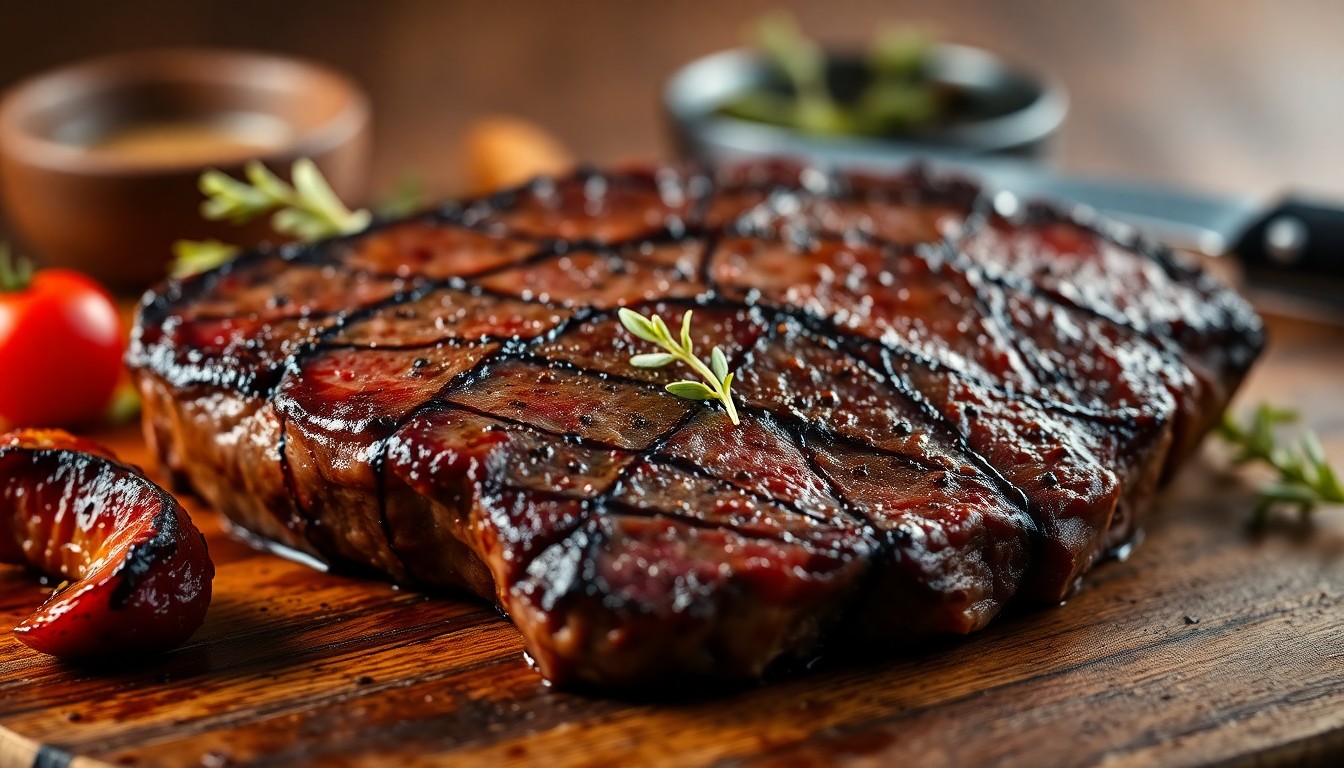
Welcome to Meat Only Living, your dedicated resource for exploring the carnivore diet! In this post, we’ll delve into the potential benefits of an all-meat diet, covering everything from weight loss and gut health to mental clarity and beyond. We’ll explore the science, bust some myths, and provide practical tips for those considering this way of eating.
Introduction: What is an All-Meat Diet?
Defining the Carnivore Diet (Meat Diet/Animal-Based Diet)
The carnivore diet, also known as the meat diet or animal-based diet, is a way of eating that focuses exclusively on animal products. This means consuming meat, fish, and, depending on the individual’s approach, other animal-derived foods. It’s about prioritizing animal-sourced nutrition.
It’s important to distinguish between different variations. A strict carnivore diet typically includes only meat, salt, and water. Other variations may incorporate dairy products (like cheese and yogurt), eggs, and even small amounts of honey. The common thread is the complete elimination of plant-based foods.
Historically, many cultures have thrived on diets predominantly consisting of animal products. While we’re not suggesting a direct return to a specific ancestral diet, understanding this historical context can provide valuable insights into human adaptability and nutritional needs.
Is it an Extreme Elimination Diet?
Compared to standard Western diets, the carnivore diet is undoubtedly restrictive. It eliminates entire food groups, including fruits, vegetables, grains, legumes, and nuts. However, it can be viewed as a powerful form of elimination diet.
The primary goal of an elimination diet is to identify food sensitivities and intolerances. By removing potential triggers, individuals can often experience significant improvements in various health markers. The carnivore diet, in this sense, acts as the ultimate elimination diet, allowing the body to reset and heal.
The Carnivore Diet is often confused with a Ketogenic Diet. While both involve carbohydrate restriction, they are not the same. A ketogenic diet focuses on macronutrient ratios (high fat, moderate protein, very low carb) to induce ketosis. The carnivore diet naturally induces ketosis, but it doesn’t prescribe specific macronutrient targets beyond consuming only animal products.
Busting Myths: Common Misconceptions about the Carnivore Diet
The carnivore diet often faces criticism and skepticism. Common concerns include:
- Nutrient Deficiencies: The idea that a meat-only diet lacks essential vitamins and minerals is a prevalent myth. We’ll address this later, highlighting the nutrient density of organ meats and the body’s ability to adapt.
- Fiber Intake: The belief that fiber is absolutely essential for gut health is challenged by the carnivore diet. We’ll explore this in detail in the gut health section.
- Sustainability: Concerns about the environmental impact of an all-meat diet are valid and complex. We encourage sourcing meat from sustainable and ethical farms whenever possible.
By addressing these misconceptions head-on, we can pave the way for a more informed understanding of the potential benefits.
Weight Loss on the Carnivore Diet: A Powerful Tool
The Science of Satiety: Protein and Fat Powerhouse
One of the most frequently reported benefits of the carnivore diet is significant weight loss. This is largely due to the profound impact of protein and fat on satiety – the feeling of fullness and satisfaction after eating.
Meat is incredibly satiating. Protein and fat trigger the release of hormones like peptide YY (PYY) and cholecystokinin (CCK), which signal fullness to the brain. They also help to regulate ghrelin (the hunger hormone) and leptin (the satiety hormone), leading to reduced cravings and a natural decrease in calorie intake.
Anecdotal evidence and some studies suggest that individuals on a carnivore diet often feel fuller for longer periods, consuming fewer calories overall without feeling deprived.
Ketosis and Fat Burning: The Metabolic Shift
The carnivore diet, by its very nature, is a very low-carbohydrate diet. This induces a metabolic state called ketosis, a cornerstone of the Ketogenic Diet principles. In ketosis, the body switches from using glucose (derived from carbohydrates) as its primary fuel source to using ketones (derived from fat).
This metabolic shift has profound implications for weight loss. When the body is in ketosis, it becomes incredibly efficient at burning stored body fat for energy. This is why many people experience rapid and sustained weight loss on a carnivore diet.
Eliminating Processed Foods and Sugars: Cutting Out the Culprits
A significant advantage of the carnivore diet is the inherent elimination of processed foods, added sugars, and refined carbohydrates. These are major contributors to weight gain, insulin resistance, and various metabolic disorders.
By removing these elements, the carnivore diet promotes improved insulin sensitivity. Insulin is a hormone that regulates blood sugar levels. When insulin sensitivity is impaired (insulin resistance), the body struggles to process glucose effectively, leading to weight gain and other health problems. The carnivore diet helps to restore insulin sensitivity, facilitating weight loss and improving metabolic health.
Real-Life Success Stories: Carnivore Diet Weight Loss Transformations
Numerous individuals have shared their remarkable weight loss transformations on the carnivore diet. While individual results vary, many report significant weight loss, improved body composition, and increased energy levels. These stories, while anecdotal, highlight the potential of this way of eating for those struggling with weight management. (We encourage you to research documented case studies and personal testimonials online, always ensuring ethical sourcing and respecting privacy.)
Gut Health and the Carnivore Diet: A Surprising Connection?
Understanding the Gut Microbiome: The Foundation of Gut Health
The gut microbiome, a complex community of trillions of bacteria, fungi, and other microorganisms residing in the digestive tract, plays a crucial role in overall health. It influences digestion, immunity, and even mental well-being. The traditional view emphasizes the importance of dietary fiber for feeding beneficial gut bacteria.
The Elimination Diet Approach: Removing Potential Irritants
The carnivore diet, as an elimination diet, removes many common gut irritants that can contribute to digestive issues. These include:
- FODMAPs: Fermentable oligosaccharides, disaccharides, monosaccharides, and polyols, which can cause bloating, gas, and abdominal pain in sensitive individuals.
- Lectins: Proteins found in plants that can bind to the gut lining and interfere with nutrient absorption.
- Gluten: A protein found in wheat, barley, and rye that can trigger an autoimmune response in individuals with celiac disease or gluten sensitivity.
By eliminating these potential irritants, the carnivore diet can reduce inflammation in the gut and alleviate symptoms of conditions like irritable bowel syndrome (IBS), Crohn’s disease, and leaky gut. It’s crucial to emphasize that individuals with these conditions should consult with a healthcare professional before making any significant dietary changes.
The Role of Bile Acids: Supporting Fat Digestion and Gut Motility
Increased fat intake on the carnivore diet stimulates the production of bile acids in the liver. Bile acids are essential for emulsifying and digesting fats. They also play a role in gut motility, helping to move food through the digestive tract.
Some individuals with constipation find relief on a carnivore diet, potentially due to the increased bile acid production and improved gut motility. Again, it’s important to consult with a healthcare professional for any persistent digestive issues.
Reframing the Fiber Narrative: Is it Always Necessary?
The carnivore diet perspective challenges the conventional wisdom that fiber is universally essential for gut health. While fiber can be beneficial for some, it can also be problematic for others, particularly those with pre-existing gut issues. Excess fiber can exacerbate symptoms like bloating, gas, and abdominal pain.
Some proponents of the carnivore diet suggest that the body can produce short-chain fatty acids (SCFAs), traditionally associated with fiber fermentation, through other pathways, such as the breakdown of protein. Butyrate, a key SCFA, can be produced from the amino acid glutamine, abundant in meat.
Carnivore Diet and Autoimmune Conditions: Addressing the Root Cause?
There’s a growing body of evidence suggesting a link between gut health, inflammation, and autoimmune diseases. A compromised gut lining (leaky gut) can allow undigested food particles and toxins to enter the bloodstream, triggering an immune response and potentially contributing to autoimmune conditions.
The carnivore diet, by reducing gut inflammation and promoting gut healing, may help to improve symptoms of certain autoimmune conditions. Many individuals report improvements in conditions like rheumatoid arthritis, psoriasis, and Hashimoto’s thyroiditis. This is an area of ongoing research, and it’s crucial to work with a healthcare professional for managing autoimmune diseases.
Beyond Weight Loss and Gut Health: Other Potential Benefits
Mental Clarity and Focus: The Brain-Boosting Effects
Many individuals on a carnivore diet report experiencing improved mental clarity, focus, and cognitive function. This may be attributed to several factors:
- Ketosis: Ketones, produced during ketosis, are an efficient fuel source for the brain.
- Stable Blood Sugar Levels: The elimination of carbohydrates eliminates blood sugar spikes and crashes, leading to more consistent energy and mental focus.
- Essential Nutrients: Meat is rich in essential nutrients crucial for brain health, including B vitamins, iron, zinc, and choline.
Anecdotal reports often describe a sense of mental sharpness and improved concentration on a carnivore diet.
Improved Energy Levels: Sustained Fuel and Reduced Slumps
The carnivore diet provides a sustained source of energy from fat and protein. Unlike carbohydrates, which can lead to energy fluctuations and crashes, fat and protein provide a more stable and consistent energy supply.
This can lead to improved energy levels throughout the day, reduced afternoon slumps, and potentially enhanced athletic performance. Some athletes report increased endurance and strength on a carnivore diet, although more research is needed in this area.
Skin Health Improvements: Addressing Inflammation from Within
Diet plays a significant role in skin health. Inflammation is a key factor in many skin conditions, including acne, eczema, and psoriasis.
The carnivore diet, by reducing inflammation and eliminating potential dietary triggers, may contribute to improved skin health. Animal products are also rich in collagen, a protein essential for skin elasticity and hydration, and other nutrients like zinc and vitamin A, which are vital for skin health.
Reduced Inflammation: A Key Benefit of the Carnivore Diet
Chronic inflammation is a major contributor to various health problems, including heart disease, diabetes, and autoimmune diseases. The carnivore diet may reduce inflammation through multiple mechanisms:
- Eliminating Inflammatory Foods: Removing processed foods, sugars, and certain plant-based compounds can significantly reduce inflammation.
- Promoting Ketosis: Ketones have anti-inflammatory properties.
- Improving Gut Health: Reducing gut inflammation can have systemic anti-inflammatory effects.
By reducing inflammation, the carnivore diet may contribute to overall health and well-being, potentially mitigating the risk of chronic diseases. This ties back into the Benefits seen in other ares, like gut health and skin.
Potential Risks and Considerations
Nutritional deficiencies
While meat is nutrient-dense, a poorly planned carnivore diet could lead to deficiencies in certain vitamins and minerals, such as Vitamin C. To mitigate this risk, incorporating organ meats (liver, kidney, heart) is highly recommended. Organ meats are nutritional powerhouses, packed with vitamins and minerals that are often lacking in muscle meat. Supplementation may also be considered under the guidance of a healthcare professional.
Social and Practical Challenges
Following a carnivore diet can present social and practical challenges. Eating out, attending social events, and finding convenient meal options can be difficult. Meal preparation often requires more planning and effort.
Kidney health
There’s a common misconception that high protein intake is harmful to the kidneys. However, studies have shown that in healthy individuals, a high-protein diet does not negatively impact kidney function. Individuals with pre-existing kidney disease should consult with their doctor before making any dietary changes.
Who should avoid the Carnivore Diet?
Certain individuals should exercise caution or avoid the carnivore diet altogether. This includes people with pre-existing kidney disease, those with certain metabolic disorders (like Porphyria), and individuals taking specific medications that may interact with a high-protein diet. Pregnant and breastfeeding women should also consult with their healthcare provider before considering this diet. Always seek personalized medical advice.
Getting Started with the Carnivore Diet: A Practical Guide
Transitioning Gradually: Easing into the Meat Diet
Transitioning to a carnivore diet gradually is often recommended, especially for individuals accustomed to a standard Western diet. A sudden shift can lead to digestive upset and other temporary side effects, sometimes referred to as the keto flu.
Consider starting with a low-carb or ketogenic diet to prepare your body for fat adaptation. Then, gradually eliminate plant-based foods over a period of weeks or months. Listen to your body and adjust your approach as needed.
Choosing High-Quality Meats: Prioritizing Nutrient Density
Prioritize consuming high-quality meats, such as grass-fed beef, pasture-raised poultry, and wild-caught fish. These meats tend to have a better nutrient profile and fatty acid composition compared to conventionally raised animals.
As mentioned earlier, incorporating organ meats is crucial for maximizing nutrient intake. If you’re new to organ meats, start with small amounts and experiment with different recipes.
Finding affordable options can be challenging. Consider buying in bulk, purchasing less expensive cuts of meat, and looking for sales and discounts.
Hydration and Electrolytes: Essential for Success
Staying adequately hydrated is essential on any diet, but it’s particularly important on a carnivore diet. The elimination of carbohydrates can lead to increased water loss, and the body may require more electrolytes.
Electrolyte imbalances can cause symptoms like fatigue, headaches, muscle cramps, and dizziness. Ensure you’re replenishing electrolytes, particularly sodium, potassium, and magnesium. You can do this by adding salt to your food, consuming bone broth, or taking electrolyte supplements (under the guidance of a healthcare professional).
Monitoring Your Progress: Tracking and Adjusting
Tracking your food intake, symptoms, and progress can be helpful, especially in the initial stages of the carnivore diet. This allows you to identify any potential issues, make adjustments based on your individual needs, and monitor your overall progress.
Consider keeping a food journal, tracking your weight and body measurements, and noting any changes in your energy levels, digestion, sleep, and mental clarity.
It’s highly recommended to consult with a healthcare professional or a registered dietitian knowledgeable about the carnivore diet. They can provide personalized guidance, monitor your health markers, and help you address any potential concerns.
Sample Meal Plan
Here’s a 3-day sample meal plan to give you an idea of what a carnivore diet might look like:
Day 1
- Breakfast: Ribeye Steak
- Lunch: Ground Beef with Salt
- Dinner: Salmon with Salt
Day 2
- Breakfast: Eggs and Bacon
- Lunch: Lamb Chops
- Dinner: Chicken Thighs
Day 3
- Breakfast: Beef Liver (small portion) and Ground Beef
- Lunch: Sardines
- Dinner: Pork Chops
Remember to adjust portion sizes based on your individual needs and activity levels. Drink plenty of water and replenish electrolytes.
Frequently Asked Questions
Will I be deficient in vitamins on a carnivore diet?
A well-planned carnivore diet, particularly one that includes organ meats, can provide a wide range of essential vitamins and minerals. However, supplementation may be necessary for certain nutrients, like vitamin C, depending on individual needs and food choices. Consulting with a healthcare professional is recommended.
Is the carnivore diet sustainable long-term?
Many individuals have successfully followed a carnivore diet for extended periods. However, long-term sustainability depends on individual factors, including access to high-quality meat, personal preferences, and overall health status. Regular monitoring and adjustments are crucial.
Can I eat dairy on a carnivore diet?
Some variations of the carnivore diet include dairy products, particularly full-fat, unpasteurized options. However, others exclude dairy due to potential sensitivities or intolerances. It’s a matter of personal preference and tolerance.
How much should I eat on a carnivore diet?
Eat to satiety. Listen to your body’s hunger and fullness cues. There’s no need to count calories or restrict portions strictly. Focus on consuming enough protein and fat to feel satisfied.
What about fiber? Don’t I need it for gut health?
While fiber is traditionally considered essential for gut health, the carnivore diet challenges this notion. Many individuals experience improved gut health on a carnivore diet despite the absence of fiber. The body may produce necessary short-chain fatty acids through alternative pathways.
Conclusion
The carnivore diet offers a unique approach to nutrition, with potential benefits for weight loss, gut health, mental clarity, energy levels, and inflammation reduction. By prioritizing animal-sourced foods and eliminating potential dietary irritants, this animal-based diet can be a powerful tool for improving overall health and well-being. While it’s a restrictive approach, framing it as an elimination diet helps to understand its potential for identifying food sensitivities. The principles of the ketogenic diet apply, as ketosis is a natural consequence of the near-zero carbohydrate intake. However, the carnivore meat diet is not simply a ketogenic diet; it’s a distinct way of eating with its own set of principles and potential benefits. It’s crucial to approach the carnivore diet with careful planning, prioritize high-quality meats, stay hydrated, replenish electrolytes, and monitor your progress. Consulting with a healthcare professional is always recommended before making significant dietary changes.