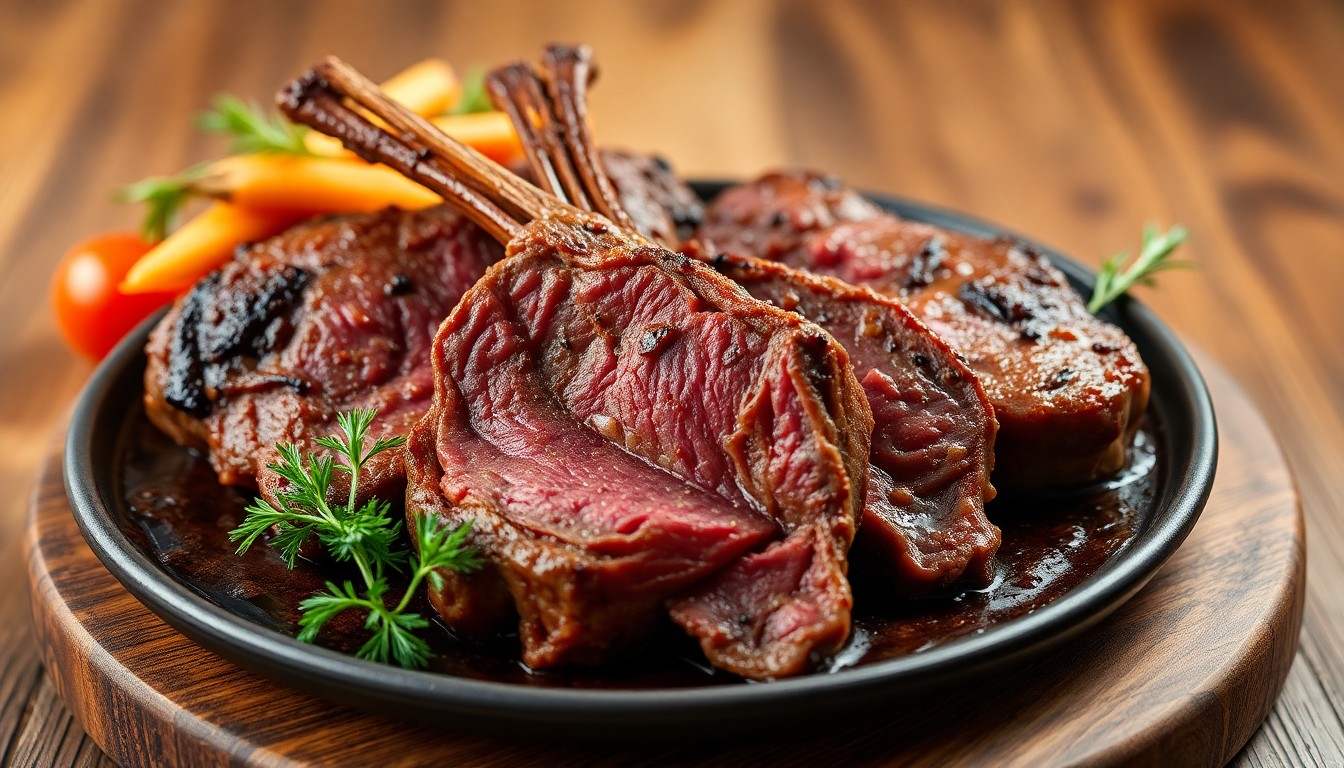
Introduction: Embracing The Carnivore Diet – A Radical Approach to Nutrition
What Exactly is an All-Meat Diet / Carnivore Diet?
The carnivore diet, also known as an all-meat diet, is a dietary approach that focuses exclusively on animal products. This primarily means consuming meat, including red meat, poultry, fish, and organ meats. There are different levels of strictness within the carnivore community. A strict carnivore diet consists solely of animal flesh and water. Variations may include eggs, dairy products (like cheese and heavy cream), and sometimes even small amounts of honey.
It’s worth noting the term “animal-based diet”. While often used interchangeably with carnivore, animal-based can sometimes refer to a diet that is predominantly animal products, but may still include small amounts of low-toxicity plant foods like fruit.
The Rise in Popularity of Zero Carb and Carnivore Diets
In recent years, there’s been a significant surge in interest in zero carb and carnivore diets. This is partly fueled by anecdotal success stories shared online and by prominent advocates of the diet. Many people report significant weight loss, improved digestive health, and increased mental clarity. However, it’s crucial to remember that anecdotal evidence, while compelling, isn’t a substitute for rigorous scientific research.
The carnivore diet stands in stark contrast to mainstream dietary guidelines, which typically emphasize fruits, vegetables, and whole grains. This difference often sparks debate and highlights the evolving understanding of human nutrition.
Exploring the Potential Meat Benefits: Why Go Carnivore?
Weight Management and Nutritional Ketosis
One of the primary reasons people turn to an all-meat diet is for weight management. By eliminating carbohydrates, the carnivore diet forces the body to enter a state of nutritional ketosis. In ketosis, your body switches from burning glucose (from carbohydrates) for fuel to burning fat. This can lead to significant fat loss, especially in the initial stages.
Furthermore, protein is highly satiating, meaning it helps you feel full and satisfied for longer. This can naturally lead to reduced calorie intake and contribute to weight loss. The combination of ketosis and increased protein intake makes the carnivore diet a potentially powerful tool for weight management.
Improved Digestive Health (For Some)
Many individuals with digestive issues report significant improvements on a Carnivore Diet. This is often attributed to the elimination of plant-based compounds that can be difficult to digest for some people, such as fiber, lectins, and oxalates. By removing these potential irritants, the digestive system may experience less bloating, gas, and other discomforts.
It’s important to acknowledge that this benefit isn’t universal. Some individuals may experience the opposite effect, at least initially. Emerging research is also exploring the impact of the carnivore diet on the gut microbiome. While some studies suggest potential benefits, more research is needed to fully understand the long-term effects.
Potential Reduction in Inflammation
The carnivore diet eliminates many plant compounds that are considered potentially inflammatory, such as lectins and oxalates. For individuals with autoimmune conditions or chronic inflammation, this elimination may lead to a reduction in symptoms. Some proponents suggest that the carnivore diet can help “reset” the immune system.
Meat, especially fatty fish, also contains anti-inflammatory nutrients like omega-3 fatty acids. These fatty acids play a crucial role in regulating inflammation in the body. However, it’s crucial to emphasize that while anecdotal evidence is promising, more research is needed to definitively link the carnivore diet to reduced inflammation and improvements in autoimmune conditions.
Mental Clarity and Focus
Many people on the carnivore diet report experiencing improved mental clarity, focus, and cognitive function. This could be attributed to several factors. First, ketones, produced during nutritional ketosis, are an efficient fuel source for the brain. Second, the carnivore diet eliminates sugar and processed foods, which are known to contribute to brain fog and energy crashes.
The stable blood sugar levels associated with a zero carb diet may also contribute to improved cognitive function. However, much of the evidence for improved mental clarity on the carnivore diet remains anecdotal.
Simplicity and Elimination of Food Sensitivities
One of the appealing aspects of the carnivore diet is its simplicity. There’s no need to count calories or track macros meticulously. The focus is on eating whole, unprocessed animal products.
The carnivore diet also serves as an effective elimination diet. By consuming only meat, you eliminate virtually all potential food allergens and sensitivities. This can help identify trigger foods that may be contributing to various health issues. After a period of strict carnivore, foods can be slowly reintroduced one at a time to pinpoint sensitivities.
Carnivore FAQs: Addressing Common Questions and Concerns
Carnivore FAQs: Nutrient Deficiencies – Will I Get Enough Vitamins and Minerals?
One of the most common concerns about the carnivore diet is the potential for nutrient deficiencies. People often worry about getting enough Vitamin C, fiber, and other nutrients typically associated with plant foods.
However, organ meats, such as liver, are incredibly nutrient-dense and provide a wide range of vitamins and minerals, including Vitamin C. A well-formulated carnivore diet that includes organ meats can provide a surprisingly complete nutritional profile.
It’s still wise to consider supplementation, especially for electrolytes (sodium, potassium, magnesium), particularly during the initial adaptation phase. Individual needs vary, so it’s crucial to get blood work done regularly to monitor nutrient levels and adjust the diet or supplementation as needed.
Carnivore FAQs: Cholesterol and Heart Health
Concerns about saturated fat and cholesterol are common when considering an all-meat diet. Traditional dietary advice has long warned against high saturated fat intake, linking it to heart disease.
However, current research is challenging this traditional view. Many studies now suggest that saturated fat may not be as harmful as previously thought, and that the relationship between dietary cholesterol and blood cholesterol is complex.
It’s crucial to consider individual risk factors, such as family history and pre-existing conditions. Consulting with a healthcare professional is essential before making significant dietary changes. Understanding the different types of cholesterol (HDL, LDL) and their significance is also important. High levels of HDL (“good” cholesterol) are generally considered protective, while high levels of LDL (“bad” cholesterol) may be a concern, particularly in the context of other risk factors.
Carnivore FAQs: Fiber and Gut Health
The lack of fiber in the carnivore diet is another frequent concern. Fiber is traditionally considered essential for digestive health and regular bowel movements.
However, emerging research on the gut microbiome in the context of a zero carb diet is challenging this assumption. Some studies suggest that the gut microbiome can adapt to a no-fiber diet, and that fiber may not be as essential as previously believed for everyone.
It’s important to acknowledge that individuals may experience changes in bowel habits on the carnivore diet. Some may experience constipation, while others may experience more frequent bowel movements. Listening to your body and adjusting the diet accordingly is crucial.
Carnivore FAQs: Sustainability and Ethical Considerations
The environmental impact of meat production is a significant concern. Raising livestock requires considerable resources, including land, water, and feed. Different approaches to meat production have varying environmental footprints.
Choosing grass-fed and regeneratively raised meat can be a more sustainable option. Regenerative agriculture practices focus on improving soil health and sequestering carbon, potentially mitigating some of the environmental impacts of meat production.
The ethical considerations of an all-meat diet are also important. Individuals have different perspectives on animal welfare and the ethics of consuming animal products. It’s essential to be mindful of these considerations and make informed choices.
Carnivore FAQs: Is the Carnivore Diet Safe Long-Term?
There is a lack of long-term studies specifically examining the strict carnivore diet. Most of the available evidence is based on shorter-term studies and anecdotal reports.
Therefore, it’s crucial to emphasize the importance of individual monitoring and medical supervision. Regular blood tests can help track nutrient levels, kidney function, and other health markers. The body can adapt over time, and individual responses may vary. What works well in the short term may need adjustments in the long term.
Carnivore FAQs: What Types of Meat Should I Eat?
Prioritize red meat, such as beef, lamb, and bison. These meats are nutrient-dense and provide a good balance of protein and fat. Include fatty fish like salmon, mackerel, and sardines for omega-3 fatty acids, which are crucial for brain health and reducing inflammation.
Organ meats, especially liver, are nutritional powerhouses and should be included regularly. Poultry and pork can be included, but be mindful of their fat profile. Pork, in particular, can be higher in omega-6 fatty acids, which can be pro-inflammatory in excess.
Carnivore FAQs: How Do I Start an Animal-Based Diet?
There are two main approaches: gradual transition or a sudden change. A gradual transition may be easier for some, slowly reducing carbohydrates and increasing meat intake over a few weeks. Others prefer a “cold turkey” approach, eliminating all plant foods immediately.
Focus on whole, unprocessed meats. Avoid processed meats like bacon and sausage, which often contain additives and preservatives.
Listen to your body. Pay attention to hunger and satiety cues. Don’t be afraid to experiment with different types of meat and fat ratios to find what works best for you.
Initially, track your food intake and any symptoms you experience. This can help you identify any potential issues and make adjustments as needed.
Electrolyte supplementation (sodium, potassium, magnesium) is crucial, especially during the initial adaptation phase.
Hydration is essential. Drink plenty of water throughout the day.
Potential Risks and Side Effects
The “Carnivore Flu”: Adaptation and Electrolyte Imbalance
During the initial adaptation period, many people experience what’s known as the “carnivore flu.” This is a set of flu-like symptoms, including fatigue, headaches, muscle cramps, and irritability. These symptoms are primarily caused by electrolyte imbalances and the body’s shift from burning glucose to burning fat.
Supplementing with electrolytes (sodium, potassium, magnesium) is crucial to mitigate these symptoms. Bone broth is a good natural source of electrolytes. Increasing salt intake is also important, as the kidneys excrete more sodium on a low-carbohydrate diet.
Kidney Concerns (For Pre-existing Conditions)
A high-protein diet can potentially strain the kidneys, especially in individuals with pre-existing kidney disease. If you have any kidney problems, it’s absolutely essential to consult with a doctor before starting the carnivore diet.
For individuals with healthy kidneys, a high-protein diet is generally considered safe. However, regular monitoring of kidney function through blood tests is still recommended.
Gout
The carnivore diet can potentially increase uric acid levels in some individuals, which can lead to gout, a painful form of arthritis. If you have a history of gout or high uric acid levels, it’s important to discuss this with your doctor before starting the diet.
Staying well-hydrated and avoiding excessive purine intake (found in high concentrations in certain organ meats) can help manage uric acid levels.
Histamine Intolerance
Histamine intolerance is a condition where the body has difficulty breaking down histamine, a compound found in many foods, including aged meats. Symptoms can include headaches, skin rashes, digestive issues, and even anxiety.
The carnivore diet, with its emphasis on meat, can sometimes exacerbate histamine intolerance.
To minimize histamine levels, choose fresh meat whenever possible. Avoid aged meats, and cook meat soon after purchasing. Leftovers should be frozen quickly, as histamine levels increase over time.
The Importance of Individualization and Professional Guidance
Listening to Your Body
It’s crucial to emphasize that the carnivore diet, like any dietary approach, is not a one-size-fits-all solution. Individual responses can vary significantly. Pay close attention to how your body feels and adjust the diet accordingly.
Don’t be afraid to experiment within safe parameters. Try different types of meat, fat ratios, and meal frequencies to find what works best for you. Keep a food journal to track your intake and any symptoms you experience.
Working with a Healthcare Professional
It is strongly recommended to consult with a doctor or registered dietitian before starting the carnivore diet, especially if you have any pre-existing health conditions. A healthcare professional can help you assess your individual needs, monitor your health, and make any necessary adjustments to the diet.
Regular blood tests are essential to monitor nutrient levels, kidney function, and other health markers. A personalized approach to nutrition is crucial for long-term success and safety.
Frequently Asked Questions
-
What if I get constipated?
Constipation can be a common side effect, especially during the beginning. Make sure you are drinking enough water and getting sufficient electrolytes, especially salt. You may also want to experiment with different levels of fat. Some people find that increasing their fat intake helps, while others find that it makes constipation worse.
-
Can I eat dairy on a carnivore diet?
This depends on your level of adherence and individual tolerance. Some people tolerate dairy well and include it in their carnivore diet, while others find that it causes digestive issues or stalls weight loss. If you choose to include dairy, opt for full-fat, unprocessed options like cheese and heavy cream.
-
How long does it take to adapt to a carnivore diet?
The adaptation period can vary from a few days to a few weeks. During this time, you may experience “carnivore flu” symptoms. These symptoms typically subside as your body adjusts to burning fat for fuel. Electrolyte supplementation is key during this phase.
Conclusion
The carnivore diet offers a unique approach to nutrition, with potential benefits for weight management, digestive health, inflammation reduction, and mental clarity. By focusing on nutrient-dense animal products and eliminating potentially problematic plant compounds, many individuals experience significant improvements in their overall well-being. However, it is essential to acknowledge the lack of long-term research, potential risks, and the importance of individualization. Consulting with a healthcare professional, monitoring your body’s response, and being mindful of ethical and sustainability considerations are crucial steps for anyone considering this dietary approach. The potential meat benefits are real, but a responsible and informed approach is paramount.