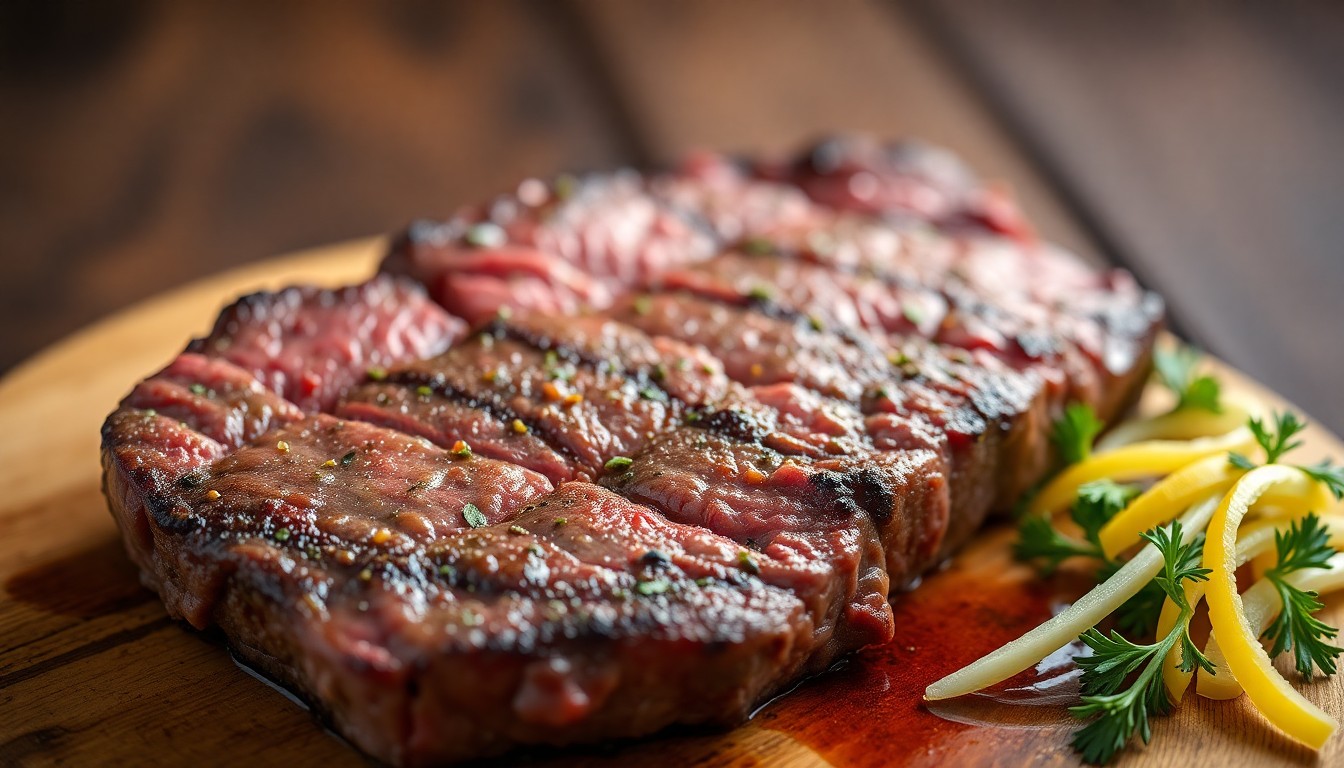
Welcome to Meat Only Living, where we explore the fascinating world of animal-based nutrition. Today, we’re diving deep into the carnivore diet, an all-Meat approach to eating that’s gaining significant attention. While it might sound extreme, many people are reporting remarkable benefits. This post will explore the potential advantages, address common concerns, and debunk some persistent myths surrounding this way of eating.
1. Introduction to the All-Meat Diet (Brief Overview)
What is the Carnivore Diet? Defining the All-Meat Diet
The carnivore diet, in its purest form, is an all-meat diet. This means consuming exclusively animal products and eliminating all plant-based foods. The core principle is simple: if it comes from an animal, it’s on the menu. This includes:
- Muscle meat (beef, lamb, pork, poultry, game)
- Organ meats (liver, kidney, heart, etc.)
- Seafood (fish, shellfish)
- Animal fats (tallow, lard, suet)
There are variations within the carnivore community. Some individuals include dairy products (milk, cheese, yogurt), eggs, and even honey, while others adhere to a stricter regimen of muscle meat and water only. Regardless of the specific approach, the carnivore diet is inherently a zero carb diet, as animal products contain negligible amounts of carbohydrates.
The Growing Popularity of Animal-Based Nutrition
Animal-based nutrition is experiencing a resurgence. While the standard dietary advice for decades has emphasized plant-based foods, a growing number of people are questioning this narrative and turning to meat-centric diets. This shift is fueled by numerous anecdotal success stories, with individuals reporting improvements in weight, digestion, energy levels, and even chronic health conditions. Historically, many cultures thrived on diets primarily consisting of animal products, further suggesting that a meat-focused approach can be a viable and healthy option.
2. Exploring the Potential Meat-Only Benefits
Weight Management and the Carnivore Diet
One of the most commonly cited meat-only benefits is weight loss. An all-meat diet can promote satiety (feeling full and satisfied) due to the high protein and fat content. Protein is known to be the most satiating macronutrient, and fat also plays a crucial role in appetite regulation. By eliminating carbohydrates, the carnivore diet significantly impacts insulin levels. Lower insulin levels can facilitate fat burning and reduce fat storage.
Improved Digestive Health: A Surprising Carnivore Benefit?
It might seem counterintuitive, but many people experience improved digestive health on a carnivore diet. This challenges the common belief that fiber is essential for everyone’s digestion. Plants contain various compounds, such as lectins and phytates, that can act as irritants in some individuals. Eliminating these plant-based irritants can lead to significant improvements. Many carnivore dieters report reduced bloating, gas, and symptoms associated with irritable bowel syndrome (IBS).
Mental Clarity and Enhanced Energy Levels
Another frequently reported benefit is enhanced mental clarity and sustained energy. When carbohydrates are eliminated, the body switches to using ketones as a primary fuel source. Ketones are produced from the breakdown of fat and are an efficient fuel source for the brain. Anecdotal evidence suggests that this metabolic shift can lead to improved focus, concentration, and overall cognitive function. The absence of carbohydrates also leads to stable blood sugar levels, eliminating the energy crashes often associated with high-carb diets.
Reduced Inflammation: The Carnivore Diet’s Potential Impact
Chronic inflammation is linked to a wide range of health problems. The carnivore diet may help reduce inflammation in several ways. First, it eliminates many potentially inflammatory foods, such as processed foods, refined sugars, and vegetable oils. Second, animal products contain certain nutrients, such as omega-3 fatty acids (especially in fatty fish), that have anti-inflammatory properties. While more research is needed, some individuals with autoimmune conditions report improvements on a carnivore diet, potentially due to the reduction in inflammatory triggers.
Simplification and Reduced Food Cravings
The simplicity of the carnivore diet is a major draw for many. With a limited list of approved foods, meal planning becomes incredibly straightforward. This eliminates the complexities of calorie counting and macro tracking that often accompany other diets. Furthermore, the elimination of processed foods, which are often engineered to be hyper-palatable, can significantly reduce food cravings. Stable blood sugar and the elimination of trigger foods contribute to a more controlled appetite.
3. Addressing Common Carnivore Concerns and Criticisms
Nutritional Deficiencies: A Major Carnivore Concern
One of the biggest carnivore concerns is the potential for nutritional deficiencies. Let’s address some key nutrients:
Vitamin C: Addressing the concern and explaining how it can be obtained on an all-meat diet (fresh meat, organ meats)
Vitamin C is often associated with fruits and vegetables, but it’s also present in fresh meat, particularly organ meats like liver. While the levels are lower than in some plant sources, they can be sufficient to prevent scurvy, the classic vitamin C deficiency disease. The body’s vitamin C requirements may also be lower on a zero-carb diet.
Other Vitamins and Minerals: Discussing potential sources (e.g., organ meats, bone broth) and the importance of diet quality
Organ meats are nutritional powerhouses, packed with a wide range of vitamins and minerals. Liver, in particular, is an excellent source of vitamin A, B vitamins, iron, and copper. Bone broth, made by simmering animal bones, is rich in minerals like calcium, magnesium, and phosphorus. Choosing high-quality, grass-fed, and pasture-raised animal products can further enhance the nutrient content of the diet.
The Role of Supplementation: When it might be necessary and what to consider
While a well-formulated carnivore diet can provide most essential nutrients, supplementation may be necessary for some individuals. This is particularly true for those who have pre-existing deficiencies or who are not consuming a wide variety of animal products, including organ meats. Consulting with a healthcare professional or a registered dietitian knowledgeable about the carnivore diet is recommended to determine individual needs.
Fiber and Gut Health: Debunking Carnivore Myths
Another common criticism revolves around fiber. We’re often told that fiber is essential for gut health, but this isn’t necessarily true for everyone. While fiber can be beneficial for some, others experience digestive issues from it. The gut microbiome is remarkably adaptable, and it can shift to thrive on a meat-only diet. The idea that meat rots in the colon is a carnivore myth; protein is primarily digested and absorbed in the small intestine.
Heart Health and Saturated Fat: A Long-Standing Debate
The relationship between saturated fat, cholesterol, and heart disease is complex and has been the subject of ongoing debate. The traditional view that saturated fat is inherently harmful is being increasingly challenged. Context is crucial. Factors such as overall health, activity levels, and the presence of other risk factors play a significant role. Many people on a carnivore diet experience improvements in cardiovascular risk markers, but it’s essential to approach this diet with personalized guidance and medical supervision.
Kidney Health: A Common Carnivore Concern
The kidneys are responsible for processing protein, and there’s a common misconception that high protein intake automatically damages healthy kidneys. This is generally not the case. Healthy kidneys are capable of handling a high protein load. However, individuals with pre-existing kidney conditions should consult with their doctor before making any significant dietary changes, including adopting a carnivore diet. Adequate hydration is also crucial for kidney health, regardless of dietary approach.
Environmental and Ethical Considerations
The environmental impact of meat production is a valid concern. However, there are ways to mitigate this impact. Supporting sustainable farming practices, such as regenerative agriculture, which focuses on soil health and carbon sequestration, can make a significant difference. Choosing locally sourced, grass-fed, and pasture-raised animals can also reduce the environmental footprint. The ethical considerations of consuming animal products are a personal matter, and individuals must weigh these factors according to their own values.
4. Practical Considerations for Trying an All-Meat Diet
Getting Started: Transitioning to a Carnivore Diet
There are two main approaches to transitioning to a carnivore diet: gradual and abrupt. A gradual transition involves slowly eliminating plant-based foods over weeks or months, while an abrupt transition involves switching to an all-meat diet immediately. The best approach depends on individual preferences and tolerance. Some people experience keto flu symptoms during the transition, such as fatigue, headaches, and digestive upset, as the body adapts to using ketones for fuel. These symptoms are usually temporary. It’s essential to listen to your body and adjust the transition pace as needed.
Food Choices: What to Eat on a Carnivore Diet
Prioritize nutrient-dense cuts of meat, including organ meats. Fatty cuts of meat are preferred, as fat provides essential energy and helps with satiety. Different types of animal fats, such as tallow, lard, and suet, can be used for cooking. If including dairy and eggs, choose full-fat options. Opt for high-quality, grass-fed, and pastured sources whenever possible, as these tend to be more nutrient-rich.
Monitoring and Adjusting: Tracking Your Progress
It’s recommended to get baseline blood work done before starting a carnivore diet and to monitor your levels regularly, especially in the initial stages. This allows you to track any changes and identify potential deficiencies. Tracking your energy levels, digestion, sleep quality, and any other relevant metrics can also provide valuable insights. Be prepared to adjust the diet based on your individual needs and responses. What works for one person may not work for another.
Long-Term Sustainability of the Carnivore Diet
Maintaining the Carnivore Diet long-term can present challenges for some. The restricted nature can cause difficulties in social situations. It’s important to consider the social, and psychological aspects of eating only meat. Some find a cyclical approach to be beneficial, alternating the carnivore diet with periods of including some plant foods.
5. Frequently Asked Questions (FAQ) about the All-Meat / Carnivore Diet
Can I drink coffee or tea on a carnivore diet?
Strictly speaking, coffee and tea are plant-based beverages and are therefore not part of a pure carnivore diet. However, many carnivore dieters include them, especially black coffee and plain tea, without added sugar or milk. It’s a matter of personal preference and tolerance.
What about spices and seasonings?
Similar to coffee and tea, spices and seasonings are derived from plants. Some carnivore dieters use salt only, while others include a wider range of spices. If you choose to use spices, be mindful of potential sensitivities or digestive issues.
Is it safe to eat an all-meat diet during pregnancy?
Pregnancy is a critical time with specific nutritional needs. While some women have reported successful pregnancies on a carnivore diet, it’s crucial to consult with a healthcare professional who is knowledgeable about this way of eating before making any dietary changes during pregnancy.
How much should I eat on a carnivore diet?
There’s no need to count calories or meticulously track macros on a carnivore diet. The general recommendation is to eat to satiety – eat until you’re comfortably full. Your body’s natural hunger and fullness cues will guide you.
How do I deal with social situations and eating out?
Social situations can be challenging on a carnivore diet. Planning ahead is key. If eating out, choose restaurants that offer meat-centric options, such as steakhouses or barbecue joints. You can also communicate your dietary needs to the restaurant staff. When attending social gatherings, consider bringing your own carnivore-friendly dish.
What about alcohol?
Alcohol is not part of the carnivore diet. While some may occasionally indulge, it’s important to remember that alcohol is processed by the liver, and can hinder your progress.
Conclusion
The carnivore diet, while seemingly restrictive, offers a range of potential benefits, including weight management, improved digestive health, enhanced mental clarity, reduced inflammation, and simplified eating. While concerns about nutrient deficiencies, fiber, heart health, and kidney health are valid, they can often be addressed through careful food choices, supplementation when necessary, and personalized approaches. Remember that the carnivore diet is not a one-size-fits-all solution, and individual responses can vary. Always consult with a healthcare professional before making significant dietary changes, especially if you have any underlying health conditions. If you decide to explore this way of eating, prioritize nutrient-dense animal products, listen to your body, and be prepared to adjust your approach as needed.