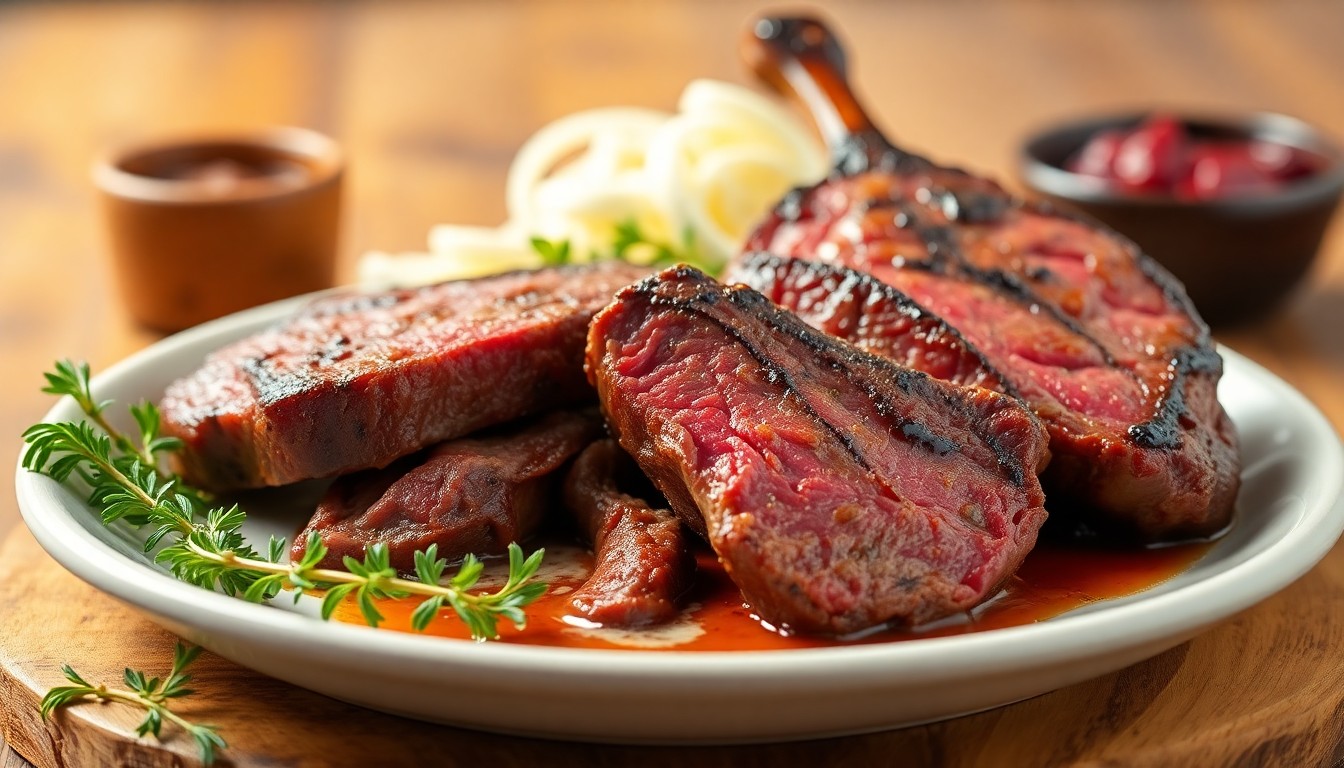
Introduction to the Carnivore Diet and its Potential
Briefly Defining the Carnivore Diet (Meat-only diet)
The carnivore diet, in its purest form, is a meat-only diet. This means consuming exclusively animal products and eliminating all plant-based foods, including fruits, vegetables, grains, legumes, and nuts. Some variations allow for dairy products and eggs, while others focus solely on muscle meat and organ meats.
Highlighting Potential Carnivore Diet Benefits (Weight Loss, Reduced inflammation, Improved mental clarity, etc.)
Advocates of the carnivore diet report a range of impressive benefits. These often include significant Weight Loss, reduced inflammation throughout the body, improved mental clarity and focus, better digestive health (after an initial adjustment period), and stabilized blood sugar levels. Many also experience relief from autoimmune conditions and improved skin health. These carnivore diet benefits are a major draw for those seeking a radical change in their health.
Acknowledging Potential Side Effects (Setting the stage for the rest of the article)
While the potential benefits are enticing, it’s crucial to acknowledge that transitioning to a carnivore diet can come with some initial side effects. These are often temporary and part of the body’s adaptation process, but understanding them is key to successfully navigating this way of eating. This article will explore common side effects and provide practical carnivore diet solutions.
The “Keto Flu” and the Carnivore Diet: Adaptation Phase Challenges
Explaining the “Keto Flu” – What It Is and Why It Happens.
The “keto flu” isn’t actually the flu at all. It’s a collection of symptoms that many people experience when drastically reducing their carbohydrate intake, as happens when starting a ketogenic or carnivore diet.
Carbohydrate Withdrawal and Metabolic Shift
Your body is used to running primarily on glucose (sugar) from carbohydrates. When you suddenly remove this fuel source, your body has to switch to burning fat for energy, producing ketones in the process. This metabolic shift is a significant change, and it takes time for your body to adapt efficiently.
Connection to the Carnivore Diet
Because the carnivore diet is inherently very low in carbohydrates, the “keto flu” is a common experience for newcomers. The severity and duration of symptoms can vary greatly from person to person.
Common “Keto Flu” Symptoms on a Carnivore Diet
Headaches
Headaches are one of the most frequently reported symptoms, often linked to dehydration and electrolyte imbalances.
Fatigue and Lethargy
Feeling tired and sluggish is common as your body adjusts to using fat for fuel instead of glucose.
Muscle Cramps
Muscle cramps, particularly in the legs, are often a sign of electrolyte imbalances, especially magnesium, potassium, and sodium.
Brain Fog
Difficulty concentrating, memory issues, and a general feeling of mental fogginess are common during the adaptation phase.
Irritability
Mood swings and increased irritability can occur due to fluctuating blood sugar levels and the overall stress of the dietary change.
Carnivore Diet Solutions for Mitigating Keto Flu Symptoms
Gradual Transition vs. Cold Turkey (Pros and Cons of each approach)
Gradual Transition: Slowly reducing carbohydrate intake over a few weeks or months can lessen the severity of keto flu symptoms. This allows your body to adapt more gradually. The downside is that it prolongs the transition period.
Cold Turkey: Going straight to a strict carnivore diet can lead to a faster transition into ketosis, but the keto flu symptoms may be more intense. This approach requires more willpower and careful attention to hydration and electrolytes.
Importance of Hydration
Drinking plenty of water is crucial. When you reduce carbohydrates, your body excretes more water and electrolytes. Aim for at least 2-3 liters of water per day, and consider adding electrolytes.
Time Frame Expectations (How long does it usually last?)
The keto flu typically lasts for a few days to a couple of weeks. Most people find that their symptoms significantly improve within the first week. However, individual experiences vary.
Electrolyte Imbalance: A Major Carnivore Diet Concern
Understanding Electrolyte Imbalance on a Carnivore Diet
Why Electrolytes are Crucial
Electrolytes are minerals that carry an electric charge and are essential for various bodily functions, including nerve and muscle function, hydration, blood pressure regulation, and maintaining the body’s acid-base balance.
How a Meat-only Diet Impacts Electrolyte Levels (Sodium, Potassium, Magnesium)
A meat-only diet can impact electrolyte levels in several ways. Firstly, the reduction in carbohydrates leads to increased water and electrolyte excretion through the kidneys. Secondly, processed foods, which are often high in sodium, are eliminated. Thirdly, the intake of potassium and magnesium, which are abundant in many plant foods, may be lower.
Recognizing the Symptoms of Electrolyte Imbalance
Muscle Cramps and Spasms
These are often the first and most noticeable signs of low electrolytes, particularly magnesium and potassium.
Headaches
Electrolyte imbalances, especially sodium deficiency, can contribute to headaches.
Irregular Heartbeat
Potassium is crucial for heart function, and low levels can lead to palpitations or irregular heartbeats.
Dizziness and Lightheadedness
These symptoms can be caused by low blood pressure, often related to sodium and fluid balance.
Fatigue
General fatigue and weakness can be a sign of overall electrolyte depletion.
Practical Carnivore Diet Solutions for Maintaining Electrolyte Balance
Sodium: Importance of Salt (Types of Salt, How Much?)
Don’t be afraid of salt! On a carnivore diet, you need to consciously increase your salt intake. Use a high-quality, unrefined salt like sea salt, Himalayan pink salt, or Redmond Real Salt. The amount needed varies, but many people find that adding 1-2 teaspoons of salt to their food or water throughout the day helps significantly. Listen to your body’s cravings.
Potassium: Sourcing Potassium on a Carnivore Diet (Bone Broth, Certain Cuts of Meat)
While meat contains some potassium, it’s often not enough to meet your needs on a carnivore diet. Bone broth is an excellent source of potassium and other minerals. Certain cuts of meat, like beef and salmon, are relatively higher in potassium.
Magnesium: Supplementation Considerations (Types of Magnesium Supplements)
Magnesium supplementation is often recommended on a carnivore diet. Magnesium glycinate, magnesium citrate, and magnesium malate are generally well-absorbed forms. Start with a lower dose and gradually increase as needed, as too much magnesium can cause loose stools.
The importance of listening to your body.
Pay attention to your body’s signals. If you’re experiencing symptoms of electrolyte imbalance, adjust your intake of salt, potassium, and magnesium accordingly.
Addressing Digestive Issues on the Carnivore Diet
Understanding Digestive Issues in the Initial Stages
Changes in Gut Microbiome
Eliminating plant foods significantly alters the composition of your gut microbiome. This can lead to temporary digestive upset as your gut bacteria adjust to the new diet.
Increased Fat Intake and Bile Production
A carnivore diet is typically high in fat. Your body needs to produce more bile to digest this increased fat intake. This can sometimes lead to digestive discomfort, especially in the beginning.
Common Digestive Complaints
Diarrhea
Diarrhea is a common initial side effect, often related to the increased fat intake and changes in bile production.
Constipation
Constipation can also occur, usually due to insufficient water intake, low fiber intake (although fiber is not essential on a carnivore diet), or inadequate fat intake.
Bloating and Gas
Bloating and gas can be caused by changes in gut bacteria, food sensitivities, or eating too quickly.
Carnivore Diet Solutions for Improved Digestion
Diarrhea Management:
Fat Intake Adjustment (Gradually Increasing Fat)
If you’re experiencing diarrhea, try gradually increasing your fat intake. Start with leaner cuts of meat and slowly add fattier cuts as your body adapts.
Choosing Leaner Cuts Initially
As mentioned above, starting with leaner cuts can help your digestive system adjust to the higher fat content of the diet.
Importance of Rendered Fat vs. Unrendered Fat
Rendered fat (liquid fat that has separated from the meat during cooking) is generally easier to digest than unrendered fat (solid fat within the meat). Focus on consuming rendered fat, especially in the beginning.
Constipation Relief:
Hydration is Key
Drink plenty of water throughout the day. Dehydration is a major contributor to constipation.
Ensuring Adequate Fat Intake
Fat acts as a lubricant in the digestive system. Make sure you’re consuming enough fat, especially rendered fat.
Magnesium Supplementation (as needed)
Magnesium citrate can help draw water into the intestines and promote bowel movements. Start with a low dose and adjust as needed.
Addressing Bloating and Gas:
Eating Slowly and Mindfully
Chew your food thoroughly and eat slowly. This helps with digestion and reduces the amount of air you swallow, which can contribute to bloating.
Potential Role of Digestive Enzymes (Considerations and Cautions)
Some people find that digestive enzymes, particularly those that help break down fat (lipase), can be helpful. However, it’s best to consult with a healthcare professional before using digestive enzymes, especially if you have any underlying health conditions.
Food sensitivities in meat.
Although rare, some people have sensitivities to certain types of meat. Experiment with different protein sources.
Other Potential Carnivore Diet Side Effects and Solutions
Hair Loss
Potential Causes (Nutrient Deficiencies, Stress of Diet Change)
Hair loss can sometimes occur during a significant dietary change, including the transition to a carnivore diet. This can be due to temporary nutrient deficiencies, the stress of the diet change on the body, or hormonal fluctuations.
Carnivore Diet Solutions: Ensuring Adequate Nutrient Intake, Patience, and Potential Supplementation (Biotin, Collagen – Discussing the Evidence)
Ensure you’re consuming a variety of nutrient-dense animal products, including organ meats, which are rich in vitamins and minerals. Be patient, as hair loss is often temporary. Some people find that biotin or collagen supplements help, but the evidence for their effectiveness is limited. It’s best to focus on a well-rounded carnivore diet first.
Skin Issues (Rashes, Dryness)
Possible Explanations (Detoxification, Changes in Fat Intake, Histamine Intolerance)
Skin issues can sometimes arise due to the body’s detoxification processes, changes in fat intake (especially the type of fat), or histamine intolerance. Histamine is a compound found in some foods, including aged meats and fermented foods.
Solutions: Hydration, Fat Quality, Potential Antihistamine Strategies (Discussing with a Doctor)
Stay well-hydrated. Choose high-quality fats, such as those from grass-fed animals. If you suspect histamine intolerance, consider working with a doctor or nutritionist to identify trigger foods and potentially use antihistamine strategies.
Sleep Disturbances
Reasons for Insomnia or Altered Sleep Patterns (Electrolyte Imbalance, Cortisol Fluctuations)
Sleep disturbances can be related to electrolyte imbalances (especially magnesium deficiency), cortisol fluctuations (the stress hormone), or changes in melatonin production.
Solutions: Electrolyte Management, Bedtime Routine, Stress Reduction Techniques
Ensure adequate electrolyte intake, especially magnesium. Establish a relaxing bedtime routine. Practice stress reduction techniques like deep breathing, meditation, or yoga.
Bad Breath (Keto Breath)
Explanation of Ketone Production
Bad breath, often described as fruity or like nail polish remover, is a common side effect of ketosis. It’s caused by the excretion of acetone, a type of ketone, through the breath.
Solutions: Hydration, Oral Hygiene, Time (Adaptation)
Drink plenty of water to help flush out ketones. Maintain good oral hygiene, including brushing and flossing regularly. The intensity of keto breath often decreases over time as your body adapts to ketosis.
Long-Term Considerations and Sustainability of a Carnivore Diet
Importance of Regular Monitoring (Bloodwork, Consulting with Healthcare Professionals)
It’s crucial to monitor your health regularly when following a carnivore diet long-term. Regular bloodwork can help identify any potential nutrient deficiencies or other health issues. Consulting with a healthcare professional who is knowledgeable about the carnivore diet is highly recommended.
Addressing Potential Nutrient Deficiencies (Vitamin C, Fiber – Discussing the Controversies and Potential Solutions)
There’s ongoing debate about the long-term need for certain nutrients typically found in plant foods, such as vitamin C and fiber. While many people thrive on a carnivore diet without supplementing these nutrients, others may find it beneficial to include organ meats (which contain some vitamin C) or consider occasional supplementation. The role of fiber on a carnivore diet is also controversial, with many reporting improved digestion without it. It’s important to do your research and listen to your body.
Individualizing the Carnivore Diet (Experimenting with Different Types of Meat, Fat Ratios)
There’s no one-size-fits-all approach to the carnivore diet. Experiment with different types of meat (beef, lamb, pork, poultry, fish), different cuts (lean vs. fatty), and different fat ratios to find what works best for you.
Cycle on and off the carnivore diet.
Some people do well on a continuous carnivore diet, while others benefit from cyclical approaches. This can help prevent boredom and provide variety.
Listening to Your Body and Making Adjustments as Needed.
Pay close attention to how you feel and make adjustments to your diet as needed. The carnivore diet is a powerful tool, but it’s not a rigid set of rules.
The Importance of Seeking Professional Guidance
Why talk to your Doctor or Dietician.
A doctor or registered dietician can provide personalized advice and guidance, especially if you have any pre-existing health conditions. They can help you monitor your health, address any potential issues, and ensure that you’re meeting your nutritional needs.
Disclaimers: this is not medical advice.
The information provided in this article is for general knowledge and informational purposes only, and does not constitute medical advice. It is essential to consult with a qualified healthcare professional before making any dietary changes, especially if you have any underlying health conditions.
Frequently Asked Questions
Q: How long does it take to adapt to a carnivore diet?
A: The adaptation period varies, but most people experience significant improvements in their symptoms within 1-4 weeks. Some may take longer, depending on individual factors and their approach to the transition.
Q: Can I drink coffee or tea on a carnivore diet?
A: This is a matter of personal preference and tolerance. Some strict carnivores avoid all plant-based beverages, while others include black coffee or plain tea. If you choose to include them, monitor your body’s response and avoid adding any sweeteners or milk (unless you’re following a variation that allows dairy).
Q: Is the carnivore diet safe for everyone?
A: While many people thrive on a carnivore diet, it may not be suitable for everyone. Individuals with certain medical conditions, such as kidney disease, should consult with their doctor before making such a significant dietary change. It’s always best to seek professional guidance.
Conclusion
The carnivore diet offers a range of potential carnivore diet benefits, from Weight Loss and reduced inflammation to improved mental clarity and digestive health. However, it’s important to be aware of potential side effects, especially during the initial adaptation phase. By understanding the common challenges, such as the “keto flu” and electrolyte imbalance, and implementing the carnivore diet solutions discussed in this article, you can navigate the transition more smoothly and unlock the full potential of this way of eating. Remember to listen to your body, stay hydrated, manage your electrolytes, and seek professional guidance when needed. With careful planning and attention to your individual needs, you can successfully incorporate the carnivore diet into a healthy and sustainable lifestyle.