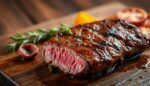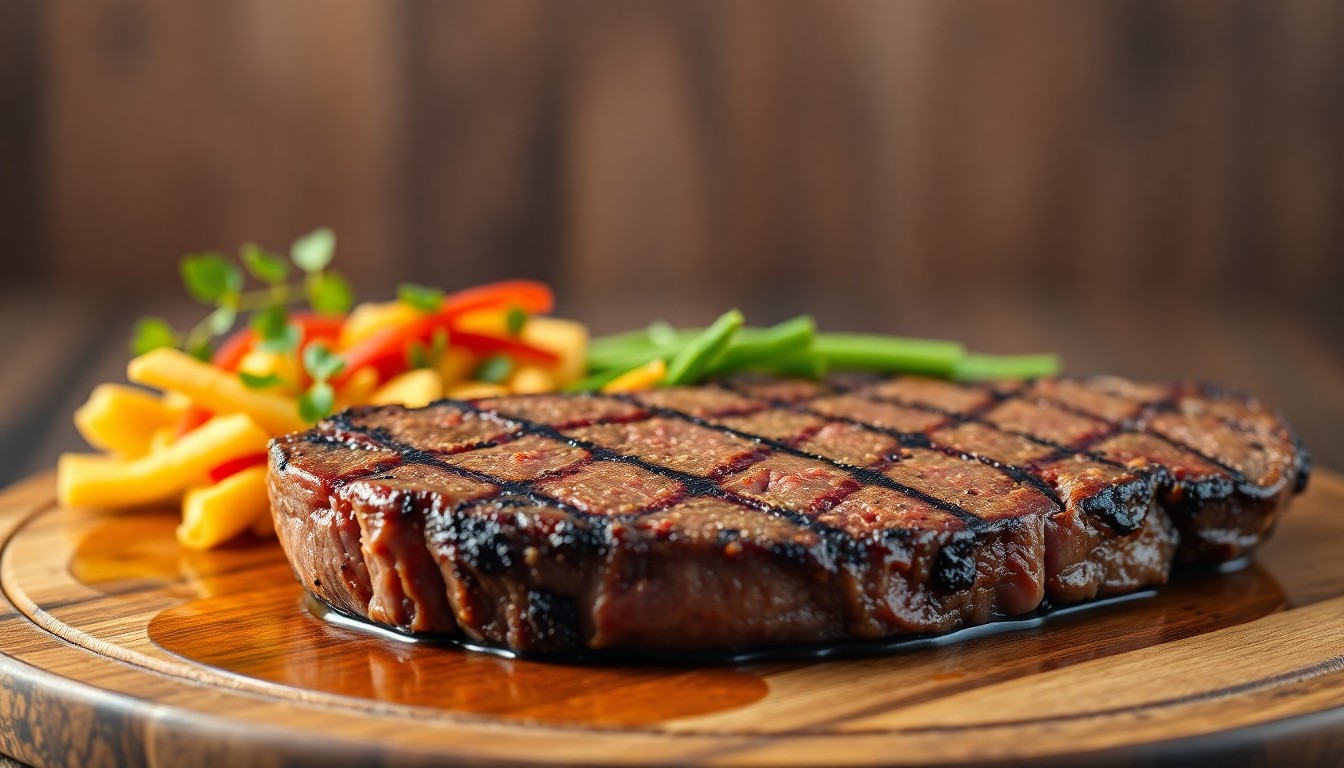
Welcome to Meat Only Living, where we explore the power of animal-based nutrition. Today, we’re diving deep into the world of ketosis and how a meat-focused diet, particularly the Carnivore Diet, can be a powerful tool for achieving this metabolic state. We’ll cover the Benefits, potential side effects, and what you can realistically expect when embarking on this journey.
What is Ketosis and Why is it Important?
Defining Ketosis: A Metabolic Shift
Ketosis is a natural metabolic state where your body, instead of relying primarily on glucose (sugar) from carbohydrates for fuel, shifts to burning fat. This fat is converted into ketones, which are then used as an alternative energy source by your brain and body. This is a significant departure from the standard carbohydrate-based metabolism, marking a profound shift towards a low carb lifestyle.
The Science Behind Ketosis
The process involves a fascinating interplay of hormones. When you drastically reduce your carbohydrate intake, your body’s insulin levels decrease. Insulin is a hormone that promotes glucose uptake and storage. With lower insulin, your body releases stored fat from fat cells. This fat travels to the liver, where it’s converted into ketones. Simultaneously, the hormone glucagon, which has the opposite effect of insulin, increases, further promoting fat breakdown and ketone production. Restricting carbohydrates is the primary trigger for this entire process, pushing your body into ketosis.
Why Pursue Ketosis? Potential Benefits
Many people are drawn to ketosis for a variety of reasons:
- Weight loss: Ketosis can be a very effective tool for weight loss, as your body becomes a fat-burning machine.
- Improved blood sugar control: By drastically reducing carbohydrate intake, ketosis can help stabilize blood sugar levels, which is particularly relevant for individuals managing diabetes or insulin resistance.
- Potential cognitive benefits: Many people report experiencing enhanced mental clarity and focus while in ketosis. This is often attributed to the brain’s efficient use of ketones as fuel.
- Increased energy levels: After an initial adaptation period, many individuals experience sustained and stable energy levels throughout the day, without the energy crashes often associated with carbohydrate-heavy diets.
The Role of Meat in Achieving Ketosis: The Carnivore and Keto Approaches
Introducing the Carnivore Diet: Meat-Only Approach
The Carnivore Diet is the ultimate expression of a meat-based ketogenic approach. It involves consuming exclusively animal products – meat, fish, poultry, and sometimes eggs and dairy (depending on individual tolerance). This diet is inherently high in fat, high protein, and zero-carb. Because of this complete elimination of carbohydrates, the Carnivore Diet naturally and effectively induces ketosis.
The Keto Diet and Meat: A Flexible Approach
The Keto Diet, while also ketogenic, offers more flexibility. It’s characterized by a high-fat, moderate-protein, and very low-carb macronutrient ratio. Meat plays a crucial role in a ketogenic diet, serving as a primary source of both protein and fat. However, unlike the carnivore diet, the keto diet also allows for the inclusion of other low-carb foods, such as non-starchy vegetables (like leafy greens, broccoli, and cauliflower) and healthy fats (like avocados, olive oil, and nuts). The key difference lies in the flexibility: keto allows for a wider range of food choices, while carnivore is strictly animal-based.
Choosing the Right Meats for Ketosis
When focusing on meat for ketosis, prioritizing fatty cuts is essential. These provide the necessary fuel for ketone production. Excellent choices include:
- Ribeye steak
- Salmon (especially wild-caught)
- Pork belly
- Chicken thighs (with skin)
Organ meats, such as liver and kidney, are incredibly nutrient-dense and can be a valuable addition to a carnivore or ketogenic diet, although they are not strictly necessary. Regarding processed meats, moderation is key. While bacon and sausages can be included, it’s best to limit highly processed options and opt for those with minimal added ingredients.
Meat Benefits for Ketosis and Overall Health
Protein Powerhouse: Muscle Preservation and Growth
Protein is crucial, especially during weight loss, as it helps preserve lean muscle mass. A high protein intake also promotes satiety, helping you feel fuller for longer and reducing cravings. Beyond weight management, protein is essential for countless bodily functions, including tissue repair, enzyme production, and hormone synthesis.
Essential Nutrients Found in Meat
Meat is a nutritional powerhouse, providing a wide array of essential vitamins and minerals. Importantly, the nutrients in meat are often more bioavailable than those found in plant sources, meaning your body can absorb and utilize them more efficiently. Key nutrients include:
- B vitamins: Crucial for energy production, nerve function, and cell metabolism.
- Vitamin D: Especially abundant in fatty fish, Vitamin D is vital for bone health, immune function, and mood regulation.
- Iron: Essential for red blood cell production and oxygen transport.
- Zinc: Supports immune function, wound healing, and cell growth.
- Selenium: An antioxidant that protects against cell damage.
- Creatine and Carnosine: These compounds, found primarily in meat, play important roles in muscle performance and brain function.
Healthy Fats for Sustained Energy
While saturated fat has been demonized in the past, within the context of a ketogenic diet, it serves as a primary fuel source. It’s important to understand that the relationship between saturated fat and health is complex and context-dependent. Fatty fish, like salmon and mackerel, are rich in omega-3 fatty acids, which have well-documented benefits for heart and brain health. In ketosis, fat provides sustained energy, keeping you feeling full and energized throughout the day.
Potential Side Effects and How to Manage Them
The “Keto Flu”: Initial Adaptation Side Effects
As your body transitions to burning fat for fuel, you may experience a collection of symptoms often referred to as the “keto flu.” This is a common part of the initial adaptation phase and is primarily caused by electrolyte imbalances and dehydration. The body increases its excretion of water and electrolytes, as a result of the reduction in carbohydrate intake. These Ketosis Side Effects are typically temporary.
Common symptoms include:
- Headache
- Fatigue
- Nausea
- Muscle cramps
- Irritability
The keto flu usually lasts anywhere from a few days to a week.
Electrolyte Imbalance: A Key Concern
Electrolytes – sodium, potassium, and magnesium – are essential minerals that play crucial roles in nerve function, muscle contraction, and fluid balance. Ketosis increases the excretion of these electrolytes, making it vital to replenish them. Strategies for managing electrolyte balance include:
- Supplementation: Consider taking electrolyte supplements, especially during the initial adaptation phase.
- Bone broth: A rich source of electrolytes and other beneficial nutrients.
- Salting food: Don’t be afraid to generously salt your food, especially in the beginning.
Digestive Issues: Adapting to a High-Fat Diet
Some individuals may experience digestive changes when starting a high-fat diet, such as constipation or diarrhea. This is often due to the body adjusting to processing a higher amount of fat. If you’re following a keto diet that includes vegetables, ensure you’re getting adequate fiber. Digestive enzymes can be helpful for those who have difficulty digesting fat, but they are not always necessary. To manage any digestive Side Effects, ensure adequate hydration, gradually increase fat intake, and consider adding fermented foods.
Other Potential Side Effects (Less Common)
- Bad breath (keto breath): This is caused by the excretion of acetone, a type of ketone, through the breath. It usually subsides over time.
- Elevated cholesterol: Some individuals may experience an increase in cholesterol levels, although this is often context-dependent and may not be a cause for concern. Regular blood work can help monitor this.
- Kidney stones: This is a rare but potential risk, particularly for those predisposed to kidney stones. Staying well-hydrated can help mitigate this risk.
- Nutrient deficiencies: If not eating a varied diet, especially on a strict carnivore diet, there’s a potential for nutrient deficiencies. Consider incorporating organ meats or discussing supplementation with a healthcare professional.
What to Expect When Starting a Meat-Based Ketogenic Diet
Week 1: The Adaptation Phase
This is when keto flu symptoms are most likely to occur. Prioritize hydration, electrolyte intake, and rest. You can optionally monitor your ketone levels using urine strips or a blood ketone meter to confirm you’re entering ketosis. The primary focus during this week is simply adjusting to the new way of eating.
Weeks 2-4: Entering Sustained Ketosis
Keto flu symptoms should subside, and you should start experiencing increased energy levels and improved mental clarity. Weight loss may become noticeable. Continue to prioritize hydration and electrolyte balance.
Long-Term Considerations and Sustainability
Listen to your body and make adjustments as needed. Some individuals may find they thrive on a strict carnivore diet long-term, while others may prefer to reintroduce small amounts of carbohydrates after the initial adaptation phase. Regular blood work is recommended to monitor your health markers and ensure you’re not developing any nutrient deficiencies. The key is to focus on long-term sustainability and overall well-being. Ensuring long term, there aren’t any unwanted Side Effects is crucial.
Who Should Be Cautious?
While a meat-based ketogenic diet can be beneficial for many, certain individuals should exercise caution and consult with a healthcare professional before making significant dietary changes. This includes:
- People with pre-existing conditions (e.g., kidney disease, liver disease, gallbladder issues).
- Pregnant or breastfeeding mothers.
- People taking certain medications (e.g., diabetes medications, blood pressure medications).
Always seek your doctor’s advice before commencing a new diet.
Conclusion
Unlocking ketosis with meat, whether through the Carnivore Diet or a well-formulated Keto Diet, can offer a range of Meat Benefits. These include potential weight loss, improved blood sugar control, enhanced mental clarity, and sustained energy levels. While there are potential Side Effects, particularly during the initial adaptation phase, these can often be managed effectively with proper hydration, electrolyte balance, and careful attention to nutrient intake. By understanding the principles of ketosis and the role of meat in this metabolic state, you can embark on a journey towards improved health and well-being.
Frequently Asked Questions
Q: Is the Carnivore Diet safe long-term?
A: The long-term safety of the Carnivore Diet is still a subject of ongoing research. Many individuals report thriving on it for extended periods, but it’s crucial to listen to your body, monitor your health markers with regular blood work, and consider incorporating nutrient-dense organ meats to minimize the risk of deficiencies. Consulting with a healthcare professional knowledgeable about carnivore diets is recommended.
Q: Can I eat fruit on a meat-based ketogenic diet?
A: On a strict Carnivore Diet, fruit is excluded. On a standard Keto Diet, very small amounts of low-carb fruits, like berries, may be included in moderation, but this depends on your individual carbohydrate tolerance and goals.
Q: How do I know if I’m in ketosis?
A: You can monitor your ketone levels using urine strips (which measure acetoacetate), breath meters (which measure acetone), or blood ketone meters (which measure beta-hydroxybutyrate, the most accurate method). However, you may also notice signs of ketosis, such as reduced appetite, increased energy, and a distinct fruity or metallic taste in your mouth (keto breath).