Welcome to Meat Only Living! If You’re curious about the Carnivore Diet or looking for ways to enhance your all-meat lifestyle, you’ve come to the right place. This way of eating, focusing exclusively on animal products, might seem daunting at first, but with the right knowledge, recipes, and strategies, it can be incredibly simple, satisfying, and rewarding. Let’s dive into how you can thrive on an all-meat diet with practical carnivore recipes, effective carnivore meal prep strategies, and daily carnivore tips.
Understanding the Carnivore Diet: The Foundation of Your All-Meat Journey
Before we jump into the delicious meat recipes, let’s lay the groundwork. Understanding the “what” and “why” of the carnivore diet is key to your success and long-term adherence.
What Exactly is the Carnivore Diet?
At its heart, the carnivore diet is an elimination diet that includes only animal products and excludes all plant-based foods. Think meat, fish, eggs, and for some, dairy.
Core Principles: Focusing on an All-Meat Diet
The fundamental principle is simple: eat animal products, drink water, and use salt. The focus is on nutrient-dense whole foods from the animal kingdom. This means no fruits, vegetables, grains, legumes, nuts, or seeds. The idea is to provide your body with essential fats and proteins while eliminating potentially inflammatory or problematic plant compounds.
Variations: Strict vs. More Inclusive Approaches
While the strictest form of the carnivore diet is just meat, salt, and water, variations exist. Some individuals include eggs and dairy (like cheese, butter, and heavy cream), especially if well-tolerated. Others might incorporate small amounts of spices or coffee/tea. The key is to find what works best for your body and your goals.
Why People Choose the Carnivore Diet: Potential Benefits
Many people turn to the carnivore diet seeking relief from various health issues or aiming for improved well-being. It’s a significant dietary shift with a range of reported outcomes.
Common Reported Health Improvements (Note: anecdotal, not medical advice)
It’s important to state that these are commonly reported experiences and not medical claims. Many individuals report benefits such as weight loss, improved mental clarity, reduced inflammation, relief from autoimmune symptoms, better digestion, and increased energy levels. Always consult with a healthcare professional before making significant dietary changes, especially if you have pre-existing health conditions.
Simplicity and Satiety
One of the most appealing aspects of the carnivore diet is its simplicity. No complex recipes or calorie counting are usually needed. You eat when you’re hungry and stop when you’re full. Animal products, particularly fatty meats, are incredibly satiating, which can lead to eating fewer meals and feeling satisfied for longer periods.
Key Foods on Your Carnivore Shopping List
Building your carnivore pantry is straightforward. Focus on quality and variety to ensure you’re getting a good range of nutrients.
Ruminant Meats (Beef, Lamb, Bison)
These are often the cornerstone of a carnivore diet. Beef, lamb, and bison are rich in essential fatty acids, protein, vitamins (like B12), and minerals (like iron and zinc). Don’t shy away from fattier cuts like ribeye, brisket, and chuck roast.
Pork and Poultry
Pork (bacon, pork belly, chops) and poultry (chicken thighs, wings, turkey) offer variety. Opt for fattier cuts of chicken, like thighs and wings with the skin on. Be mindful of sourcing, as conventionally raised poultry and pork can have different fatty acid profiles than ruminant meats.
Fish and Seafood
Fatty fish like salmon, mackerel, sardines, and herring are excellent sources of omega-3 fatty acids. Other seafood like shrimp, crab, and oysters also provide valuable nutrients. These are great additions to your carnivore recipes.
Eggs and Dairy (Optional, depending on tolerance)
Eggs are a nutritional powerhouse – a fantastic source of protein, choline, and vitamins. Dairy, such as hard cheeses, butter, ghee, and heavy cream, can be included if tolerated. Some people find dairy inflammatory, so listen to your body.
Organ Meats: The Nutrient Powerhouses
Don’t overlook organ meats! Liver, kidney, heart, and other organs are incredibly nutrient-dense, often far exceeding muscle meats in certain vitamins and minerals. Incorporating them is a fantastic carnivore tip for maximizing nutrition.
Foods to Strictly Avoid on the Carnivore Diet
To truly follow an all-meat diet, you must eliminate all plant-based foods. This includes:
- Fruits and Vegetables
- Grains (wheat, rice, oats, corn, etc.)
- Legumes (beans, lentils, peanuts, soy)
- Nuts and Seeds
- Refined Sugars and Sweeteners (except perhaps minimal amounts of honey for some less strict versions)
- Processed Foods containing plant-derived ingredients
- Vegetable and Seed Oils
Delicious and Simple Carnivore Recipes for Every Meal
Eating only meat doesn’t have to be boring! There’s a world of flavor and satisfaction to be found in simple, well-prepared animal products. Here are some carnivore recipes to get you started.
Energizing Carnivore Breakfast Recipes
Start your day strong with a protein and fat-packed meal.
The Perfect Steak and Eggs: A Carnivore Diet Staple
A classic for a reason. Pan-sear or grill your favorite cut of steak (sirloin, ribeye, or even leftover roast) and serve with a couple of fried or scrambled eggs cooked in butter or bacon grease. Season with salt.
Bacon and Egg Scramble (with optional cheese)
Cook bacon until crispy, remove from pan, and then scramble eggs in the rendered bacon fat. Crumble bacon back in. Add some shredded hard cheese during the last minute of cooking if you include dairy.
Quick Carnivore Sausage Patties (Homemade or store-bought)
Look for store-bought sausage with minimal ingredients (just meat, fat, salt, and perhaps some simple spices). Alternatively, make your own by mixing ground pork or beef with salt and desired carnivore-friendly seasonings, form into patties, and pan-fry.
Satisfying Lunch & Dinner Meat Recipes
These meals will keep you full and fueled throughout the day.
Pan-Seared Ribeye Perfection: Tips and Tricks
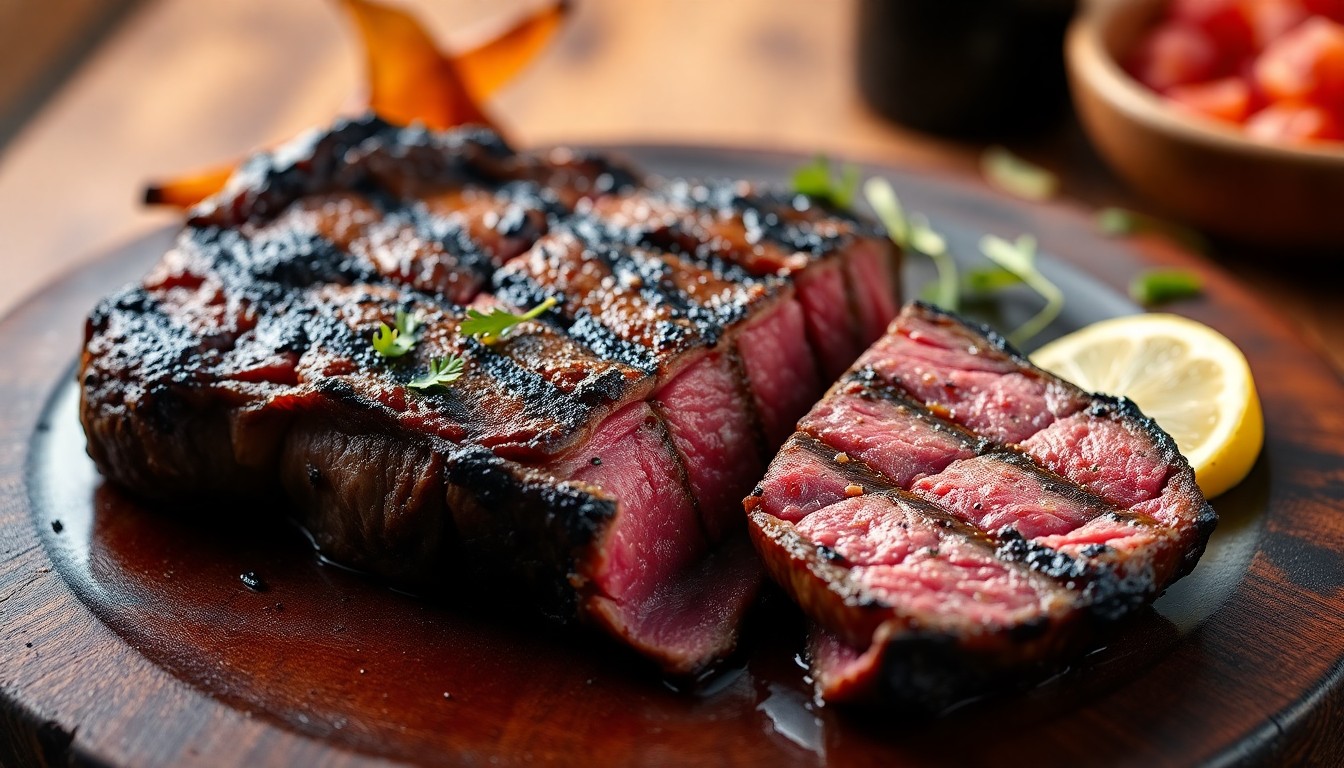
For the perfect ribeye, ensure it’s at room temperature. Pat it dry and season generously with salt. Sear in a very hot cast-iron skillet with tallow or butter for a few minutes per side until a beautiful crust forms and it’s cooked to your desired doneness. Let it rest before slicing.
Slow Cooker Pulled Beef/Pork (Ideal for Carnivore Meal Prep)
Place a large beef chuck roast or pork shoulder in a slow cooker. Season with salt. Cook on low for 6-8 hours, or on high for 3-4 hours, until fork-tender. Shred the meat. This is fantastic for carnivore meal prep.
Crispy Skin Salmon with Butter and Salt
Pat salmon fillets dry, especially the skin. Score the skin. Season with salt. Pan-sear skin-side down in butter or ghee over medium-high heat until the skin is crispy. Flip and cook briefly on the other side until done.
Versatile Ground Beef Bowls: Ideas for flavor
Brown ground beef with salt. You can keep it simple or add variations like crumbled bacon, a dollop of sour cream (if using dairy), or top with a fried egg. Some people enjoy adding a splash of bone broth for moisture.
Roasted Chicken Thighs: A Budget-Friendly Favorite
Toss bone-in, skin-on chicken thighs with melted butter or bacon grease and salt. Roast in the oven at 400°F (200°C) until the skin is crispy and the chicken is cooked through (about 35-45 minutes). This is a great, affordable meat recipe.
Carnivore Diet Meatballs (No breadcrumbs!)
Mix ground beef or pork (or a combination) with salt, and optionally, a beaten egg and some grated Parmesan cheese (if using dairy). Form into meatballs and pan-fry, bake, or air-fry until cooked through. Serve plain or with a simple butter sauce.
Carnivore-Friendly Snacks and Sides
While many on the carnivore diet find they don’t need to snack, here are some options if hunger strikes between meals.
Homemade Beef Jerky: A Protein-Packed Snack
Slice beef thinly (partially freezing it first helps). Marinate in salt and water (or just salt if you prefer). Dehydrate in a dehydrator or oven on low heat until dry and chewy. Ensure no sugars or non-compliant spices are used.
Pork Rinds (Cracklings)
A crunchy, salty snack. Look for brands with just pork skin and salt, or make your own by rendering pork fat and frying the skin.
Nutrient-Rich Bone Broth: How to Make It
Simmer animal bones (beef, chicken, pork) in water with a splash of apple cider vinegar (optional, to help extract minerals) for 12-24 hours. Strain. Bone broth is rich in collagen and minerals. It’s a comforting and nutritious addition to any carnivore diet.
Simple Deviled Eggs (Carnivore Style)
Hard-boil eggs. Halve them, scoop out the yolks, and mash with melted butter, salt, and perhaps a little bacon grease or sour cream (if using). Refill the egg white halves.
Mastering Carnivore Meal Prep: Save Time and Stay on Track
Carnivore meal prep is your secret weapon for making this lifestyle sustainable and effortless. A little planning goes a long way.
The Importance of Carnivore Meal Prep for Success
Meal prepping on an all-meat diet ensures you always have compliant, delicious food ready to go, making it easier to stick to your plan.
Reducing Decision Fatigue on an All-Meat Diet
When you’re hungry, the last thing you want is to figure out what to cook. Having pre-cooked meats on hand eliminates this stress. Just grab, reheat, and eat.
Ensuring Consistency and Avoiding Temptation
If carnivore-friendly food is readily available, you’re less likely to reach for non-compliant options, especially during busy times or when cravings hit during the adaptation phase.
Cost-Effectiveness Through Bulk Cooking
Buying meat in bulk is often cheaper. Cooking large batches at once saves energy and makes the most of these bulk purchases, making your carnivore diet more economical.
Practical Carnivore Meal Prep Strategies
Here are some effective ways to implement carnivore meal prep.
Batch Cooking Proteins: Your Weekly Foundation
Dedicate a few hours one day a week to cook your main protein sources.
Cooking Large Roasts (Beef, Pork Shoulder)
As mentioned in the recipes, slow-cooking or roasting large cuts of meat provides several days’ worth of meals. Shredded or sliced, it’s incredibly versatile.
Browning Ground Meat in Bulk
Cook several pounds of ground beef, turkey, or pork at once. Season with salt. Store in portions for quick meals throughout the week.
Pre-cooking Chicken Breasts/Thighs
Bake or pan-fry a batch of chicken. Thighs are great for flavor and fat content. Shred or keep whole for easy additions to meals.
Hard-Boiling Eggs for Quick Protein
Boil a dozen eggs at the start of the week. They make for a quick snack or an easy addition to a meal.
Portioning for Easy Grab-and-Go Meals
Once your meats are cooked, portion them into individual meal-sized containers. This makes assembling meals incredibly fast.
Utilizing Your Freezer: Storing Cooked Meats and Broth
Don’t be afraid to freeze cooked meats and bone broth. Portion into freezer-safe containers or bags. This is perfect for longer-term storage and ensures you always have a backup.
Essential Tools for Efficient Carnivore Meal Prep
Having the right tools can make your carnivore meal prep even smoother.
Slow Cooker/Instant Pot
Indispensable for cooking large roasts and making bone broth with minimal effort.
Quality Knives and Cutting Boards
Good knives make breaking down and slicing meat much easier and safer. Have dedicated cutting boards for raw meat.
Glass or BPA-Free Storage Containers
Invest in good quality containers for storing your prepped meals. Glass is a great option as it doesn’t stain or retain odors.
Daily Diet Tips for Thriving on the Carnivore Diet
Beyond recipes and meal prep, certain daily habits and knowledge can help you flourish on your all-meat diet.
Prioritizing Fat: Fueling Your Body on an All-Meat Diet
Fat is your primary energy source on the carnivore diet. Don’t fear it; embrace it!
Choosing Fattier Cuts of Meat
Opt for cuts like ribeye, brisket, pork belly, 70/30 or 80/20 ground beef, and chicken thighs with skin. These provide ample fat for energy and satiety.
Rendering Animal Fats (Tallow, Lard)
Save the fat trimmings from your meats (especially beef and pork) and render them down to make tallow (from beef fat) or lard (from pork fat). These are excellent, stable fats for cooking.
Incorporating Butter and Ghee
If you tolerate dairy, butter and ghee (clarified butter) are great sources of fat. Use them for cooking or as a topping for your meats.
Hydration and Electrolytes: Critical Carnivore Tips
Proper hydration and electrolyte balance are crucial, especially during the adaptation phase.
The Importance of Water Intake
Drink plenty of water throughout the day. Listen to your thirst cues. As your body adapts and releases stored glycogen, you might excrete more water initially.
Salt: Your Best Friend on the Carnivore Diet
Salt (sodium chloride) is vital. Don’t be afraid to salt your food to taste. Many carnivores find they need more salt than they did on other diets, as insulin levels drop and the kidneys excrete more sodium.
Managing Other Electrolytes (Magnesium, Potassium)
Meat is a good source of potassium. Some individuals may benefit from supplementing magnesium, especially during adaptation. Bone broth can also contribute electrolytes.
Listening to Your Body: Hunger, Satiety, and Adjustments
The carnivore diet encourages intuitive eating.
Eating to Satiety, Not on a Schedule
Eat when you are genuinely hungry and stop when you are comfortably full. You might find your meal frequency changes, perhaps to one or two meals a day (OMAD/TMAD).
Recognizing True Hunger Cues
Learn to distinguish true physical hunger from boredom or habitual eating. True hunger on carnivore is often a clear, calm signal, not a frantic craving.
Sourcing Quality Meat: What to Look For
The quality of your meat can impact your experience.
Grass-Fed vs. Grain-Fed Considerations
Grass-fed beef typically has a better omega-3 to omega-6 fatty acid ratio and higher levels of certain nutrients. However, conventional grain-fed beef is still a very nutritious option if grass-fed is not accessible or affordable. Eat the best quality meat you can afford.
Finding Local and Affordable Options
Explore local farms, butchers, and bulk buying options (like buying a quarter or half cow) to potentially get better quality meat at a lower price. Farmers markets can also be a good source.
Navigating Social Situations and Eating Out on the Carnivore Diet
Eating an all-meat diet doesn’t mean you have to become a hermit.
Simple Carnivore Tips for Restaurants
Look for steakhouses or restaurants that serve simple grilled meats or fish. A plain steak, burger patties (no bun or sauce), or grilled fish are usually safe bets. Ask for your food to be cooked with butter if possible, and specify no vegetable oils.
Communicating Your Dietary Needs
Be clear and polite when explaining your needs. “I only eat meat, fish, and eggs. Could I please have the steak with no seasoning other than salt, and no sides?” often works well.
Overcoming the Adaptation Phase: Common Challenges & Solutions
Most people experience an adaptation period when switching to a carnivore diet.
Understanding the “Keto Flu” or Carnivore Adaptation
As your body switches from burning glucose to burning fat for fuel, you might experience temporary symptoms like fatigue, headaches, nausea, or irritability. This is often due to electrolyte imbalances and dehydration.
Tips for a Smoother Transition
Ensure adequate salt and water intake. Eat enough fat. Don’t undereat. Be patient; this phase usually passes within a few days to a couple of weeks. Some find gradually reducing carbs before going full carnivore helps.
Advanced Carnivore Tips & Considerations
Once you’re comfortable with the basics, you might explore these aspects.
Incorporating Organ Meats into Your Carnivore Recipes
Organ meats are nutritional powerhouses, a key carnivore tip for maximizing nutrient intake.
Benefits of Liver, Heart, Kidney
Liver is exceptionally rich in vitamin A, B vitamins (especially B12 and folate), iron, copper, and zinc. Heart is a great source of CoQ10. Kidneys provide selenium and B vitamins.
Palatable Ways to Prepare Organ Meats
If you’re new to organ meats, start small. Try mixing a small amount of ground liver into your ground beef. Pan-fry thin slices of liver in bacon grease. Chicken hearts and livers are often milder. Some people prefer frozen, raw liver cut into small, pill-sized pieces and swallowed.
Dairy on the Carnivore Diet: A Personal Choice
Dairy can be a contentious topic in carnivore circles.
Types of Dairy and Potential Issues
Hard, aged cheeses, butter, and ghee are generally better tolerated than milk or softer cheeses due to lower lactose and casein content. Some people experience inflammation, digestive upset, or stalled weight loss with dairy.
Experimenting with Tolerance
If you want to include dairy, introduce it slowly and monitor your body’s reaction. An elimination and reintroduction approach can help determine your individual tolerance.
Seasonings and Spices: Keeping it Carnivore-Compliant
While salt is king, some carnivores use other seasonings.
Simple Seasonings: Salt, Pepper, Garlic Powder (for some)
Salt is essential. Black pepper is generally well-tolerated. Some individuals use small amounts of single-ingredient spices like garlic powder or onion powder, while purists avoid them.
Avoiding Additives and Sugars in Spice Blends
Always check the labels on spice blends. Many contain sugar, MSG, anti-caking agents, or plant-based fillers. Stick to pure spices if you choose to use them.
Exercise and the Carnivore Diet: Fueling Performance
Many athletes and active individuals thrive on a carnivore diet. Ensure adequate calorie (especially fat) and protein intake to support your activity levels. Electrolytes are also key. Some report increased strength and endurance after an adaptation period.
Long-Term Sustainability: Making the All-Meat Diet a Lifestyle
For many, the carnivore diet becomes a long-term way of life. Focus on enjoying your food, listening to your body, and finding a sustainable routine that includes delicious meat recipes and efficient carnivore meal prep. The simplicity and health benefits often make it a highly sustainable lifestyle choice.
Conclusion: The Rewarding Simplicity of an All-Meat Lifestyle
Embarking on a carnivore diet can be a transformative experience. As we’ve explored, this all-meat diet, when approached with practical strategies, offers a path to simplified eating and, for many, significant health improvements. Key benefits often reported include enhanced mental clarity, sustainable weight management through natural satiety, reduced inflammation, and a profound sense of well-being from consuming nutrient-dense animal foods. By mastering carnivore recipes, implementing smart carnivore meal prep, and following essential daily carnivore tips like prioritizing fat and managing electrolytes, you can truly thrive. This journey is about nourishing your body with what it’s designed to eat, leading to a more vibrant and energized life.
Frequently Asked Questions (FAQ)
What can I drink on the carnivore diet?
Answer: The primary beverage on the carnivore diet is water. Many people also include unsweetened black coffee or tea, though some strict adherents avoid these. Bone broth is another excellent and nutritious beverage choice. It’s best to avoid sugary drinks, juices, and most other beverages that contain plant-based ingredients or artificial sweeteners.
How much fat should I eat on the carnivore diet?
Answer: Fat is your main fuel source on a carnivore diet. A common recommendation is to aim for a fat-to-protein ratio of around 1:1 or 2:1 by grams, or roughly 70-80% of calories from fat. This means choosing fattier cuts of meat, cooking with animal fats like tallow, lard, or butter, and not intentionally draining fat from your meals. Listen to your body; if you feel low energy or overly hungry, you might need to increase your fat intake.
Is the carnivore diet expensive?
Answer: The cost of the carnivore diet can vary. While premium cuts like ribeye can be expensive, there are many budget-friendly options. Ground beef, eggs, pork shoulder, and chicken thighs are more affordable. Buying in bulk, looking for sales, utilizing cheaper cuts for slow cooking, and incorporating organ meats can significantly reduce costs. Many find that because they eat less frequently due to increased satiety and are not buying processed foods, snacks, or plant-based items, their overall grocery bill may not increase significantly, or may even decrease. Effective carnivore meal prep also helps to minimize waste and make the most of your purchases.