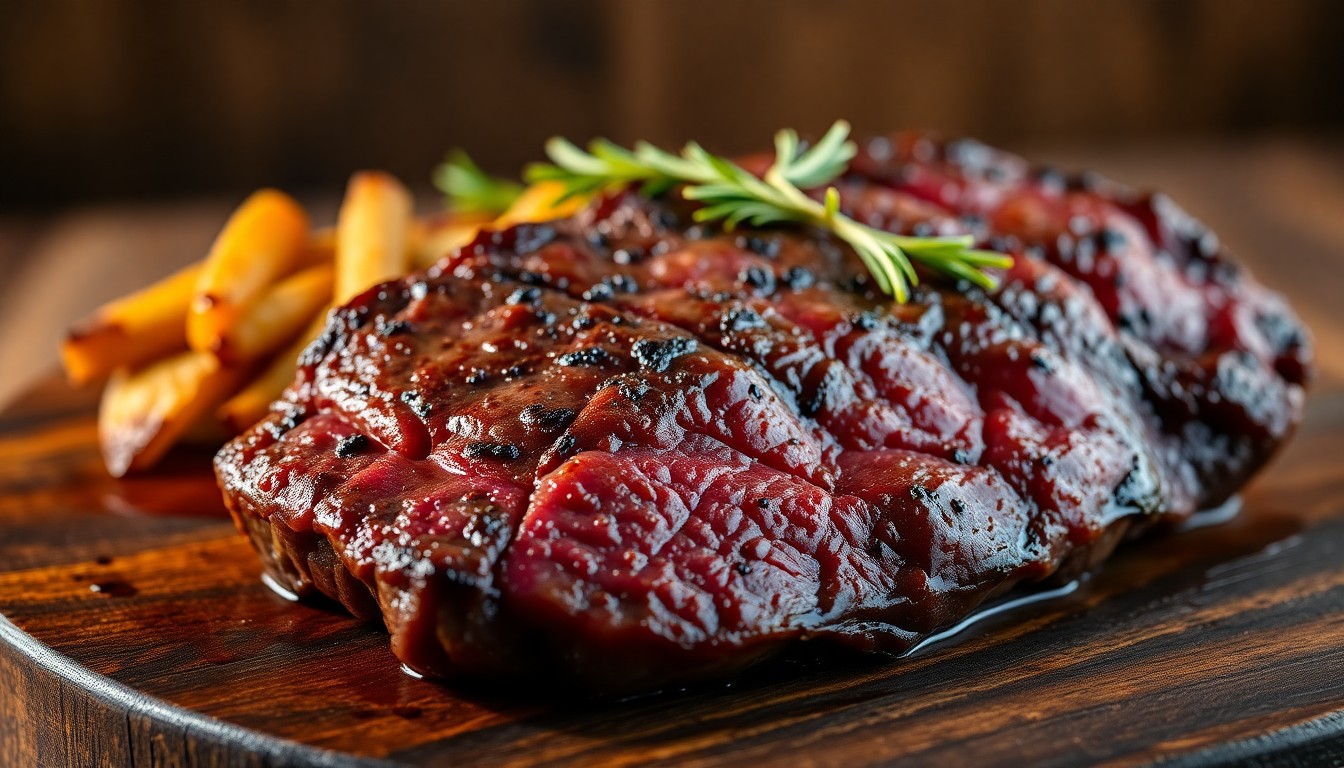
Welcome back to Meat Only Living! We know many newcomers and even seasoned veterans on the carnivore path often fall into a comfortable routine: steak, steak, and more steak. And while a perfectly cooked ribeye is undeniably one of life’s great pleasures, relying solely on it can limit your experience and potentially even your nutrient intake. If you’re looking for ways to expand your culinary horizons within the all-meat framework, you’ve come to the right place. This post is packed with simple carnivore recipes and Easy carnivore meals that go beyond the beloved steak, helping you keep things interesting, nutritious, and delicious.
Why Look Beyond Steak on the Carnivore Diet?
Steak is fantastic – nutrient-dense, satisfying, and relatively easy to prepare. But building your entire carnivore plan around a single cut, even a great one, might not be the optimal strategy for long-term success and well-being.
The Importance of Carnivore Variety
- Addressing potential nutrient gaps with steak-only approach: While Beef, especially steak cuts like ribeye and New York strip, is rich in many essential nutrients (B vitamins, iron, zinc, creatine), relying solely on muscle meat might leave you lower in certain vitamins and minerals more abundant in other animal foods. For example, liver is unparalleled for Vitamin A and copper, while fatty fish provides crucial Omega-3s (EPA/DHA) often less concentrated in grain-finished beef. Adding variety helps create a more robust nutritional profile.
- Mental benefits: Preventing boredom and increasing adherence: Let’s be honest, eating the exact same thing day after day can lead to burnout, no matter how much you initially enjoyed it. Introducing different meats, cuts, and cooking methods keeps your taste buds engaged and makes sticking to the carnivore way of eating much easier and more enjoyable. This mental aspect is crucial for long-term adherence.
Nutrient Density from Different Cuts and Animals
- Highlighting unique nutritional profiles: Different parts of the animal, and different animals altogether, offer unique benefits. Tougher cuts like chuck roast or brisket, when slow-cooked, provide abundant collagen and gelatin, great for connective tissue health. Pork offers a different fatty acid profile than beef, often richer in monounsaturated fats, while lamb provides unique fatty acids like CLA. Fatty fish like salmon and sardines are packed with anti-inflammatory Omega-3s.
- Mentioning the value of organ meats (briefly, expanded later): Organs are nature’s multivitamins. Liver, heart, kidney, and others are incredibly concentrated sources of essential vitamins and minerals, often far exceeding what’s found in muscle meat. We’ll dive into some easy ways to incorporate them later.
Preventing Flavor Fatigue
- Keeping the diet enjoyable long-term: Variety is the spice of life, even on carnivore! Exploring different flavors prevents the diet from feeling restrictive.
- Exploring different tastes and textures within the animal kingdom: From the rich gaminess of lamb to the delicate flavor of scallops, the crispy skin of chicken thighs to the fall-apart tenderness of slow-cooked pork shoulder, there’s a world of sensory experiences within animal foods. Embracing this variety makes your meat only recipes far more exciting.
Essential Carnivore Kitchen Staples (Beyond Just Meat)
Before we get to the recipes, let’s ensure your kitchen is stocked with the carnivore essentials that make cooking easy and flavorful.
High-Quality Animal Fats
Fat is your primary Energy source on carnivore, crucial for satiety and hormone health. Don’t fear the fat!
- Tallow (beef): Excellent for high-heat cooking like searing steaks or frying patties. Mild flavor.
- Lard (pork): Another great high-heat option, particularly good with pork dishes. Can have a slightly more distinct flavor than tallow. Look for good quality, non-hydrogenated lard.
- Butter (preferably grass-fed): Adds wonderful flavor, especially for lower-heat cooking, finishing dishes, or scrambling eggs. Grass-fed has a better nutrient profile.
- Ghee (clarified butter): Butter with milk solids removed. Higher smoke point than butter, suitable for higher-heat cooking. Great for those sensitive to dairy.
- Importance of fat for energy and satiety on carnivore: Eating enough fat is key to feeling full, energized, and avoiding cravings. Use these fats generously in your cooking.
Salt: The Primary Seasoning
- Different types (sea salt, Redmond Real Salt, Himalayan pink): Choose unrefined salts that contain trace minerals. Experiment to find your favorite flavor profile.
- Importance of electrolytes on a zero-carb diet: Cutting carbs reduces insulin levels, causing the kidneys to excrete more sodium. Replenishing salt is crucial to avoid symptoms like fatigue, headaches, or cramps. Salt your food liberally to taste.
Optional (Depending on Strictness) but Helpful Additions
- Eggs (highly nutritious, versatile): A fantastic source of protein, fat, choline, and vitamins. Great scrambled, fried, or used as a binder in meatballs or patties.
- Pork Rinds (for crunch/dipping, check ingredients): Can add texture. Always check ingredients – look for just pork skin and salt, avoiding added sugars or vegetable oils.
- Bone Broth (for hydration, minerals, gut health): Simmered animal bones release minerals and collagen. Great for sipping, hydration, and electrolytes. Can be used as a base for cooking tougher cuts.
Easy Carnivore Meals: Ground Meat Magic
Ground meat is affordable, versatile, and cooks quickly, making it perfect for weeknight meals.
Simple Meat Meals: The Mighty Meatball
- Basic Recipe Idea: All-Beef or Beef/Pork Blend Meatballs: Combining beef and pork (like an 80/20 beef with regular ground pork) adds fat and flavor.
- Ingredients: 1-2 lbs ground meat, 1-2 tsp salt (adjust to taste). Optional: 1-2 eggs or 1/4-1/2 cup crushed pork rinds as a binder if desired (many find they hold together fine with just meat and salt).
- Cooking Methods: Form into balls. Bake on a sheet pan at 400°F (200°C) for 15-20 minutes, or until cooked through. Alternatively, pan-fry in tallow or lard over medium heat, turning occasionally, until browned and cooked through.
- Tips for flavor and texture: Don’t overmix the meat. Using higher-fat ground meat results in juicier meatballs.
Carnivore Diet Ideas: Savory Meat Patties/Burgers (No Bun!)
- Basic Recipe Idea: Beef Patties, Lamb Patties, Pork Sausage Patties: Simply form ground meat into patties.
- Focus on high-fat ground meat (e.g., 80/20 beef): Fat equals flavor and prevents dry patties. Ground lamb and pork sausage are naturally higher in fat.
- Seasoning: Salt is key. Press it gently into the surface before cooking. If you allow other spices, black pepper or garlic powder (check your tolerance) can be added, but pure salt is fantastic. For sausage patties, look for pre-made options with clean ingredients or make your own by adding salt (and maybe sage, if allowed) to ground pork.
- Tips for achieving juicy patties without filler: Handle the meat gently, don’t press down on the patties while cooking, and cook in plenty of fat (tallow, lard, butter). Cook to your desired doneness – medium often yields the juiciest results.
Quick Skillet Scrambles (Great Meat Only Recipes for Breakfast or Any Meal)
- Recipe Idea: Ground Beef and Egg Scramble: Brown 1/2 lb ground beef in a skillet with salt. Drain excess fat if desired, or leave it in for extra energy. Push meat to one side, add a knob of butter or tallow if needed, and scramble 2-4 eggs in the empty side. Mix everything together once eggs are cooked.
- Variations: Add crumbled cooked bacon, leftover chopped sausage, diced ham (check ingredients), or even leftover shredded beef or pork for more complex Carnivore Diet Ideas.
Carnivore Recipes Featuring Other Cuts & Types of Meat
Branching out from ground meat and steak opens up new flavors and textures.
Pork Power: Simple and Satisfying
- Recipe Idea: Pan-Fried Pork Chops: Choose thicker cuts (1-1.5 inches) for better results. Pat chops dry, salt generously. Heat lard or tallow in a cast-iron skillet over medium-high heat. Sear chops for 3-4 minutes per side until golden brown. Reduce heat to medium-low and continue cooking until desired internal temperature is reached (around 145°F/63°C for juicy medium). Let rest before serving.
- Recipe Idea: Slow-Cooked Pulled Pork Shoulder (Boston Butt): A game-changer for meal prep and Carnivore Variety. Take a 4-6 lb pork shoulder roast. Rub generously with salt. Place in slow cooker (fat cap up if it has one). Cook on low for 6-8 hours, or until fork-tender. No liquid needed – it will create its own juices. Remove from slow cooker, shred with two forks, and mix with some of the rendered fat/juices. Delicious on its own or paired with eggs.
Lamb Love: Flavorful Alternatives
- Recipe Idea: Simple Lamb Chops (Loin or Rib): Lamb chops cook quickly. Pat dry, salt well. Pan-sear in tallow or butter over high heat for 2-4 minutes per side for medium-rare. Grilling or broiling also works well.
- Recipe Idea: Ground Lamb Skillet: Treat it like ground beef. Brown ground lamb in a skillet with salt, perhaps with a bit of butter or tallow. Its distinct, rich flavor is a welcome change. Great on its own or scrambled with eggs.
Embracing Poultry (If Included in Your Plan)
While beef and ruminants are often the focus, poultry can add variety for many carnivores.
- Recipe Idea: Simple Roasted Chicken Thighs: Opt for bone-in, skin-on thighs – they have more fat and flavor. Pat the skin completely dry (crucial for crispiness!). Salt generously. Place skin-side up on a baking sheet or rack. Roast in a hot oven (400°F / 200°C) for 35-45 minutes, or until skin is deeply golden and crispy, and juices run clear.
- Recipe Idea: Chicken Wings (Baked or Air-Fried): The ultimate carnivore finger food. Pat wings extremely dry. Toss with plenty of salt. For baking, arrange on a wire rack set over a baking sheet and bake at 400-425°F (200-220°C) for 40-50 minutes, flipping halfway, until crispy. For air frying, cook at 380-400°F (190-200°C) for 20-25 minutes, shaking the basket occasionally. Serve plain or toss with melted butter.
Utilizing Offal and Less Common Cuts for Nutrient Boosts
Don’t shy away from organ meats and tougher cuts – they are nutritional powerhouses and can be delicious when prepared correctly.
Introduction to Nutrient-Dense Organ Meats
- Briefly explain why they are valued: Organ meats like liver, heart, and kidney are incredibly rich in essential nutrients often found in lower amounts in muscle meat, including Vitamin A (preformed retinol), various B vitamins (especially B12 and folate), iron, copper, selenium, and CoQ10.
- Addressing common hesitancy: Many people are put off by the stronger flavor or unfamiliar texture. Starting small, choosing milder options (like chicken liver), and using proper cooking techniques can make a big difference.
Easy Carnivore Meals: Pan-Fried Liver (Beef or Chicken)
- Preparation tips: Some find soaking liver slices in water or milk (if dairy is tolerated) for 30 minutes to an hour helps mellow the flavor. This is optional. Always pat the liver completely dry before cooking.
- Cooking technique: Slice liver relatively thin (about 1/4 inch). Heat butter, bacon fat, or tallow in a skillet over medium heat. Add liver slices in a single layer (don’t overcrowd). Cook quickly, about 1-2 minutes per side. Overcooking makes it tough and rubbery. Season generously with salt after cooking. Chicken livers are generally milder than beef liver.
Simple Meat Meals: Braised Beef Heart or Tongue
- Focus on slow cooking methods: These muscular organs benefit from low and slow cooking (slow cooker, pressure cooker, Dutch oven) to become tender.
- Basic prep: Salt the meat well. Searing in fat first (optional) can add flavor. Place in the cooking vessel with a small amount of water or bone broth (just an inch or so). Cook on low for several hours (6-8+ in slow cooker, consult pressure cooker manual) until very tender.
- Heart: Trim away any tough silvery bits or valves before or after cooking. Can be cubed before braising or sliced thinly after cooking. It tastes much like lean beef.
- Tongue: Cook whole. After cooking and once cool enough to handle, the thick outer skin needs to be peeled off (it should come away easily). Slice the tender meat underneath. It’s fatty and rich.
Seafood Sensations: Carnivore Options from the Water
Fish and shellfish offer unique nutrients, particularly Omega-3 fatty acids.
Fatty Fish Favorites (Omega-3 Powerhouses)
- Recipe Idea: Simple Baked Salmon with Salt and Butter/Tallow: Place a salmon fillet (skin-on preferably) on a parchment-lined baking sheet. Dot generously with butter or tallow, sprinkle liberally with salt. Bake at 400°F (200°C) for 12-15 minutes per inch of thickness, or until cooked to your liking.
- Recipe Idea: Pan-Seared Sardines or Mackerel: Use canned (packed in water or olive oil – drain well) or fresh. For canned, gently pan-fry in tallow or butter until heated through and slightly crisp. For fresh (gutted and cleaned), pat dry, salt, and pan-fry in hot fat for a few minutes per side until skin is crispy and fish is cooked.
Shellfish Simplicity
- Recipe Idea: Steamed Mussels or Clams: Rinse shellfish well. Place in a pot with about an inch of water or bone broth. Cover and bring to a boil. Steam for 5-10 minutes, or until shells open wide. Discard any that remain closed. Serve immediately with a generous amount of melted butter for dipping.
- Recipe Idea: Pan-Fried Scallops in Butter or Tallow: Pat scallops very, very dry (this is key for a good sear). Salt just before cooking. Heat butter or tallow in a skillet over medium-high heat until shimmering. Add scallops in a single layer, ensuring not to overcrowd the pan. Sear for 1-2 minutes per side without moving them, until golden brown and just opaque. Serve immediately.
One-Pan & Minimal-Prep Carnivore Diet Ideas
Keep things simple with these low-effort approaches.
Sheet Pan Meat Combos
- Concept: Roast different types of meat together on one pan for easy cleanup. Choose meats with similar cooking times or cut larger pieces smaller.
- Example: Toss sliced pre-cooked sausage (check ingredients for purity – just meat, salt, maybe spices) and bone-in, skin-on chicken thighs with melted tallow or lard and salt. Spread on a sheet pan and roast at 400°F (200°C) until chicken is cooked through and sausage is browned (around 30-40 minutes).
Slow Cooker Simplicity: Set It and Forget It Meat Only Recipes
- Recipe Idea: Beef Chuck Roast with Salt: Take a 3-4 lb chuck roast, salt it generously on all sides. Place it in the slow cooker. Cook on low for 8-10 hours. No liquid needed. It will become incredibly tender and shreddable.
- Recipe Idea: Pork Shoulder (revisited for meal prep ease): As mentioned earlier, pulled pork is a fantastic slow cooker meal prep staple for effortless Simple Meat Meals during the week.
Air Fryer Wins for Quick Carnivore Recipes
- Ideal for: Reheating leftovers! It brings back crispiness to meats like chicken skin or burger patties far better than a microwave.
- Cooking smaller cuts: Great for cooking chicken wings, thinner pork chops, bacon (less mess!), burger patties, and meatballs quickly. Often results in a crispier exterior. Check your air fryer’s manual for times and temperatures.
Tips for Keeping Your Easy Carnivore Meals Interesting
Even with variety in ingredients, how you prepare them matters.
Varying Cooking Methods
- Rotate between grilling, baking, pan-frying, slow cooking, air frying, broiling: Don’t just pan-fry everything.
- Each method imparts different flavors and textures: Grilling adds smokiness, slow cooking creates tenderness, pan-frying gives a great crust, baking offers even cooking.
Playing with Textures
- Aim for crispy skin on poultry or crispy rendered fat caps on roasts.
- Enjoy the contrast between a seared exterior and a tender interior on steaks and chops.
- Savor the fall-apart tenderness of slow-cooked meats.
- Achieve that perfect quick sear for rare/medium-rare steaks or lamb chops.
The Role of High-Quality Salt and Fat in Flavor
- Don’t underestimate good salt: A quality unrefined salt enhances the natural flavor of meat beautifully. Experiment with different grain sizes and types.
- Different fats add unique flavor notes: Cooking eggs in butter tastes different than cooking them in bacon grease or tallow. Use this to your advantage.
Batch Cooking for Effortless Carnivore Variety Throughout the Week
- Cook large batches: Make a big chuck roast, a double batch of meatballs, or grill extra chicken thighs over the weekend.
- Mix and match: Combine pre-cooked elements for quick meals. Have leftover pulled pork with fried eggs for breakfast, or leftover meatballs alongside a fresh pan-fried pork chop for dinner.
- Keeps Simple Meat Meals readily available: This reduces decision fatigue and makes sticking to the plan much easier when life gets busy.
Conclusion: Embrace the Variety
While steak holds a special place in the carnivore world, exploring the vast array of other animal foods is key to a truly thriving, sustainable, and enjoyable meat-based lifestyle. By incorporating different cuts, animals (including nutrient-dense organs and seafood), cooking methods, and high-quality fats, you ensure a wider range of nutrients, prevent flavor fatigue, and make your carnivore journey more exciting. These easy carnivore meals and simple meat meals prove that meat only recipes can offer incredible carnivore variety without complexity. So, step beyond the steakhouse staples and discover the full, delicious potential of eating meat only!
Frequently Asked Questions (FAQ)
Q1: I’m hesitant about the taste of organ meats like liver. Any tips for beginners?
A1: Absolutely! Start small. Try chicken livers first, as they are generally milder than beef liver. Soaking slices in water or milk (if tolerated) for 30-60 minutes before cooking can mellow the flavor. Pat them completely dry and cook quickly in plenty of fat (butter or bacon fat works well) – overcooking makes them tough and intensifies any bitterness. Don’t cook them past medium-rare/medium. You can also try chopping cooked liver very finely and mixing a small amount into ground beef for burgers or meatballs to gradually get accustomed to the taste.
Q2: What are the best fats to cook with on the carnivore diet?
A2: The best fats are stable, natural animal fats. Tallow (beef fat) and lard (pork fat) are excellent choices for high-heat cooking like searing and frying due to their high smoke points. Grass-fed butter is wonderful for flavor in lower-heat cooking or for finishing dishes, and ghee (clarified butter) offers a higher smoke point than butter if needed. Using leftover bacon grease is also a popular and flavorful option. Choose the fat based on the cooking method and desired flavor profile.
Q3: How can I make meal prep interesting so I don’t get bored eating the same thing?
A3: The key is to batch cook components, not necessarily entire identical meals. For example, cook a large batch of ground beef, a slow-cooked pork shoulder, and maybe some hard-boiled eggs. During the week, you can quickly assemble different combinations: have ground beef patties one night, pulled pork another, scramble eggs with leftover ground beef for breakfast, or simply eat a portion of the cold roast with salt. You can also vary how you reheat – pan-fry leftover meatballs for a crispy exterior, or gently warm pulled pork in its juices. This provides Carnivore Variety using pre-cooked elements, making Simple Meat Meals quick without being monotonous.