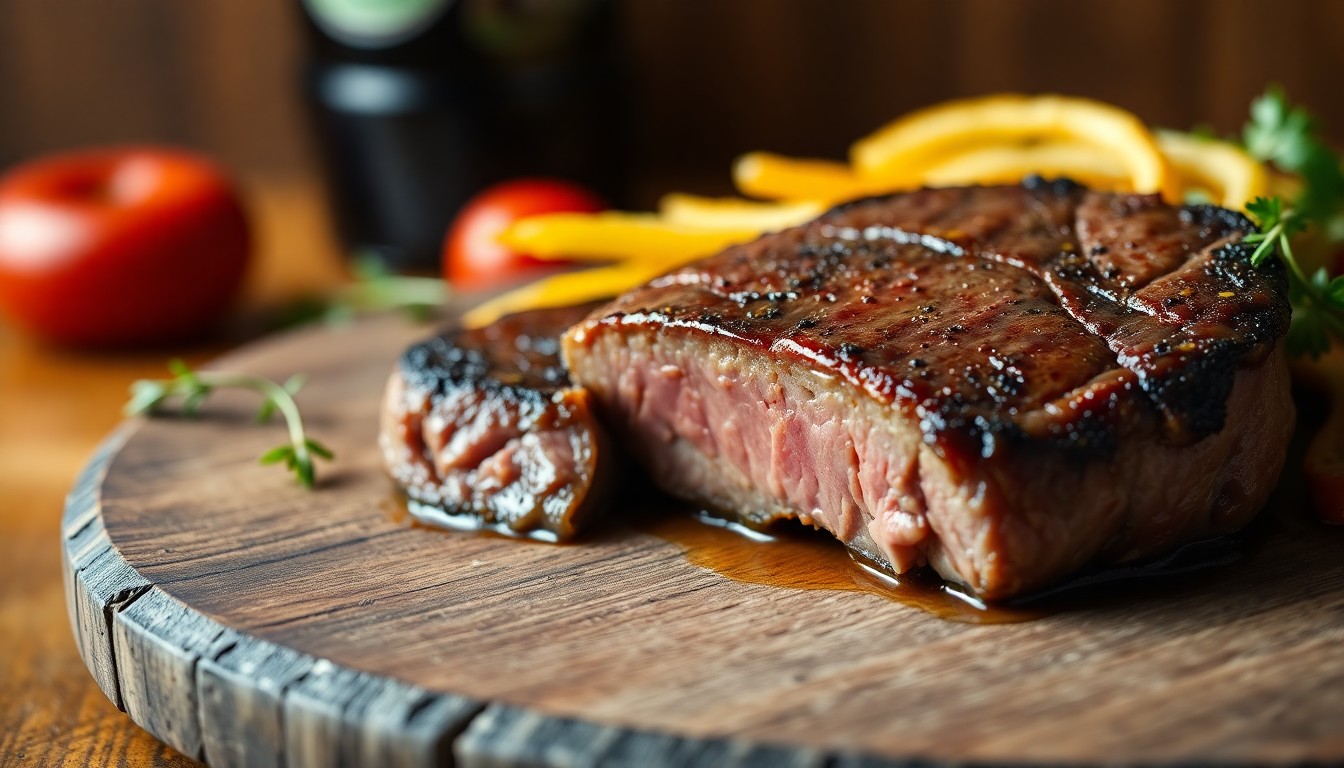
Embarking on the Carnivore Diet journey can feel like stepping into a whole new world – one focused on nutrient-dense animal foods and the potential for incredible health transformations. Many people report significant improvements in Energy, mental clarity, digestion, and chronic health issues. However, like any major dietary shift, the transition isn’t always seamless. Understanding and navigating the potential Carnivore Challenges, especially during the initial Carnivore Adaptation phase, is crucial for long-term success and experiencing the full benefits of this way of eating.
Whether you’re just considering Starting Carnivore or you’re navigating the ups and downs of the first few weeks, this guide provides practical Carnivore Tips to help you manage the Carnivore Transition smoothly and thrive beyond the initial adjustment period.
Understanding the Carnivore Diet & Why Challenges Arise
Before diving into solutions, let’s understand the fundamentals and why your body might initially push back.
Defining the Carnivore Diet: More Than Just Meat
At its core, the Carnivore Diet involves consuming only animal products – primarily Meat (beef, lamb, pork, poultry, game), fish, and eggs. Some variations include dairy products like butter, cheese, and heavy cream, depending on individual tolerance. The defining characteristic is the complete exclusion of plant-based foods: fruits, vegetables, grains, legumes, nuts, and seeds. This ancestral approach focuses on obtaining all necessary nutrients from the most bioavailable sources: animal foods.
The Metabolic Shift: Why Your Body Protests During the Carnivore Transition
For most of modern life, our bodies have primarily run on glucose (sugar) derived from carbohydrates. When you drastically cut carbs by adopting a Carnivore Diet, your body must switch its primary fuel source from glucose to fat. This process involves becoming “fat-adapted,” where your cells efficiently utilize fatty acids and ketones for energy. This fundamental metabolic shift impacts energy pathways and hormone signalling (like insulin), and it takes time. During this switch, you might experience temporary dips in energy or other symptoms as your body learns this new metabolic language.
Gut Microbiome Adjustments
Your gut is home to trillions of bacteria, collectively known as the microbiome. These microbes are heavily influenced by your diet. Switching from a carb-heavy, fiber-rich diet to an all-animal-product diet provides entirely different fuel sources for these bacteria. Fiber-loving species may die off, while populations suited to digesting protein and fat thrive. This shift can lead to initial digestive responses like changes in bowel movements as your gut adapts.
Withdrawal Symptoms & Nutrient Adjustments
Cutting out carbohydrates, especially refined sugars and grains, can trigger withdrawal-like symptoms similar to quitting caffeine or sugar. Your body is also adapting to obtaining nutrients differently and managing fluids and electrolytes without the influence of high carbohydrate intake (which causes water retention). Initial fluid loss is common, often taking essential electrolytes with it, leading to some common adaptation symptoms.
The Carnivore Adaptation Phase: Tackling Initial Hurdles
The first few days or weeks are often the most challenging part of the Carnivore Transition. Knowing what to expect can make all the difference.
What is the Carnivore Adaptation Phase?
This is the initial period where your body adjusts metabolically, hormonally, and digestively to the Carnivore Diet. The timeline varies significantly from person to person – some feel great within days, while others might take several weeks or even a couple of months to fully adapt. Setting realistic expectations when Starting Carnivore is key. Don’t expect overnight miracles; focus on consistency and listening to your body.
Common Carnivore Side Effects (The “Induction Flu”)
Many common symptoms experienced during adaptation are often collectively referred to as the “keto flu” or “induction flu,” as they mirror those seen when starting a ketogenic diet. These Carnivore Side Effects are usually temporary:
Fatigue and Low Energy
This is arguably the most common complaint. As your body switches from burning readily available glucose to tapping into fat stores and dietary fat, there can be an energy lag. Your cellular machinery needs time to upregulate fat-burning pathways. Patience and ensuring adequate fat and calorie intake are vital here.
Headaches and Brain Fog
Often, these are direct results of dehydration and electrolyte imbalances, particularly sodium loss. As your insulin levels drop, your kidneys excrete more sodium and water. Replenishing these is crucial.
Nausea and Appetite Changes
Suddenly increasing fat intake, especially rendered fats, can sometimes cause nausea as your digestive system, particularly your gallbladder (which produces bile to emulsify fats), adjusts. Appetite might fluctuate wildly initially – sometimes ravenous, sometimes completely absent.
Muscle Cramps and Spasms
Leg cramps, particularly at night, often signal electrolyte depletion. Magnesium, potassium, and sodium are the main culprits here. The initial water loss flushes these minerals out.
Mood Swings and Irritability
Fluctuations in blood sugar (even as it stabilizes overall), hormonal shifts, and the mental challenge of eliminating familiar comfort foods can contribute to temporary moodiness.
Navigating Digestive Carnivore Challenges
Digestive adjustments are common Carnivore Challenges during adaptation:
Diarrhea
This is often caused by consuming too much rendered fat (like tallow, lard, or bacon grease) too quickly before your system can handle it, insufficient bile production/flow initially, or sometimes an electrolyte imbalance. Focusing on fat attached to the meat (like a fatty steak) rather than added liquid fats can help.
Constipation
Conversely, some experience constipation. This is frequently linked to dehydration (ensure adequate water AND salt intake), insufficient fat intake (fat helps lubricate the bowels and stimulate movement), or simply the body adjusting to much lower stool volume due to the high digestibility of meat.
Managing Intense Cravings
Cravings for carbs and sugar are common, especially early on. These can be physiological (your body still wired for glucose) or psychological (missing textures, habits, or comfort foods). Riding them out, ensuring you’re eating enough fatty meat to satiety, and staying hydrated often helps diminish them over time.
Social and Mental Hurdles During Carnivore Adaptation
Explaining this unconventional diet to friends, family, or colleagues can be draining. You might face skepticism, concern trolling, or outright lack of support. Missing social rituals centered around non-carnivore foods can also be tough. Preparing simple explanations and focusing on your own health goals can help.
Practical Carnivore Tips for a Smoother Carnivore Transition
Armed with knowledge, let’s move to actionable strategies:
Strategy 1: Choose Your Starting Carnivore Approach
You can go “cold turkey,” eliminating all plant foods at once, or take a gradual approach, removing food groups week by week.
- Cold Turkey: Often leads to a faster adaptation but potentially more intense initial Carnivore Side Effects.
- Gradual: May ease the transition symptoms but prolongs the adaptation period.
Strategy 2: Master Your Electrolytes
This is non-negotiable during Carnivore Adaptation.
- Sodium: Salt your food liberally with a quality unrefined salt (like Redmond Real Salt, Celtic sea salt). Add salt to water. Aim for at least 5 grams of sodium (about 2 teaspoons of salt) daily, potentially more.
- Potassium: Found in meat (especially beef and salmon), but supplementation might be needed initially for some (e.g., potassium citrate or chloride, often found in “keto” electrolyte mixes). Be cautious with potassium supplements; start low.
- Magnesium: Meat contains magnesium, but levels might be lower than previously consumed from plant sources, plus it gets depleted with fluid loss. Consider supplementing with magnesium glycinate or malate before bed.
Strategy 3: Optimize Fat Intake
Fat is your new primary fuel. Don’t fear it!
- Listen to your body to find your ideal fat-to-protein ratio. Aim for fatty cuts of meat (ribeyes, chuck roast, 80/20 ground beef, pork belly, salmon).
- If adding rendered fats (tallow, butter, bacon grease), start slowly to allow digestion to adapt.
- Prioritize the fat naturally occurring on the meat first.
- Feeling low energy or overly hungry? You likely need more fat. Feeling nauseous or having diarrhea? You might need to slightly reduce added fats temporarily.
Strategy 4: Hydration is Non-Negotiable
Initial water loss means you need to drink more, but crucially, drink water with electrolytes (especially salt).
- Drink to thirst, but ensure you’re salting your water or food adequately.
- Over-hydrating with plain water can further flush out electrolytes, worsening symptoms.
- Sipping salted water or bone broth throughout the day can be very helpful.
Strategy 5: Eat Enough & Eat When Hungry
The adaptation phase is NOT the time for calorie restriction.
- Focus on eating fatty meat until you are comfortably full (satiated).
- Listen to your hunger signals – eat when hungry, stop when full.
- Undereating, especially fat, will prolong adaptation symptoms like fatigue and cravings.
Strategy 6: Prioritize Sleep and Reduce Stress
Your body is undergoing significant changes; it needs rest to adapt efficiently.
- High stress levels (cortisol) can interfere with fat adaptation and hormone balance.
- Aim for 7-9 hours of quality sleep per night.
- Incorporate stress-reducing activities like walking, gentle stretching, or mindfulness.
Beyond Adaptation: Sustaining the Carnivore Diet Long-Term
Once you’re through the initial phase, the focus shifts to sustainability and fine-tuning.
Addressing Potential Long-Term Carnivore Challenges
Food Boredom & Plate Fatigue
Eating only steak and ground beef can get old. Lack of variety is a common reason people quit.
Social Situations & Eating Out
Navigating restaurants, holidays, and parties requires planning and communication.
Sourcing Quality Animal Products & Cost Management
Finding affordable, high-quality (ideally grass-finished, pasture-raised) meat, eggs, and seafood can be a hurdle.
Fine-Tuning Digestion
Some individuals may need ongoing adjustments to fat ratios, meal timing, or even consider supplements like ox bile if digestive issues persist long-term (though often unnecessary once fully adapted).
Addressing Nutrient Concerns (and Misconceptions)
Concerns about Vitamin C, fiber, or specific minerals often arise. However, nutrient needs change on a zero-carb diet (e.g., less Vitamin C is needed without glucose competition), and animal foods, especially organ meats, are incredibly nutrient-dense.
Long-Term Carnivore Tips for Success and Sustainability
Introduce Variety
Don’t just stick to beef! Explore:
- Different ruminants: Lamb, bison, goat.
- Pork: Chops, belly, ribs.
- Poultry: Chicken thighs/wings (fattier parts), duck.
- Seafood: Fatty fish like salmon, mackerel, sardines; shellfish.
- Eggs: A nutritional powerhouse.
- Dairy (if tolerated): Butter, ghee, hard cheeses, heavy cream.
Experiment with Cooking Methods
Prevent boredom by trying different preparations: grilling, pan-searing, roasting, slow-cooking, air-frying, smoking.
Embrace Nose-to-Tail Eating
Organ meats (liver, heart, kidney) are nutritional superstars, packed with vitamins and minerals often harder to get from muscle meat alone. Start small (e.g., mix ground liver into ground beef). Bone broth is excellent for gut health and minerals.
Plan Ahead for Social Events
Eat beforehand so you’re not starving. Check menus online for simple meat options (steak, burger patties without the bun). Offer to bring a carnivore-friendly dish (like deviled eggs or meatballs) to gatherings.
Budgeting Strategies
Buy cheaper cuts (chuck roast, brisket, ground beef) which are often fattier and great for slow-cooking. Purchase in bulk from local farms or butchers. Watch for sales.
Listen To Your Body – Continuous Adjustment
Your needs might change over time. Pay attention to your energy levels, digestion, mood, and performance. Adjust your fat intake, meal frequency, or food choices accordingly. The goal is sustainable well-being.
When Professional Guidance is Recommended
While most adaptation symptoms are temporary, sometimes expert help is needed.
Persistent or Severe Carnivore Side Effects
If symptoms like severe diarrhea, fatigue, or mood issues don’t improve after several weeks or significantly worsen, it’s wise to consult a healthcare professional.
Navigating Pre-existing Health Conditions
If you have pre-existing conditions, especially kidney disease, gallbladder issues (like removal), gout, or type 1 diabetes, it’s crucial to discuss starting the Carnivore Diet with your doctor beforehand.
Seeking Support from Carnivore-Informed Practitioners
Finding a doctor, nutritionist, or health coach who understands and has experience with low-carb, ketogenic, or carnivore diets can provide valuable personalized guidance and help troubleshoot persistent issues.
Conclusion
The Carnivore Diet offers a powerful path towards improved health for many, but the journey often begins with the Carnivore Adaptation phase. By understanding the metabolic shifts, anticipating common Carnivore Challenges like the “induction flu” and digestive adjustments, and implementing practical Carnivore Tips – particularly managing electrolytes, optimizing fat intake, staying hydrated, eating enough, and prioritizing rest – you can navigate this transition more smoothly. Beyond adaptation, embracing variety, planning strategically, and continuously listening to your body are key for long-term success. While challenges exist, overcoming them often unlocks significant benefits, potentially including sustained energy, improved mental clarity, better digestion, and relief from various health complaints, making the effort well worth it for those seeking optimal well-being through meat-only living.
Frequently Asked Questions (FAQ)
How long does the Carnivore Adaptation phase usually last?
The duration of the Carnivore Adaptation phase varies greatly among individuals. Some people feel adjusted within a week, while for others it might take 3-6 weeks, or occasionally longer, to fully overcome initial Carnivore Side Effects like fatigue and digestive changes and become efficiently fat-adapted. Patience and consistency with the Carnivore Tips outlined above are key.
What’s the most important thing to focus on to minimize Carnivore Side Effects during the transition?
While several factors are important, managing electrolytes (sodium, potassium, magnesium) is arguably the most critical step for minimizing common adaptation symptoms like headaches, fatigue, muscle cramps, and dizziness. Liberal salting of food and water, consuming potassium-rich meats, and potentially supplementing magnesium can make the Carnivore Transition significantly smoother.
Won’t eating only meat get boring and lead to nutrient deficiencies long-term?
Food boredom is a potential Carnivore Challenge, but it can be managed by actively seeking variety – exploring different types of meat, fish, eggs, cooking methods, and incorporating organ meats (“nose-to-tail”). Regarding nutrients, a well-formulated Carnivore Diet utilizing various animal foods, especially fatty cuts and organ meats, is incredibly nutrient-dense. Many nutrient requirements also change in the absence of carbohydrates, meaning deficiencies are less likely than often assumed, particularly if variety and quality are prioritized.