What is the Carnivore Diet? Understanding the Basics
Defining the Carnivore Diet
The carnivore diet is, at its core, an elimination diet that focuses solely on animal products. It’s a way of eating that restricts your intake to foods derived from animals, eliminating all plant-based foods.
- Foods allowed: Meat (beef, pork, lamb, game), fish, poultry, and eggs (for some, eggs may be excluded depending on individual tolerances).
- Foods excluded: All plant-based foods, including fruits, vegetables, grains, legumes, nuts, and seeds.
- Emphasis on animal fats and protein: Animal fats are not restricted and are a crucial part of providing energy on this diet.
- Brief discussion on the elimination diet aspect: By removing all plant-based foods, the diet aims to eliminate potential irritants and allergens, which may be beneficial for some individuals with digestive issues or autoimmune conditions.
Potential Benefits (and Caveats) of a Meat Only Diet
Many people report experiencing various benefits from adopting a meat only diet, although it’s important to remember that individual results can vary significantly.
- Weight loss: The high protein and fat content can promote satiety and reduce overall calorie intake, potentially leading to weight loss.
- Improved digestion (for some): Eliminating plant-based fibers can be beneficial for individuals with certain digestive sensitivities.
- Reduced inflammation (anecdotal evidence): Some individuals report a reduction in inflammatory markers and symptoms, though more research is needed.
- Mental clarity (reported by some): Some proponents claim improved focus and cognitive function.
- Important Note: It’s crucial to acknowledge that the carnivore diet is a relatively new area of study, and long-term research is limited. Potential risks and side effects exist, and it’s absolutely vital to consult with a healthcare professional or registered dietitian before starting this diet. They can help assess your individual health status and monitor you for any potential deficiencies.
Is the Carnivore Diet Right for You?
Deciding whether the carnivore diet is suitable for you requires careful consideration.
- Consider personal health goals: What are you hoping to achieve with this diet? Are your goals realistic and aligned with the potential benefits?
- Discuss potential challenges: Be prepared for social situations where adhering to the diet might be difficult. Also, consider the potential for nutrient deficiencies if the diet is not carefully planned.
- Importance of listening to your body: Pay close attention to how your body responds. If you experience any negative symptoms, discontinue the diet and consult a healthcare professional.
- Reiterate the need for medical consultation before starting: This cannot be stressed enough. A doctor can help you determine if this diet is safe for you and monitor your health throughout.
Why Meat Meal Prep is Essential on the Carnivore Diet
Simplifying the Carnivore Diet Through Preparation
Meat meal prep is a game-changer for anyone following the carnivore diet. It offers numerous advantages that make sticking to this way of eating much easier.
- Time-saving benefits: Preparing your meals in advance saves significant time during the week, especially when your options are limited to animal products.
- Ensuring adherence to the diet: Having pre-prepared meals readily available reduces the temptation to deviate from the diet, especially when you’re short on time or energy.
- Controlling ingredient quality and sourcing: You have complete control over the quality and source of your meat, ensuring you’re consuming the best possible products.
- Preventing impulse decisions to eat off-plan: When hunger strikes, having a prepared carnivore meal plan ready prevents you from making impulsive choices that could derail your progress.
Budget-Friendly Carnivore: Making Meat Meal Prep Affordable
While meat can be expensive, there are ways to make meat meal prep more affordable on a carnivore diet.
- Buying meat in bulk: Purchasing larger quantities of meat from wholesalers or butchers can often result in significant savings.
- Choosing less expensive cuts of meat: Opting for cuts like ground beef, chuck roast, or chicken thighs can be more budget-friendly than premium cuts.
- Utilizing leftovers creatively: Leftover cooked meat can be repurposed into different meals, reducing waste and saving money.
- Focusing on whole animal utilization (organ meats, bone broth): Organ meats are incredibly nutrient-dense and often much cheaper than muscle meats. Bone broth is a cost-effective way to extract valuable nutrients from bones.
Essential Tools for Meat Meal Prep
Having the right tools can make meat meal prep much more efficient.
- Quality knives: A good set of sharp knives is essential for safely and efficiently preparing meat.
- Large cutting board: Provides ample space for preparing large cuts of meat.
- Food storage containers (glass or BPA-free plastic): For storing your prepped meals. Glass is preferable for reheating.
- Slow cooker/Instant Pot (optional but highly recommended): These appliances are excellent for cooking tougher cuts of meat and making bone broth.
- Meat thermometer: Ensures your meat is cooked to a safe internal temperature.
Simple Carnivore Recipes for Beginners: Your First Week
Beginner Carnivore Meal Plan: 7-Day Example
This 7-day meal plan provides a starting point for your carnivore diet journey. It emphasizes simplicity and uses basic cooking techniques.
- Day 1: Breakfast: Ground beef and eggs. Lunch: Steak. Dinner: Roasted chicken.
- Day 2: Breakfast: Bacon and eggs. Lunch: Leftover chicken. Dinner: Salmon.
- Day 3: Breakfast: Ground beef. Lunch: Leftover salmon. Dinner: Pork chops.
- Day 4 – Day 7: Repeat or variations of the above, introducing different cuts of meat (e.g., lamb, different types of fish).
- Include portion size guidelines: Start with 4-8 ounces of meat per meal and adjust based on your individual hunger and satiety levels.
- Emphasize simplicity: Minimal seasoning is key for beginners. Use salt and pepper liberally. Other animal-based seasonings, such as rendered animal fat, can also be used.
Basic Cooking Techniques for Meat Only Diet Success
Mastering these basic cooking techniques will ensure your meat only diet meals are delicious and properly cooked.
- Roasting: Preheat your oven to the appropriate temperature (usually 350-400°F/175-200°C). Place the meat in a roasting pan and cook until it reaches the desired internal temperature.
- Pan-frying: Heat a skillet over medium-high heat. Add a small amount of animal fat (tallow, lard, or ghee). Sear the meat on both sides until cooked through.
- Grilling: Preheat your grill to medium-high heat. Grill the meat, flipping occasionally, until cooked to your liking.
- Slow cooking: Place tougher cuts of meat in a slow cooker with a small amount of water or bone broth. Cook on low for 6-8 hours, or until the meat is tender.
- Instant Pot cooking: Follow the manufacturer’s instructions for cooking meat in an Instant Pot. This method significantly reduces cooking time.
Carnivore Recipes: Staple Dishes
- Simple Carnivore Ground Beef: Brown ground beef in a skillet over medium heat. Season with salt and pepper. Drain off any excess fat.
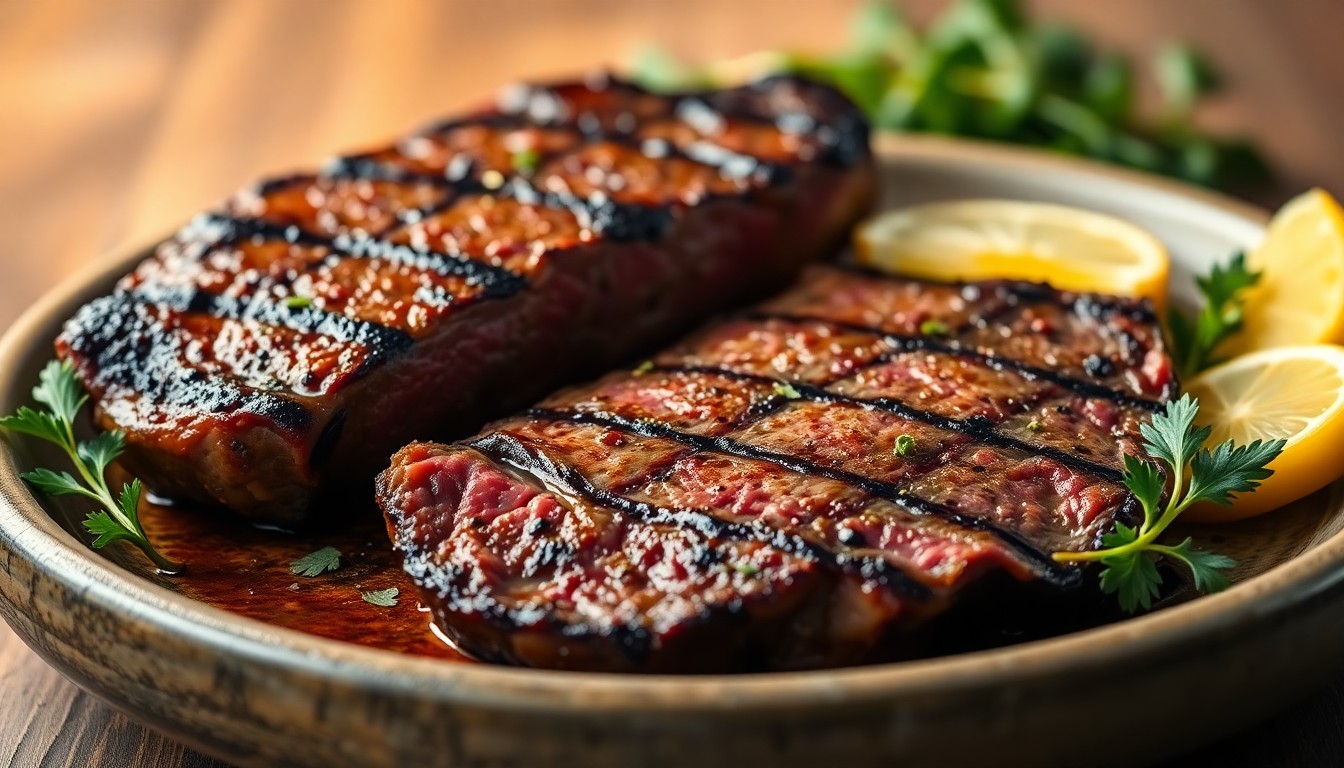
- Perfectly Seared Steak: Pat the steak dry with paper towels. Season generously with salt and pepper. Heat a cast-iron skillet over high heat until smoking. Sear the steak for 2-3 minutes per side for medium-rare, adjusting cooking time for desired doneness.
- Easy Roasted Chicken: Preheat oven to 400°F (200°C). Pat the chicken dry with paper towels. Season generously with salt and pepper, inside and out. Roast for 1-1.5 hours, or until the internal temperature reaches 165°F (74°C).
- Flaky Baked Salmon: Preheat oven to 400°F (200°C). Place salmon fillets on a baking sheet lined with parchment paper. Season with salt and pepper. Bake for 12-15 minutes, or until the salmon is cooked through and flakes easily.
- Bone Broth: Place bones (beef, chicken, or a mix) in a large pot or slow cooker. Cover with water. Add a splash of apple cider vinegar (optional, helps extract minerals). Bring to a boil, then reduce heat and simmer for 12-48 hours. Strain the broth and store in the refrigerator or freezer.
Beyond the Basics: Leveling Up Your Carnivore Meal Plan
Incorporating Variety: Different Cuts and Types of Meat
Once you’re comfortable with the basics, you can start exploring different cuts and types of meat to add variety to your carnivore meal plan.
- Exploring organ meats (liver, heart, kidneys): Organ meats are nutritional powerhouses, packed with vitamins and minerals. Liver can be pan-fried or made into pâté. Heart can be grilled or stewed. Kidneys require careful preparation to remove their strong flavor.
- Different cuts of beef: Ribeye (rich and flavorful), sirloin (leaner), chuck roast (great for slow cooking), brisket (ideal for smoking or slow cooking).
- Variety of poultry: Chicken, turkey, duck (richer and fattier than chicken).
- Different types of fish: Salmon (rich in omega-3 fatty acids), tuna (high in protein), cod (mild flavor), mackerel (oily and flavorful).
- Lamb, pork, and other less common meats: Experiment with different flavors and textures.
Adding Flavor (While Staying Carnivore)
While plant-based spices are off-limits for strict carnivores, you can still add flavor using animal-based products.
- Animal-based fats: Tallow (rendered beef fat), lard (rendered pork fat), ghee (clarified butter), butter. These fats add richness and flavor to your dishes.
- Bone marrow: Roast bones with marrow until the marrow is soft and spreadable. Use it as a spread or add it to other dishes.
- Salt variations: Sea salt, Himalayan pink salt. Experiment with different types of salt to enhance the flavor of your meat.
- Caution: Reiterate the strictness of the diet and avoidance of plant-based spices for strict carnivores. Even seemingly harmless spices like garlic powder or onion powder are derived from plants.
- Egg Yolks: Use whisked egg yolks to create a sauce or binder for meat dishes.
Advanced Carnivore Recipes
- Beef Ribs (slow-cooked or smoked): Slow cooking or smoking beef ribs results in tender, fall-off-the-bone meat.
- Carnivore-Friendly “Burgers” (meat patties only): Simply form ground beef into patties and cook them on the grill or in a skillet.
- Steak Tartare (for those comfortable with raw meat – emphasize safe sourcing): Finely chop high-quality beef (such as filet mignon) and mix it with salt, pepper. Ensure the meat is sourced from a reputable supplier to minimize the risk of foodborne illness.
- Pork Belly (crispy and flavorful): Score the skin of the pork belly and roast it until the skin is crispy and the meat is tender.
- Duck Confit (using duck fat): Cure duck legs in salt and then slow-cook them in their own fat until incredibly tender.
- Meat-Based “Soups” (primarily broth and meat): Use bone broth as the base and add chunks of cooked meat.
Troubleshooting and FAQs for the Carnivore Diet
Common Challenges and Solutions
- Constipation: Ensure you’re consuming enough fat, staying adequately hydrated, and consider supplementing with electrolytes (sodium, potassium, magnesium). Some individuals find that increasing fat intake helps alleviate constipation.
- “Keto Flu” or adaptation symptoms: These symptoms (headache, fatigue, muscle cramps) are often caused by electrolyte imbalances. Replenish electrolytes by consuming bone broth, adding salt to your meals, and potentially supplementing with magnesium and potassium.
- Social eating: Plan ahead and bring your own carnivore-friendly meal if necessary. Communicate your dietary needs to your hosts or choose restaurants with suitable options.
- Cravings: Cravings for carbohydrates are common during the adaptation phase. These usually subside over time as your body adjusts to burning fat for fuel.
Frequently Asked Questions
- Can I drink coffee or tea on the carnivore diet?
Strictly speaking, coffee and tea are derived from plants and therefore are not permitted on a strict carnivore diet. However, some individuals choose to include them, especially black coffee, without experiencing negative effects. Listen to your body and make a decision that works best for you.
- What about supplements?
Ideally, you should obtain all your nutrients from animal products. However, some individuals may benefit from supplementing with certain nutrients, especially during the adaptation phase. Consult with a healthcare professional to determine if supplementation is necessary for you.
- How much meat should I eat?
Eat to satiety. There’s no need to count calories or restrict portions strictly. Listen to your body’s hunger and fullness cues. Start with 4-8 ounces per meal and adjust as needed.
- Is it safe to eat only meat long-term?
Long-term studies on the carnivore diet are limited. While many people report positive experiences, it’s essential to monitor your health closely and consult with a healthcare professional regularly. Blood tests can help identify any potential nutrient deficiencies.
- How to deal with loose stools?
This can be a common issue when starting the carnivore diet, especially if you rapidly increase your fat intake. Gradually increase your fat consumption to allow your body to adjust. Ensure adequate hydration.
- Addressing concerns about cholesterol.
The carnivore diet is high in saturated fat and cholesterol. While some individuals may see an increase in cholesterol levels, others may not. It’s important to monitor your lipid profile with regular blood tests and discuss any concerns with your doctor. The relationship between dietary cholesterol and heart disease is complex and currently being re-evaluated in the scientific community.
Long-Term Sustainability of a meat only diet.
Monitoring and adjusting.
- Importance of bloodwork: Regular bloodwork is crucial to monitor nutrient levels, cholesterol, and other health markers.
- Listening to your body cues: Pay close attention to any changes in energy levels, digestion, or overall well-being.
- When to seek medical help: If you experience any concerning symptoms, consult a healthcare professional immediately.
- Periodical diet re-evaluation: Regularly assess whether the diet continues to meet your needs and goals.
Cycling or modifying.
- Discuss carnivore variations: Some individuals follow a cyclical carnivore diet, incorporating periods of stricter adherence with periods of reintroducing certain plant foods.
- Potentially adding back limited food groups: If you experience negative effects or nutrient deficiencies, consider reintroducing specific low-toxin plant foods under the guidance of a healthcare professional.
- Ketovore approach: This approach combines aspects of the ketogenic and carnivore diets, allowing for a small amount of low-carbohydrate, non-starchy vegetables.
Ultimately, the key to long-term success with any diet, including the carnivore diet, is to find a sustainable approach that works for your individual needs and preferences. Consistent monitoring, adjustments, and professional guidance are vital.
Conclusion
The carnivore diet, with its emphasis on animal products and elimination of all plant-based foods, presents a unique approach to eating. Meat meal prep is a vital strategy for simplifying the diet, ensuring adherence, and managing costs. Potential benefits such as weight loss, improved digestion, and reduced inflammation are reported by some, but it’s crucial to remember that research is ongoing, and individual results vary. The simple carnivore recipes provided offer a foundation for beginners, while the advanced options cater to those seeking more variety. Prioritizing whole, unprocessed meats, understanding basic cooking techniques, and listening to your body are key to success. Always consult with a healthcare professional before starting the carnivore diet, and regularly monitor your health to ensure its long-term sustainability and safety.