Introduction to the Carnivore Diet and Meal Prep
What is the Carnivore Diet?
The carnivore diet is a way of eating that focuses exclusively on animal products. Essentially, it’s a Meat-only diet. This means consuming all types of meat, including beef, pork, lamb, poultry, fish, and seafood, and eliminating all plant-based foods like fruits, vegetables, grains, legumes, and nuts. Some people also include eggs and dairy, while others stick strictly to muscle meat and organs. The core principle is to obtain all necessary nutrients from animal sources.
Potential benefits that some people experience include weight loss, improved digestion, reduced inflammation, and increased mental clarity. However, it’s important to remember that everyone’s body is different, and results can vary.
Disclaimer: It’s crucial to consult your doctor or a qualified healthcare professional before starting any new diet, including the carnivore diet. They can help you assess if it’s appropriate for your individual health needs and circumstances.
Why Meal Prep is Essential for the Carnivore Diet
Meal prepping is a game-changer for anyone, but it’s particularly beneficial for those following a carnivore diet. Here’s why:
- Time-saving cooking is key for adherence. Let’s face it, life gets busy. Having pre-cooked meals readily available makes it much easier to stick to your dietary plan, even when you’re short on time.
- Avoid temptation with readily available carnivore recipes. When hunger strikes, it’s easy to reach for convenient, but non-carnivore, options. Meal prep eliminates this temptation by ensuring you always have a Delicious, meat-based meal on hand.
- Ensures consistent intake of high-quality protein and fat. The carnivore diet is all about nutrient density. Meal prepping helps you consistently consume the right amount of protein and fat to fuel your body.
- Meat meal prep simplifies the carnivore diet. It takes the guesswork out of meal planning and makes the entire process more manageable.
- Reduces food waste. By planning your meals and cooking in advance, you’re less likely to have ingredients spoil, which saves you money and minimizes waste.
Getting Started with Carnivore Meal Prep: Essential Tools and Tips
Kitchen Equipment for Efficient Meat Prep
Having the right tools can significantly streamline your meat meal prep process. Here’s a list of essentials:
- Large cutting board and sharp knives: For efficiently and safely preparing large cuts of meat.
- High-quality meat thermometer: To ensure your meat is cooked to the perfect temperature and is safe to eat.
- Variety of storage containers (glass preferred): Glass containers are durable, non-reactive, and don’t absorb odors.
- Slow cooker/Instant Pot (for batch cooking): These appliances are fantastic for cooking large quantities of meat with minimal effort.
- Large skillet or griddle: For searing and cooking steaks, burgers, and other cuts of meat.
- Baking sheets: For roasting large cuts of meat or multiple portions at once.
- Optional: Vacuum sealer for longer storage. A vacuum sealer can extend the freezer life of your cooked meat.
Sourcing Your Meat: Quality and Budget
The quality of your meat is paramount on the carnivore diet. Here’s how to make smart choices:
- Choosing the right cuts of meat: Experiment with different cuts to find your favorites and to add variety to your diet. Consider fattier cuts for sustained energy.
- Prioritizing grass-fed and pasture-raised (if possible): Grass-fed and pasture-raised meats tend to have a better nutrient profile.
- Buying in bulk to save money: Purchasing larger quantities of meat, like whole chickens or large roasts, can often be more cost-effective.
- Finding local butchers or farmers markets: These are excellent sources for high-quality, locally sourced meat.
- Online meat delivery services: Several online services specialize in delivering high-quality, ethically sourced meat directly to your door.
Planning Your Carnivore Meal Prep Session
A little planning goes a long way. Here’s how to approach your meal prep session:
- Creating a weekly meal plan (carnivore recipes for the week): Decide what you’ll eat for each meal throughout the week.
- Making a detailed shopping list: This will help you stay organized and avoid impulse purchases at the store.
- Setting aside dedicated time for meat meal prep: Block out a few hours on your calendar specifically for meal prep.
- Organizing your workspace for efficiency: Clear your countertops and gather all your ingredients and equipment before you start.
Simple and Delicious Carnivore Recipes for Meal Prep
Easy Carnivore Breakfast Ideas
Breakfast on the carnivore diet can be quick and satisfying:
- Scrambled eggs with bacon or sausage (meat-only diet breakfast): A classic and easy option.
- Steak and eggs: A protein-packed way to start the day.
- Leftover cooked meat: Simply reheat any leftover meat from your previous meal prep.
- Bone broth (technically not a meal, but good for morning): A nourishing and warming option, especially in colder months.
Lunch and Dinner: Batch Cooking for the Week
Batch cooking is the cornerstone of efficient carnivore meal prep. Here are some ideas:
- Batch cooking ground beef:
- Simple seasoned ground beef: Cook a large batch of ground beef with salt and pepper. It can be used in various ways throughout the week.
- Carnivore chili (without beans or vegetables): A hearty and flavorful option (use only meat, broth, and permitted seasonings).
- Meatloaf (using only meat and eggs, perhaps pork rinds as binder): A comforting classic, adapted for the carnivore diet.
- Roast Chicken or Turkey:
- Whole roasted chicken (time-saving cooking technique): Roasting a whole chicken provides multiple meals and is relatively hands-off.
- Using leftovers for multiple meals: Shred the chicken and use it for various meals throughout the week.
- Making bone broth from the carcass: Don’t waste the bones! Use them to make a nutrient-rich bone broth.
- Steak Meal Prep:
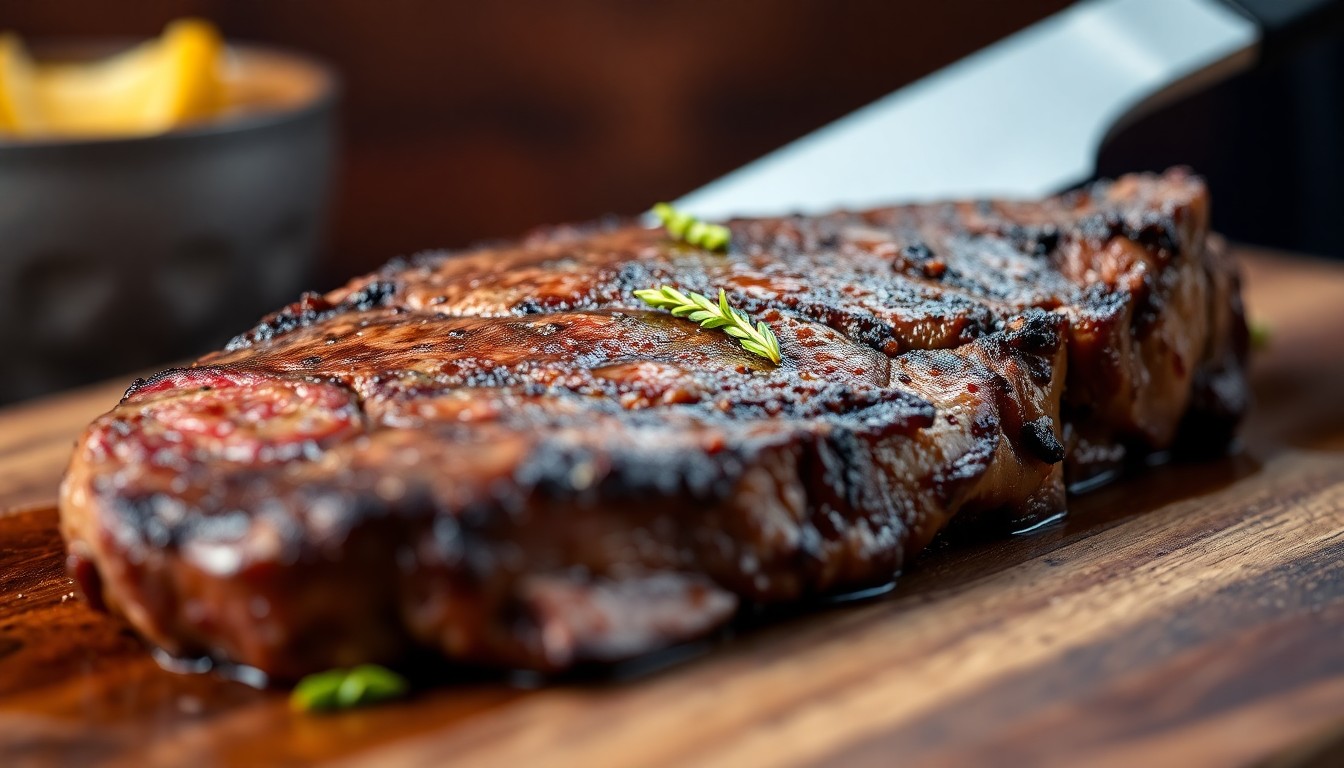
- Grilling or pan-searing multiple steaks: Cook several steaks at once to save time.
- Choosing different cuts for variety (ribeye, sirloin, etc.): Keep things interesting by incorporating different cuts of steak.
- Properly storing cooked steak: Store cooked steak in airtight containers in the refrigerator.
- Slow Cooker/Instant Pot Carnivore Meals:
- Beef roast (easy carnivore option): A simple and flavorful meal that requires minimal effort.
- Pork shoulder: Another great option for slow cooking, resulting in tender and flavorful meat.
- Lamb shanks: A delicious and often overlooked cut that becomes incredibly tender when slow-cooked.
Incorporating Variety: Different Meats and Seasonings
While the carnivore diet is meat-focused, there’s still room for variety:
- Using different types of meat (beef, pork, lamb, poultry, fish, seafood): Don’t limit yourself to just one type of meat. Explore different options to keep your meals interesting.
- Experimenting with simple seasonings (salt, pepper, garlic powder, onion powder – if tolerated): While some carnivores stick to just salt, others tolerate other seasonings. Experiment to find what works for you.
- The importance of salt on the carnivore diet: Salt is crucial for electrolyte balance, especially on a low-carb diet like the carnivore diet.
- Organ meats (liver, heart) – incorporating them into your prep. Organ meats are incredibly nutrient-dense and a valuable addition to the carnivore diet. If you’re new to organ meats, start with small amounts and gradually increase your intake.
Time-Saving Strategies for Carnivore Meal Prep
The Power of Batch Cooking
As mentioned earlier, batch cooking is essential for efficient meal prep:
- Cooking large quantities of meat at once: This saves you time and effort in the long run.
- Dividing cooked meat into individual portions: Portioning your meals makes it easy to grab and go.
- Properly storing and reheating meals: Store your cooked meat in airtight containers in the refrigerator or freezer. Reheat thoroughly before eating.
Utilizing Leftovers Creatively
Don’t let leftovers go to waste! Get creative with how you use them:
- Repurposing cooked meat into different meals: For example, leftover roast chicken can be used in salads (without the greens, of course!), or simply eaten as is.
- Preventing boredom with carnivore recipes. Even with a limited ingredient list, clever use of leftovers can create a sense of variety.
- Reducing food waste and saving money: Making the most of your leftovers is both economical and environmentally friendly.
One-Pan/One-Pot Cooking
Minimize cleanup with these simple cooking methods:
- Minimizing cleanup time: Less time washing dishes means more time enjoying your meals.
- Roasting meat and (allowable, if including any, organs) on a single baking sheet: Throw everything onto a baking sheet and roast it all together.
- Using the slow cooker or Instant Pot for complete meals: These appliances are perfect for one-pot meals.
Pre-Portioning and Freezing
Freezing is your friend when it comes to meal prep:
- Freezing individual portions of cooked meat: This allows you to thaw only what you need, preventing waste.
- Thawing and reheating instructions: Always thaw frozen meat in the refrigerator overnight. Reheat thoroughly before eating.
- Maximizing freezer space: Use freezer-safe bags or containers to efficiently store your frozen meals.
Embracing Simplicity in Meat Meal Prep.
- Stick to Basic Cooking Methods: Grilling, pan-searing, roasting, and slow cooking are your best friends.
- Focus on Flavorful, High-Quality Meat: Since the ingredients are minimal, the quality of the meat shines through.
- Don’t over complicate seasonings: Salt and pepper are often all you need.
Staying Organized and Consistent with Your Carnivore Meal Prep
Labeling and Dating Your Meals
Proper labeling is crucial for food safety and organization:
- Ensuring proper food safety: Labeling helps you track how long your meals have been stored.
- Tracking your meal inventory: Know what you have on hand and avoid unnecessary purchases.
- Avoiding food waste: By knowing the dates, you can prioritize using older meals first.
Creating a Meal Prep Routine
Consistency is key to long-term success:
- Scheduling regular meal prep sessions: Make it a non-negotiable part of your week.
- Making it a habit: The more you do it, the easier it becomes.
- Adjusting your routine as needed: Life happens. Be flexible and adjust your meal prep routine as needed.
Troubleshooting Common Meal Prep Challenges
Here are some common challenges and how to overcome them:
- Dealing with limited time: Even short meal prep sessions are better than none. Focus on simple, quick recipes.
- Overcoming boredom with limited food choices: Experiment with different cuts of meat and seasonings (if tolerated).
- Staying motivated: Remember your “why” for choosing the carnivore diet. Focus on the benefits you’re experiencing.
- Addressing cravings for non-carnivore foods: Stay strong, the cravings reduce with time. Ensure you are eating enough fat.
Beyond the Basics: Advanced Carnivore Meal Prep
Making Carnivore-Friendly Condiments (if tolerated)
- Bone broth “gravy” (thickened with gelatin): A rich and flavorful sauce option.
- Rendered animal fat for cooking: Use tallow, lard, or other rendered animal fats for cooking.
Exploring less used cuts of meat.
- Tongue: A surprisingly tender and flavorful cut.
- Oxtail: Rich in collagen and perfect for slow cooking.
Frequently Asked Questions
Q: How long can I store cooked meat in the refrigerator?
A: Cooked meat can generally be stored in the refrigerator for 3-4 days. Always use airtight containers and ensure the meat is cooled completely before storing.
Q: Can I freeze cooked meat?
A: Yes, cooked meat freezes very well. Portion it out into individual servings and store it in freezer-safe bags or containers for up to 2-3 months. Thaw in the refrigerator overnight before reheating.
Q: I’m getting bored with eating the same thing all the time. What can I do?
A: Experiment with different cuts of meat, try different cooking methods, and explore different seasonings (if tolerated). Consider incorporating organ meats for added variety and nutrients. Remember, even small changes can make a big difference.
Conclusion
Meal prepping is an invaluable tool for anyone following the carnivore diet. It streamlines the meat-only diet, saves time with batch cooking and smart use of leftovers, and promotes consistency. By incorporating easy carnivore recipes and efficient time-saving cooking strategies, you can simplify your carnivore diet journey and enjoy all its potential benefits. Remember that high quality meat is key, planning is essential, and simple cooking methods are often best. By embracing meat meal prep, you’re setting yourself up for success on your carnivore journey.