Introduction to Carnivore Meal Prep: Simplifying the Meat-Only Lifestyle
What is the Carnivore Diet?
The carnivore diet is, at its core, an elimination diet that focuses solely on consuming animal products. This means all plant-based foods are removed from your plate. You’ll be eating meat, fish, and, for some, eggs and certain dairy products. The idea is to focus on nutrient-dense animal foods.
Some people report experiencing benefits like Weight Loss, improved mental clarity, and reduced inflammation, although it should be stressed that scientific research on the long-term effects of the carnivore diet is still limited. A neutral definition from the National Institutes of Health (NIH) simply describes it as a diet consisting solely of animal products: NIH Website (Please note: This link leads to the general NIH website, as they do not have a dedicated page defining the carnivore diet, illustrating its relatively recent popularity and the need for more research).
Why Meal Prep is Crucial for Beginner Carnivore Success
Starting any new diet can be challenging, and the carnivore diet is no exception. Meal prep is absolutely essential for success, especially when you’re a beginner carnivore. Here’s why:
- Adherence: Having meals ready to go eliminates the guesswork and makes it much easier to stick to the diet, even when you’re busy or tired.
- Avoiding Temptations: When hunger strikes and you don’t have a carnivore-friendly option available, it’s much easier to fall back on old habits and reach for non-carnivore foods. Meal prep removes that risk.
- Saving Time and Money: Cooking in bulk saves you time throughout the week. Buying meat in larger quantities is often more cost-effective, too.
- Consistent Nutrient Intake: Meal prepping ensures you’re getting enough protein, which is crucial on the carnivore diet.
Benefits of Meat-Only Meals: Focus and Simplicity
Meat-only meals offer a level of simplicity that many find appealing. Here are a few key benefits:
- Straightforward Choices: Your food choices are drastically reduced, making grocery shopping and meal planning much easier.
- Reduced Decision Fatigue: No more agonizing over what to eat! The simplicity of the carnivore diet can free up mental energy.
- Potentially Easier Digestion: Some individuals report improved digestion on the carnivore diet, potentially due to the elimination of certain plant-based irritants. However, it’s important to note that this is anecdotal and individual experiences vary.
Getting Started: Your First Carnivore Shopping List & Essential Equipment
Building Your Carnivore Shopping List: The Essentials
Prioritizing Quality Meats:
- Beef: A cornerstone of the carnivore diet. Choose from ground beef (for burgers and scrambles), steaks (ribeye, sirloin, New York strip), and roasts (chuck roast, brisket). Variety and affordability are key here.
- Lamb: Another excellent option. Consider lamb chops, ground lamb, or a leg of lamb for roasting.
- Pork: Pork chops, bacon (look for minimally processed options without added sugar), pork shoulder, and pork belly are all great choices.
- Poultry: Chicken and turkey, especially skin-on, dark meat, provide valuable fat and flavor.
- Fish and Seafood: Fatty fish like salmon, sardines, and mackerel are excellent sources of omega-3 fatty acids. Shrimp is also a good option. Aim for wild-caught whenever possible.
- Organ Meats: Liver, heart, and kidney are nutritional powerhouses, packed with vitamins and minerals. They’re optional, but highly beneficial if you can incorporate them.
- Eggs: Many people tolerate eggs well on the carnivore diet. However, some may experience initial sensitivity. Start with a small amount and see how you feel.
Fats and Seasonings:
- Animal Fats: Tallow (beef fat), lard (pork fat), ghee (clarified butter), and butter are your primary cooking fats.
- Salt: Essential for electrolyte balance. Choose a quality salt like sea salt or Himalayan salt.
- Optional: Black pepper. Some people choose to restrict pepper initially, especially during an elimination phase. If you tolerate it, it can add flavor.
What to Avoid:
This is straightforward: avoid all plant-based foods. This includes fruits, vegetables, grains, legumes, nuts, seeds, vegetable oils, and processed foods containing any plant-derived ingredients.
Essential Kitchen Equipment for Easy Carnivore Meal Prep
- Large skillet or frying pan
- Baking sheet(s)
- Slow cooker/Instant Pot (optional, but highly recommended for convenience)
- Meat thermometer
- Food storage containers (glass preferred)
- Sharp knife
- Cutting Board
Easy Carnivore Recipes: Simple Meat-Only Meals for Beginners
Breakfast Carnivore Recipes
Scrambled Eggs with Bacon (Easy Carnivore Classic)
Instructions: Cook bacon until crispy. Remove bacon and cook eggs in the rendered bacon fat. Crumble bacon and add to the eggs. Season with salt. Variations: If you tolerate dairy later on, you can add cheese.
Ground Beef and Egg Scramble
Instructions: Brown ground beef in a skillet, breaking it up with a spatula. Drain off any excess fat (optional). Add eggs to the skillet and scramble until cooked through. Season with salt.
Steak and Eggs
Instructions: Quickly sear a thin steak (like a sirloin or flank steak) in a hot pan with animal fat. Cook to your desired doneness. Cook eggs in the same pan. Season with salt.
Lunch & Dinner Carnivore Recipes
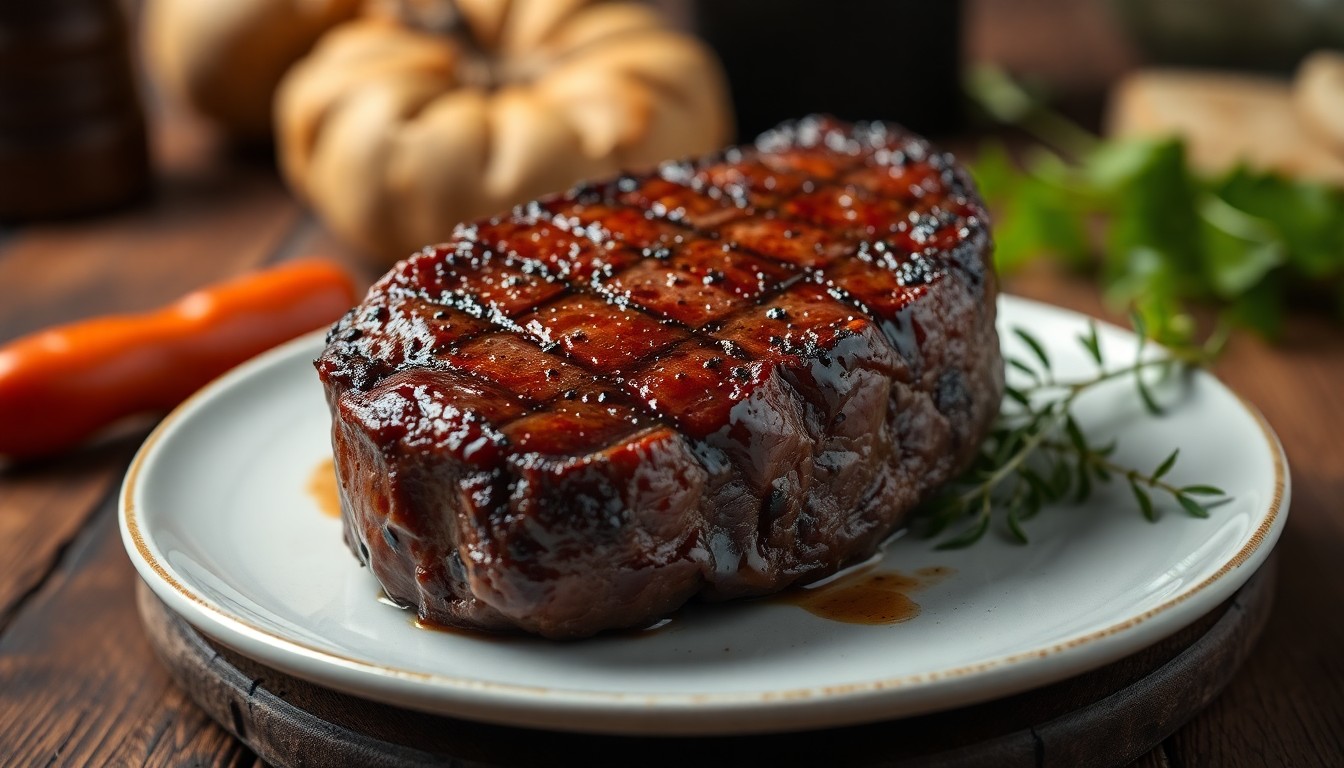
Basic Pan-Seared Steak
Instructions:
- Pat the steak dry with paper towels.
- Season generously with salt.
- Heat a heavy-bottomed skillet (cast iron is ideal) over high heat until very hot.
- Add animal fat (tallow or lard) to the pan.
- Sear the steak for 2-4 minutes per side for medium-rare, adjusting time for desired doneness.
- Use a meat thermometer to check for doneness.
- Let the steak rest for 5-10 minutes before slicing.
Tips: A good sear is achieved with a very hot pan and a dry steak.
Serving Suggestions: Serve with a dollop of rendered fat from the pan.
Slow Cooker Pulled Pork (Meal Prep Friendly)
Instructions (Slow Cooker): Place a pork shoulder in the slow cooker. Season generously with salt. Cook on low for 8-10 hours, or on high for 4-6 hours, until the pork is very tender and easily pulls apart.
Instructions (Instant Pot): Place a pork shoulder in the Instant Pot. Season generously with salt. Add 1/2 cup of water or bone broth. Cook on high pressure for 60-90 minutes, followed by a natural pressure release.
Seasoning: Keep it simple with salt, and optional pepper if tolerated.
Roasted Chicken (Whole or Pieces)
Instructions: Preheat oven to 400°F (200°C). Pat the chicken dry with paper towels. Season generously with salt, inside and out. Roast for 1-1.5 hours for a whole chicken, or 30-45 minutes for pieces, until the internal temperature reaches 165°F (74°C). The skin should be crispy.
Baked Salmon with Salt
Instructions: Preheat oven to 400°F (200°C). Place salmon fillets on a baking sheet. Season with salt. Bake for 12-15 minutes, or until the salmon is cooked through and flakes easily with a fork.
Ground Beef Patties (Burgers without the Bun)
Instructions: Gently mix ground beef with salt. Form into patties. Cook in a skillet over medium-high heat, or on a grill, until cooked through.
Tips: Don’t overwork the meat, as this can make the patties tough. For juicier patties, use a higher fat ground beef (e.g., 80/20).
Carnivore “Meatza” (using ground meat as a base)
Instructions
- Preheat your oven to 400°F (200°C).
- In a large bowl, combine the ground beef and salt. You can optionally add a little bit of water or bone broth to help bind the meat.
- Press the ground meat mixture evenly onto a baking sheet or into a large cast-iron skillet, forming a “crust” about ½ inch thick.
- Bake the meat crust for 20-25 minutes, or until it’s firm and slightly browned.
- Remove from the oven. If any excess fat has accumulated, carefully drain it.
- If and when you want to add toppings, do so. Then, put the meatza back into the oven and bake for another 5-10 minutes.
This should only be used when you desire variety in your meals.
Carnivore Meal Prep Strategies: Batch Cooking and Storage
Mastering Batch Cooking: Your Key to Easy Carnivore Living
Batch cooking is the cornerstone of successful carnivore meal prep. Here’s how to approach it:
- Plan Your Cooking Schedule: Dedicate a few hours on the weekend (or whenever you have free time) to cooking.
- Choose Suitable Recipes: Roasts, slow-cooked meats, and large batches of ground beef are ideal for batch cooking.
- Utilize Different Cooking Methods: Use your oven, slow cooker, and stovetop simultaneously to maximize efficiency.
Proper Food Storage for Meat-Only Meals
- Cool Quickly: Cool cooked meat quickly to prevent bacterial growth.
- Divide into Portions: Divide the meat into portion-sized containers for easy grab-and-go meals.
- Refrigeration Guidelines: Cooked meat can typically be stored in the refrigerator for 3-4 days.
- Freezing Guidelines: For longer-term storage, freeze cooked meat in airtight containers or freezer bags for up to 2-3 months.
- Reheating Methods: Reheat meat gently in a skillet, oven, or microwave. Avoid overcooking, which can dry it out.
Troubleshooting and Adapting to the Carnivore Diet
Common Challenges for the Beginner Carnivore
- The “Keto Flu” or Adaptation Period: As your body adjusts to burning fat for fuel instead of carbohydrates, you may experience flu-like symptoms such as fatigue, headache, and muscle cramps. This is usually temporary. Staying hydrated and ensuring adequate salt intake can help.
- Managing Cravings: Cravings for non-carnivore foods, especially sugar and carbohydrates, are common in the beginning. Having plenty of meat-only meals prepped and readily available can help you resist temptation.
- Social Situations and Eating Out: Navigating social events and eating out can be tricky. Plan ahead by eating before you go, or choose restaurants with simple meat options (e.g., steakhouse).
- Electrolyte Balance: The carnivore diet can have a diuretic effect, leading to electrolyte imbalances. Ensure you’re consuming enough salt, and consider supplementing with other electrolytes (magnesium, potassium) if needed, especially during the adaptation phase.
Listening to Your Body: Adjusting Your Carnivore Meal Prep
- Hunger and Fullness Cues: Pay attention to your body’s natural hunger and fullness signals. Don’t force yourself to eat if you’re not hungry, and stop eating when you’re satisfied.
- Adjust Portion Sizes: Your protein needs may change over time. Adjust your portion sizes as needed based on your hunger levels and activity levels.
- Reintroducing Foods Cautiously: If you choose to reintroduce foods after an elimination period, do so one at a time and monitor your body’s response.
- Tracking Progress: Keeping a food journal or using a tracking app can help you monitor your progress, identify any potential issues, and make necessary adjustments to your carnivore meal prep.
Addressing potential nutrient deficiencies (long term)
While the carnivore diet can be nutrient-dense, there are some potential long-term deficiencies to be aware of if you do not eat a variety of animal products, including organ meats. It’s a good idea to talk to a doctor or registered dietitian, and consider a blood test after a few months to ensure you’re not deficient in any key nutrients. If deficiencies are identified, supplementation may be necessary.
Sample 7-Day Carnivore Meal Prep Plan for Beginners
A simple plan that utilizes the Easy Carnivore Recipes provided.
Includes breakfast, lunch and dinner.
Repeating meals for simplicity.
Day 1
- Breakfast: Scrambled Eggs with Bacon
- Lunch: Ground Beef Patties
- Dinner: Pan-Seared Steak
Day 2
- Breakfast: Ground Beef and Egg Scramble
- Lunch: Pan-Seared Steak
- Dinner: Slow Cooker Pulled Pork
Day 3
- Breakfast: Scrambled Eggs with Bacon
- Lunch: Slow Cooker Pulled Pork
- Dinner: Roasted Chicken
Day 4
- Breakfast: Ground Beef and Egg Scramble
- Lunch: Roasted Chicken
- Dinner: Pan-Seared Steak
Day 5
- Breakfast: Scrambled Eggs with Bacon
- Lunch: Pan-Seared Steak
- Dinner: Ground Beef Patties
Day 6
- Breakfast: Ground Beef and Egg Scramble
- Lunch: Ground Beef Patties
- Dinner: Slow Cooker Pulled Pork
Day 7
- Breakfast: Scrambled Eggs with Bacon
- Lunch: Slow Cooker Pulled Pork
- Dinner: Roasted Chicken
Includes a basic Carnivore Shopping List for the week.
Shopping List:
- Ground Beef (3-4 lbs)
- Steaks (3-4)
- Bacon (1 lb)
- Eggs (1-2 dozen)
- Pork Shoulder (3-4 lbs)
- Whole Chicken or Chicken Pieces (3-4 lbs)
- Salt
- Animal Fat (Tallow, Lard, or Butter)
Frequently Asked Questions
1. Is the carnivore diet safe long-term?
The long-term safety of the carnivore diet is still being researched. While many people report positive experiences, it’s crucial to listen to your body, get regular checkups, and consider consulting with a healthcare professional, especially if you have any underlying health conditions. Long term, consider potential nutrient deficiences and address accordingly.
2. What about fiber? Don’t I need fiber for digestion?
This is a common concern. While fiber is often touted as essential for digestion, many people on the carnivore diet report no issues with bowel movements. The body can adapt to a low-fiber diet, and the increased fat intake can actually aid in digestion for some. However, individual experiences vary.
3. Can I drink coffee or tea on the carnivore diet?
Strictly speaking, coffee and tea are plant-based and therefore excluded on a strict carnivore diet. However, some people choose to include them, especially black coffee or plain tea, without any added sugar or milk. It’s a personal choice, and you should assess how your body reacts.
Conclusion
The carnivore diet, with its emphasis on meat-only meals, offers a simplified approach to eating that can be particularly appealing to beginners. Through careful planning and consistent meal prep, you can set yourself up for success. By utilizing easy carnivore recipes and a well-stocked carnivore shopping list, you can navigate the initial challenges and potentially experience the benefits that many proponents of the diet describe, such as improved focus, simplified meal planning, and potentially easier digestion. Remember to listen to your body, adjust as needed, and prioritize high-quality animal products.