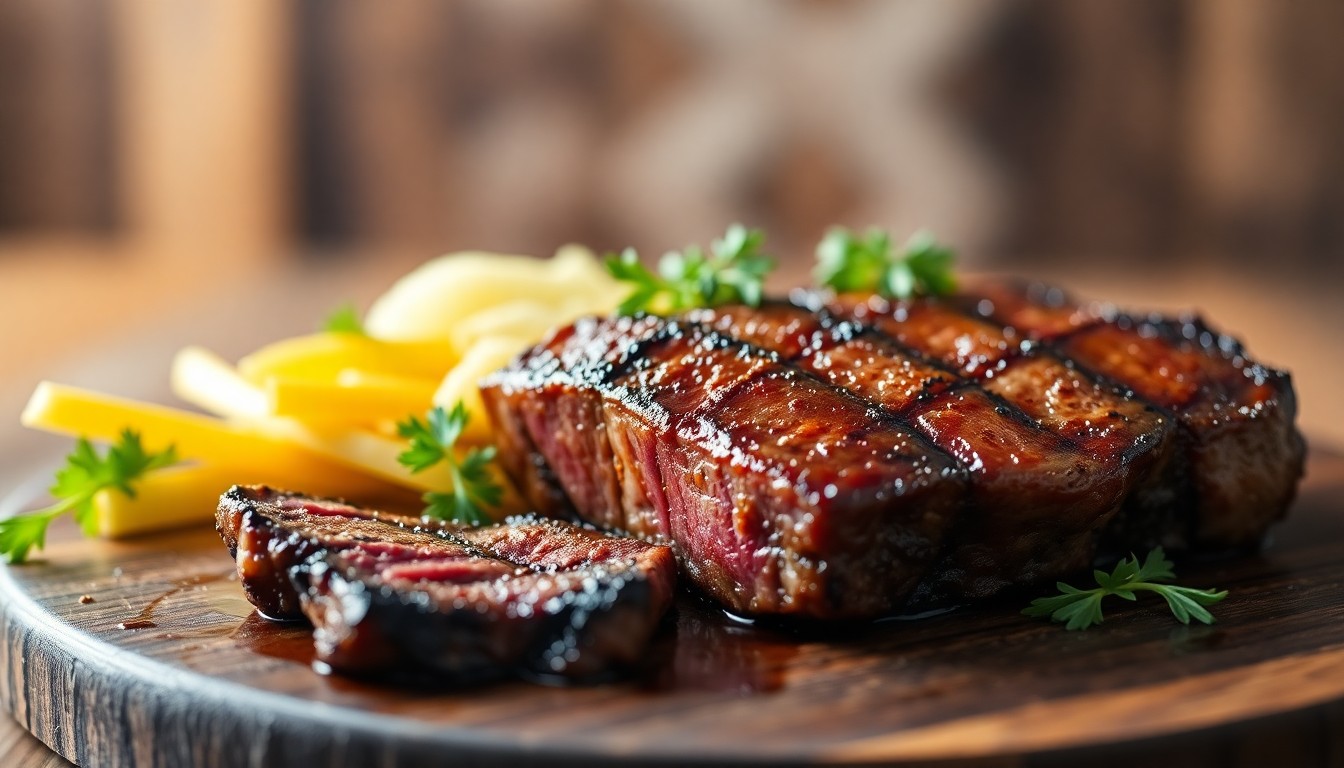
What Exactly is the Carnivore Diet?
So, you’ve heard whispers about the Carnivore Diet, maybe seen testimonials online, or perhaps you’re just curious about a radically different approach to eating. Welcome to Meat Only Living! Let’s break down what this way of eating truly entails.
Defining the Core Concept: An All-Animal Product Approach
At its heart, the Carnivore Diet is exactly what it sounds like: a diet consisting entirely of animal products. This means meat, fish, eggs, animal fats, and sometimes dairy (depending on the variation and individual tolerance). It strips away all plant-based foods – fruits, vegetables, grains, legumes, nuts, and seeds – focusing solely on nourishment derived from the animal kingdom.
Understanding the “Meat-Only Diet” Philosophy
The philosophy behind the Meat-Only Diet often centers on a few key ideas. Proponents suggest that animal foods provide the most bioavailable and complete nutrition for humans, mirroring ancestral eating patterns. Many believe that plant foods, with their various compounds like lectins, phytates, and oxalates, can be irritating or inflammatory for some individuals. By eliminating these, the diet aims to reduce dietary stress and allow the body to heal and function optimally.
Is it Truly a “Zero Carb Diet”? Exploring the Nuances
While often referred to as a Zero Carb Diet, this isn’t technically precise. Most animal products contain trace amounts of carbohydrates (like glycogen in muscle meat or lactose in dairy). However, the carbohydrate intake on a carnivore diet is extremely low, typically negligible compared to standard diets. This forces the body to switch its primary fuel source from glucose (from carbs) to fat, entering a state of ketosis similar to the ketogenic diet, but often even more profound due to the near-complete absence of carbs.
Variations within the Carnivore Diet (Strict vs. More Inclusive)
Not everyone approaches the Carnivore Diet in the exact same way. There’s a spectrum:
- Strict Carnivore (Lion Diet): Often involves only ruminant meat (beef, lamb, bison), salt, and water. This is typically used as an ultimate elimination diet to pinpoint sensitivities.
- Standard Carnivore: Includes all types of meat (beef, pork, poultry, lamb), fish, eggs, and animal fats.
- Carnivore-ish / More Inclusive: May incorporate dairy (usually full-fat, low-lactose options like butter, hard cheese, heavy cream), and sometimes even small amounts of very low-carb seasonings or beverages like coffee/tea. The key is still prioritizing animal foods and keeping plant matter minimal to non-existent.
As a Carnivore Beginner, starting with a standard approach and adjusting based on your goals and tolerance is often recommended.
Why Consider Starting Carnivore? Potential Motivations
People embark on the Carnivore Diet journey for various compelling reasons, often seeking relief or improvement where other approaches have fallen short.
Reported Benefits: Weight Management, Inflammation, Digestion, Mental Clarity (Anecdotal and Preliminary Research)
While large-scale clinical trials are still limited, the anecdotal evidence and preliminary research surrounding the Carnivore Diet point towards several potential benefits:
- Weight Management: Many report significant and sustainable fat loss, often attributed to increased satiety from protein and fat, stable blood sugar, and reduced cravings.
- Reduced Inflammation: By eliminating potential plant-based irritants and sugars, many users experience relief from inflammatory conditions, joint pain, and skin issues.
- Improved Digestion: For individuals struggling with IBS, bloating, gas, or other digestive woes, removing fiber and plant compounds can lead to remarkable improvements.
- Enhanced Mental Clarity: Reports of reduced brain fog, increased focus, and more stable mood are common, potentially linked to stable energy levels from fat metabolism and reduced inflammation.
It’s important to note that much of the current evidence is anecdotal or comes from smaller studies, but the volume of positive reports is driving further scientific interest.
Simplicity and Elimination: Reducing Dietary Variables
One undeniable appeal of Starting Carnivore is its simplicity. No complex recipes, no counting macros (usually), no wondering if a specific vegetable is causing issues. You eat meat. This makes it a powerful elimination diet – by removing potentially problematic food groups, you can establish a baseline and potentially identify specific triggers if you choose to reintroduce foods later.
Who Typically Tries the Carnivore Diet?
The diet attracts a diverse group: individuals seeking Weight Loss, athletes looking for performance benefits, people with autoimmune conditions, those battling chronic digestive issues, or simply individuals curious about ancestral health principles and optimizing their well-being through a Meat-Only Diet.
Your Practical Carnivore Guide: How to Begin
Ready to take the plunge? This Carnivore Guide will walk you through the practical steps of getting started.
Step 1: Defining Your “Why” and Setting Expectations
Before clearing out your pantry, get clear on why you’re doing this. Is it for Weight Loss, resolving health issues, mental clarity, or something else? Understanding your motivation will help you stay committed during the adaptation phase. Set realistic expectations – results vary, and there might be an initial adjustment period.
Step 2: What to Eat – Building Your Carnivore Shopping List
Focus on high-quality animal foods. Here’s a breakdown:
Foundational Foods: Ruminant Meats (Beef, Lamb, Bison)
These are often considered the cornerstone. They offer an excellent fatty acid profile and are nutrient-dense. Think steaks, roasts, ground beef, lamb chops.
Other Meat Sources: Pork, Poultry
Pork (chops, bacon, belly) and poultry (chicken thighs/wings, duck) add variety. Be mindful that conventionally raised pork and poultry can have a less ideal fatty acid profile compared to ruminants due to their feed – opt for pasture-raised if possible and affordable.
Seafood and Fish: Fatty Fish Importance
Fatty fish like salmon, mackerel, sardines, and herring are fantastic sources of Omega-3 fatty acids (EPA & DHA). Include them regularly.
Eggs: Nutritional Powerhouse
Eggs are incredibly nutritious, providing protein, fats, vitamins, and choline. Eat the whole egg!
Dairy: Considerations and Tolerance (Butter, Hard Cheese, Heavy Cream – Optional)
Some people tolerate dairy well, others don’t. If including, stick to high-fat, low-lactose options like butter, ghee, hard aged cheeses (cheddar, parmesan), and heavy cream. Many avoid milk due to its higher sugar (lactose) content.
Animal Fats: The Importance of Fat for Energy (Tallow, Lard, Butter, Ghee)
Fat is your primary fuel source on carnivore. Don’t trim all the fat off your meat! Cook with stable animal fats like beef tallow, pork lard, butter, or ghee. Aim for fattier cuts of meat.
Organ Meats: Nutrient Density (Optional but Recommended)
Liver, heart, kidney, and other organ meats are incredibly nutrient-dense, offering vitamins and minerals sometimes less abundant in muscle meat (like Vitamin A, copper, folate). Even small amounts once or twice a week can be beneficial. If the taste is challenging, try mixing ground organ meat into ground beef or look for desiccated organ supplements.
Step 3: What to Drink
Keep hydration simple:
Water: The Primary Beverage
Your main source of hydration. Add salt/electrolytes if needed, especially during adaptation.
Bone Broth: Electrolytes and Gut Health
Homemade or quality store-bought bone broth provides electrolytes, collagen, and gelatin, which can be soothing for the gut and helpful during transition.
Other Options & Considerations (Black Coffee, Unsweetened Tea – Address Community Views)
Strict purists avoid coffee and tea as they are plant-derived. However, many carnivores include black coffee or unsweetened tea without issue. Monitor how you feel. If they cause digestive upset or jitters, consider eliminating them, at least initially.
Step 4: Foods to Eliminate Completely
This is crucial for success:
- All Plant-Based Foods: Fruits, vegetables, grains (wheat, rice, oats, corn), legumes (beans, lentils, peanuts), nuts, seeds.
- Sugars and Sweeteners: All forms – table sugar, honey, maple syrup, agave, artificial sweeteners.
- Processed Foods with Non-Animal Ingredients: Read labels carefully! Avoid anything with fillers, plant-based additives, or sugars.
- Most Beverages: Soda (diet and regular), juice, plant milks (almond, soy, oat), sweetened drinks.
- Vegetable and Seed Oils: Canola, soybean, corn, sunflower, safflower oils, margarine. Cook exclusively with animal fats.
Navigating the Transition: What to Expect When Starting Carnivore
Switching to a Meat-Only Diet is a significant change, and your body needs time to adapt. Here’s what a Carnivore Beginner might experience:
The Adaptation Phase: Common Experiences for a Carnivore Beginner
Your body is shifting from using carbohydrates for energy to using fat. This metabolic shift can come with temporary side effects.
Understanding the “Keto Flu” or Adaptation Symptoms (Fatigue, Headaches, Nausea, Irritability)
Similar to starting a ketogenic diet, you might experience flu-like symptoms. This is often due to electrolyte imbalances and dehydration as your body sheds water weight initially. Symptoms can include fatigue, brain fog, headaches, nausea, irritability, and muscle cramps.
Duration: How Long Does Adaptation Typically Last?
This varies greatly. Some feel effects for only a few days, while others might take 2-4 weeks or even slightly longer to fully adapt. Be patient with yourself.
Managing Symptoms: Electrolytes (Salt!), Hydration, Fat Intake, Rest
Combat adaptation symptoms by:
- Increasing Salt: This is crucial. Salt your food generously and consider adding salt to your water or drinking bone broth/electrolyte mixes (ensure they are sugar-free).
- Staying Hydrated: Drink plenty of water.
- Eating Enough Fat: Don’t undereat, especially fat. Fat is your new fuel. If you feel fatigued, try adding more fat (butter, tallow) to your meals.
- Getting Adequate Rest: Allow your body time to adjust. Don’t push intense workouts during the initial phase if you feel run down.
Digestive Adjustments: Changes in Bowel Movements
Expect changes here. Without fiber, bowel movement frequency often decreases, which is normal. Stools might change consistency. Some experience diarrhea initially (often related to suddenly increasing fat intake), while others might feel constipated (usually due to insufficient fat or electrolytes). Things typically normalize as your gut adapts.
Cravings: How to Handle Them
Carb and sugar cravings can be strong initially. The best strategy? Eat more fatty meat! Often, cravings hit when you’re actually hungry or haven’t consumed enough fat. Keep carnivore-friendly snacks handy (jerky without sugar, boiled eggs, pork rinds). Cravings usually subside significantly after the first few weeks.
Social Situations and Eating Out Strategies
Eating out can be tricky but doable. Look for steakhouses, burger joints (order bunless patties, no sauce), or places serving grilled fish/meat. Explain your dietary needs clearly (e.g., “plain grilled steak, no seasoning oils, just salt”). Pack carnivore snacks for parties or events if needed. Planning ahead is key.
Carnivore FAQs: Answering Common Beginner Questions
Let’s tackle some frequent questions from those Starting Carnivore.
How much meat should I eat per day? (Focus on Satiety)
Eat when you’re hungry, stop when you’re full. Don’t restrict portions. Focus on fatty cuts. Most people find they naturally settle into 1-3 meals per day. Listen to your body’s signals rather than arbitrary amounts.
Do I need to count calories or macros on this Meat-Only Diet?
Generally, no. The high satiety from protein and fat often leads to natural calorie regulation. Focusing on eating fatty meat to satiety simplifies the process. Some track initially to ensure adequate fat intake, but it’s usually not necessary long-term.
What about electrolytes? Do I need to supplement salt, potassium, magnesium?
Electrolytes are crucial, especially salt (sodium). Salting food liberally is usually sufficient for sodium. Meat contains potassium, and seafood/some meats provide magnesium. However, during adaptation or if experiencing cramps/fatigue, supplementing might be beneficial. Look for clean electrolyte powders without sugar or fillers, or simply add extra salt and consider magnesium supplements like magnesium glycinate or malate if needed.
Will I become deficient in Vitamin C or other nutrients? Addressing Common Concerns.
This is a common worry. Fresh meat contains small amounts of Vitamin C, and the body’s requirements may decrease significantly on a low-carb diet. Organs like liver are nutrient powerhouses. Many long-term carnivores thrive without signs of deficiency. However, individual needs can vary, and focusing on nutrient-dense options like ruminant meat, eggs, seafood, and organs is wise.
Is the Carnivore Diet expensive? Tips for Budgeting.
It can be, but doesn’t have to be. Buy cheaper cuts (ground beef, chuck roast, pork shoulder), buy in bulk, look for sales, and consider incorporating eggs and ground meats more often. Reducing spending on processed snacks, drinks, and vegetables can offset the cost.
How important is grass-fed vs. conventional meat?
Grass-fed/finished meat generally has a better fatty acid profile (more Omega-3s, better Omega-6:3 ratio) and potentially higher nutrient levels. However, conventional meat is still a perfectly viable and healthy option on a Carnivore Diet. Prioritize eating meat you can afford and access consistently over stressing about perfection.
How long should I follow the Carnivore Diet? (Short-Term Elimination vs. Long-Term Lifestyle)
This depends on your goals. Some use it as a short-term elimination diet (30-90 days) to identify trigger foods. Many adopt it as a long-term lifestyle due to ongoing benefits they experience. There’s no single right answer.
Can I exercise while Starting Carnivore?
Yes, but listen to your body, especially during adaptation. You might experience a temporary dip in performance. Start slowly or reduce intensity initially. Once adapted, many report improved strength, endurance, and recovery.
What are the potential risks or downsides I should be aware of?
Potential downsides include the adaptation phase symptoms, social challenges, restrictive nature, and the need to ensure adequate fat and electrolyte intake. Long-term effects are still being studied. It’s crucial to listen to your body and consult a healthcare professional.
Tips for Long-Term Success as a Carnivore Beginner
Make your transition smoother and set yourself up for success with these tips:
- Prioritize Fat Intake: Don’t Fear Fat. Fat is fuel. Choose fatty cuts, add butter/tallow, and don’t drain grease. Aim for a fat-to-protein ratio (by grams) around 1:1 or even higher.
- Salt Your Food Liberally (To Taste). Don’t skimp on salt, especially early on. Use unrefined salt like Redmond Real Salt or sea salt.
- Listen to Your Body’s Hunger and Satiety Signals. Eat when hungry, stop when satisfied. This is key to intuitive eating on carnivore.
- Keep it Simple, Especially at the Start. Don’t overcomplicate things. Stick to basic meat, salt, water initially. You can experiment later.
- Experiment to Find Your Preferred Foods and Meal Timing. Discover which cuts of meat, types of fish, and meal frequencies work best for you.
- Consider Tracking How You Feel (Energy, Mood, Digestion). Journaling can help you notice patterns and improvements.
Important Considerations Before You Start
Before making any major dietary changes, keep these points in mind:
Consulting with a Healthcare Professional (Crucial Disclaimer – Especially with pre-existing conditions)
This is essential. Before starting the Carnivore Diet, especially if you have any pre-existing health conditions (like kidney disease, diabetes, gout) or are taking medications, discuss it with a knowledgeable doctor or registered dietitian familiar with low-carb/carnivore diets. This information is for educational purposes and not medical advice.
Doing Your Own Research Beyond this Carnivore Guide
This Carnivore Guide is a starting point. Continue learning from reputable sources, listen to experiences from long-term carnivores, and understand the science (and the ongoing debates) behind this way of eating.
Understanding This is a Significant Dietary Change
Be prepared for a shift not just in what you eat, but potentially in your social life, cooking habits, and how you feel initially. Commitment and patience are key.
Conclusion: Embracing Simplicity and Potential Benefits
Starting the Carnivore Diet is a journey back to basics, focusing on nutrient-dense animal foods. As we’ve explored, this Meat-Only Diet offers profound simplicity and holds potential benefits reported by many, including improved weight management, reduced inflammation, better digestion, and enhanced mental clarity. While the adaptation phase requires patience and attention to electrolytes and fat intake, navigating it successfully can lead to a rewarding new way of eating and living. Remember to listen to your body, prioritize quality food, and consult with a healthcare professional before beginning. Welcome to the world of Meat Only Living!