Understanding the Carnivore Diet: More Than Just Meat
Welcome to Meat Only Living! If You‘re curious about the Carnivore Diet, often referred to as a Zero-Carb Diet, You‘ve come to the right place. It’s a way of eating that strips things back to basics, focusing entirely on animal products. But it’s more than just steak every day (though steak is definitely a highlight!). Let’s dive into what this lifestyle entails and share some Easy Carnivore Recipes and practical Carnivore Tips to help you thrive.
What Exactly is the Carnivore Diet (Zero-Carb Diet)?
- Defining the core principle: At its heart, the Carnivore Diet involves eating only foods that come from animals. This means meat, fish, eggs, and sometimes certain types of dairy.
- Foods typically included: Think beef, lamb, pork, poultry, fish (especially fatty fish like salmon and sardines), eggs, butter, tallow, lard, and for some, hard cheeses and heavy cream.
- Foods excluded: This is where the “zero-carb” idea comes in (though technically, some animal products like eggs and dairy have trace carbs). All plant-based foods are eliminated – fruits, vegetables, grains, legumes, nuts, seeds, sugars, and processed foods containing plant derivatives.
- Contrast with Keto: While both diets are low in carbohydrates, Keto typically allows for low-carb vegetables, nuts, seeds, and focuses on achieving ketosis through a specific macronutrient ratio (high fat, moderate protein, very low carb). The Carnivore Diet aims for near-zero carbs by eliminating plant foods entirely, focusing primarily on protein and fat from animal sources.
Why People Choose the Carnivore Lifestyle
People adopt the Carnivore Lifestyle for various reasons. Many report experiencing benefits such as:
- Simplicity: Meal planning and grocery shopping become incredibly straightforward.
- Potential Inflammation Reduction: Some individuals report relief from inflammatory conditions, though experiences vary greatly.
- Weight Management: High satiety from protein and fat can help regulate appetite.
- Mental Clarity: Anecdotal reports often mention improved focus and reduced brain fog.
It’s important to note that many reported benefits are anecdotal, and individual results can differ significantly. The emphasis is always on consuming whole, unprocessed animal foods, providing essential nutrients in their most bioavailable forms.
Is This Zero-Carb Diet Right for You?
Embarking on a significant dietary change like the Carnivore Diet requires careful consideration. It’s crucial to do your own research and understand the principles involved. Because it eliminates entire food groups, it’s highly recommended to consult with a knowledgeable healthcare professional or a registered dietitian before starting, especially if you have pre-existing health conditions or are taking medications. They can help you assess if this approach aligns with your individual health needs and circumstances.
Getting Started: Essential Carnivore Tips for Beginners
Ready to give the Carnivore Diet a try? Setting yourself up for success starts with the right approach and a well-stocked kitchen.
Stocking Your Carnivore Kitchen: The Essentials
Keep it simple! Focus on quality animal products:
- Fatty Cuts of Meat: Prioritize cuts like ribeye, chuck roast, brisket, pork belly, lamb shoulder. Fat is your primary Energy source.
- Poultry Options: Chicken thighs and wings (with skin), duck.
- Fish and Seafood: Fatty fish like salmon, mackerel, sardines, and herring are excellent choices.
- Eggs: A nutritional powerhouse and incredibly versatile.
- Essential Fats: Tallow (beef fat), lard (pork fat), butter, or ghee are crucial for cooking and adding fat to leaner cuts.
- Salt: Don’t forget quality unrefined salt (like sea salt or Redmond Real Salt) for flavour and electrolytes.
- Optional Additions: If you tolerate dairy, hard cheeses (like cheddar or parmesan) and heavy cream can add variety, but many start without dairy initially.
Navigating the Adaptation Phase
Switching from a standard diet to a Zero-Carb Diet can involve an adaptation period, sometimes called the “carnivore flu.”
- What to expect: You might experience temporary symptoms like fatigue, headaches, nausea, or changes in digestion as your body adjusts to using fat for fuel instead of carbohydrates.
- Importance of adequate fat intake: Not eating enough fat is a common mistake. Ensure you’re choosing fatty cuts or adding fat to your meals to provide sufficient energy and ease the transition.
- Critical role of hydration and electrolytes: Cutting carbs significantly reduces water retention and can flush out electrolytes. Drink plenty of water and be generous with salt (sodium). Some people find supplementing with potassium and magnesium helpful during this phase.
- Patience and consistency: Give your body time to adapt. Stick with it, focus on nourishing meals, and listen to your body’s signals. This phase usually passes within a few days to a couple of weeks.
Mindset and Expectations for the Carnivore Diet
- Embracing simplicity: Forget complex recipes. Focus on the nutrient density and quality of your food.
- Shifting focus: Move away from meal complexity and towards satiety and nourishment. Eat when you’re hungry, stop when you’re full.
- Long-term perspective: View the Carnivore Lifestyle as a sustainable way of eating, not a quick fix or crash diet. Consistency is key.
Easy Carnivore Recipes for Effortless Meals
One of the joys of the Carnivore Diet is its simplicity. Here are some foundational and Easy Carnivore Recipes to get you started.
Foundational Meat Recipes: Simple & Satisfying
Perfect Pan-Seared Steak
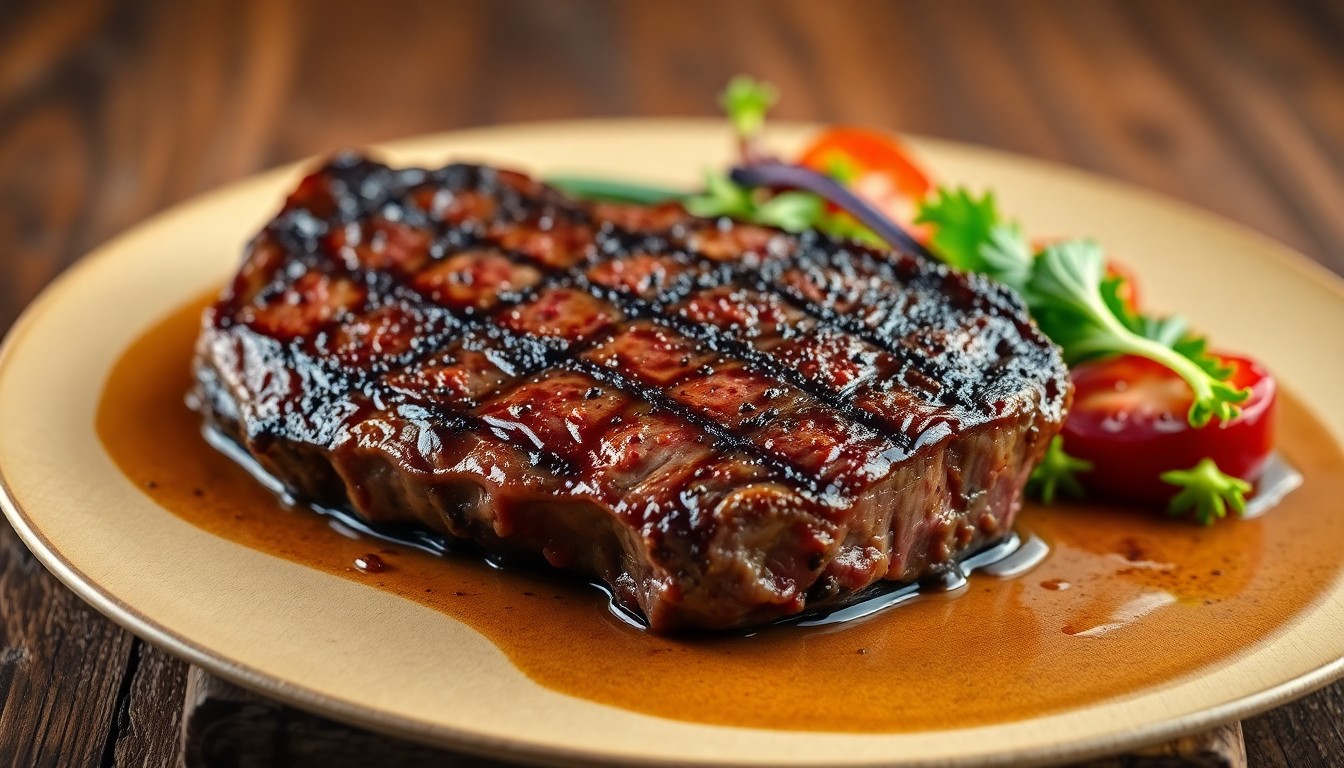
A carnivore classic! Choose a fatty cut like Ribeye or New York Strip. Pat the steak completely dry with paper towels. Heat a cast iron skillet over high heat with a generous amount of tallow, lard, or butter. Season the steak liberally with salt just before cooking. Sear each side for a few minutes until a deep brown crust forms. Reduce heat if needed to cook to your desired doneness. Crucially, let the steak rest for 5-10 minutes before slicing to retain its juices. This is one of the simplest yet most satisfying Meat Recipes.
The Ultimate Carnivore Burger Patties
Use ground beef with a good fat content, ideally 80/20 (80% lean, 20% fat). You can simply form patties and season generously with salt. For extra flavour or binding (optional), mix in an egg yolk or some crushed pork rinds. Cook the patties in a hot pan, on the grill, or even bake them in the oven until cooked through. Delicious on their own or topped with a fried egg or bacon.
Slow Cooker Shredded Beef/Pork
Perfect for tougher, more affordable cuts like beef chuck roast or pork shoulder. Place the meat in your slow cooker, season generously with salt, and add a splash of water or bone broth if desired (though often the meat releases enough liquid). Cook on low for 6-8 hours (or high for 3-4) until fork-tender. Shred the meat using two forks. This makes a fantastic base for multiple Easy Carnivore meals throughout the week.
Quick & Easy Carnivore Meals for Busy Days
Speedy Scrambled Eggs & Bacon
Cook bacon strips in a pan or bake them in the oven until crispy. Reserve some of the rendered bacon fat. Whisk eggs with a pinch of salt (and maybe a splash of heavy cream if using dairy). Scramble the eggs in the reserved bacon fat or butter until cooked to your liking. Serve alongside the crispy bacon.
Simple Baked Salmon Fillets
Place salmon fillets (skin-on is great for extra crispiness and fat) on a baking sheet lined with parchment paper. Brush with melted butter or tallow and season generously with salt. Bake at 400°F (200°C) for 12-15 minutes, or until the fish flakes easily with a fork.
Easy Carnivore Sausage Patties (Homemade)
Mix ground pork or beef (or a combination) with salt. If you’re not strictly zero-carb or are further along in your journey, you might add sage or other spices, but salt is all you need for a pure carnivore version. Form into patties and pan-fry in tallow, lard, or butter until browned and cooked through.
Ground Beef “Bowls”
Brown a pound of ground beef in a skillet, breaking it apart as it cooks. Drain off excess fat if desired (though keeping it adds flavour and energy). Season well with salt. Serve the cooked ground beef in a bowl. Optional toppings include a fried egg, crumbled bacon, or crushed pork rinds for texture.
Carnivore-Friendly Snacks & Sides (Use Sparingly)
While the goal is typically to eat satisfying meals, sometimes a snack is needed.
Crispy Chicken Wings (Baked or Air-Fried)
Pat chicken wings completely dry. Toss with salt. Bake at a high temperature (e.g., 400-425°F / 200-220°C) or use an air fryer until the skin is golden brown and crispy. Turning them halfway through helps ensure even cooking.
Pork Rinds (Check Ingredients for Additives)
Look for brands cooked in their own fat with only salt added. Avoid those with sugars, MSG, or vegetable oils.
Hard-Boiled Eggs
Simple, portable, and nutritious.
Beef Jerky/Biltong (Homemade or Clean Ingredients)
Commercial jerky often contains sugar and additives. Look for brands with just meat and salt, or try making your own!
Mastering the Basics: Cooking Techniques & Carnivore Tips
Perfecting a few basic techniques will elevate your Carnivore Diet experience.
The Crucial Role of Fat on a Zero-Carb Diet
Fat is not the enemy on this diet; it’s essential! It provides energy, aids in the absorption of fat-soluble vitamins (A, D, E, K), and promotes satiety, keeping you full and satisfied between meals. Learn to embrace animal fats. Choose fatty cuts of meat whenever possible. If you have a leaner cut, don’t hesitate to add butter, tallow, or lard during cooking or as a topping.
Rendering Your Own Fats (Tallow/Lard)
Making your own tallow (from beef fat) or lard (from pork fat) is easier than you think and very cost-effective. Simply chop up beef suet or pork fatback into small pieces, place them in a slow cooker on low or a pot on the stovetop over low heat, and let the fat slowly melt out. Strain the liquid fat through a fine-mesh sieve or cheesecloth into jars. It’s a fantastic, clean cooking fat.
Achieving the Perfect Sear
That delicious crust on meat (the Maillard reaction) adds incredible flavour. Key tips:
- Hot Pan: Use a heavy-bottomed pan (cast iron is ideal) and get it properly hot before adding the meat.
- Dry Meat: Pat your meat completely dry with paper towels. Moisture prevents browning.
- Don’t Overcrowd: Cook meat in batches if necessary. Overcrowding lowers the pan temperature and causes steaming instead of searing.
Salt: Your Primary Flavor Enhancer
On a diet without sauces, spices (for strict carnivores), or plant-based seasonings, salt becomes paramount. It not only enhances the natural flavour of the meat but is also crucial for maintaining electrolyte balance. Choose a quality unrefined salt like sea salt, Himalayan pink salt, or Redmond Real Salt, which contain trace minerals. Learn to salt your food to your preference – don’t be afraid to use it generously, especially during the adaptation phase.
Practical Carnivore Tips for Long-Term Success & Thriving
Transitioning to a Carnivore Lifestyle is one thing; sustaining it happily requires some practical strategies.
Navigating Social Situations & Eating Out
Eating out can seem daunting, but it’s manageable:
- Plan Ahead: Check restaurant menus online or call ahead. Look for steakhouses, burger joints (order bunless), or places offering simple grilled fish or meat entrees.
- Keep Orders Simple: Ask for plain grilled steak (specify no sauces or vegetable oil, request butter if possible), burger patties without the bun or sauce, or grilled fish seasoned only with salt.
- Communicate Clearly: You can simply state your preference (“I’d like the steak cooked plain, please”) or mention an allergy to ensure kitchen staff avoid unwanted ingredients (“I have allergies, could you please cook the burger patties with just salt?”).
- Politely Decline: Be prepared to politely decline non-carnivore foods offered at gatherings. A simple “No thank you, I’m good” usually suffices. If pressed, you can briefly explain you follow a specific diet focused on animal products for health reasons.
Budgeting on the Carnivore Diet
Eating only meat doesn’t have to break the bank:
- Buy in Bulk: Look for deals at warehouse clubs like Costco, connect with local farms for quarter/half cow purchases, or ask your butcher about bulk discounts.
- Embrace Cheaper Cuts: Ground beef, chuck roast, pork shoulder, beef heart, chicken thighs, and eggs are very budget-friendly staples. Learn Meat Recipes that utilize these cuts effectively (like slow cooking).
- Utilize Whole Animals: If feasible, buying whole chickens or larger primal cuts and breaking them down yourself saves money.
- Render Your Own Fats: As mentioned, this is much cheaper than buying cooking oils or even pre-rendered fats.
Listening To Your Body: Hunger, Satiety & Adjustments
The Carnivore Diet encourages intuitive eating:
- Eat When Hungry, Stop When Full: Tune into your body’s natural hunger and satiety cues. Forget rigid meal times if they don’t align with your hunger.
- Adjust Fat/Protein Ratios: Pay attention to how you feel. Feeling sluggish or overly hungry? You might need more fat. Feeling nauseous or overly full? Perhaps slightly leaner cuts or less added fat is better for that meal. Experiment to find your sweet spot.
- Monitor Energy & Digestion: These are key indicators of how well the diet is working for you. Make small adjustments as needed.
Maintaining Hydration and Electrolytes
This isn’t just for the adaptation phase. Maintaining adequate hydration and electrolyte intake (especially sodium) is crucial long-term on a Zero-Carb Diet.
- Salt Your Food & Water: Continue salting your food to taste and consider adding a pinch of salt to your drinking water.
- Consider Supplements (If Needed): If you’re very active, sweat a lot, or still experience occasional cramps or fatigue, targeted electrolyte supplements (sodium, potassium, magnesium) might be beneficial. Consult your healthcare provider.
Adding Variety within the Carnivore Framework
While simple, the diet doesn’t have to be boring:
- Explore Different Meats: Try lamb chops, duck breast, goat, bison, or different types of fish and seafood.
- Vary Cooking Methods: Switch between pan-frying, grilling, roasting, smoking, slow cooking, and air frying. Different methods bring out different flavours and textures.
- Incorporate Organ Meats (Optional): Liver, heart, and kidney are nutritional powerhouses. Start small if you’re new to them (e.g., mixing ground liver into ground beef).
- Use Eggs & Dairy (If Tolerated): Scrambled, fried, boiled eggs add variety. Hard cheese or heavy cream can enhance certain dishes if you include dairy.
Conclusion: The Carnivore Path to Simplicity and Nourishment
The Carnivore Diet offers a unique approach to nutrition, stripping away modern dietary complexities to focus on the foundational nourishment provided by animal products. As we’ve explored, success often lies in embracing simplicity, mastering basic cooking techniques, prioritizing fat intake, and listening closely to your body’s signals. By utilizing Easy Carnivore Recipes and implementing practical Carnivore Tips for sourcing food, navigating social settings, and maintaining electrolyte balance, this way of eating can become a sustainable and potentially rewarding Carnivore Lifestyle. While individual experiences vary, many find this Zero-Carb Diet leads to enhanced satiety, simplified eating patterns, and a renewed focus on whole, unprocessed foods.
Frequently Asked Questions (FAQ)
Q1: How much should I eat on the Carnivore Diet?
A: The general guideline is to eat when you are hungry and stop when you are comfortably full (satiated). There’s no need for calorie counting or strict portion control. Focus on fatty cuts of meat, and let your appetite guide your intake. Your needs will vary based on activity level, metabolism, and body composition goals. Listening to your body is key.
Q2: Do I need to worry about vitamin C or fiber on a Zero-Carb Diet?
A: This is a common concern. Fresh meat, especially organ meats like liver, contains small amounts of vitamin C. Many proponents of the Carnivore Diet argue that vitamin C requirements may be lower in the absence of carbohydrates, as glucose and vitamin C compete for uptake in the body. Regarding fiber, the diet eliminates it entirely. Many people report improved digestion without fiber, while others may experience changes. Long-term effects are still debated, and it’s crucial to monitor your own health. Consulting a knowledgeable healthcare provider is recommended if you have concerns.
Q3: Can I drink coffee or tea on the Carnivore Diet?
A: This depends on how strictly you interpret the diet. Coffee and tea are derived from plants. Many strict carnivores eliminate them entirely, sticking to water and perhaps bone broth. However, others choose to include black coffee or unsweetened tea, finding it doesn’t negatively impact their results. It’s an individual choice – you might try eliminating them initially and then reintroducing them to see how your body responds.