Understanding the Carnivore Diet: More Than Just Meat
Welcome to Meat Only Living! If You‘re exploring the carnivore way of eating, you know it’s centered around animal products. But just because the ingredient list is focused doesn’t mean your meals have to be boring. Far from it! This post is packed with delicious Carnivore Diet recipes designed for Easy, satisfying meat-only living.
What is the Carnivore Diet? A Brief Overview
At its heart, the Carnivore Diet involves eating exclusively animal products and eliminating plant-based foods. Think meat, fish, eggs, animal fats, and sometimes dairy (depending on tolerance and preference). The core principles include:
- Animal Products Exclusively: This means beef, pork, lamb, poultry, fish, seafood, eggs, and animal fats form the basis of every meal.
- Nutrient Density: The focus is on obtaining all necessary nutrients from highly bioavailable animal sources.
- Variations Exist: While some follow a strict beef, salt, and water protocol, many incorporate other meats, fish, eggs, and even hard cheeses or heavy cream into their diet. It’s about finding what works best for you.
Why Simplicity Wins: Benefits of a Meat Only Diet
One of the most appealing aspects of a Meat Only Diet is its simplicity. This approach can lead to several advantages:
- Reduced Decision Fatigue: No more agonizing over complex meal plans or endless ingredient lists. Choosing what to eat becomes straightforward.
- Focus on Whole Foods: The diet naturally centers on unprocessed, nutrient-rich animal products.
- Potential for Better Adherence: For many, the simplicity makes the diet easier to stick to long-term compared to more complex eating plans.
Stocking Your Carnivore Kitchen: Essential Ingredients
Setting up your kitchen for success is key. Here are the staples:
- Types of Meat: Beef (steaks, roasts, ground), lamb (chops, roasts), pork (belly, shoulder, chops, bacon), poultry (chicken, turkey, duck).
- Fish and Seafood: Especially fatty fish like salmon, mackerel, sardines, and herring. Shellfish are great too.
- Eggs: A nutritional powerhouse – versatile and packed with goodness.
- Fats: Essential for energy and flavor. Tallow (beef fat), lard (pork fat), butter, and ghee are excellent choices.
- Salt: Crucial for maintaining electrolyte balance, especially when starting. Choose unrefined salt like Redmond Real Salt or sea salt.
- Optional Additions: Depending on your approach, you might include hard cheeses, heavy cream, or homemade bone broth.
Why Carnivore Recipes Matter: Elevating Simplicity
While eating plain steak every day is an option, exploring different Carnivore Recipes keeps things interesting and sustainable.
Avoiding Taste Fatigue on a Restricted Diet
Eating similar foods daily can lead to boredom. Varying your cuts of meat and cooking methods is vital. Trying different textures and flavors available within the animal kingdom prevents taste fatigue and makes the Carnivore Diet a long-term lifestyle rather than a short-term fix.
Mastering Basic Cooking Techniques for Meat
Becoming proficient in a few key techniques opens up a world of possibilities:
- Searing: Creates a delicious crust on steaks and chops (use high heat and fat in a pan, preferably cast iron).
- Roasting: Ideal for larger cuts like roasts or whole chickens (oven cooking).
- Grilling: Perfect for steaks, burgers, and ribs, adding a smoky flavor.
- Slow-Cooking: Breaks down tougher cuts into tender, flavorful meals (using a slow cooker or Dutch oven).
- Achieving Doneness: Learn your preferences (rare, medium-rare, medium, well-done) and use a Meat thermometer for accuracy.
- Rendering Fat: Cooking bacon or fatty cuts slowly allows the fat to melt out (render), providing delicious cooking fat for other meals.
The Joy of Easy Carnivore Meals: Quick & Satisfying Options
Life gets busy. Having go-to Easy Carnivore Meals that require minimal prep and cook time is essential. Many delicious carnivore dishes fit this bill perfectly, offering maximum satisfaction with minimum fuss.
Simple Carnivore Breakfast Recipes to Start Your Day Right
Forget sugary cereals. Carnivore breakfasts are protein-packed and satiating.
The Ultimate Steak and Eggs
A classic for a reason. Choose a thinner cut like sirloin flap, skirt steak, or ribeye cap for quick cooking. Pan-fry the steak in tallow or butter to your desired doneness. Remove the steak to rest, and cook your eggs (fried or scrambled) right in the flavorful steak fat left in the pan. Season generously with salt.
Perfect Crispy Bacon & Scrambled Eggs
Cook bacon to your preferred crispiness. Oven-baking on a rack (around 400°F / 200°C) yields consistent results with less mess. Pan-frying is classic but requires more attention. For creamy scrambled eggs, whisk eggs well with a pinch of salt (add a splash of heavy cream or water if desired, or just use butter). Cook slowly in butter or reserved bacon grease, stirring gently.
Homemade Sausage Patties (No Fillers)
Take ground pork or beef (or a mix). Season simply with salt (add pepper or other carnivore-friendly seasonings like sage if you like). Form into patties – don’t pack too tightly. Pan-fry in tallow or lard until browned and cooked through. These freeze well for quick breakfasts.
Quick Ground Beef Scramble
Brown a portion of ground beef in a skillet, breaking it apart. Drain excess fat if necessary (or leave it in for extra energy). Pour whisked eggs directly over the cooked beef and scramble together until the eggs are cooked. This is incredibly fast and makes for a very Easy Carnivore Meal.
Delicious Lunch & Dinner Meat Recipes for the Carnivore Lifestyle
These satisfying main courses showcase the delicious potential of simple ingredients.
Perfect Pan-Seared Ribeye Steak
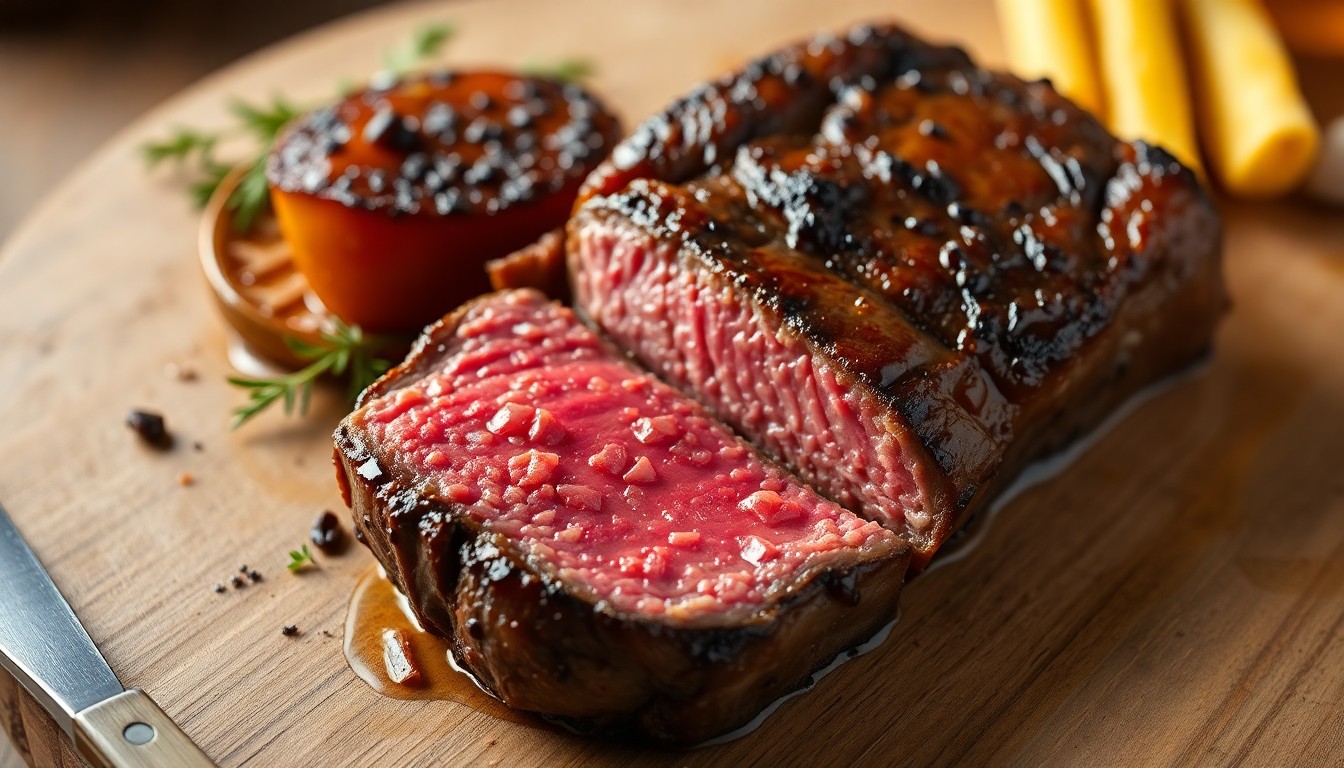
This is one of the most iconic Meat Recipes for carnivores. Select a thick-cut (1-1.5 inches), well-marbled ribeye. Pat it completely dry and season generously with salt. Get a cast iron skillet smoking hot with a high smoke point fat like tallow. Sear the steak for a few minutes per side to develop a deep brown crust. Reduce heat slightly and continue cooking, basting with melted fat if desired, until a meat thermometer reads your preferred temperature (around 130-135°F / 54-57°C for medium-rare). Crucially, let the steak rest for 5-10 minutes before slicing to allow juices to redistribute.
Juicy Roasted Chicken (Whole or Pieces)
Roasting a whole chicken is economical and provides meals for days, plus bones for broth. Pat the chicken dry thoroughly (key for crispy skin). Season generously inside and out with salt. Roast at around 400°F / 200°C until the internal temperature reaches 165°F / 74°C in the thickest part of the thigh. Let it rest before carving. Collect the rendered chicken fat (schmaltz) for cooking!
Flavorful Carnivore Burgers (No Bun, No Problem)
Choose ground beef with a good fat content, ideally 80/20. Gently form patties, making a slight indent in the center to prevent puffing up. Handle the meat as little as possible to keep burgers tender. Season only the outside with salt just before cooking. Grill or pan-fry over medium-high heat until cooked to your liking. Top with bacon, a fried egg, or cheese (if including dairy).
Slow-Cooker Pulled Beef or Pork Shoulder
This defines an Easy Carnivore Meal. Place a beef chuck roast or pork shoulder in your slow cooker. Season generously with salt. Add a splash of water or bone broth if you like, but the meat will release its own juices. Cook on low for 6-10 hours, until fork-tender. Shred the meat using two forks. Serve plain, perhaps with some crispy pork rinds for texture.
Simple Baked Salmon with Butter
Fatty fish like salmon is a great addition. Place salmon fillets (skin-on or off) on a baking sheet (line with foil for easy cleanup if desired). Pat dry, season with salt, and top with pats of butter or ghee. Bake at 400°F / 200°C for 12-15 minutes, or until cooked through and flaky.
Carnivore Meatballs (Baked or Fried)
Mix ground beef, pork, lamb, or a combination. Add salt (and optionally, a whisked egg as a binder, though often not necessary if packed firmly). Form into meatballs. You can pan-fry them in tallow or lard until browned and cooked through, or bake them on a sheet pan at 400°F / 200°C until done.
Quick Bites & Sides: Easy Carnivore Meals & Snacks
Need something quick or a little extra alongside your main meal?
Crispy Chicken Wings (Baked or Air Fried)
Pat chicken wings completely dry. Toss with salt. For baking, place on a wire rack set over a baking sheet and bake at a high temperature (e.g., 425°F / 220°C), flipping halfway, until crispy and cooked through. An air fryer also works wonders here, following manufacturer instructions.
Pan-Fried Liver (Strict Simple Carnivore Style)
Liver is incredibly nutrient-dense. Slice beef or chicken liver thinly. Heat tallow, butter, or bacon grease in a skillet over medium-high heat. Fry the liver slices quickly, just a minute or two per side, until browned but still slightly pink inside (overcooking makes it tough). Season well with salt. For strict Simple Carnivore, omit any traditional additions like onions.
Beef Jerky (Homemade without Sugar)
Slice a lean cut like eye of round very thinly against the grain. Marinate briefly in salt water or just sprinkle generously with salt. Lay the strips flat on dehydrator trays or on racks set over baking sheets in an oven set to its lowest temperature (with the door slightly ajar if needed) until dry and leathery.
Pork Rinds (“Chicharrones”)
These provide a satisfying crunch. Look for store-bought brands cooked in their own fat (pork fat/lard) without added sugars or vegetable oils. Read labels carefully! Enjoy them as a snack or use them as a crunchy topping or “dipper” for pulled pork.
Hard-Boiled Eggs
A perfect portable protein snack. Place eggs in a pot, cover with cold water, bring to a boil, then turn off the heat, cover, and let sit for 10-12 minutes. Immediately transfer to an ice bath for easy peeling. Keep a batch in the fridge for quick snacks.
Tips for Delicious and Simple Carnivore Living
Make your carnivore journey smooth and tasty with these tips.
Sourcing High-Quality Animal Products
Focus on quality. Whenever possible, opt for grass-fed, pasture-raised meats and wild-caught fish. The fat quality is generally better, and many find the taste superior. Build relationships with local butchers or farmers if you can.
The Role of Fat: Don’t Fear It!
Fat is your primary energy source on a Carnivore Diet. Cook with stable animal fats like tallow, lard, and butter. Don’t trim all the fat off your steaks; eat it! Add butter to leaner cuts or drizzle tallow over ground beef. Eating enough fat is key to feeling satisfied and energized.
Meal Prepping on the Carnivore Diet
Meal prep makes sticking to the plan effortless. Cook large batches of ground beef, roast a whole chicken or pork shoulder, or grill several steaks at once. Portion them out for grab-and-go lunches or quick dinners. This makes Easy Carnivore Meals readily available throughout the week.
Essential Tools for Carnivore Cooking
You don’t need much, but these tools make life easier:
- Cast Iron Skillet: For perfect sears.
- Good Knives: Essential for prepping meat.
- Meat Thermometer: Takes the guesswork out of cooking times.
- Slow Cooker / Instant Pot: For tender roasts and easy batch cooking.
Listening to Your Body & Adjusting
Pay attention to your body’s signals. Ensure adequate salt intake, especially initially, to manage electrolytes. Adjust your fat-to-protein ratio based on your energy levels and satiety – some people thrive on higher fat, others do well with moderate amounts. Eat when you’re hungry, stop when you’re full. This intuitive approach is central to Simple Carnivore living.
Elevating Your Carnivore Recipes: Beyond the Basics
Ready to explore further? Dive deeper into the world of animal foods.
Exploring Different Cuts of Meat
Don’t just stick to muscle meats. Try less common but incredibly flavorful and often cheaper cuts like beef shank (great for slow cooking), beef tongue, or pork cheeks. Embracing nose-to-tail eating maximizes nutrition and minimizes waste.
Incorporating Organ Meats Regularly
Organ meats like liver, heart, and kidney are nutritional powerhouses. If the flavor is strong for you, start small. Try mixing finely chopped or ground heart/liver into your regular ground beef for burgers or meatballs. This adds incredible nutritional depth to your Carnivore Recipes.
Making and Using Bone Broth
Simmer leftover bones (beef, chicken, pork) with water and a pinch of salt for hours (slow cooker or stockpot). The resulting broth is flavorful and can be sipped on its own or used as a base for cooking other meats, adding moisture and nutrients.
Conclusion: The Delicious Simplicity of Meat-Only Living
Embarking on a Carnivore Diet opens up a world of simple yet incredibly satisfying culinary experiences. As we’ve explored, focusing on high-quality animal products doesn’t mean sacrificing flavor or variety. By mastering basic cooking techniques, utilizing different cuts and types of meat, and embracing the crucial role of fat, you can create delicious and Easy Carnivore Meals every day. The inherent simplicity of this Meat Only Diet reduces decision fatigue, encourages consumption of whole, unprocessed foods, and, thanks to the satiety provided by protein and fat, can make adherence feel natural rather than forced. With these Carnivore Recipes and tips, you’re well-equipped to thrive and enjoy your journey on the path to delicious, meat-focused living.
Frequently Asked Questions (FAQ)
Q1: Can I use spices other than salt on a Carnivore Diet?
A1: This depends on how strict you are. Purists stick to only salt. However, many people incorporate black pepper, garlic powder, onion powder, or other simple, additive-free spices derived from plants. It’s a personal choice – listen to your body and see how you react. If your goal is strict elimination, stick to salt. If you tolerate spices well and they enhance your enjoyment, many carnivores include them.
Q2: I’m worried about getting bored just eating meat. How do I keep things interesting?
A2: Variety is key! Don’t just eat steak every day (unless you want to!). Explore different types of meat (beef, pork, lamb, poultry, game), various cuts (roasts, chops, ribs, ground, organ meats), seafood (salmon, shrimp, sardines), and eggs. Vary your cooking methods – grill one day, slow cook the next, pan-sear another. Trying different Carnivore Recipes, even simple ones like the meatballs or pulled pork above, makes a huge difference.
Q3: How much fat should I eat with my meat? I’m used to trimming it off.
A3: Fat is crucial for energy and satiety on a Carnivore Diet. Don’t be afraid of it! Aim for fattier cuts of meat (like ribeye, 80/20 ground beef, pork belly). Cook with animal fats like tallow, lard, or butter. If you have a leaner cut, add fat – melt butter over your steak, cook eggs in bacon grease, add tallow to ground beef. A common starting point is aiming for a 1:1 or even 2:1 fat-to-protein ratio by grams. Pay attention to how you feel – adequate fat intake usually leads to better energy levels and feeling full longer between meals.