What Exactly is the Carnivore Diet?
Defining the Carnivore Diet: The Basics
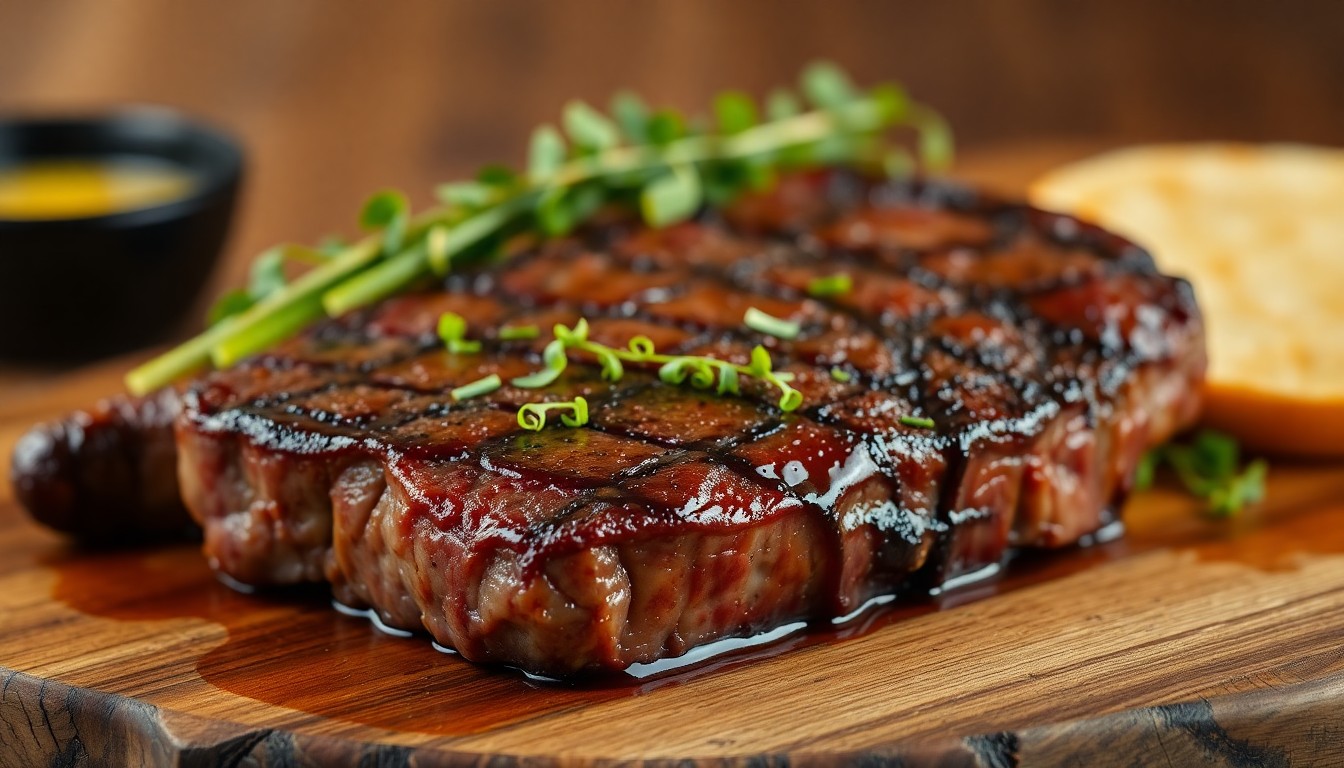
The Carnivore Diet is a restrictive eating plan that consists solely of animal products. This means focusing on Meat, fish, and poultry, while completely excluding all plant-based foods. That’s right – no fruits, vegetables, grains, legumes, nuts, or seeds.
There are different variations within the Carnivore Diet. Some individuals follow a very strict version, consuming only muscle meat, salt, and water. Others are more lenient, incorporating foods like eggs and dairy (full-fat cheese, butter, heavy cream). It’s important to understand these nuances when considering the diet for yourself.
All-Meat Diet vs. Other Low-Carb Diets
You might be familiar with other low-carb diets like Keto or Paleo. While the Carnivore Diet shares the low-carb characteristic, it’s distinct in its complete elimination of carbohydrates. It’s a truly Zero Carb approach. Keto, for example, allows for a small amount of low-carb vegetables, while Paleo includes fruits, vegetables, and nuts. The macronutrient ratios also differ significantly. The Carnivore Diet is very high in fat and protein, with zero carbohydrates, whereas Keto is high in fat, moderate in protein, and very low in carbohydrates, and Paleo has more flexibility.
The Philosophy Behind the Animal-Based Diet
The philosophy behind the Carnivore Diet often draws on potential evolutionary arguments. Proponents suggest that our ancestors may have thrived on a primarily meat-based diet for extended periods, and that our bodies are well-suited for this way of eating. The focus is on the nutrient density of animal products. Meat, especially organ meats, is packed with essential vitamins, minerals, and amino acids.
The Carnivore Diet also touches upon the concept of “anti-nutrients” found in plants. These are compounds that can potentially interfere with nutrient absorption. While this is a complex topic, it’s one of the arguments used to support the exclusion of plant foods.
Carnivore FAQ: Your Top Questions Answered
What Can I Eat on a Meat-Based Diet?
Here’s a detailed list of foods generally allowed on a Carnivore Diet:
- Red Meat: Beef, lamb, pork, game meats (venison, elk, etc.)
- Poultry: Chicken, turkey, duck
- Fish: Salmon, tuna, mackerel, sardines, herring, etc.
- Seafood: Shrimp, crab, lobster, scallops
- Eggs: (if tolerated)
- Dairy: (if tolerated – full-fat cheese, butter, heavy cream – be mindful of lactose intolerance)
- Animal Fats: Tallow, lard, duck fat
- Bone Broth
The emphasis is on quality. Whenever possible, choose grass-fed, pasture-raised, and wild-caught options. These tend to be more nutrient-dense. Salt and water are the primary seasonings and beverages, respectively.
What Foods are Absolutely Off-Limits?
This is just as important as knowing what you can eat. All plant-based products are excluded. This includes:
- Fruits (all types)
- Vegetables (all types)
- Grains (wheat, rice, oats, corn, etc.)
- Legumes (beans, lentils, chickpeas)
- Nuts and Seeds (all types)
- Sugars (including honey, maple syrup, agave)
- Processed Foods (anything with added ingredients)
- Vegetable Oils (canola, soybean, corn oil, etc.)
Common questions often include, “Can I have a little fruit?” or “What about a small salad?”. The answer, if you’re adhering to a strict carnivore diet, is no. Spices, herbs, coffee, and tea are also typically excluded, because they are derived from plants. Some people find they can tolerate them, but the purest form of the diet avoids them.
How Do I Get Enough Nutrients on a Carnivore Diet?
This is a common concern. Many people worry about vitamin and mineral deficiencies when eliminating entire food groups. However, meat, particularly organ meats like liver, is incredibly nutrient-dense. Liver is a powerhouse of Vitamin A, B vitamins, iron, and copper.
Concerns often arise about Vitamin C, Vitamin K2, and other nutrients commonly associated with plant foods. While fresh meat does contain some Vitamin C, it’s less than what you’d find in citrus fruits. Vitamin K2 is found in animal products, especially grass-fed butter and certain cheeses. It’s crucial to consume the whole animal, embracing “nose-to-tail” eating, to maximize nutrient intake. This includes consuming bone broth, connective tissues, and organ meats, which contain nutrients not found in abundance in muscle meat alone.
Supplementation may be necessary for some individuals, especially in the initial stages or if they have pre-existing deficiencies. It’s essential to consult with a doctor or registered dietitian to determine your individual needs and monitor your nutrient levels.
What about Fiber? Isn’t it Essential?
This is a major point of discussion. We’re often told that fiber is essential for digestive health. However, the Carnivore Diet challenges this notion. Many people on a Zero Carb diet report improved digestion, despite the lack of fiber.
The digestive system can adapt to the absence of fiber. While there might be some short-term adjustments, such as changes in bowel movements, many individuals find that these issues resolve over time. Some anecdotal evidence suggests that fiber can actually exacerbate certain digestive issues, and its removal can be beneficial.
Is the Carnivore Diet Safe Long-Term?
This is a valid question, and it’s important to acknowledge that there’s a lack of long-term, large-scale studies on the Carnivore Diet. Most of the evidence is anecdotal, coming from individuals who have followed the diet for extended periods and report positive results. There are also some smaller studies that show promising results, but more research is needed.
It’s crucial to emphasize the importance of individual monitoring. Regular blood work and check-ups with a healthcare professional are essential to track your health markers and identify any potential issues. People with pre-existing conditions, such as kidney disease, should exercise extreme caution and consult with their doctor before considering this diet. Pregnant or breastfeeding women should also avoid the carnivore diet due to the lack of research on its safety in these populations.
Potential Carnivore Benefits: What the Proponents Claim
Weight Loss and Body Composition
Many people turn to the All-Meat Diet for Weight Loss. The mechanisms behind this are multi-faceted. Firstly, the diet is highly satiating. Protein and fat are known to promote feelings of fullness, which can lead to reduced calorie intake. Secondly, the elimination of carbohydrates can lead to a reduction in water weight. There’s also the potential for increased muscle mass, especially when combined with resistance training, as the diet is high in protein.
Improved Digestive Health
This might seem counterintuitive, given the lack of fiber. However, many individuals report a significant reduction in bloating, gas, and symptoms of Irritable Bowel Syndrome (IBS). This is likely due to the elimination of potential irritants, such as FODMAPs (fermentable oligosaccharides, disaccharides, monosaccharides, and polyols), which are found in many plant foods.
It’s worth noting that the impact on the gut microbiome is a complex area. While some studies suggest a potential decrease in gut bacteria diversity on a carnivore diet, others indicate that the gut microbiome can adapt, and beneficial bacteria that thrive on animal products may increase. More research is required in this area.
Reduced Inflammation
The Carnivore Diet may reduce inflammation by eliminating many inflammatory foods, such as processed foods, refined sugars, and vegetable oils. Some proponents suggest that certain plant compounds can also contribute to inflammation in sensitive individuals.
There are anecdotal reports of improvements in autoimmune conditions, such as rheumatoid arthritis and Crohn’s disease. However, it’s crucial to emphasize that this is not a cure, and more research is needed to understand the potential benefits and risks for autoimmune conditions.
Mental Clarity and Energy Levels
Many people report experiencing improved focus, cognitive function, and sustained energy levels on the Carnivore Diet. This may be linked to stable blood sugar levels, as the diet eliminates carbohydrates, which can cause spikes and crashes in blood sugar.
It’s important to note that the initial transition to a Carnivore Diet can sometimes be accompanied by “keto flu” symptoms, such as fatigue, headaches, and irritability. These are usually temporary and subside as the body adapts to using fat for fuel.
Simplified Meal Planning and Eating
One of the often-overlooked benefits of the Meat-Based Diet is its simplicity. There’s no need to count calories or macros meticulously. You simply eat meat when you’re hungry and stop when you’re full. This can reduce decision fatigue and make meal planning much easier. Depending on your meat choices, it can also potentially be cost-effective, especially if you buy in bulk and focus on less expensive cuts.
Getting Started with the Carnivore Diet: Practical Tips
Transitioning Gradually: A Step-by-Step Approach
It’s generally recommended to transition gradually to the Carnivore Diet rather than making a sudden switch. This allows your body to adjust and minimizes potential withdrawal symptoms. You might start by eliminating processed foods, then grains, then legumes, and finally fruits and vegetables. This phased approach can make the transition smoother.
Be prepared for potential cravings, especially for sugar and carbohydrates. Having plenty of meat on hand can help manage these cravings. Stay hydrated by drinking plenty of water.
Meal Planning and Preparation
Here are some sample meal ideas:
- Breakfast: Steak and eggs, or a ribeye steak.
- Lunch: Ground beef with bone broth, or salmon.
- Dinner: Roasted chicken, lamb chops, or pork roast.
Experiment with different cooking methods, such as grilling, roasting, pan-frying, and slow cooking. Learn how to cook different cuts of meat to keep your meals interesting.
Sourcing high-quality meat is crucial. Look for grass-fed, pasture-raised, and wild-caught options whenever possible. Batch cooking and meal prepping can save time and effort. Cook large portions of meat at the beginning of the week and store them in the refrigerator for easy meals.
Electrolyte Management
Electrolytes (sodium, potassium, magnesium) are essential minerals that can be depleted on a low-carb or Zero Carb diet. This is because the kidneys excrete more sodium when insulin levels are low. Increasing your salt intake is crucial. Don’t be afraid to salt your food liberally.
You may also need to consider electrolyte supplementation, especially in the initial stages. Look for supplements that contain sodium, potassium, and magnesium. Monitor for signs of electrolyte imbalance, such as muscle cramps, headaches, and fatigue.
Listening to Your Body
This is perhaps the most important tip. Everyone responds differently to the Carnivore Diet. Pay close attention to how you feel. Track your symptoms, energy levels, and any changes in your health.
Regular blood work and monitoring by a healthcare professional are essential to ensure you’re not developing any deficiencies or other health issues. Be prepared to make adjustments to your diet as needed. If you experience any persistent negative symptoms, consider reintroducing some plant foods or consulting with a healthcare professional. Knowing when to stop or modify the diet is vital for your well-being.
Common Mistakes to Avoid on the Carnivore Diet
Not Eating Enough Fat
Fat is your primary fuel source on the carnivore diet. Don’t be afraid of it! Choose fatty cuts of meat and add animal fats like tallow or lard to your meals.
Insufficient Salt Intake
As mentioned earlier, you need to increase your salt intake to replenish electrolytes. Use a high-quality sea salt or Himalayan salt.
Overeating Protein
While protein is important, your body can only utilize so much at once. Excess protein can be converted to glucose, potentially hindering ketosis (although this is less of a concern on carnivore than on keto). Aim for a balance of fat and protein.
Not Consuming a Variety of Meats
Sticking to just one type of meat (e.g., only beef) can limit your nutrient intake. Incorporate different types of red meat, poultry, fish, and seafood to ensure you’re getting a wider range of nutrients. Remember to include organ meats when possible.
Ignoring Signs from Your Body
Pay attention to how you feel. If you’re experiencing persistent negative symptoms, don’t ignore them. Adjust your diet or consult with a healthcare professional.
Not Consulting with a Doctor or Registered Dietitian
Before making any significant dietary changes, it’s always wise to consult with a healthcare professional, especially if you have any underlying health conditions.
Frequently Asked Questions
Q: Can I drink coffee on the carnivore diet?
A: Strictly speaking, coffee is derived from a plant and is therefore excluded on the purest form of the carnivore diet. However, some people find they tolerate it well and choose to include it. If you do drink coffee, it’s best to drink it black, without any added sugar or milk (unless you tolerate dairy and are on a less strict version of the diet).
Q: Is the carnivore diet suitable for athletes?
A: Many athletes report success on the carnivore diet, citing improved performance, recovery, and body composition. However, individual responses vary. It’s crucial to ensure adequate calorie and nutrient intake, and to pay close attention to electrolyte balance, especially during intense training.
Q: What about alcohol on a carnivore diet?
A: Alcohol, like coffee, is derived from plants (grains or fruits) and is generally excluded on a strict carnivore diet. It can also hinder fat burning and potentially disrupt ketosis. Some people may choose to occasionally indulge in small amounts of dry red wine, but it’s not considered part of the core diet.
Conclusion
The Carnivore Diet offers a unique approach to eating, focusing on the nutrient density of animal products and the elimination of all plant-based foods. Potential benefits include weight loss, improved digestive health, reduced inflammation, enhanced mental clarity, and simplified meal planning. However, it’s crucial to approach this diet with careful consideration, proper planning, and ongoing monitoring. Consulting with a healthcare professional and listening to your body are paramount to ensuring a safe and successful experience on this All-Meat Diet.