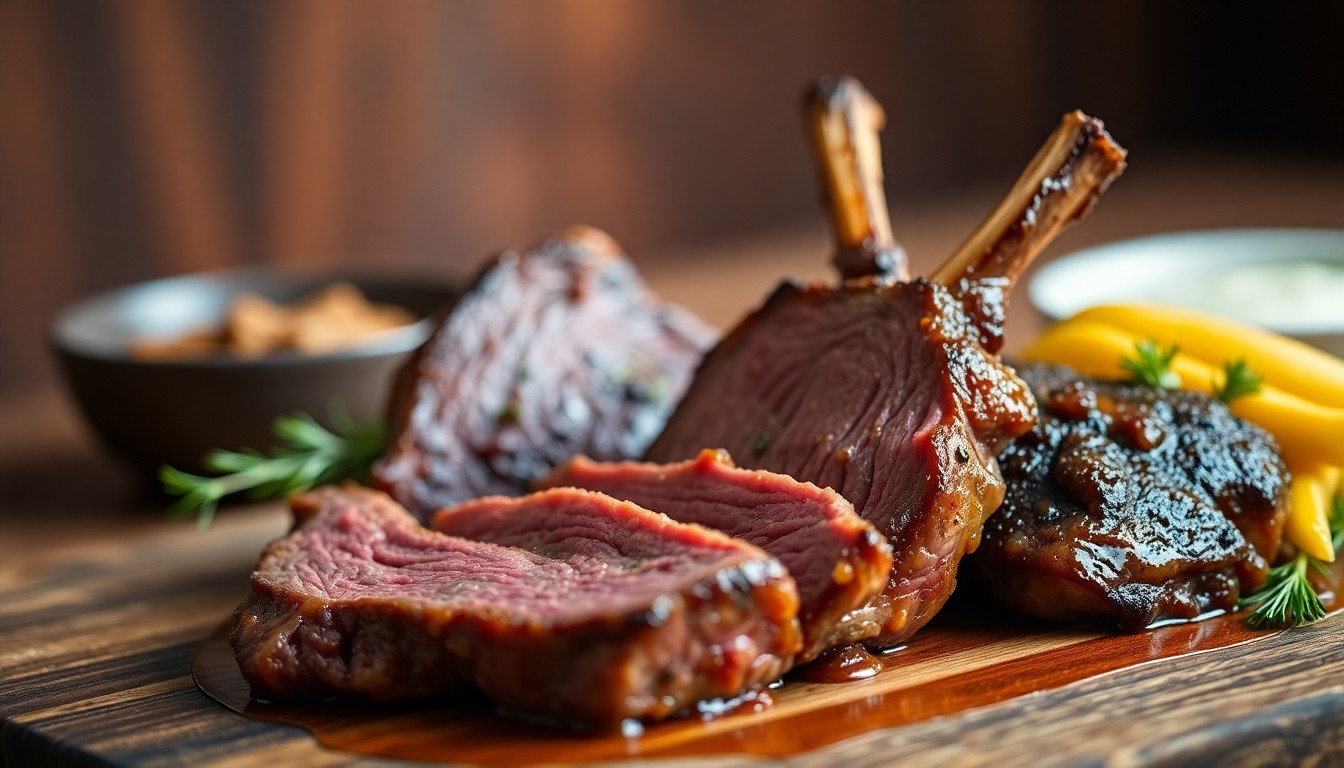
Introduction to the Carnivore Diet and Gut Health
What is the Carnivore Diet?
The carnivore diet is a dietary approach that involves consuming exclusively animal products and eliminating all plant-based foods. It’s a meat-only diet in its purest form, focusing on meat, fish, and sometimes other animal products like eggs and certain dairy products. This means no fruits, vegetables, grains, legumes, nuts, or seeds.
The Importance of Gut Health
Gut health is fundamental to overall well-being. A healthy gut is crucial for proper digestion, nutrient absorption, a strong immune system, and even mental health. The gut houses trillions of microorganisms, collectively known as the gut microbiota, that play a vital role in these processes. A balanced and diverse gut microbiota is associated with better health outcomes.
The Carnivore Diet as an Elimination Diet
The carnivore diet can be viewed as an extreme form of an elimination diet. By removing all plant-based foods, it eliminates many potential gut irritants, such as fiber, FODMAPs (fermentable oligosaccharides, disaccharides, monosaccharides, and polyols), and lectins. These substances can cause digestive distress in some individuals, contributing to symptoms like bloating, gas, and irregular bowel movements.
Understanding Your Gut Microbiome
What is the Gut Microbiome?
The gut microbiome refers to the vast community of microorganisms, including bacteria, fungi, viruses, and other microbes, that reside in your digestive tract. This complex ecosystem is often referred to as gut flora, and its composition and diversity vary significantly from person to person. A healthy gut microbiome is characterized by a wide range of beneficial bacteria.
Factors that Influence Gut Microbiome Composition
Several factors influence the composition of your gut microbiome. Diet plays a major role, with different foods promoting the growth of different types of bacteria. Lifestyle factors, such as stress and exercise, and medications, particularly antibiotics, can also significantly impact the microbiome. The Standard American Diet (SAD), high in processed foods, sugar, and unhealthy fats, is known to negatively impact gut flora, often leading to an imbalance and reduced diversity.
Signs of an Unhealthy Gut
An unhealthy gut can manifest in various ways. Common signs include persistent digestive health problems, such as bloating, gas, constipation, diarrhea, and heartburn. Food sensitivities, unexplained fatigue, skin issues (like eczema or acne), and even mood disorders can also be linked to an imbalanced gut microbiome.
The Carnivore Diet and Microbiome Reset: How Does it Work?
The Proposed Mechanism of a Microbiome Reset
The theory behind a microbiome reset on the carnivore diet involves a significant shift in the gut’s microbial population. By eliminating all plant matter, the diet drastically reduces the intake of carbohydrates, which are the primary food source for many gut bacteria. This leads to a reduction in bacterial diversity, potentially favoring the growth of bacteria that thrive on protein and fat. The idea is that this shift can eliminate harmful bacteria contributing to digestive issues and inflammation, allowing the gut to reset.
Elimination of Plant-Based Antigens and Irritants
Plant-based foods contain various compounds, including fibers, lectins, and oxalates, that can act as antigens or irritants in some individuals. These compounds can trigger an immune response and contribute to inflammation in the gut. By eliminating these substances, the carnivore diet may reduce gut inflammation, potentially benefiting individuals with autoimmune conditions or sensitivities.
Increased Protein and Fat Intake
The carnivore diet is characterized by a high intake of protein and fat. This shift in macronutrient composition alters the digestive process. The body produces more bile acids to digest fats, and these bile acids can have a direct impact on the gut microbiome, influencing the types of bacteria that can survive and thrive. The breakdown of protein also produces different byproducts than the fermentation of carbohydrates, further contributing to changes in the gut environment.
Potential Benefits of a Carnivore Gut Reset
Improved Digestive Symptoms
Many individuals report significant improvements in digestive health after adopting the carnivore diet. Anecdotal evidence suggests a reduction in bloating, gas, and other common digestive complaints. Some people with conditions like irritable bowel syndrome (IBS) or inflammatory bowel disease (IBD) have experienced relief from their symptoms, although more research is needed in this area.
Reduced Inflammation
By eliminating potentially inflammatory plant compounds and promoting a shift in the gut microbiome, the carnivore diet may contribute to reduced systemic inflammation. This potential reduction in inflammation could have far-reaching benefits for overall health, as chronic inflammation is linked to various diseases.
Weight Loss
Weight loss is a common outcome of following the carnivore diet. Several factors contribute to this, including:
- Ketosis: The very low carbohydrate intake forces the body to enter a state of ketosis, where it burns fat for fuel instead of glucose.
- Satiety: Protein and fat are highly satiating, leading to reduced appetite and overall calorie intake.
- Simplified Eating: The limited food choices on the carnivore diet can simplify meal planning and reduce the temptation to overeat.
Mental Clarity and Improved Mood
The gut-brain axis is a bidirectional communication pathway between the gut and the brain. Emerging research suggests that the gut microbiome can influence brain function and mood. Some individuals on the carnivore diet report experiencing improved mental clarity, focus, and mood, potentially due to changes in the gut microbiome and reduced inflammation.
Potential Risks and Considerations of a Carnivore Gut Reset
Nutrient Deficiencies
One of the main concerns with the carnivore diet is the potential for nutrient deficiencies. While meat is a good source of many nutrients, it lacks certain vitamins and minerals found primarily in plants, such as vitamin C and fiber. To mitigate this risk, it’s crucial to source high-quality, nutrient-dense meats, including organ meats (liver, kidney, heart), which are packed with vitamins and minerals. Supplementation may be necessary in some cases, but it should be done under the guidance of a healthcare professional.
Long-Term Sustainability
Adhering to a strict meat-only diet long-term can be challenging for many people due to social, cultural, and practical reasons. There is also a lack of long-term studies on the carnivore diet and its effects on the microbiome and overall health. It’s important to consider these factors before committing to the diet for an extended period.
Impact on Gut Flora Diversity
While a reduction in bacterial diversity may be beneficial in the short term for eliminating problematic bacteria, the long-term consequences of reduced gut flora diversity are not fully understood. A diverse microbiome is generally associated with better health outcomes. Monitoring gut health markers, if possible, can help assess the impact of the diet on the microbiome.
Importance of Individualized Approach
The carnivore diet is not a one-size-fits-all solution. Individual responses to the diet can vary significantly. It’s essential to listen to your body and consult with a healthcare professional or registered dietitian before starting the diet, especially if you have any underlying health conditions. It is important to note that this diet may not be appropiate for pregnant or breastfeeding woman, individuals with a history of eating disorders, or individuals with kidney disease.
How to Implement a Carnivore Gut Reset
Choosing Your Meats
Focus on consuming high-quality meat sources, such as grass-fed beef, pasture-raised poultry, and wild-caught fish. These options tend to be more nutrient-dense and have a better fatty acid profile than conventionally raised meats. Incorporate organ meats, like liver, kidney, and heart, into your diet to maximize nutrient intake. A variety of meats is recommended, including beef, lamb, pork, poultry, and fish.
Preparing Your Meals
Keep your meals simple and focus on whole, unprocessed meats. Cooking methods can include grilling, roasting, baking, pan-frying, or slow cooking. Avoid using sauces or marinades that contain added sugars, vegetable oils, or other plant-based ingredients.
Hydration and Electrolytes
Adequate hydration is crucial on any diet, but it’s particularly important on the carnivore diet. Drink plenty of water throughout the day. Electrolyte imbalances can occur due to the diuretic effect of a low-carbohydrate diet, so supplementing with sodium, potassium, and magnesium is often necessary. Bone broth is a good natural source of electrolytes.
Monitoring Your Progress
Pay close attention to how your body responds to the carnivore diet. Track your digestive symptoms, energy levels, sleep quality, and overall well-being. Keeping a food journal can help you identify any potential sensitivities to specific types of meat. If you experience any negative side effects, consult with a healthcare professional.
Transitioning Off the Carnivore Diet (If Desired)
If you decide to transition off the carnivore diet, do so slowly and gradually. Reintroduce other foods one at a time, starting with low-FODMAP vegetables and fruits. Monitor your body’s reactions to each new food, and be prepared to adjust your diet accordingly.
Frequently Asked Questions
How Long Should a Carnivore Gut Reset Last?
The duration of a carnivore gut reset varies depending on individual needs and goals. Some people follow the diet for a few weeks, while others maintain it for months or even years. It’s best to start with a shorter period, such as 30 days, and then assess how you feel before deciding whether to continue.
Can I Eat Eggs on a Carnivore Diet?
Yes, eggs are generally considered acceptable on the carnivore diet. They are a highly nutritious animal product, providing a good source of protein, fat, and various vitamins and minerals.
Is the carnivore diet safe for children and elderly?
The carnivore diet is generally not recommended for children, as there are concerns about the adequacy of certain nutrients for growth and development.
There is limited research on the safety and efficacy of the carnivore diet in elderly individuals. It is strongly recomended to consult with a healthcare professional before starting such diet.
How does the carnivore diet affect cholesterol?
The carnivore diet’s impact on cholesterol levels can vary. Some individuals experience an increase in LDL (bad) cholesterol, while others see improvements in their lipid profile. It’s crucial to monitor your cholesterol levels and work with a healthcare professional to manage any potential risks.
Conclusion
The carnivore diet offers a unique approach to gut health by acting as a radical elimination diet. By removing all plant-based foods, it aims to reset the microbiome, potentially reducing inflammation, improving digestive symptoms, and promoting overall well-being. While anecdotal evidence and some preliminary research suggest potential benefits, it’s crucial to consider the potential risks, such as nutrient deficiencies and the lack of long-term studies.
The carnivore diet is not for everyone. A personalized approach is essential. Before making any significant dietary changes, consult with a healthcare professional or a registered dietitian, especially if you have any underlying health conditions. They can help you determine if the carnivore diet is appropriate for you and guide you on how to implement it safely and effectively.