What Makes the Carnivore Diet Unique? (Emphasis on Zero Carbs)
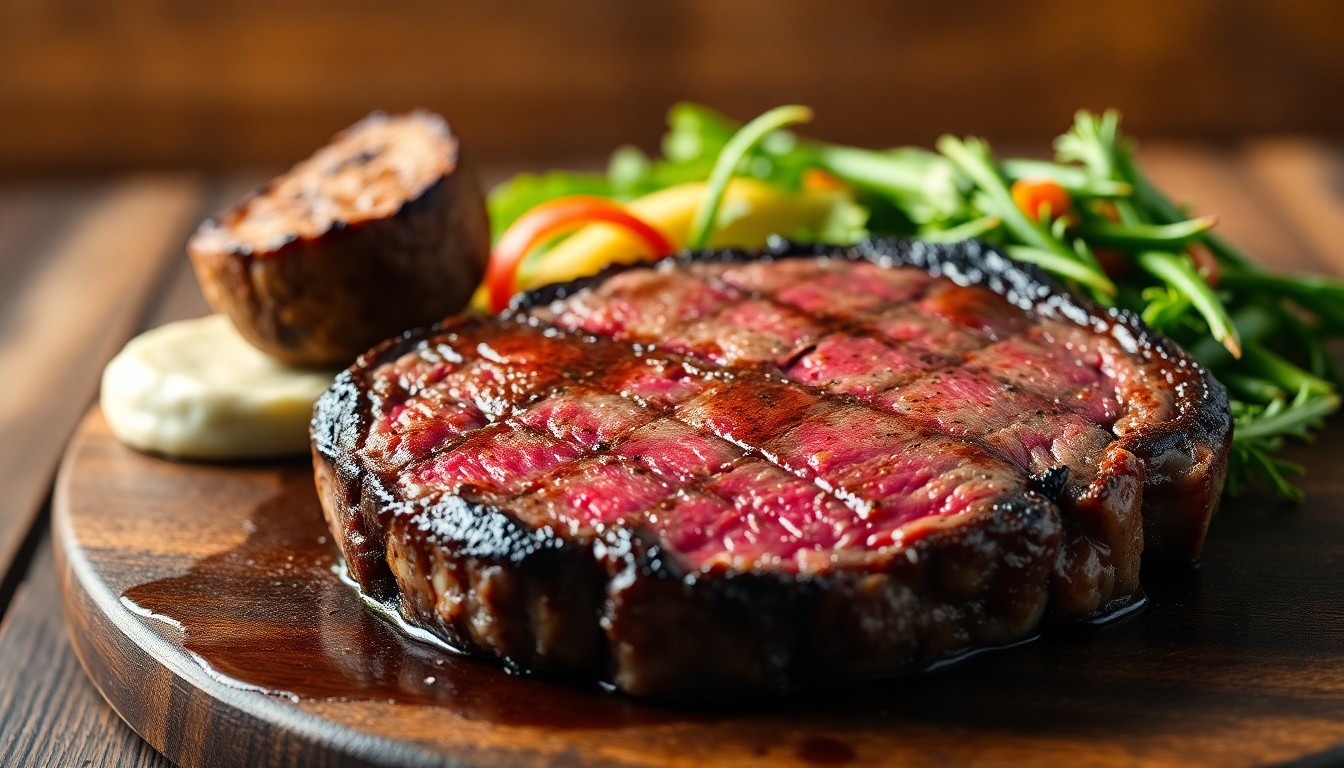
The carnivore diet is, in its simplest form, an animal-based diet. This means consuming exclusively animal products and eliminating all plant-based foods. No fruits, no vegetables, no grains, no legumes – just Meat, fish, eggs, and in some cases, dairy. The core principle underpinning this way of eating is Zero Carb intake from plant sources.
Understanding Carnivore Macros – The Simplicity
One of the most appealing aspects of the carnivore diet is its simplicity, and this extends to macro tracking. Unlike traditional diets where you meticulously count carbohydrates, protein, and fat, the carnivore diet simplifies things considerably. Because you’re eliminating all plant-based carbohydrates, the focus narrows down to two primary macronutrients: protein intake and fat intake.
While some people still choose to track meticulously, many find it unnecessary after the initial adaptation period. The inherent satiety provided by animal protein and fat often leads to a natural regulation of intake.
Deep Dive into Protein on the Carnivore Diet
The Importance of Adequate Protein Intake
Protein is absolutely crucial on a carnivore diet, and arguably even more so than on other diets. It plays a vital role in satiety, helping you feel full and satisfied after meals. It’s essential for maintaining and building muscle mass, crucial for overall health, and supports numerous bodily functions. In the absence of carbohydrates, protein becomes even more critical for maintaining stable blood sugar levels and preventing muscle breakdown.
Insufficient protein intake can lead to muscle loss, fatigue, increased hunger, and a general feeling of unwellness. It’s important to ensure you’re getting enough.
Determining Your Ideal Protein Intake
General guidelines for protein intake on a carnivore diet often range from 0.8 grams to 1 gram of protein per pound of body weight, or even per pound of lean body mass. However, your individual needs will vary based on several factors, including your activity level and your goals.
For example:
- A sedentary individual aiming for weight loss might start with 0.8 grams of protein per pound of body weight.
- An active individual looking to build muscle might aim for 1 gram or slightly more per pound of body weight.
- Someone maintaining their current weight might fall somewhere in between.
It’s worth noting that it can be very difficult to overconsume protein to a harmful degree, especially on the carnivore diet. The body can use a process called gluconeogenesis to convert excess protein into glucose if needed, but this is a demand-driven process, not a constant one. The commonly expressed fear of eating ‘too much protein’ and it automatically being converted to glucose and preventing ketosis is largely a myth, in practice.
Best Sources of Protein on a Carnivore Diet
The beauty of the carnivore diet is the abundance of delicious, protein-rich options:
- Beef: Different cuts offer varying protein and fat content. Ribeye is fattier, while sirloin is leaner.
- Lamb: Another excellent source of protein and fat.
- Pork: Pork belly is high in fat, while pork loin is leaner.
- Poultry: Chicken and turkey, especially with the skin on, provide a good balance of protein and fat.
- Fish: Fatty fish like salmon, mackerel, and sardines are excellent choices, offering both protein and essential omega-3 fatty acids. Lean fish like cod are also good options.
- Seafood: Shellfish like shrimp and crab are protein-rich.
- Eggs: A complete protein source, including the yolks for added nutrients and fat.
- Organ Meats: Liver, heart, and kidneys are nutritional powerhouses, packed with protein and vital micronutrients.
- Dairy (if tolerated): Some individuals include full-fat dairy like cheese, heavy cream, and butter. Be mindful of potential carb content in some dairy products, although generally it’s very low. Opt for full-fat versions over low-fat.
The Role of Fat on the Carnivore Diet
Embracing Fat Intake: Fueling Your Body
On a carnivore diet, fat becomes your primary energy source, replacing the carbohydrates you’re no longer consuming. This shifts your body’s metabolism from primarily burning glucose (from carbs) to burning ketones (produced from fat), a state known as ketosis. This metabolic shift is similar to what happens on a ketogenic diet.
It’s time to let go of the outdated fear of dietary fat. Animal fats are not the enemy; they are a crucial component of a healthy carnivore diet, providing sustained energy, supporting hormone production, and aiding in the absorption of fat-soluble vitamins.
Determining Your Ideal Fat Intake
Unlike protein, which has more concrete guidelines, fat intake on the carnivore diet is often adjusted based on satiety and energy levels. The concept of eating to satiety is key. This means eating until you feel comfortably full and satisfied, without feeling overly stuffed.
While some people use fat-to-protein ratios (e.g., 1:1 or 2:1 fat to protein by weight), it’s crucial to listen to your body. If you’re feeling hungry or low on energy, you likely need more fat. If you’re feeling sluggish or overly full, you might need to reduce your fat intake slightly.
Your goals also influence fat intake. For weight loss, you might naturally eat less fat due to increased satiety. For maintenance, you might find a higher fat intake more sustainable.
Best Sources of Fat on a Carnivore Diet
Focus on natural fats found in animal products:
- Fatty Cuts of Meat: Ribeye steak, pork belly, lamb shoulder, and other naturally fatty cuts are excellent choices.
- Skin on Poultry: Don’t discard the skin! It’s a great source of fat.
- Fatty Fish: Salmon, mackerel, sardines, and other fatty fish provide essential omega-3 fatty acids along with fat.
- Egg Yolks: The yolk is where most of the fat and nutrients in an egg are found.
- Animal Fats: Tallow (beef fat), lard (pork fat), butter, and ghee (clarified butter, if dairy is tolerated) are all excellent cooking fats.
- Full-Fat Dairy (if tolerated): Cheese and heavy cream can add fat and flavor.
The Interplay Between Protein Intake and Fat Intake
Adjusting your protein and fat intake is a balancing act. If you increase your protein intake significantly, you may find you naturally eat less fat, and vice-versa. Common ratios range from roughly equal parts protein and fat by weight, to a 2:1 ratio of fat to protein. For example, 100g of protein with 100g of fat, or 100g of protein and 200g of fat. These are just starting points, and individual needs vary greatly.
Zero Carbs: Understanding the Absence of Carbohydrates
Why Zero Carb on the Carnivore Diet?
The zero carb aspect of the carnivore diet stems directly from the exclusion of all plant-based foods. Plants are the primary source of carbohydrates in most diets. By eliminating them, you drastically reduce your carbohydrate intake to virtually zero.
This elimination has profound physiological effects. Your body shifts into ketosis, as mentioned earlier, becoming highly efficient at burning fat for fuel. This transition often involves a period of adaptation, sometimes referred to as the keto flu, where you might experience temporary side effects like fatigue, headaches, and cravings as your body adjusts.
Hidden Carbs: Are There Any Carbs on Carnivore?
While the goal is zero carbs from plant sources, there are trace amounts of carbohydrates in some animal products. Organ meats, shellfish, and some dairy products contain small quantities of glycogen or lactose (milk sugar). However, these amounts are generally negligible and don’t significantly impact ketosis or the overall benefits of the diet. The core principle remains: zero carb from plant sources.
Benefits of a Zero Carb, Animal-Based Diet
Many people report experiencing a range of benefits on a zero carb, animal-based diet, including:
- Weight loss
- Improved blood sugar control (particularly beneficial for individuals with type 2 diabetes or insulin resistance)
- Reduced inflammation
- Improved energy levels
- Mental clarity
- Better digestion (for some individuals)
It’s important to note that while anecdotal evidence is abundant, and many smaller studies support these benefits, more long-term research is needed. This diet is not a guaranteed cure-all, and individual results can vary. Always consult with a healthcare professional, especially if you have existing medical conditions.
Practical Tips for Tracking Carnivore Macros
Do You Need to Track Macros Strictly?
There’s a debate within the carnivore community about the necessity of strict macro tracking. Many people find that after the initial adaptation phase, they can intuitively eat to satiety and maintain their desired weight and energy levels without meticulously tracking.
However, tracking can be beneficial, especially in the beginning. It helps you understand portion sizes, become familiar with the protein and fat content of different foods, and ensure you’re meeting your individual needs. Once you’ve gained a good understanding, you can likely transition to a more intuitive approach.
Tools and Methods for Tracking
If you choose to track, here are some helpful tools:
- Food Scales and Measuring Cups: For accurate portioning.
- Nutrition Tracking Apps: Several apps, like MyFitnessPal, Cronometer, and Carb Manager, can help you track your macros. Look for apps with comprehensive databases that include a wide variety of animal products.
- Food Journals: A simple notebook can also be effective for tracking your food intake.
Listening to Your Body: The Importance of Intuitive Eating
Ultimately, the most important tool is your own body. Pay close attention to your hunger and satiety cues. Are you feeling hungry between meals? You might need more fat or protein. Are you feeling overly full or sluggish? You might need to adjust your portions. The carnivore diet encourages a mindful approach to eating, where you learn to trust your body’s signals.
Addressing Common Concerns and Questions
Electrolyte Balance on a Zero Carb Diet
When you drastically reduce carbohydrate intake, your body excretes more water and electrolytes, particularly sodium, potassium, and magnesium. This can lead to imbalances and symptoms like headaches, fatigue, muscle cramps, and constipation. It’s crucial to replenish these electrolytes.
You can do this by:
- Adding salt liberally to your food (sea salt or Himalayan pink salt are good options).
- Consuming bone broth, which is rich in electrolytes.
- Considering electrolyte supplements, especially during the initial adaptation phase.
Fiber: Do You Need It?
A common concern about the carnivore diet is the lack of fiber. Fiber is found in plant foods and is often touted for its digestive benefits. However, the carnivore perspective on fiber is different. Many carnivores report improved digestion without fiber, and some even find that fiber exacerbates digestive issues.
The body does not require fiber to survive, or to have healthy bowel movements.
Long-Term Sustainability of the Carnivore Diet
The long-term sustainability of the carnivore diet is a topic of ongoing discussion. While many people thrive on it for extended periods, it’s essential to listen to your body and make adjustments as needed. Some individuals may find that incorporating small amounts of specific plant foods (e.g., certain fruits or vegetables) improves their overall well-being, while others remain strictly carnivore. There are many different perspectives, and variations of the diet, and it is important to find what works best for the individual.
Getting Started Safely, Transition Tips
Transitioning to a carnivore diet can be a significant change, especially if you’re coming from a diet high in processed foods and carbohydrates. Here’s a suggested approach:
- Gradual Elimination: Start by gradually eliminating processed foods, grains, sugars, and legumes.
- Increase Animal Protein: Gradually increase your intake of meat, fish, and eggs.
- Focus on Fatty Cuts: Don’t be afraid of fat! Choose fattier cuts of meat.
- Electrolyte Management: Be proactive about replenishing electrolytes, especially sodium.
- Listen to Your Body: Pay attention to how you feel and adjust your intake accordingly.
- Consider a Healthcare Professional: If you have any underlying health conditions, consult with a doctor or registered dietitian before making significant dietary changes.
Expect some initial side effects, such as the keto flu, as your body adapts. These are usually temporary and can be mitigated with proper hydration and electrolyte management.
Frequently Asked Questions
Can I drink coffee or tea on the carnivore diet?
Technically, coffee and tea are plant-based. Some strict carnivores avoid them, while others include them in moderation, usually black. It’s a personal choice.
What about spices and seasonings?
Again, this depends on your level of strictness. Some carnivores use only salt, while others include dried herbs and spices in small amounts. Be mindful of potential additives in spice blends.
Can I eat dairy on the carnivore diet?
Dairy is a gray area. Some people tolerate it well and include full-fat dairy products like cheese, heavy cream, and butter. Others find that dairy causes digestive issues or stalls weight loss. It’s best to experiment and see how your body reacts.
Is the carnivore diet safe for everyone?
While many people thrive on the carnivore diet, it’s not a one-size-fits-all solution. If you have any underlying health conditions, such as kidney disease or a history of eating disorders, it’s crucial to consult with a healthcare professional before making significant dietary changes.
Will I be deficient in nutrients on a carnivore diet?
A well-formulated carnivore diet, including organ meats, can provide a wide range of essential nutrients. However, it’s always a good idea to monitor your nutrient levels and consider supplementation if needed, especially for vitamin D and magnesium.
Conclusion
The carnivore diet, with its focus on protein intake, fat intake, and zero carbs from plants, offers a simplified approach to nutrition. By prioritizing animal products, you provide your body with the building blocks it needs for optimal health. The shift to fat as the primary fuel source can lead to improved energy levels, weight management, and potentially other health benefits. Remember to listen to your body, adjust your macros as needed, and prioritize nutrient-dense animal foods. The potential benefits, including weight loss, improved blood sugar control, and reduced inflammation, make it a compelling option for those seeking a different approach to health and well-being.