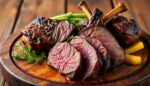
Understanding the Carnivore Diet and Its Unique Macronutrient Profile
What is the Carnivore Diet?
The carnivore diet is a way of eating that focuses exclusively on animal-based nutrition. It’s a restrictive diet, but many find it incredibly effective for various health goals.
- Definition: Exclusively animal-based nutrition.
- Foods Included: All types of meat, fish, poultry, eggs, and sometimes limited dairy.
- Foods Excluded: All plant-based foods.
Why the Focus on Macros on a Carnivore Diet?
Unlike diets that include carbohydrates, the carnivore diet necessitates a close look at macronutrients – specifically, protein and fat. This is because of the complete absence of carbohydrates.
- Absence of Carbohydrates: Naturally ketogenic state.
- Protein and Fat as Primary Energy Sources.
- The importance of managing these ratios for optimal health.
The Carnivore Diet vs. Traditional Ketogenic Diet
Both the Carnivore Diet and the Ketogenic Diet share the same principles when it comes to fats.
- High Fat requirements of both.
- The key differnce: Carnivore is zero carb, versus very low carb.
- Implications on macros.
The Macronutrients of the Carnivore Diet: Protein and Fat
Protein: The Building Block of the Carnivore Diet
Protein intake is crucial on any diet, but it plays a particularly vital role on the carnivore diet. It’s not just about building muscle; it’s about maintaining overall health and function.
- Importance of Adequate Protein intake on any diet.
- Role in Muscle Maintenance and Growth.
- Recommended Protein Intake Ranges on Carnivore.
- Factors Influencing Protein Needs (activity level, goals).
- Addressing Concerns about “Too Much Protein.”
- Gluconeogenesis (GNG) discussion and debunking common myths. (Briefly: Your body can convert protein to glucose, but it’s a demand-driven process, not a supply-driven one. It’s unlikely to kick you out of ketosis unless you’re eating truly excessive amounts of protein, far beyond what’s typical on carnivore.)
Fat: Your Primary Energy Source
On a carnivore diet, you’re making a significant shift. Instead of relying on carbohydrates for energy, you’re training your body to use fat as its primary fuel source. This is the essence of a ketogenic state.
- Shifting from Carbohydrates to Fat for Fuel.
- Importance of Choosing Healthy Animal Fats.
- Saturated vs. Unsaturated Fats: Understanding the nuances in an animal-based context. (Both are fine; saturated fat is not the enemy it’s been made out to be, especially in the absence of carbohydrates.)
- Sources of Healthy Fats on Carnivore (fatty cuts of meat, tallow, suet, butter, ghee (if tolerated)).
- Fat intake and Satiety.
- Listening to Your Body: Adjusting Fat Intake Based on Hunger and Energy Levels.
Calculating Your Carnivore Diet Macros
Determining Your Individual Needs
There’s no one-size-fits-all answer when it comes to carnivore diet macros. Your ideal ratio of protein to fat will depend on several factors.
- Starting Points: General Guidelines for Protein and Fat Ratios. (A good starting point is often around 70-80% of calories from fat and 20-30% from protein.)
- Considering Individual Factors:
- Activity Level.
- Body Composition Goals (weight loss, muscle gain, maintenance).
- Metabolic Health and Existing Conditions.
- Age and Sex.
Methods for Calculating Macros
There are a few different ways to approach calculating your macros. Choose the method that feels most sustainable and accurate for you.
- Simple Ratio Approach (e.g., 70-80% fat, 20-30% protein by calories).
- Grams per Kilogram of Body Weight Approach (protein). (A common recommendation is 1-1.5 grams of protein per kilogram of lean body mass, or target body weight).
- Using Tracking Apps (mention some, but avoid specific endorsements). (Apps can be helpful for tracking, but they’re not essential. They can also be inaccurate, so don’t rely on them blindly.)
- Benefits and limitations of tracking.
Example Macro Calculations
Let’s look at a couple of examples to illustrate how this works.
Example 1: Sedentary Individual, Goal of Weight Loss
- Target Body Weight: 70 kg
- Protein: 1 gram per kg of target body weight = 70g protein
- Assuming a 75% fat, 25% protein ratio (by calories):
- Protein: 70g * 4 calories/gram = 280 calories
- Total Calories: 280 calories / 0.25 = 1120 calories
- Fat Calories: 1120 * 0.75 = 840 calories
- Fat: 840 calories / 9 calories/gram = 93g fat
Example 2: Active Individual, Goal of Muscle Gain
- Current Lean Body Mass: 80 kg
- Protein: 1.5 grams per kg of lean body mass = 120g protein
- Assuming a 70% fat, 30% protein ratio (by calories):
- Protein: 120g * 4 calories/gram = 480 calories
- Total Calories: 480 / 0.30 = 1600 calories
- Fat Calories: 1600 * 0.70 = 1120 calories
- Fat: 1120 calories / 9 calories/gram = 124g fat
These are just examples, and you’ll need to adjust based on your own body and results.
Fine-Tuning Your Macros for Optimal Results
Listening to Your Body’s Signals
Your body is your best guide. Pay close attention to these key indicators:
- Hunger and Satiety Cues.
- Energy Levels throughout the Day.
- Digestive Comfort.
- Sleep Quality.
Adjusting Macros Based on Results
If you’re not seeing the results you want, or if you’re experiencing negative side effects, it’s time to adjust your macros.
- Weight Loss Stalls.
- Lack of Energy.
- Muscle Loss or Gain (depending on goals).
- Digestive Issues.
The Importance of Experimentation
The carnivore diet is highly individual. Finding the right balance of protein and fat is a matter of finding your own personal “sweet spot”.
- The Carnivore diet is highly individual.
- Finding Your Personal “Sweet Spot” for macros.
- Keeping a Food and Symptom Journal.
The Role of Electrolytes
Electrolytes are crucial on any ketogenic diet, and the carnivore diet is no exception. Because you’re eliminating many foods that naturally contain electrolytes, you need to be proactive about replenishing them.
- Importance of sodium, potassium, and magnesium on a ketogenic, all-meat intake diet.
- How electrolyte balance can impact perceived macro needs. (If you’re deficient in electrolytes, you might feel fatigued and mistake it for needing more food, when what you really need is salt, potassium, or magnesium.)
Common Mistakes and Misconceptions about Carnivore Macros
Fear of Fat
One of the biggest hurdles for people starting the carnivore diet is overcoming the ingrained fear of fat, particularly saturated fat.
- Debunking the Myth that Saturated Fat is Inherently Unhealthy.
- The Importance of Fat for Hormone Production and Nutrient Absorption.
Overemphasizing Protein
While protein is important, it’s not the primary fuel source on a carnivore diet. Fat is.
- The “Too Much Protein” Concern Revisited.
- Finding the Right Balance.
Neglecting Electrolytes
This is a common mistake that can lead to unpleasant side effects, often referred to as the “keto flu.”
- The “Keto Flu” and Electrolyte Imbalance.
- Practical Tips for Replenishing Electrolytes. (Salt your food liberally, consider bone broth, and potentially supplement with magnesium and potassium, especially in the initial stages.)
Ignoring Bio-Individuality
What works for one person might not work for another. Your macro needs are unique to you.
- The “One-Size-Fits-All” Approach Doesn’t Work.
- The Importance of Personalization.
Long-Term Sustainability and Carnivore Macros
Regular Monitoring and Adjustment
It’s important to consistenly monitor your progress and adjust your macronutrient intake as needed.
- Importance of long-term tracking.
- Adapting macros as life circumstances change.
Potential Nutritional Deficiences
It is important to be aware of potential nutritional deficiencies, and take steps to avoid them.
- Why this can be a concern, even on a well-formulated carnivore diet.
Considering Supplementation (When Necessary and Under Guidance)
It is best to speak to a healthcare professional before taking any supplements.
- Discussing potential needs and risks; Avoiding strong recommendations.
- Importance of working with a healthcare professional.
The Carnivore diet and long term health
A well-balanced carnivore diet can have many benefits, especially for specific groups of people.
- Discussion of the Benefits for specific populations, including the Benefits of a well-balanced macronutrient ratio.
Conclusion
The carnivore diet, with its focus on animal-based nutrition and a ketogenic macronutrient profile, offers a unique approach to health and well-being. By understanding the roles of protein and fat, carefully calculating your individual needs, and consistently listening to your body’s signals, you can optimize your meat intake for optimal results. The elimination of carbohydrates necessitates a shift in thinking about energy sources, placing fat at the forefront and protein as a crucial supporting player. Remember that experimentation and personalization are key, and addressing electrolyte balance is essential for a smooth transition and long-term success.
Frequently Asked Questions
Q: Will eating too much protein kick me out of ketosis?
A: It’s unlikely. While your body can convert protein to glucose (gluconeogenesis), it’s a demand-driven process, not a supply-driven one. You’d need to eat a very large amount of protein, far beyond what’s typical on a carnivore diet, to significantly impact ketosis.
Q: How do I know if I’m eating enough fat?
A: Listen to your body! If you’re feeling hungry, fatigued, or experiencing cravings, you may need to increase your fat intake. Experiment with different ratios of fat to protein and see how you feel.
Q: Do I need to track my macros forever?
A: Not necessarily. Tracking can be helpful in the beginning to get a sense of your needs and to learn how different foods affect you. Over time, you may be able to rely more on your body’s signals and intuitive eating.