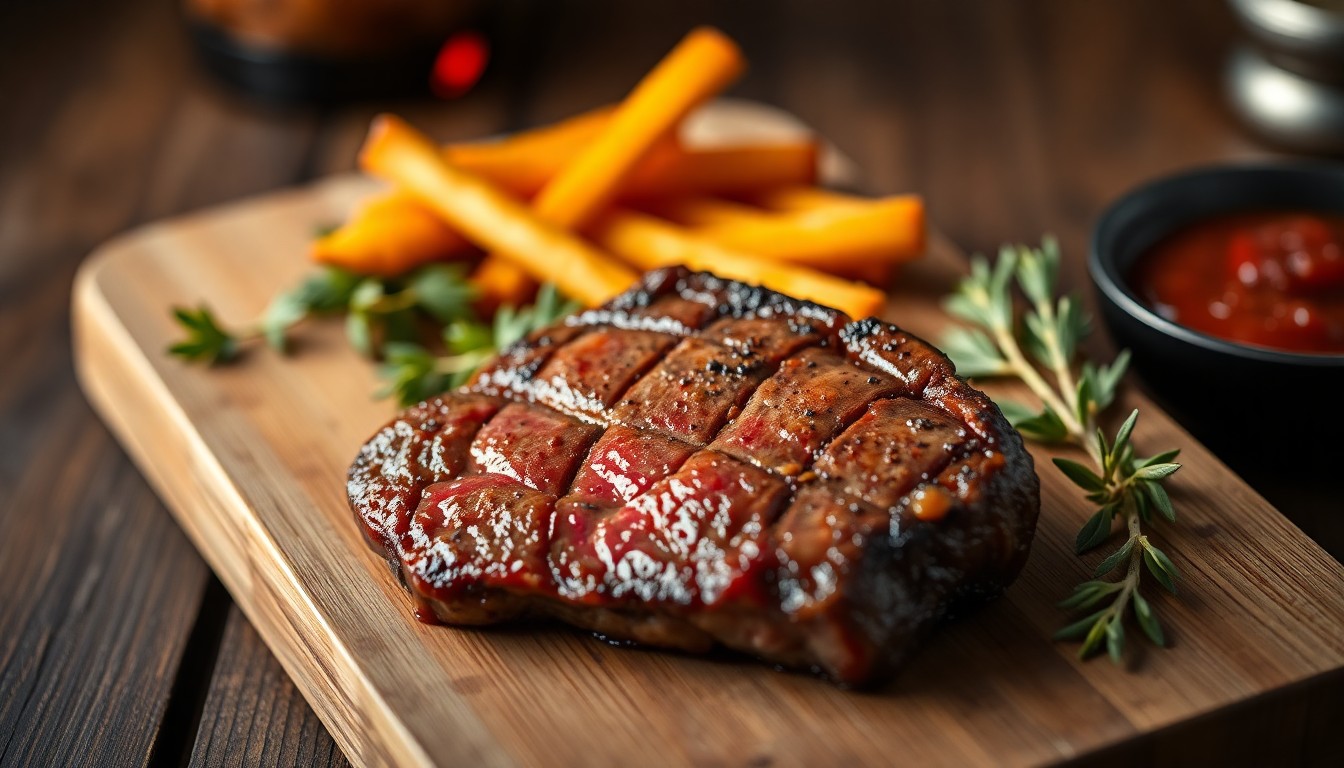
Introduction: Addressing Your Carnivore Diet FAQs
The carnivore diet has surged in popularity, sparking both curiosity and controversy. Here at Meat Only Living, we receive countless questions about this all-Meat approach to eating. This comprehensive guide tackles your most pressing Carnivore Questions, providing evidence-based answers and practical advice. Whether you’re considering the carnivore diet for Weight Loss, improved health, or simply out of curiosity, we’ve got you covered.
What is the Carnivore Diet? Defining the Basics
Carnivore Diet: An Animal-Based Diet Approach
The carnivore diet is, in its purest form, an Animal-Based Diet consisting exclusively of animal products. This means consuming meat, fish, and sometimes other animal-derived foods like eggs and certain dairy products. It’s a radical elimination diet that removes all plant-based foods.
Allowed Foods: Meat, Organs, and…Anything Else?
The core of the carnivore diet is meat. This includes:
- Beef (all cuts, including ground beef, steak, roasts)
- Pork (chops, bacon, roasts)
- Lamb
- Poultry (chicken, turkey, duck)
- Fish (salmon, tuna, mackerel, sardines, etc.)
- Organ meats (liver, kidney, heart, etc. – highly encouraged for nutrient density)
- Eggs (optional for some)
- Certain dairy products (like hard cheeses and heavy cream – optional and debated, see below)
Foods to Avoid: The Zero Carb Reality
The carnivore diet is a Zero Carb diet, meaning you eliminate all sources of carbohydrates. This includes:
- Fruits (all types)
- Vegetables (all types)
- Grains (wheat, rice, oats, corn, etc.)
- Legumes (beans, lentils, peas)
- Nuts and seeds
- Sugars (including honey, maple syrup, and artificial sweeteners)
- Processed foods (anything with added ingredients, preservatives, etc.)
- Most dairy (milk, yogurt, soft cheeses – due to lactose content)
Variations of the Carnivore Diet: Strict vs. Flexible
While the core principle remains the same, there are variations:
- Strict Carnivore: Only meat and water. This is the most restrictive form.
- Standard Carnivore: Includes meat, fish, eggs, and sometimes small amounts of low-lactose dairy like hard cheese.
- Carnivore with Exceptions: Some individuals might include small amounts of honey or spices, but this deviates from the true definition.
Carnivore Diet and Weight Loss: Your FAQs Answered
The Science Behind Carnivore and Weight Loss: Is it Sustainable?
Weight Loss is a common reason people try the carnivore diet. The mechanisms behind this are multifaceted:
- Ketosis: Eliminating carbs forces your body to burn fat for fuel, entering a state of ketosis.
- Increased Satiety: Protein and fat are highly satiating, leading to reduced calorie intake.
- Elimination of Processed Foods: Cutting out processed foods, sugars, and refined carbohydrates naturally reduces calorie density and improves metabolic health.
- Reduced Inflammation: For some, eliminating inflammatory foods (like certain plant compounds) can lead to reduced water retention and overall weight loss.
Sustainability depends on the individual. Some thrive long-term, while others find it too restrictive.
Carnivore Questions about Fat Loss vs. Muscle Loss
A valid concern is whether weight loss on carnivore is primarily fat or muscle. Adequate protein intake is crucial to preserving muscle mass. Consuming sufficient calories and engaging in resistance training are also essential.
Appetite Regulation on a Carnivore Diet
Many report significantly reduced hunger and cravings on the carnivore diet. This is likely due to the high satiety of protein and fat, as well as the stabilization of blood sugar levels.
Weight Loss Expectations: Setting Realistic Goals
Weight loss varies greatly depending on individual factors like starting weight, metabolism, and activity level. It’s crucial to have realistic expectations and focus on overall health improvements rather than just the number on the scale.
Electrolytes on the Carnivore Diet: A Crucial Focus
Why Electrolytes are Essential on a Zero Carb Diet
Electrolytes are minerals that carry an electric charge and are vital for various bodily functions, including nerve and muscle function, hydration, and blood pressure regulation. On a Zero Carb diet, electrolyte imbalances are common, particularly in the initial adaptation phase.
Common Electrolyte Imbalances: Symptoms and Risks
Symptoms of electrolyte imbalance can include:
- Muscle cramps
- Fatigue
- Headaches
- Dizziness
- Irregular heartbeat
- Nausea
Severe imbalances can be dangerous, so addressing this is crucial.
Sodium, Potassium, and Magnesium: Your Carnivore Needs
These are the primary electrolytes to focus on:
- Sodium: Often lost through increased urination when starting a low-carb diet. Liberal salting of food is usually necessary.
- Potassium: Found in meat, but supplementation may be needed, especially if experiencing muscle cramps.
- Magnesium: Important for muscle function and relaxation. Supplementation is often recommended.
Electrolyte Supplementation: When and How?
Supplementation can be helpful, especially during the initial keto flu phase. Options include:
- Electrolyte powders or tablets
- Bone broth (a natural source of electrolytes)
- Adding salt liberally to food (sea salt or Himalayan salt are good choices)
Consult with a healthcare professional to determine the appropriate dosage for your needs.
Addressing Common Carnivore Questions: Beyond the Basics
Can I Eat Dairy on a Carnivore Diet?
This is a debated topic. Some tolerate hard cheeses and heavy cream, as they are low in lactose. Others find any dairy causes digestive issues or stalls weight loss. It’s best to experiment and see how your body responds.
What About Fruit and Vegetables? Addressing Common Misconceptions.
Fruits and vegetables are excluded on a strict carnivore diet. The rationale is that animal products provide all the necessary nutrients, and plant-based foods can contain anti-nutrients or irritants for some individuals.
Carnivore Diet and Fiber: Is it Necessary?
Fiber is not considered essential on a carnivore diet. While fiber is often touted for gut health, many carnivore dieters report improved digestion without it. The gut microbiome adapts to the absence of plant matter.
Concerns About Nutrient Deficiencies on an Animal-Based Diet
While meat is nutrient-dense, concerns about deficiencies (particularly vitamin C) are often raised. Organ meats, especially liver, are incredibly rich in vitamins and minerals, and many long-term carnivores report no deficiencies when consuming a variety of animal products, including organ meats.
Health Benefits and Potential Risks: Weighing the Evidence
Potential Benefits: Beyond Weight Loss (Inflammation, Autoimmune, etc.)
Anecdotal reports suggest potential benefits beyond Weight Loss, including:
- Reduced inflammation
- Improved autoimmune conditions
- Better blood sugar control
- Increased mental clarity
- Improved digestive health (for some)
However, more research is needed to confirm these claims.
Potential Risks: Long-Term Considerations and Research Gaps
Long-term studies on the carnivore diet are limited. Potential concerns include:
- Nutrient deficiencies (if not consuming a varied diet, including organ meats)
- Impact on gut microbiome (long-term effects are still being studied)
- Increased risk of certain health conditions (although this is debated and may depend on individual factors)
Who Should (and Shouldn’t) Try the Carnivore Diet?
The carnivore diet is not for everyone. Individuals with pre-existing conditions, such as kidney disease, should consult with a healthcare professional before making significant dietary changes. Pregnant or breastfeeding women should also exercise caution.
Carnivore Diet and Cholesterol: Understanding the Impact
The impact of the carnivore diet on cholesterol levels is complex and varies among individuals. Some experience an increase in LDL (bad) cholesterol, while others see improvements. It’s crucial to monitor your lipid profile and discuss any concerns with your doctor.
Getting Started with the Carnivore Diet: Practical Tips
Transitioning to a Zero Carb Lifestyle: A Step-by-Step Approach
A gradual transition is often recommended:
- Start by reducing processed foods and sugars.
- Gradually eliminate grains, legumes, and starchy vegetables.
- Increase your intake of meat and healthy fats.
- Pay close attention to electrolytes.
Meal Planning and Recipe Ideas: Staying on Track
Simplicity is key. Focus on:
- Steak (ribeye, sirloin, etc.)
- Ground beef
- Roasts
- Salmon
- Eggs
There are many online resources for carnivore-friendly recipes.
Listening to Your Body: Adapting the Diet to Your Needs
Pay attention to how you feel. Adjust your food choices and electrolyte intake as needed. If you experience any negative symptoms, consult with a healthcare professional.
Finding Support and Resources: Carnivore Communities
Online communities and forums can provide support and advice from experienced carnivore dieters.
Long-Term Sustainability of the Carnivore Diet
Addressing Common Challenges and Roadblocks
Challenges can include social situations, cravings, and boredom. Planning ahead and finding support can help.
Cycling the Carnivore Diet: Is it Necessary?
Some individuals choose to cycle the carnivore diet, incorporating periods of other dietary approaches. This may help with sustainability and address potential nutrient gaps.
Monitoring Your Health: Long-Term Considerations
Regular blood tests are recommended to monitor your health markers, including cholesterol, nutrient levels, and kidney function.
Combining Carnivore with Other Lifestyle Factors (Exercise, Sleep, etc.)
The carnivore diet is most effective when combined with a healthy lifestyle, including regular exercise, adequate sleep, and stress management.
Conclusion: Revisiting your Carnivore Diet FAQs.
The carnivore diet offers a unique approach to eating, with potential benefits for Weight Loss, inflammation, and other health conditions. However, it’s a restrictive diet that requires careful planning and attention to Electrolytes. By addressing your Carnivore Questions and understanding the principles of this Animal-Based Diet, you can make an informed decision about whether it’s right for you. Remember to prioritize nutrient density, listen to your body, and consult with a healthcare professional before making significant dietary changes. The elimination of all plant matter and focus on a Zero Carb intake is a large shift for most people, but the potential benefits that many experience are what makes this way of eating so compelling.
Frequently Asked Questions
Can I drink coffee on the carnivore diet?
Black coffee is generally accepted, but some purists avoid it. Listen to your body.
What about alcohol?
Alcohol is generally avoided on a strict carnivore diet.
How much meat should I eat?
Eat to satiety. Most people find they naturally regulate their intake.
Is the carnivore diet safe for children?
Consult with a pediatrician before making any significant dietary changes for children.
Can I exercise on the carnivore diet?
Yes, exercise is encouraged. You may need to adjust your electrolyte intake accordingly.