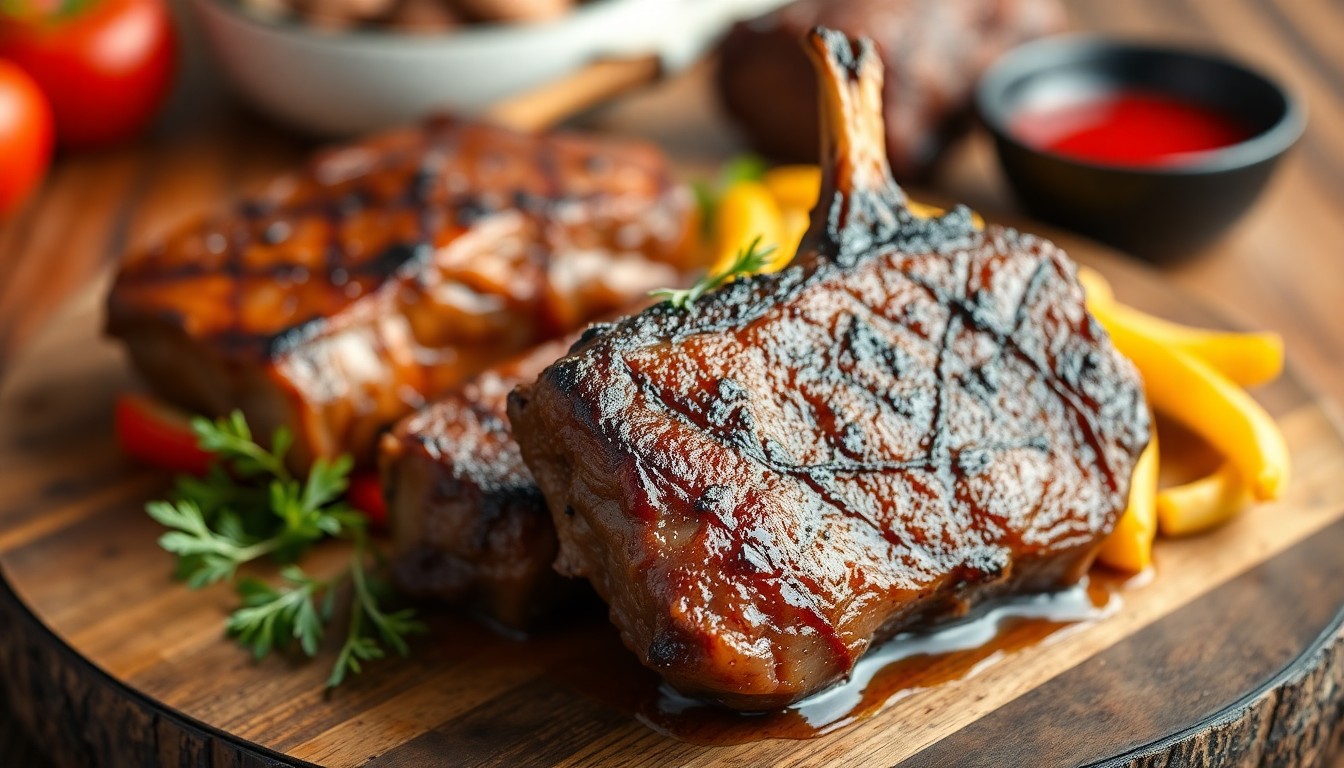
Introduction to the Carnivore Diet and These FAQs
The Carnivore Diet is, at its core, a purely animal-based diet. This means consuming only animal products and eliminating all plant-based foods. Think Meat, fish, eggs, and, for some, select dairy products. It’s a radical departure from the standard dietary recommendations, but it’s gaining traction for its potential benefits, particularly in areas like Weight Loss, digestive health, and autoimmune conditions.
This FAQ format is designed to be helpful because it directly addresses the most common carnivore questions and concerns that people have when considering or starting this way of eating. It’s a quick and easy way to find diet answers without wading through lengthy articles. We are aiming to have your Carnivore Diet FAQs answered.
This guide will cover the fundamentals of the carnivore diet, delve into crucial topics like electrolytes and Weight Loss, and address common misconceptions. We’ll also provide practical tips for transitioning and sustaining this lifestyle. Keep in mind that this is not a substitute for personalized medical advice, and consulting with a healthcare professional is always recommended before making significant dietary changes.
What Exactly IS the Carnivore Diet? – Defining the Basics
The Core Principle: Animal Products Only
The foundation of the carnivore diet is simple: eat only animal products. This includes:
- Meat: Beef, lamb, pork, poultry (chicken, turkey, duck), game meats, and others.
- Fish and Seafood: Salmon, tuna, mackerel, shrimp, lobster, crab, etc.
- Eggs: Chicken eggs, duck eggs, quail eggs.
- (Optionally) Some Dairy: High-fat, low-lactose dairy products like heavy cream, hard cheeses, and butter are tolerated by some individuals. This is a point of contention within the carnivore community, with some advocating for strict exclusion of dairy.
What’s EXCLUDED on a Carnivore Diet?
Just as important as what you do eat is what you don’t eat. The carnivore diet excludes:
- Fruits: All fruits, including berries, apples, bananas, etc.
- Vegetables: All vegetables, including leafy greens, cruciferous vegetables, root vegetables, etc.
- Grains: Wheat, rice, corn, oats, barley, etc.
- Legumes: Beans, lentils, peas, peanuts.
- Nuts and Seeds: All nuts and seeds.
- Processed Foods, Sugars, and Vegetable Oils: These are universally excluded due to their inflammatory and generally unhealthy nature.
Variations of the Carnivore Diet
While the core principle remains the same, there are variations within the carnivore diet:
- Strict vs. Relaxed Carnivore: Strict carnivores consume only meat and water. Relaxed carnivores may include eggs, and some dairy.
- Nose-to-Tail Approach (Organ Meats): This emphasizes consuming organ meats (liver, heart, kidneys, etc.) for their high nutrient density.
- Carnivore with Dairy – Considerations: If including dairy, it’s crucial to choose high-fat, low-lactose options and monitor your body’s response. Lactose intolerance is common, and dairy can be problematic for some.
Electrolytes on the Carnivore Diet: Preventing Imbalances
Why are Electrolytes SO Important on Carnivore?
Electrolytes are essential minerals that carry an electric charge and are vital for various bodily functions, including nerve and muscle function, hydration, and blood pressure regulation.
The “keto flu,” a common set of symptoms experienced during the initial adaptation to a low-carb or carnivore diet, is often linked to electrolyte loss. Symptoms include headache, fatigue, muscle cramps, and nausea.
Carbohydrate restriction, a hallmark of the carnivore diet, increases electrolyte excretion, particularly sodium, through the kidneys. This is because insulin, which is lower on a low-carb diet, plays a role in sodium retention.
The Key Electrolytes and How to Get Them
- Sodium: Crucial for fluid balance and nerve function. On a carnivore diet, liberal salt intake is often necessary. Use high-quality salts like sea salt or Himalayan pink salt. Aim for 5-7 grams of salt per day, especially in the initial stages, and adjust based on your body’s needs.
- Potassium: Important for muscle function and heart health. Red meat is a good source of potassium. Supplements can be considered, but caution is advised, as excessive potassium can be dangerous. Consult a healthcare professional before supplementing with potassium.
- Magnesium: Involved in hundreds of bodily processes, including muscle relaxation and energy production. Meat contains magnesium, but supplementation is often beneficial. Magnesium glycinate and citrate are generally well-absorbed forms.
Signs of Electrolyte Imbalance – What to Watch Out For
- Muscle Cramps
- Headaches
- Fatigue
- Heart Palpitations
- Dizziness
Practical Tips for Electrolyte Management – Carnivore diet FAQs
- Salt your food liberally. Don’t be afraid of salt; it’s your friend on a carnivore diet.
- Consider bone broth. Bone broth is a natural source of electrolytes and other beneficial nutrients.
- Electrolyte supplements. If you’re experiencing symptoms of imbalance, consider a high-quality electrolyte supplement, especially during the adaptation phase. Start with a low dose and adjust as needed.
- Monitor your body’s signals. Pay attention to how you feel and adjust your electrolyte intake accordingly.
Carnivore Diet and Weight Loss: What to Expect
How Does the Carnivore Diet Promote Weight Loss?
- Increased Satiety (Protein and Fat): Protein and fat are highly satiating, meaning they keep you feeling full for longer, reducing overall calorie intake.
- Elimination of Processed Foods and Sugars: Removing these highly palatable and often addictive foods naturally reduces calorie intake and improves metabolic health.
- Potential for Ketosis and Fat Burning: By drastically reducing carbohydrate intake, the carnivore diet can induce ketosis, a metabolic state where the body burns fat for fuel instead of glucose.
- Reduced Cravings: Many people report a significant reduction in cravings for sugary and processed foods on a carnivore diet.
Realistic Weight Loss Expectations – It’s Not Magic
- Individual results vary. Factors like starting weight, metabolism, genetics, and activity level influence weight loss.
- Importance of calorie intake (even on carnivore). While many people experience effortless weight loss, it’s still possible to overeat on a carnivore diet, especially with high-fat cuts of meat.
- The role of exercise (or lack thereof). Exercise can enhance weight loss and overall health, but it’s not strictly necessary for weight loss on a carnivore diet.
- Addressing the myth of “unlimited meat” and weight loss. While the carnivore diet is high in protein and fat, calories still matter.
Potential Roadblocks to Weight Loss on Carnivore
- Overeating (especially high-fat cuts).
- Too much dairy (if included). Dairy can be calorie-dense and may stall weight loss for some.
- Underlying health conditions. Certain medical conditions can affect weight loss.
- Stress and sleep quality. High stress and poor sleep can negatively impact hormones and hinder weight loss.
Tracking Progress Beyond the Scale
- Body measurements
- Clothing fit
- Energy levels
- Other health markers
Common Carnivore Questions: Addressing Concerns and Misconceptions
Is the Carnivore Diet Safe Long-Term?
There is a lack of long-term, large-scale studies on the carnivore diet. Anecdotal evidence from individuals following the diet for extended periods suggests potential benefits, but it’s crucial to acknowledge the limitations of anecdotal evidence. It’s essential to listen to your body and get regular health checkups to monitor your health markers. A proactive relationship with a healthcare provider familiar with the diet is highly recommended.
What About Fiber? Won’t I Be Constipated?
The body can adapt to a no-fiber diet. Many people report improved digestion and bowel regularity on carnivore. Fat plays a crucial role in digestion and can help with lubrication. If constipation occurs, ensure adequate hydration, electrolyte intake, and consider increasing fat intake. Some individuals find that adding a small amount of magnesium citrate can help.
Will I Get Nutrient Deficiencies?
Meat, especially organ meats, is incredibly nutrient-dense. Liver, for example, is a powerhouse of vitamins and minerals. Concerns about Vitamin C are often addressed by the fact that fresh meat contains some Vitamin C, and the body’s requirement for Vitamin C may be lower on a low-carb diet. Vitamin K2 is found in animal products, particularly grass-fed meats and dairy. Supplementation might be considered in specific cases, but always under the guidance of a healthcare professional.
How Do I Deal with Social Situations and Eating Out?
Planning ahead is key. Communicate your dietary needs to hosts or restaurants. Many restaurants can accommodate a carnivore diet by offering plain grilled meat or fish. Dealing with social pressure requires confidence in your choices and the ability to politely decline non-carnivore foods.
Is the Carnivore Diet Sustainable?
Cost can be a factor, depending on the types of meat you choose and where you source them. Meal planning and preparation can simplify the process. Dealing with boredom or cravings may require finding creative ways to prepare meat and focusing on the long-term benefits. The goal is to make it a sustainable lifestyle, not just a temporary “diet.”
Can I Exercise on the Carnivore Diet?
Many people thrive on a carnivore diet and maintain high levels of physical activity. There may be an adaptation period where performance dips slightly, but most people report improved energy levels over time. Hydration and electrolytes are crucial for athletes on any diet, especially a carnivore diet.
What about cholesterol and heart health?
The relationship of dietary cholesterol and saturated fats to blood lipid panels is complex and an area of ongoing scientific debate. Recent studies have challenged the traditional view that saturated fat is directly linked to heart disease. However, it is important to monitor one’s blood lipids and other relevant health markers, and to seek guidance from a medical professional who is knowledgeable on the latest research. A personalized approach, taking into consideration individual risk factors, is recommended.
Transitioning to the Carnivore Diet: A Step-by-Step Approach
Should I Go Cold Turkey or Gradually Transition?
Both approaches have pros and cons. Going cold turkey can be effective for some, but it can also lead to more intense “keto flu” symptoms. A gradual transition may be easier for others, allowing the body to adapt more slowly.
A Sample Transition Plan (if gradual)
- Week 1: Reduce processed foods and sugars.
- Week 2: Eliminate grains and legumes.
- Week 3: Eliminate fruits and vegetables.
- Week 4: Focus on meat, fish, eggs, and (optional) dairy.
What to Expect During the Transition Phase
- “Keto Flu” symptoms (headache, fatigue, muscle cramps, etc.).
- Digestive adjustments (changes in bowel movements).
- Changes in energy levels (initial dip, followed by improvement).
- Cravings (especially for sugar and carbs).
Listening to your body, and knowing when to consult with a professional.
Your body is an excellent guide. Pay attention to how you are feeling, and seek professional medical advice if you have any concerns.
Where to Go For More Information – Carnivore Diet Resources.
- Recommended books: “The Carnivore Diet” by Shawn Baker, “The Carnivore Code” by Paul Saladino.
- Reputable websites and blogs: MeatRx, Carnivore Aurelius.
- Finding a carnivore-friendly healthcare professional: Search online directories or ask for recommendations in carnivore communities.
Frequently Asked Questions
1. Can I drink coffee or tea on the carnivore diet?
This is a matter of debate within the carnivore community. Strict carnivores typically avoid all plant-based beverages, including coffee and tea. Some relaxed carnivores may include them in small amounts, especially if they don’t experience any negative effects. It’s best to experiment and see how your body responds.
2. What if I get bored eating only meat?
Experiment with different cuts of meat, cooking methods, and seasonings (salt, pepper, and some carnivore-friendly spices). Explore organ meats for variety and nutrient density. Look for carnivore recipes online for inspiration.
3. Is the carnivore diet suitable for everyone?
While many people report positive experiences, the carnivore diet is not a one-size-fits-all solution. Individuals with pre-existing medical conditions, especially kidney issues, should consult with a healthcare professional before making any significant dietary changes. Pregnant and breastfeeding women should also seek medical advice.
Conclusion
The carnivore diet, while seemingly restrictive, offers a surprisingly simple and potentially powerful approach to nutrition. By focusing on nutrient-dense animal products, it can lead to improved satiety, weight loss, reduced inflammation, and better digestive health. Managing electrolytes is crucial, especially during the adaptation phase, and understanding the nuances of weight loss on carnivore is essential for setting realistic expectations. While long-term research is still limited, the growing body of anecdotal evidence and the underlying principles of nutrient density and elimination of processed foods make it a compelling dietary approach for many. Remember to always listen to your body and consult with a healthcare professional to determine if the carnivore diet is right for you.