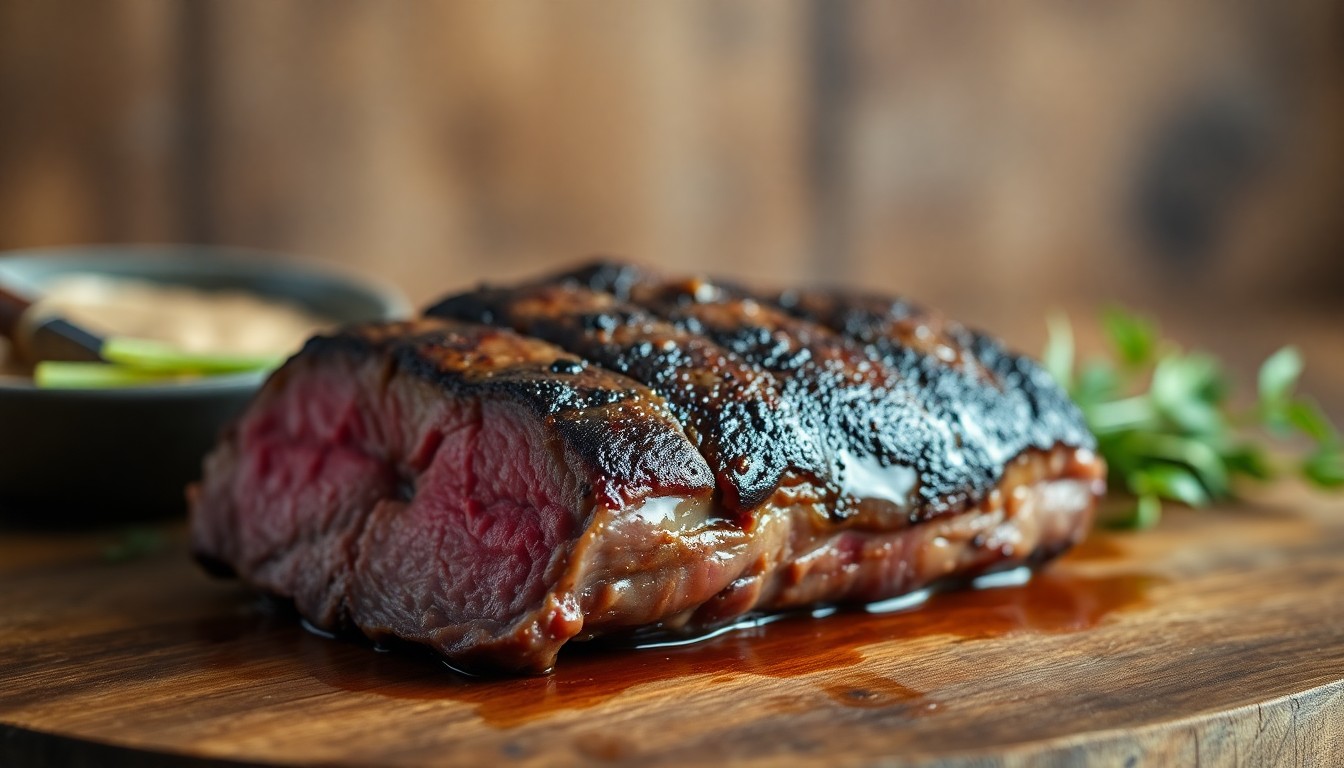
The Carnivore Diet. It’s a term that sparks curiosity, debate, and a whole lot of questions. Eating only Meat and animal products sounds extreme to many, yet a growing number of people are embracing this way of life, reporting significant health improvements. But what’s the real story behind this seemingly restrictive approach? Is it a sustainable path to wellness, or are the risks too high?
Here at Meat Only Living, we dive deep into the world of carnivore eating. In this post, we’ll tackle the core aspects of the diet, weigh the potential Carnivore Diet Benefits against the undeniable Carnivore Diet Challenges, and answer some of the most common Carnivore Diet Questions you might have.
What Exactly is the Carnivore Diet?
Before exploring the pros and cons, let’s clarify what this eating style entails.
Defining the “Meat Only Diet” Approach
At its heart, the Carnivore Diet, often referred to as a Meat Only Diet, involves consuming exclusively animal products and eliminating all plant-based foods. This means your plate will primarily feature meat, fish, eggs, and potentially some dairy, while fruits, vegetables, grains, legumes, nuts, seeds, and sugars are off the menu.
It’s crucial to distinguish this from other low-carbohydrate diets. While the ketogenic (Keto) diet significantly restricts carbs, it still incorporates plant-based fats and low-carb vegetables. The Carnivore Diet takes carb restriction to its ultimate conclusion by removing plant matter entirely.
Core Principles: What Can You Eat (and Not Eat)?
Simplicity is a key feature. Here’s a basic breakdown:
- Allowed Foods: All types of meat (beef, pork, lamb, goat, game), poultry (chicken, turkey, duck), fish and seafood, eggs, animal fats (tallow, lard, butter), and sometimes hard cheeses or heavy cream, depending on individual tolerance and goals. Water and salt are essential staples.
- Excluded Foods: Fruits, vegetables, grains (wheat, rice, oats), legumes (beans, lentils, peanuts), nuts, seeds, sugars (including honey, maple syrup), processed foods containing plant derivatives, and most beverages other than water (coffee/tea are debated within the community).
Understanding the “Zero Carb Diet” Aspect (or near-zero)
The primary goal is the elimination of dietary carbohydrates. While often called a Zero Carb Diet, it’s more accurately near-zero carb. Some animal products, like liver, eggs, and dairy, contain trace amounts of carbohydrates. However, the intake is negligible compared to standard or even ketogenic diets, forcing the body to rely almost exclusively on fat and protein for energy.
Exploring the Potential Carnivore Diet Benefits
Why would someone choose such a restrictive way of eating? Proponents report a wide range of compelling benefits.
Weight Loss and Body Composition Changes
This is often the most cited benefit. Eating high-protein, high-fat animal products promotes significant satiety, naturally leading many to consume fewer calories without feeling deprived. Furthermore, drastically reducing carbohydrates lowers insulin levels, encouraging the body to burn stored fat for fuel. Many anecdotes, alongside emerging research on very low-carb diets, support the potential for effective weight management.
Improved Mental Clarity and Reduced Brain Fog
Many carnivores report sharper focus, stable energy levels, and the disappearance of “brain fog.” This could be linked to more stable blood sugar levels, avoiding the peaks and crashes associated with carbohydrate consumption. The brain can also efficiently use ketones (produced when carbs are very low) for energy. Additionally, eliminating potential inflammatory compounds found in some plants might contribute to cognitive improvements.
Digestive Health Improvements
For individuals struggling with conditions like Irritable Bowel Syndrome (IBS), bloating, gas, or general digestive discomfort, the Carnivore Diet can be transformative. By removing fermentable fibers (FODMAPs), plant defense chemicals (like lectins and oxalates), and other potential gut irritants, the digestive system often finds significant relief. Many report normalization of bowel movements and a calmer gut environment.
Inflammation Reduction and Autoimmune Condition Management
Chronic inflammation is linked to numerous modern diseases. Eliminating potential dietary triggers like sugar, processed seed oils, and certain plant compounds may significantly lower systemic inflammation markers for some individuals. There’s a growing body of anecdotal evidence suggesting that the Carnivore Diet can lead to remission or significant improvement in symptoms for various autoimmune conditions (e.g., rheumatoid arthritis, psoriasis, Crohn’s disease), though more rigorous research is needed.
Blood Sugar Control and Potential Diabetes Management
As a near Zero Carb Diet, this approach dramatically impacts blood sugar regulation. By minimizing glucose intake, the body’s need for insulin plummets, potentially improving insulin sensitivity. This holds promise for managing, and in some reported cases, even reversing type 2 diabetes. However, anyone with diabetes considering this diet must do so under strict medical supervision due to the potent effects on blood glucose and medication needs.
Simplification of Eating and Reduced Cravings
Tired of complex meal planning and constant food decisions? The Carnivore Diet offers extreme simplicity. Focusing on high-quality animal products reduces decision fatigue. The high satiety factor from protein and fat also helps regulate appetite hormones like ghrelin and leptin, often leading to a significant reduction, or even elimination, of cravings for sugary or processed foods.
Addressing the Carnivore Diet Challenges and Risks
Despite the potential upsides, it’s essential to acknowledge the challenges and potential Carnivore Diet Risks associated with this way of eating.
The Adaptation Phase: Transition Symptoms
Switching from a carb-heavy diet to a meat-only approach can trigger temporary side effects as your body adapts. Often mirroring the “Keto Flu,” symptoms can include fatigue, headaches, nausea, irritability, and changes in bowel habits (diarrhea or constipation). Staying hydrated, ensuring adequate salt intake (electrolytes), and gradually increasing fat consumption can help ease this transition period, which typically lasts from a few days to a few weeks.
Nutrient Deficiencies: A Major Concern Among Carnivore Diet Risks
This is a primary criticism. Concerns often revolve around:
- Vitamin C: While meat contains less Vitamin C than fruits, fresh meat (especially organ meats) does provide some. It’s also theorized that Vitamin C needs may be lower in the absence of high glucose intake, as they compete for the same cellular transporters. However, ensuring sufficient intake, possibly through sources like liver or supplementation, is important.
- Fiber: The complete absence of dietary fiber raises questions about long-term gut health. While many carnivores report improved digestion, the long-term effects on the gut microbiome are still debated and under-researched.
- Other Micronutrients: Electrolytes like magnesium and potassium might need attention, especially during adaptation. Nutrients like manganese are less abundant in muscle meat. Emphasizing variety, including different types of meat, fish, eggs, and particularly nutrient-dense organ meats (liver, kidney, heart), is crucial to mitigate these risks.
Social Limitations and Eating Out
Let’s be honest: eating only animal products can make social situations challenging. Restaurants, parties, and family gatherings often revolve around plant-inclusive meals. Navigating these requires planning, communication, and sometimes, bringing your own food or eating beforehand. Dining out often means requesting plain grilled meat or fish with butter.
Cost and Accessibility of Quality Meat
Depending on your location and choices, a meat-centric diet can be more expensive than a standard diet including cheaper fillers like grains and legumes. Prioritizing quality (e.g., grass-fed beef, pasture-raised eggs, wild-caught fish) can further increase costs, creating a potential barrier for some.
Long-Term Health Concerns and Carnivore Diet Risks
The lack of long-term, large-scale human studies on the Carnivore Diet is a significant limitation.
- Cholesterol and Cardiovascular Health: While many carnivores see improvements in some markers like triglycerides and HDL, LDL cholesterol often increases, sometimes dramatically. The significance of this rise is hotly debated, with focus shifting towards particle size and number, inflammation, and insulin resistance rather than just total LDL. This area requires careful monitoring and nuanced interpretation.
- Gut Microbiome Impact: The long-term effects of eliminating fiber on the diversity and function of gut bacteria are largely unknown and a valid concern.
- Kidney Function: Concerns about high protein intake stressing the kidneys are often raised. However, studies generally show this isn’t an issue for individuals with healthy kidneys. Those with pre-existing kidney disease should avoid high-protein diets like carnivore.
Sustainability and Ethical Considerations
The environmental footprint of large-scale meat production and the ethical considerations surrounding animal agriculture are complex issues that potential adherents may need to grapple with. Sourcing from regenerative or sustainable farms can mitigate some environmental concerns but often comes at a higher cost.
Answering Common Carnivore Diet Questions
Let’s tackle some frequently asked Carnivore Diet Questions.
Is the Carnivore Diet Safe Long-Term?
The honest answer is: we don’t have definitive long-term data from large controlled studies. While many individuals report thriving for years, potential Carnivore Diet Risks related to nutrient deficiencies and unknown long-term effects exist. Individual health status, genetics, food quality choices, and careful monitoring are key. It’s a balance between reported benefits and acknowledged unknowns.
How Do You Get Enough Nutrients on a Meat Only Diet?
The key lies in the nutrient density of animal products. A well-formulated Meat Only Diet emphasizes variety and nose-to-tail eating. Muscle meat provides protein and some vitamins/minerals. Eggs are nutritional powerhouses. Fish offers omega-3 fatty acids. Organ meats like liver and kidney are exceptionally rich in vitamins (A, B vitamins, C) and minerals (iron, copper, zinc) often thought to be lacking. Proper salting addresses sodium and chloride needs; other electrolytes might require attention.
Won’t All That Meat Raise My Cholesterol?
Dietary cholesterol has less impact on blood cholesterol for most people than previously thought. Saturated fat’s effect is also complex. As mentioned, LDL might increase, but other markers like HDL, triglycerides, and inflammation often improve. Understanding your full lipid panel (including particle size/number if possible) and overall metabolic health context is more informative than focusing solely on total LDL.
What About Fiber and Gut Health?
This is highly debated. Conventional wisdom holds fiber as essential for gut health and regular bowel movements. However, many carnivores report resolving digestive issues after eliminating fiber. Some argue fiber isn’t essential and can be irritating. Bowel movements may become less frequent but are often reported as easier. The impact on microbiome diversity long-term is still an area needing more research.
Can Athletes Perform Well on a Carnivore Diet?
Yes, many athletes report excellent performance on the Carnivore Diet, but there’s usually an adaptation period. Once fat-adapted, the body becomes efficient at using dietary and stored fat for sustained energy. High protein intake supports muscle repair and growth. Anecdotes abound, from endurance athletes to strength trainers, though individual responses vary.
Is this the Same as Keto or a Zero Carb Diet?
It’s stricter than Keto, as it eliminates plant foods Keto allows. It’s the ultimate expression of a Zero Carb Diet (or near-zero), focusing solely on animal sources. Keto allows for controlled amounts of carbs, primarily from non-starchy vegetables, nuts, and seeds.
How Do I Start the Carnivore Diet?
The simplest way is abrupt elimination: stop eating plants and focus on meat, fish, eggs, water, and salt. Pay close attention to electrolytes (especially salt) during the first few weeks to manage adaptation symptoms. Some prefer a gradual transition, perhaps starting with Keto first. Listen to your body and adjust fat intake for satiety and energy.
Weighing the Pros and Cons: Is the Carnivore Diet Right for You?
Ultimately, the decision is personal and depends on individual circumstances.
Assessing Carnivore Diet Benefits vs. Carnivore Diet Challenges for the Individual
Carefully consider the potential upsides (Weight Loss, mental clarity, digestive relief, reduced inflammation) against the downsides (adaptation phase, nutrient concerns, social limits, cost, long-term unknowns). What are your health goals? What challenges seem most daunting?
Who Might Benefit Most?
This approach may be particularly appealing or beneficial for:
- Individuals with persistent autoimmune or inflammatory conditions unresponsive to other treatments.
- Those struggling with significant weight loss resistance or metabolic syndrome.
- People experiencing chronic digestive issues (IBS, SIBO, etc.).
- Individuals seeking radical dietary simplification or an ultimate elimination diet to identify food sensitivities.
Who Should Be Cautious or Avoid It?
Caution or avoidance is advised for:
- Individuals with pre-existing kidney disease.
- Those with rare genetic disorders affecting fat or protein metabolism.
- Pregnant or breastfeeding women should exercise extreme caution and seek medical advice due to increased nutrient demands and lack of safety data.
- Anyone unwilling or unable to monitor their health closely or address potential Carnivore Diet Risks.
The Importance of Individual Response and Monitoring
There is no one-size-fits-all experience. How you respond is what matters most. Regularly track how you feel, monitor energy levels, digestion, mental state, and consider periodic blood work (lipid panel, inflammation markers, nutrient levels) to assess objective changes.
Consulting Healthcare Professionals Before Starting
Strongly consider discussing the Carnivore Diet with a knowledgeable doctor or registered dietitian before starting, especially if you have any pre-existing health conditions or are taking medications. They can help you assess the potential risks and benefits for your specific situation and help you address your Carnivore Diet Questions professionally.
Conclusion: The Allure of Meat Only Living
The Carnivore Diet presents a compelling, albeit controversial, approach to nutrition. The potential Carnivore Diet Benefits are significant for many, including powerful effects on weight management, enhanced mental clarity, profound digestive relief, reduced inflammation markers, improved blood sugar control, and appealing dietary simplicity. While challenges and unknowns remain, particularly regarding long-term health and nutrient completeness without careful planning, the positive transformations reported by countless individuals make it an avenue worth exploring for those seeking radical health changes. As with any major dietary shift, careful consideration, self-monitoring, and professional guidance are key.
Frequently Asked Questions (FAQ)
Question 1: Do I need to eat organ meats on the Carnivore Diet?
Answer: While not strictly mandatory, incorporating organ meats like liver, kidney, and heart is highly recommended on a Meat Only Diet. They are incredibly nutrient-dense, providing vitamins and minerals (like Vitamin A, B vitamins, copper, iron, and even some Vitamin C) that can be lower in muscle meats alone. Eating nose-to-tail helps create a more nutritionally complete diet and mitigates some potential Carnivore Diet Risks associated with nutrient deficiencies.
Question 2: Will I get constipated without fiber on the Carnivore Diet?
Answer: This is a common concern, but experiences vary. Many people find their digestion improves significantly, reporting less bloating and gas. Bowel movements might become less frequent because there’s less indigestible bulk, but they are often reported as being easier to pass. However, some individuals do experience constipation, especially during the adaptation phase. Ensuring adequate fat intake, staying hydrated, and getting enough salt (electrolytes) can often help manage this.
Question 3: Is the Carnivore Diet expensive?
Answer: It can be, but it depends heavily on your choices. Prioritizing premium cuts like ribeye, grass-fed beef, and wild-caught salmon will increase costs. However, you can manage the budget by opting for cheaper cuts (ground beef, chuck roast), buying in bulk, incorporating more eggs, and looking for sales. While potentially more expensive than a diet based on cheap fillers like rice or pasta, many find they eat less overall due to high satiety, which can offset some costs. Addressing Carnivore Diet Challenges like cost often involves smart shopping and meal planning.