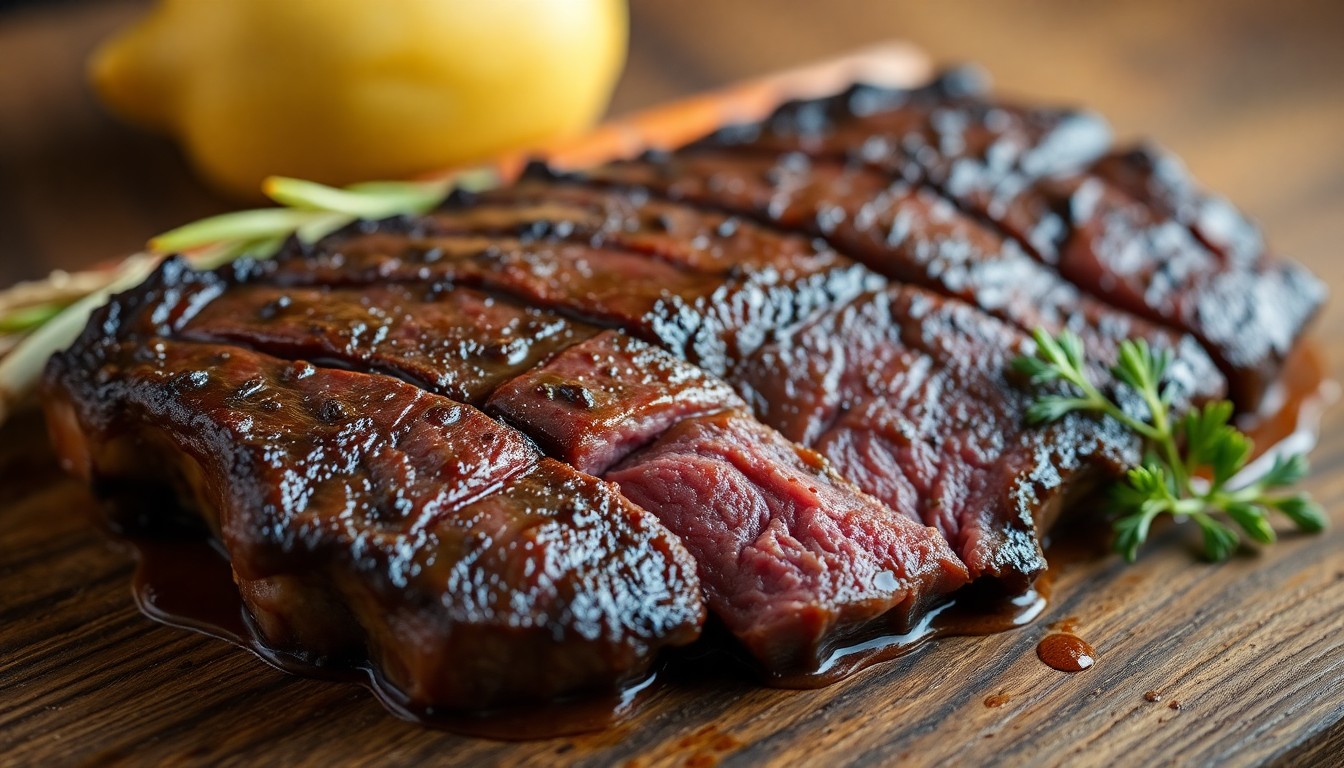
On the carnivore diet, steak and ground Beef often take center stage. They’re delicious, readily available, and easy to prepare. But to truly thrive on this way of eating, we need to venture beyond the familiar and embrace the nutritional powerhouse that is organ meats. This post will guide you through the world of offal, debunking myths, offering practical tips, and providing delicious carnivore recipes to make nose-to-tail eating a sustainable and enjoyable part of your life.
The Undervalued Powerhouse: Why Organ Meats on a Carnivore Diet?
Beyond Muscle Meat: Completing the Nutritional Puzzle
While muscle meat provides ample protein and fat, relying solely on it can lead to nutritional gaps. The carnivore diet, when approached holistically, should include all parts of the animal. Organ meats are crucial for providing a complete spectrum of vitamins and minerals that are often lacking in standard muscle cuts.
Think of it this way: the animal’s organs are where many vital nutrients are concentrated. These nutrients are essential for our own organ function and overall health. There’s a concept often referred to as “like supports like,” suggesting that consuming liver, for example, can be beneficial for our own liver health. While more research is always beneficial, the anecdotal evidence and historical use of organ meats in traditional diets are compelling.
Nutrient Density Showdown: Organ Meats vs. Muscle Meat
Let’s compare the nutritional profiles of some common organ meats with a typical muscle meat cut, like beef steak. The difference is striking:
| Nutrient | Beef Liver (3.5 oz) | Beef Heart (3.5 oz) | Beef Kidney (3.5 oz) | Beef Steak (3.5 oz) |
|---|---|---|---|---|
| Vitamin A (RAE) | 9,442 mcg | 7 mcg | 275 mcg | 9 mcg |
| Vitamin B12 | 70.6 mcg | 11.9 mcg | 28.1 mcg | 2.15mcg |
| Iron | 4.9 mg | 6.4 mg | 4.6 mg | 2.0 mg |
| Copper | 12 mg | 0.5 mg | 0.6mg | 0.1 mg |
| Choline | 418 mg | 154 mg | 334 mg | 90 mg |
| CoQ10 | 3.3mg | 11.3mg | 5.1mg | 3.1mg |
* Values are approximate and can vary based on sourcing and preparation. Sourced from USDA FoodData Central.
As you can see, organ meats, particularly liver, are significantly richer in vital nutrients like Vitamin A, B Vitamins (especially B12), Iron, Copper, Choline and CoQ10. These nutrients are often deficient in modern diets, and even on a carnivore diet focused solely on muscle meat, it can be challenging to obtain optimal levels.
The “Nose-to-Tail” Philosophy: Respecting the Whole Animal
Nose-to-tail eating is a cornerstone of sustainable eating. It’s about consuming all parts of the animal, minimizing waste, and honoring the animal’s life. This approach isn’t just a trendy concept; it’s deeply rooted in traditional diets and ancestral wisdom. Our ancestors understood the value of every part of the animal, both nutritionally and ethically. By embracing nose-to-tail eating, we’re reconnecting with that wisdom and making more responsible food choices.
Debunking the Myths: Addressing Common Concerns About Organ Meats
The “Taste” Factor: Overcoming Perceived Palatability Issues
Let’s be honest: many people are initially hesitant about the taste and texture of some organ meats. It’s an understandable aversion, often based on unfamiliarity. However, there are ways to overcome this. Start by gradually introducing organ meats into your diet. Mix finely chopped or ground liver or heart with ground beef. Use strong spices and seasonings to mask any unfamiliar flavors. Consider “gateway” organ meats like heart, which has a milder flavor and a texture similar to steak.
Sourcing High-Quality Organ Meats: Ensuring Safety and Freshness
The quality of your organ meats is paramount. Always source from reputable sources, prioritizing grass-fed, pasture-raised animals. Local butchers or farmers markets are excellent options, as they can often provide information about the animal’s raising and handling. When selecting offal, look for vibrant color, a fresh smell (or no smell at all), and a firm texture. Avoid any organ meats that appear discolored, slimy, or have an off-putting odor.
Toxin Concerns: Separating Fact from Fiction
A common misconception is that organ meats, especially liver, are “full of toxins.” This is simply not true for healthy animals. The liver’s role is to process toxins, not store them. It filters toxins from the blood and prepares them for elimination. In a healthy, well-raised animal, the liver is a safe and incredibly nutritious food. However, this reinforces the importance of sourcing from animals raised in healthy environments, free from excessive exposure to antibiotics, hormones, and environmental pollutants.
Delicious and Easy Carnivore Recipes: Incorporating Organ Meats into Your Diet
Gateway Organ Meat Recipes: Starting Simple
Carnivore Recipe 1: Ground Beef and Heart Mix
- Finely chop or grind beef heart (start with a small amount, like 1/4 lb per pound of ground beef).
- Mix the ground heart thoroughly with your ground beef.
- Season generously with salt, pepper, and any other carnivore-friendly spices you enjoy (garlic powder, onion powder are good options, even if you are strict).
- Cook as you normally would – make burgers, meatballs, or a simple meatloaf.
The heart adds a subtle richness and a boost of nutrients without significantly altering the flavor.
Carnivore Recipe 2: Chicken Liver Pate (Carnivore-Friendly)
- Gently sauté chicken livers in butter or ghee until cooked through but still slightly pink inside.
- Transfer the livers to a food processor.
- Add a generous amount of butter or ghee (this is key for a smooth texture).
- Season with salt and pepper.
- Blend until completely smooth.
- Chill for at least an hour before serving.
Serve with pork rinds (if you include them in your version of carnivore), or simply eat with a spoon.
Intermediate Organ Meat Recipes: Expanding Your Palate
Carnivore Recipe 3: Beef Heart Steak with Garlic Butter
- Trim any excess fat or connective tissue from the beef heart.
- Slice the heart into steaks (about 1/2 inch thick).
- Season generously with salt and pepper.
- Heat a cast-iron skillet over high heat.
- Add a generous amount of tallow, ghee, or butter to the skillet.
- Sear the heart steaks for 2-3 minutes per side, until nicely browned.
- Reduce heat to medium, add minced garlic to the skillet, and cook for another minute.
- Spoon the garlic butter over the steaks.
Beef heart has a similar texture to steak and a mild, slightly gamey flavor. Proper searing is crucial for tenderness.
Carnivore Recipe 4: Kidney and Bacon Skewers
- Soak beef or lamb kidneys in cold water or milk for at least 2 hours (this helps to remove any strong flavor).
- Rinse the kidneys thoroughly and remove any membranes or tubes.
- Cut the kidneys into bite-sized pieces.
- Wrap each piece of kidney with a slice of bacon.
- Thread the bacon-wrapped kidney onto skewers.
- Grill or pan-fry until the bacon is crispy and the kidney is cooked through.
The bacon adds a salty, smoky flavor that complements the kidney.
Advanced Organ Meat Recipes: Embracing the Variety
Carnivore Recipe 5: Traditional Liver and Onions (Carnivore Adaptation)
- Slice beef liver into thin strips.
- Slice onions thinly.
- Heat a generous amount of animal fat (tallow, lard, or ghee) in a skillet over medium heat.
- Add the onions and cook slowly, stirring occasionally, until they are deeply caramelized and golden brown (this can take 30-45 minutes).
- Remove the onions from the skillet and set aside.
- Increase the heat to medium-high.
- Add the liver to the skillet and cook for 2-3 minutes per side, until browned but still slightly pink inside (do not overcook!).
- Return the caramelized onions to the skillet and mix with the liver.
- Season with salt and pepper.
The key to delicious liver is to not overcook it. It should be slightly pink inside and tender.
Carnivore Recipe 6: Bone Marrow with a Hint of Organ Meat
- Roast bone marrow bones (cut lengthwise or crosswise) at 400°F (200°C) for 15-20 minutes, until the marrow is soft and bubbling.
- While the marrow is roasting, finely mince or puree a small amount of liver or heart (about 1 tablespoon per bone).
- Once the marrow is roasted, carefully scoop it out of the bones.
- Mix the minced organ meat with the warm bone marrow.
- Season with salt.
The rich, buttery flavor of the bone marrow masks the organ meat flavor, making it a great way to introduce organ meats to those who are hesitant.
Sustainable Carnivore: Making Organ Meats a Long-Term Staple
Building a Routine: Incorporating Organ Meats Regularly
Consistency is key. Aim to include organ meats in your diet at least a few times a week. Weekly meal planning can help you incorporate them regularly. Batch cooking is also a great strategy – prepare a large batch of ground beef and heart mix, for example, and freeze it in portions. Variety is important to prevent taste fatigue, so rotate between different organ meats and recipes.
Freezing and Storage: Maximizing Freshness and Convenience
Organ meats can be frozen for later use. Freeze them in individual portions or in pre-mixed batches (like the ground beef and heart mix). Thaw frozen organ meats in the refrigerator overnight. Always cook thawed organ meats thoroughly. Proper freezing and thawing techniques ensure food safety and minimize waste.
Supporting Local Farmers: The Ethical and Environmental Impact
By choosing to include organ meats, you’re already making a more sustainable eating choice. Take it a step further by supporting local farmers who practice nose-to-tail butchery. This reduces food miles, supports local economies, and encourages ethical and sustainable farming practices. Reducing food waste by utilizing all parts of the animal has a significant positive environmental impact.
Troubleshooting and Common Questions
Addressing Digestive Issues:
Some people may experience mild digestive discomfort when first introducing organ meats. Start with very small portions and gradually increase the amount as your body adjusts. Cooking organ meats thoroughly can also aid digestion.
Dealing with Picky Eaters (including oneself):
Be patient with yourself and others. It takes time to adjust to new flavors and textures. Experiment with different recipes and cooking methods. Remember that the nutritional benefits are worth the effort. It’s a journey, not a race.
Supplements vs. Whole Foods:
Desiccated organ meat supplements are available, and they can be a convenient option for some. However, whole food organ meats are generally considered superior because they provide a wider range of nutrients in their natural forms, along with beneficial co-factors that may not be present in supplements. If you choose to use supplements, ensure they are from a reputable source and derived from grass-fed, pasture-raised animals.
Frequently Asked Questions
Q: Can I eat too much liver?
A: While liver is incredibly nutritious, it’s also very high in Vitamin A. Excessive intake of preformed Vitamin A (retinol) can be problematic. It’s generally recommended to consume liver in moderation, a few ounces a few times a week, rather than large amounts daily. Listen to your body and adjust your intake accordingly.
Q: Are organ meats safe for pregnant women?
A: Organ meats, particularly liver, can be a valuable source of nutrients during pregnancy, including folate, iron, and choline. However, due to the high Vitamin A content, pregnant women should consume liver in moderation. Consult with your doctor or a qualified healthcare professional for personalized advice.
Q: Where can I find recipes for less common organ meats like brain, spleen, or sweetbreads?
A: Many traditional cookbooks and online resources feature recipes for these less common organ meats. Look for cookbooks focused on traditional cuisines (e.g., French, Italian, Chinese) or search online for specific organ meat recipes. Start with small amounts and experiment with different flavors and cooking methods.
In conclusion, embracing organ meats is a key step towards maximizing the Benefits of the carnivore diet. By incorporating these nutrient-dense foods, practicing nose-to-tail eating, and making conscious food choices, you’re not only nourishing your body but also contributing to a more sustainable and ethical food system. The carnivore diet, at its best, is about respecting the whole animal and utilizing its gifts to achieve optimal health and well-being.