Embracing the Carnivore Lifestyle: More Than Just Steak
What is the Carnivore Diet? A Brief Overview
The carnivore diet, at its core, is an animal-based diet that focuses exclusively on consuming animal products while eliminating all plant-based foods. This means enjoying a variety of meats, fish, eggs, and, for some, dairy products. The core principle is to nourish your body with the nutrient-dense foods that humans have thrived on for millennia.
The diet eliminates all fruits, vegetables, grains, legumes, nuts, and seeds. The focus remains solely on animal-sourced nutrition.
Why “Beyond Steak”? Expanding Your Carnivore Horizons
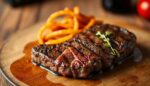
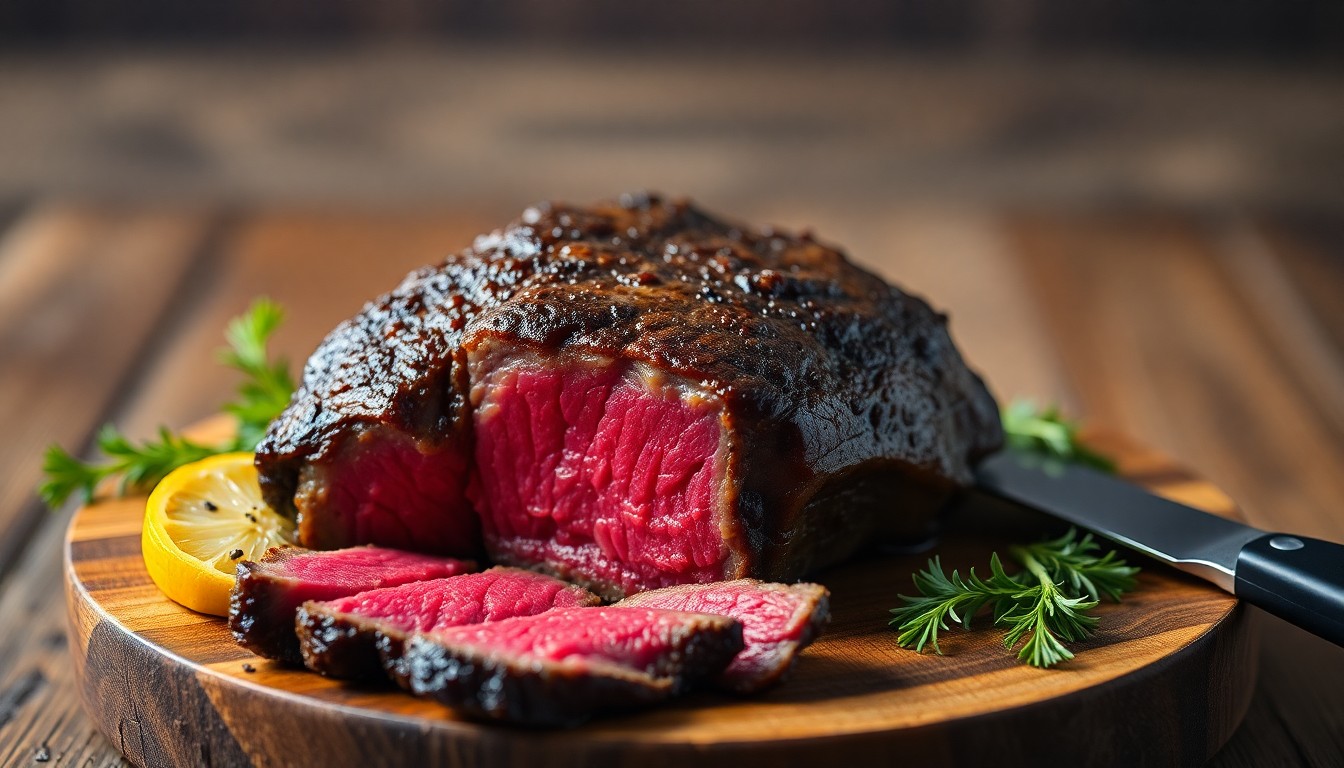
Many people mistakenly believe the carnivore diet consists solely of steak, three times a day. While steak is certainly a delicious and nutritious option, restricting yourself to just one type of Meat is not only monotonous but also potentially limits your nutrient intake. The phrase “beyond steak” encapsulates the idea of exploring the vast and flavorful world of animal-based cuisine.
Variety is crucial for several reasons. Different cuts of meat and different animal sources offer varying levels of vitamins, minerals, and fatty acids. Embracing a diverse range of meat-based recipes ensures you’re getting a broader spectrum of nutrients and keeps your meals exciting and enjoyable.
The Potential Benefits of a Well-Planned Carnivore Diet
Many individuals report experiencing a range of benefits from adopting a well-planned carnivore diet. These potential benefits include:
- Improved Digestion: Some people find that eliminating plant-based foods, which can contain antinutrients and fiber that some find difficult to digest, leads to improved gut health and reduced bloating.
- Weight Management: The high protein and fat content of the carnivore diet can promote satiety, potentially leading to reduced calorie intake and weight loss.
- Potential Mental Clarity and Focus: Some individuals report experiencing improved mental clarity and focus on a carnivore diet, possibly due to stable blood sugar levels and the elimination of potential dietary triggers.
- Reduced Inflammation: While more research is needed, some proponents suggest that eliminating plant-based foods can reduce inflammation in the body.
Disclaimer: It’s crucial to consult with a healthcare professional or registered dietitian before making significant dietary changes, including adopting a carnivore diet. They can help you assess your individual needs and potential risks.
Delicious Carnivore Diet Recipes: Variety is the Spice of Life (Without the Spices!)
Breakfast: Powering Up Your Day with Animal Protein
Start your day with a protein-packed carnivore breakfast. Here are a few ideas:
- Bacon and Eggs: A classic for a reason! Experiment with different types of bacon (thick-cut, smoked, etc.) and cooking methods (pan-fried, baked, air-fried).
- Carnivore “Omelets”: Use rendered animal fat (like bacon grease or tallow) to cook your eggs. If you tolerate dairy, you can add cheese.
- Ground Beef Scramble with Organ Meats: For the more adventurous carnivore, incorporating organ meats like liver or heart into a ground beef scramble provides a significant nutritional boost.
These are just a few examples of carnivore diet recipes to start your day.
Lunch: Quick and Satisfying Carnivore Meals
Lunch on the carnivore diet can be incredibly simple and convenient.
- Leftovers: This is arguably the easiest option. Simply reheat a portion of your dinner from the previous night.
- Cold Cuts and Cheese: If you include dairy, opt for high-quality, full-fat cheeses and minimally processed cold cuts.
- Tuna or Salmon Salad: Use rendered animal fat instead of mayonnaise for a carnivore-friendly version.
- Burger Patties: Experiment with different ground meats (beef, lamb, pork) and simple seasonings like salt and pepper.
Dinner: Exploring the Richness of Animal-Based Cuisine
Dinner is where you can truly explore the diverse range of meat-based recipes available on the carnivore diet.
- Roast Chicken or Turkey: A whole roasted bird provides multiple meals and delicious bone broth. Experiment with different cooking methods, like spatchcocking for faster cooking.
- Slow Cooker Carnivore Stew: Use tougher cuts of meat (chuck roast, short ribs) along with bone broth and marrow bones for a deeply flavorful and nutrient-rich stew.
- Pan-Seared Fish: Fatty fish like salmon, cod, or mackerel are excellent choices. Sear them in animal fat for a crispy skin.
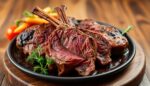
- Lamb Chops or Leg of Lamb: Lamb offers a unique flavor profile. Grill, pan-sear, or roast for a delicious meal.
Snacks: Carnivore-Friendly Options for Between Meals (if needed)
While many people find they don’t need to snack as frequently on a carnivore diet due to its satiating nature, here are some options if you do get hungry:
- Hard-Boiled Eggs: A quick and easy protein source.
- Pork Rinds: Choose pork rinds with no added sugars or unhealthy oils.
- Beef Jerky: Make your own or carefully select a store-bought option that is sugar-free and minimally processed.
- Bone Broth: A warm and nourishing beverage packed with nutrients.
Organ Meats: Nutritional Powerhouses (Optional Section, for those interested)
Organ meats, such as liver, heart, and kidney, are incredibly nutrient-dense. They are packed with vitamins, minerals, and other essential nutrients that are often lacking in modern diets.
While the taste and texture can be challenging for some, there are ways to incorporate them into your meals. You can mix small amounts of finely chopped liver or heart into ground beef, for example. Start slowly and experiment with different preparations to find what works best for you.
Addressing concerns, it’s understandable to be hesitant. The key is to start small, find high-quality sources, and experiment with cooking methods. The nutritional benefits are well worth the effort.
Carnivore Meal Planning: Your Roadmap to Sustained Success
The Importance of Planning: Setting Yourself Up for Victory
Carnivore meal planning is essential for long-term success on this diet. Planning helps you:
- Avoid Impulsive Food Choices: When you have a plan, you’re less likely to reach for non-carnivore foods when hunger strikes.
- Ensure Adequate Nutrient Intake: Planning allows you to incorporate a variety of animal products to meet your nutritional needs.
- Save Time and Money: Batch cooking and grocery shopping based on a plan can save you time and money in the long run.
Step-by-Step Guide to Creating Your Carnivore Meal Plan
Here’s a simple guide to creating your own carnivore meal plan:
- Step 1: Determine Your Caloric and Macronutrient Needs: While precise calculations aren’t necessary for everyone, it’s helpful to have a general idea of your caloric needs and macronutrient ratios (protein and fat). There are online calculators that can provide estimates.
- Step 2: Choose Your Favorite Carnivore Recipes: Select recipes that you enjoy and that fit your skill level and time constraints.
- Step 3: Create a Weekly Meal Schedule: Plan out your meals for the week, including breakfast, lunch, and dinner.
- Step 4: Make a Grocery List: Create a detailed grocery list based on your meal plan.
- Step 5: Batch Cooking and Food Preparation: Cook large batches of meat on the weekend or whenever you have time to save time during the week.
Example Meal Plan (7-Day):
- Monday: Breakfast: Bacon and Eggs. Lunch: Leftover Roast Chicken. Dinner: Ground Beef Patties.
- Tuesday: Breakfast: Carnivore Omelet. Lunch: Cold Cuts and Cheese. Dinner: Salmon.
- Wednesday: Breakfast: Ground Beef Scramble. Lunch: Leftover Salmon. Dinner: Roast Chicken.
- Thursday: Breakfast: Bacon and Eggs. Lunch: Tuna Salad (animal fat mayo). Dinner: Lamb Chops.
- Friday: Breakfast: Carnivore Omelet. Lunch: Leftover Lamb Chops. Dinner: Ground Beef Patties.
- Saturday: Breakfast: Ground Beef Scramble. Lunch: Cold Cuts and Cheese. Dinner: Slow Cooker Carnivore Stew.
- Sunday: Breakfast: Bacon and Eggs. Lunch: Leftover Stew. Dinner: Roast Turkey.
Tips for Sustainable Carnivore Meal Planning
Here are some tips for making your carnivore meal planning sustainable:
- Keep it Simple: Start with basic recipes and gradually expand your repertoire as you become more comfortable.
- Embrace Leftovers: Maximize efficiency and minimize waste by incorporating leftovers into your meal plan.
- Listen to Your Body: Adjust portion sizes and meal frequency as needed based on your hunger and satiety levels.
- Find a Rhythm: Establish a routine that works for your lifestyle and makes meal planning a habit. This helps you stay on a sustainable carnivore path.
Dealing with Social Situations and Eating Out
Navigating social situations and eating out can be challenging on any diet, including the carnivore diet. Here are some strategies:
- Restaurants: Choose restaurants that offer simple meat dishes, like steakhouses or seafood restaurants. Ask for your meat to be cooked without sauces or marinades that may contain non-carnivore ingredients.
- Communicating Needs: Explain your dietary needs to friends and family in a clear and respectful manner. You can simply say that you’re focusing on eating animal products for health reasons.
- Travel: Pack carnivore-friendly snacks like beef jerky, hard-boiled eggs, or pork rinds when traveling.
Achieving Carnivore Success: Long-Term Strategies
Listening to Your Body: Hunger, Satiety, and Intuitive Eating
On a carnivore diet, it’s important to learn to listen to your body’s hunger and satiety cues. This is known as intuitive eating.
- Recognizing True Hunger: Learn to differentiate between true physical hunger and other triggers for eating, such as boredom or stress.
- Differentiating Hunger Types: Understand the difference between physical hunger (a growling stomach, low energy) and emotional hunger (cravings driven by emotions).
- Adjusting Intake: Adjust your meal frequency and portion sizes based on your individual needs and how your body feels.
Addressing Potential Challenges and Troubleshooting
Here are some common challenges and potential solutions on a carnivore diet:
- Electrolyte Imbalances: Ensure you’re getting enough salt, and consider supplementing with other electrolytes like magnesium and potassium if needed, especially during the initial adaptation phase.
- Constipation: Some people experience constipation when starting a carnivore diet. This is often due to a lack of fiber, but it’s important to note that fiber is not essential for human health. Increasing fat intake and ensuring adequate hydration can often help.
- “Keto Flu”: Some people experience flu-like symptoms (headache, fatigue, muscle cramps) during the initial adaptation to a low-carbohydrate diet. This is often due to electrolyte imbalances and can be managed by increasing salt intake and staying hydrated.
- Social Pressures: Be prepared to explain your dietary choices to others and stand firm in your commitment to your health.
Tracking Progress and Making Adjustments
While not necessary for everyone, tracking your progress can be helpful, especially in the beginning.
- Monitoring Metrics: Track your weight, body composition, and other relevant metrics (blood pressure, blood sugar, etc.) to assess your progress.
- Food Journal (Optional): Keeping a food journal can help you identify any potential issues or sensitivities.
- Reassessing and Adjusting: Regularly reassess your meal plan and make necessary changes based on your progress and how you’re feeling.
The Importance of Quality Sourcing of Meat
The quality of the meat you consume is paramount on a carnivore diet.
- Grass-fed vs Grain-fed: Grass-fed meat generally has a better fatty acid profile and higher levels of certain nutrients compared to grain-fed meat.
- Ethical Considerations: Choosing meat from animals that were raised ethically and sustainably is not only better for the animals but can also result in a higher-quality product.
- Finding Quality Meat: Look for local farmers markets, butchers, or online retailers that specialize in grass-fed and pasture-raised meats.
Conclusion
The carnivore diet, while seemingly restrictive, offers a surprisingly diverse and satisfying way of eating. By embracing a variety of animal products, planning your meals effectively, and listening to your body, you can experience the potential benefits of this animal-based diet, including improved digestion, weight management, and increased energy levels. Remember, carnivore success hinges on thoughtful planning, quality sourcing, and a commitment to long-term health. This approach goes beyond steak, offering a path to a sustainable carnivore lifestyle.
Frequently Asked Questions
1. Is the carnivore diet safe long-term?
The long-term safety of the carnivore diet is still being researched. Many people have followed the diet for extended periods with reported positive results, but it’s crucial to listen to your body, ensure you’re getting adequate nutrients, and consult with a healthcare professional to monitor your health.
2. What about fiber? Don’t I need fiber for digestion?
While fiber is often touted as essential for digestion, it’s not technically an essential nutrient for humans. Many people on the carnivore diet experience improved digestion without consuming any fiber. If you experience constipation, increasing fat intake and staying hydrated can often help.
3. Can I eat dairy on the carnivore diet?
Some people tolerate dairy well, while others do not. If you choose to include dairy, opt for full-fat, high-quality options like cheese, butter, and heavy cream. Start slowly and monitor your body’s response.