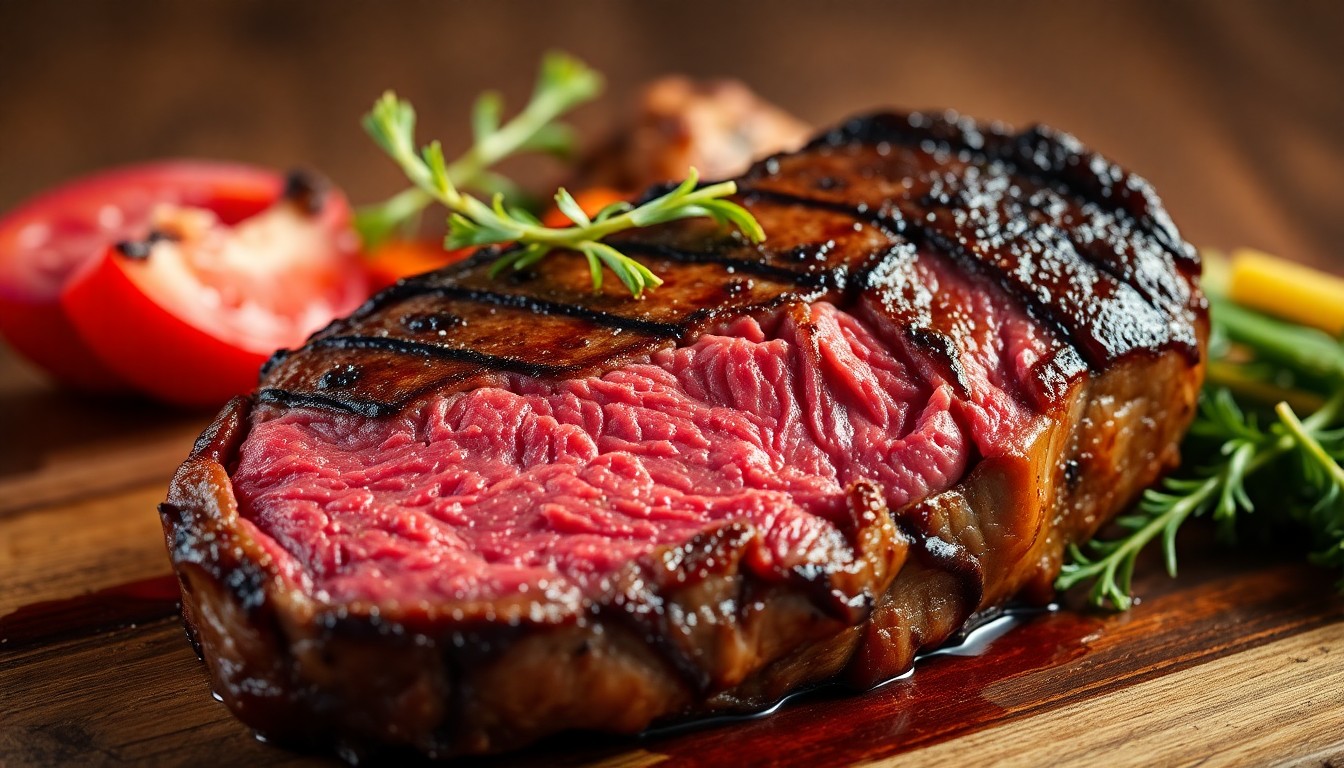
Embracing the Carnivore Diet: A Primer
What is the Carnivore Diet?
The carnivore diet is a restrictive dietary approach that focuses exclusively on animal products. Its core principle revolves around consuming only foods that come from animals. This animal-based diet philosophy posits that humans are biologically designed to thrive on animal-sourced nutrition.
Allowable foods primarily include meat (beef, pork, lamb, poultry), fish, eggs, and, for some, certain dairy products like hard cheeses and heavy cream. Excluded foods encompass everything else: fruits, vegetables, grains, legumes, nuts, seeds, and processed foods.
Potential Benefits of a Carnivore Diet
While individual results vary, proponents of the carnivore diet often report several potential benefits:
- Weight loss
- Improved digestion (for some individuals)
- Reduced inflammation (based on anecdotal evidence)
- Mental clarity
Important Considerations Before Starting
Before embarking on a carnivore diet, it’s crucial to consider the following:
- Consulting with a healthcare professional: Discuss your plans with a doctor or registered dietitian, especially if you have any underlying health conditions.
- Addressing potential nutrient deficiencies: Pay close attention to electrolyte balance (sodium, potassium, magnesium) as these can be depleted on a restrictive diet.
- The importance of sourcing high-quality meat: Opt for grass-fed, pasture-raised, and wild-caught options whenever possible to maximize nutrient intake.
- Listening to your body and adjusting as needed: The carnivore diet is not a one-size-fits-all approach. Pay attention to how your body responds and make adjustments as necessary.
Mastering Carnivore Diet Meal Prep: Your Key to Success
Why Carnivore Meal Prep is Essential
Carnivore meal prep is a cornerstone of success on this diet. It offers numerous advantages:
- Saving time and reducing cooking frequency: Prepare meals in advance to minimize daily cooking time.
- Ensuring adherence to the carnivore diet: Having pre-prepared meals readily available reduces the temptation to deviate from the plan.
- Controlling portion sizes and macronutrient intake: Meal prep allows for precise control over high protein meals, crucial for satiety and muscle maintenance.
- Preventing impulsive food choices: When hunger strikes, having a carnivore-approved meal ready prevents reaching for non-compliant foods.
Essential Tools for Efficient Meal Prep
To streamline your carnivore meal prep, consider these essential tools:
- High-quality storage containers (glass preferred for its non-reactive nature)
- Sharp knives and cutting boards
- Large cooking pot/pans (cast iron and stainless steel are excellent choices)
- Slow cooker/Instant Pot (optional but highly recommended for tenderizing tougher cuts of meat)
- Meat thermometer (to ensure proper cooking temperatures)
Strategic Approaches to Carnivore Meal Prep
Here are some effective strategies to implement:
- Batch Cooking: Prepare large quantities of staple foods like ground beef, roasted chicken, or bone broth.
- Portioning and Freezing: Divide cooked food into individual servings and freeze for easy access throughout the week.
- Theme Days: Introduce variety by designating specific days for different types of meat (e.g., Beef Monday, Fish Friday). This helps prevent meat recipes from becoming monotonous.
- Utilizing Leftovers Creatively: Repurpose cooked meat into new dishes. For example, leftover roast beef can be shredded and added to eggs.
Carnivore Meal Prep Grocery Shopping Strategies
- Buying in bulk: Purchasing larger quantities of meat, especially when on sale, can significantly reduce costs.
- Finding affordable cuts of meat: Explore options like ground beef, chuck roast, and chicken thighs, which are often more budget-friendly.
- Shopping at local butcher shops and farmer’s markets: These sources often offer higher-quality meat and may have better prices than supermarkets.
Beyond Basic Steak: Delicious Carnivore Diet Recipes
Ground Beef Powerhouse: Versatile and Affordable
Ground beef is a staple on the carnivore diet due to its versatility and affordability.
- Carnivore Diet Recipe: Simple Ground Beef Scramble: Brown ground beef, add eggs, and season with salt and pepper.
- Carnivore Diet Recipe: Ground Beef Patties: Form ground beef into patties and season with various spices (salt, pepper, garlic powder – if tolerated).
- Carnivore Diet Recipe: “Meatza”: Use seasoned ground beef as a “crust” for a carnivore-friendly pizza alternative. Top with cheese (if tolerated).
Chicken Beyond the Breast: Exploring Different Cuts
Chicken offers variety beyond just the breast.
- Carnivore Diet Recipe: Roasted Chicken Thighs with Crispy Skin: Season chicken thighs with salt and pepper and roast until the skin is crispy and the meat is cooked through.
- Carnivore Diet Recipe: Chicken Wings (baked or air-fried): A flavorful and satisfying option.
- Carnivore Diet Recipe: Chicken Liver Pâté: A nutrient-dense option (mix cooked chicken liver with butter and seasonings).
Seafood Sensations: Embracing the Ocean’s Bounty
Seafood provides essential fatty acids and variety.
- Carnivore Diet Recipe: Pan-Seared Salmon with Butter: Sear salmon fillets in butter until cooked through.
- Carnivore Diet Recipe: Baked Cod with Salt and Pepper: A simple and mild-flavored option.
- Carnivore Diet Recipe: Shrimp Scampi (with butter and garlic, if tolerated): A quick and flavorful dish.
- Carnivore Diet Recipe: Sardines, oysters, or other small, whole fish. Excellent source of nutrients.
Organ Meats: The Nutritional Powerhouses
Organ meats are incredibly nutrient-dense and should be incorporated into a carnivore diet.
- Carnivore Diet Recipe: Beef Liver and Onions (if onions are tolerated in very small amounts for palatability): A classic combination.
- Carnivore Diet Recipe: Chicken Heart Skewers: Grill or pan-fry chicken hearts for a unique and nutritious meal.
- Carnivore Diet Recipe: Bone Broth (using leftover bones): A rich source of collagen and minerals.
Eggs: The Carnivore’s Best Friend
- Carnivore Diet Recipe: Hard-boiled eggs for snacks.
- Carnivore Diet Recipe: Scrambled or fried eggs as a quick meal.
- Carnivore Diet Recipe: Egg “custard” using heavy cream (if tolerated).
Exploring Different Cooking Methods
Experiment with different cooking methods to add variety to your meat recipes:
- Grilling: Imparts a smoky flavor and creates a nice crust.
- Pan-frying: A quick and convenient method for cooking smaller cuts of meat.
- Baking/Roasting: Ideal for larger cuts of meat and for achieving even cooking.
- Slow Cooking: Excellent for tenderizing tougher cuts of meat and creating flavorful stews.
- Air Frying: Produces crispy textures with minimal or no added fat (if using fat, choose an animal-based one).
Sample Carnivore Diet Meal Plan (7 Days)
Day 1 – Day 7
This is a sample meal plan, and it can be altered to suit your needs.
Day 1:
- Breakfast: Scrambled eggs with ground beef.
- Lunch: Leftover ground beef patties.
- Dinner: Roasted chicken thighs.
Day 2:
- Breakfast: Hard-boiled eggs.
- Lunch: Leftover roasted chicken thighs.
- Dinner: Pan-seared salmon with butter.
Day 3:
- Breakfast: Ground beef scramble.
- Lunch: Salmon.
- Dinner: Beef steak (ribeye or sirloin).
Day 4:
- Breakfast: Eggs and bacon (ensure it is sugar and nitrate-free).
- Lunch: Leftover steak.
- Dinner: Pork chops.
Day 5:
- Breakfast: Hard-boiled eggs.
- Lunch: Leftover pork chops.
- Dinner: Baked cod.
Day 6:
- Breakfast: Ground beef and egg scramble.
- Lunch: Sardines.
- Dinner: Lamb chops.
Day 7:
- Breakfast: Omelet with cheese (if tolerated).
- Lunch: Leftover lamb chops.
- Dinner: Beef liver and onions (if tolerated).
Adapting the Meal Plan to Your Needs
This meal plan is a starting point. Adjust it based on:
- Adjusting portion sizes: Increase or decrease portion sizes based on your activity level, hunger, and satiety.
- Substituting recipes: Swap out recipes based on your preferences and what you have on hand.
- Considering intermittent fasting: If you practice intermittent fasting, adjust the meal timing accordingly.
- Adding small amounts of allowed dairy (if tolerated): Some individuals tolerate dairy well, while others do not.
Troubleshooting and Common Questions
Addressing Electrolyte Imbalances
Electrolyte imbalances are common on a carnivore diet, especially in the initial adaptation phase.
- The importance of salt, potassium, and magnesium: These minerals are crucial for maintaining fluid balance, nerve function, and muscle contractions.
- Strategies for supplementation (if necessary): Consider supplementing with electrolytes if you experience symptoms like fatigue, muscle cramps, or headaches. Unflavored electrolyte powders are a good option.
Dealing with Food Cravings
Food cravings can occur, especially when transitioning to a carnivore diet.
- Understanding the root cause of cravings: Cravings can be due to electrolyte imbalances, nutrient deficiencies, or simply habit.
- Finding carnivore-friendly alternatives: If you crave something sweet, a small amount of heavy cream might help (if tolerated). For salty cravings, ensure you’re consuming enough salt.
- The role of fat adaptation: As your body becomes fat-adapted, cravings often subside.
Social Eating on the Carnivore Diet
Navigating social situations can be challenging.
- Strategies for navigating social events and restaurants: Look for meat-centric options on the menu. Order a steak or burger without the bun.
- Communicating your dietary needs to others: Explain your dietary choices politely and confidently.
Listening to Your Body
- The importance of paying attention to hunger and satiety cues: Eat when you are hungry and stop when you are full.
- Adjusting the diet based on individual responses: If you experience any negative symptoms, consider re-evaluating your approach.
- Making changes slowly and monitoring the results.
Long-Term Sustainability
- Tips on avoiding burnout and maintaining long term adherance.
- The importance of enjoyment and finding satisfaction in food.
Frequently Asked Questions
Q: Is the carnivore diet safe for everyone?
A: While many people report positive experiences, it’s crucial to consult with a healthcare professional before starting, especially if you have pre-existing health conditions. The carnivore diet is highly restrictive and may not be suitable for everyone.
Q: How do I get enough fiber on the carnivore diet?
A: The carnivore diet, by definition, excludes plant-based fiber. Proponents argue that fiber is not essential for human health, and some individuals report improved digestion without it. However, this remains a topic of debate within the nutritional community.
Q: Can I drink coffee or tea on the carnivore diet?
A: Technically, coffee and tea are plant-based and therefore excluded. However, some individuals choose to include them, especially black coffee or plain tea without added sugar or milk. Listen to your body and see how you react.
Conclusion
The carnivore diet offers a unique approach to eating, focusing on simplicity and nutrient density from animal sources. By embracing carnivore meal prep and exploring diverse meat recipes, you can create a sustainable and satisfying way of eating. Remember that listening to your body, prioritizing high-quality meat, and addressing potential nutrient deficiencies (especially electrolytes) are key to maximizing the potential benefits, such as weight loss, improved digestion (for some), reduced inflammation, and enhanced mental clarity. Always consult with a healthcare professional before making significant dietary changes.

