Carnivore Adaptation & Electrolyte Tips
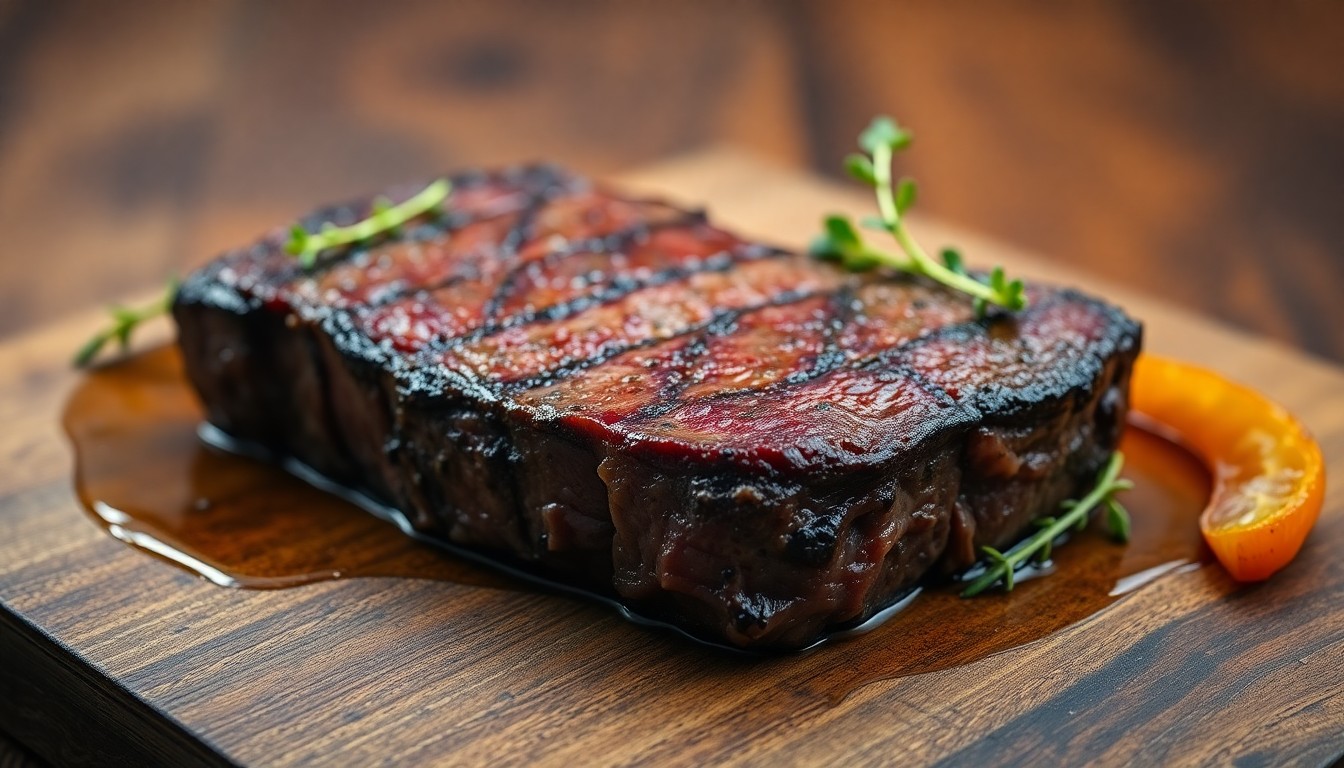
Before diving into the solutions, let’s establish a clear understanding of what the Carnivore Diet entails and the typical obstacles you might encounter.
Before diving into the solutions, let’s establish a clear understanding of what the Carnivore Diet entails and the typical obstacles you might encounter.
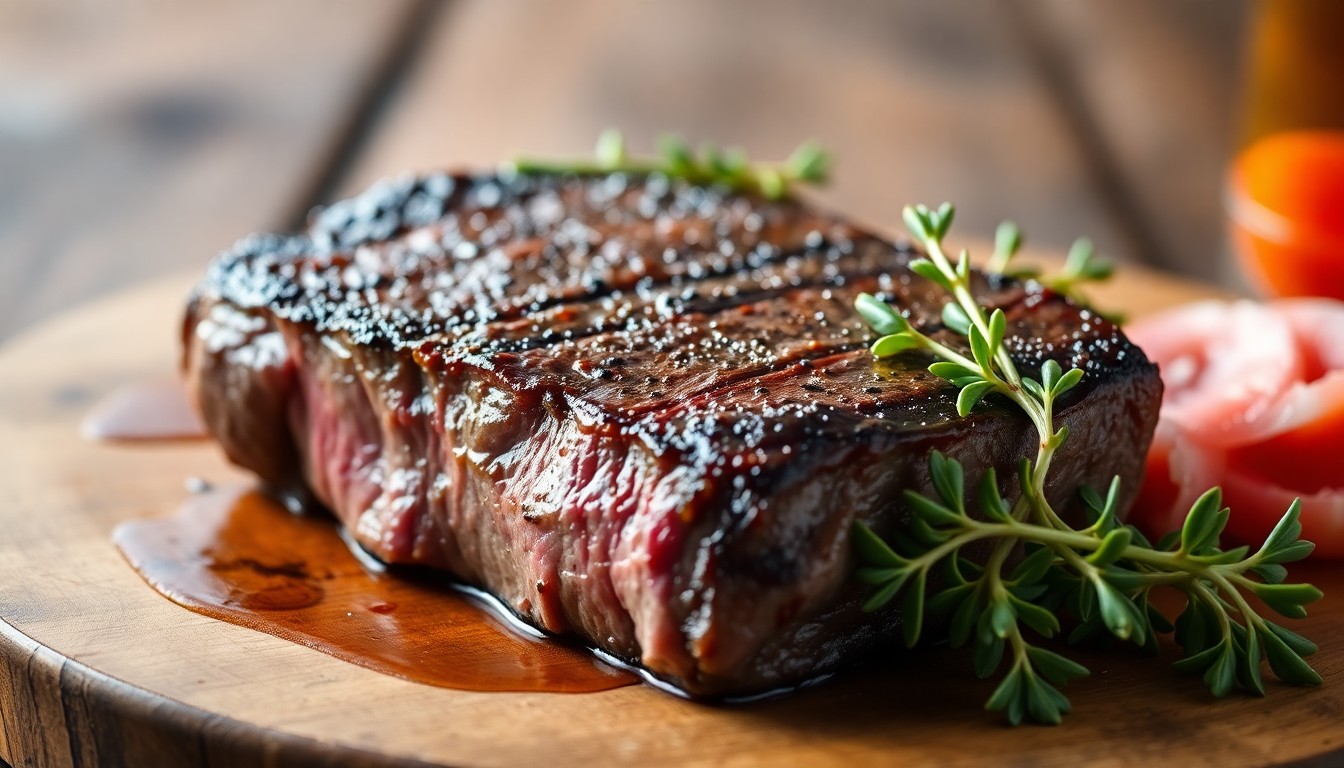
People are drawn to the Animal Based Diet for a variety of reasons, and many report significant positive changes. Some commonly reported benefits include:
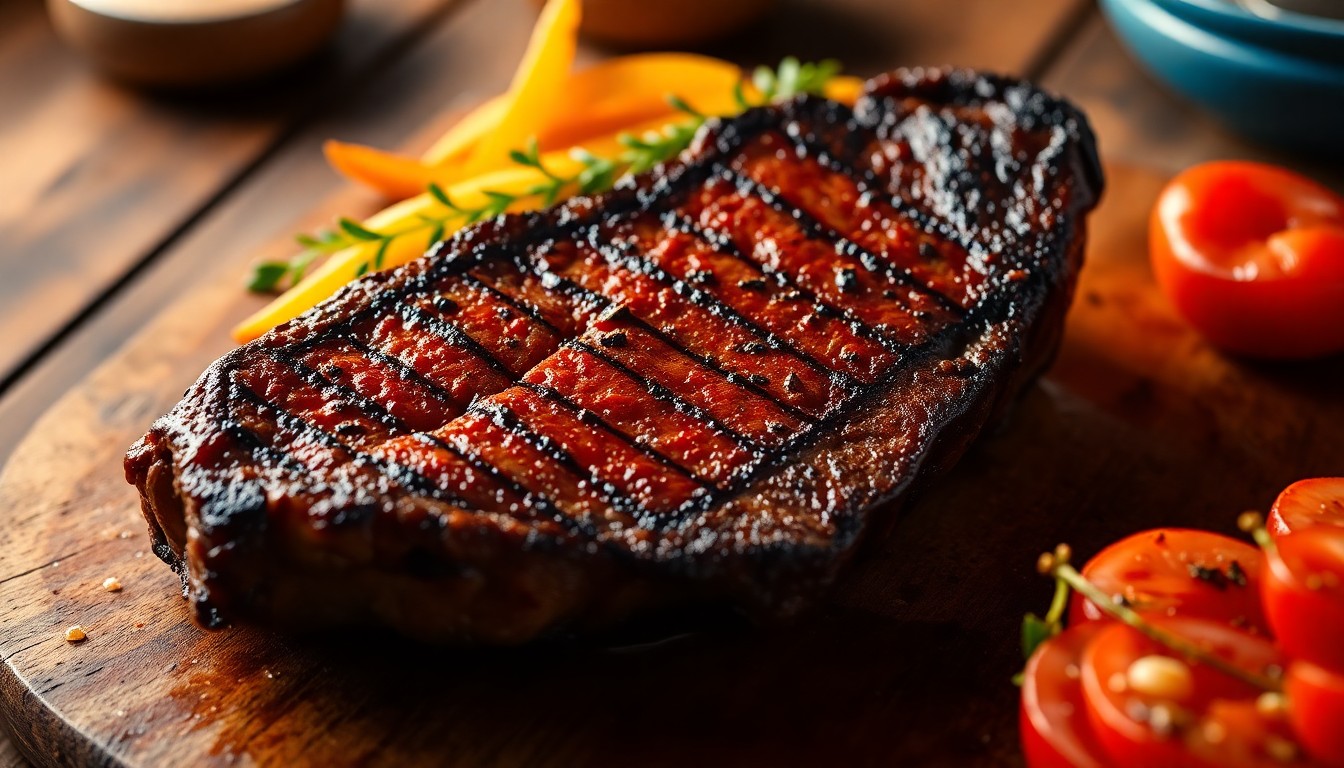
Chicken, turkey, duck, and pork (including bacon and pork belly) are all permissible. Opt for fattier cuts where possible.
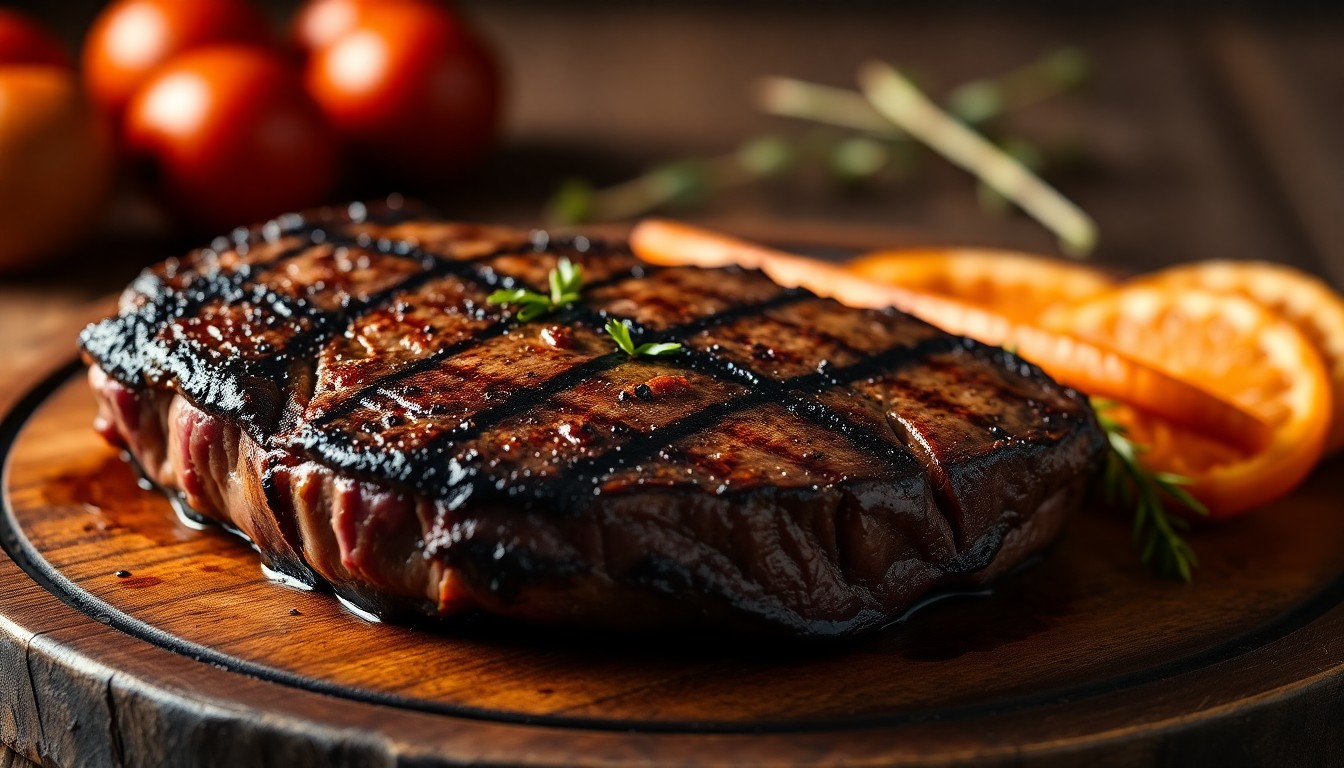
The beauty of the Carnivore Diet lies in its simplicity. Here’s a breakdown of what fills your plate:
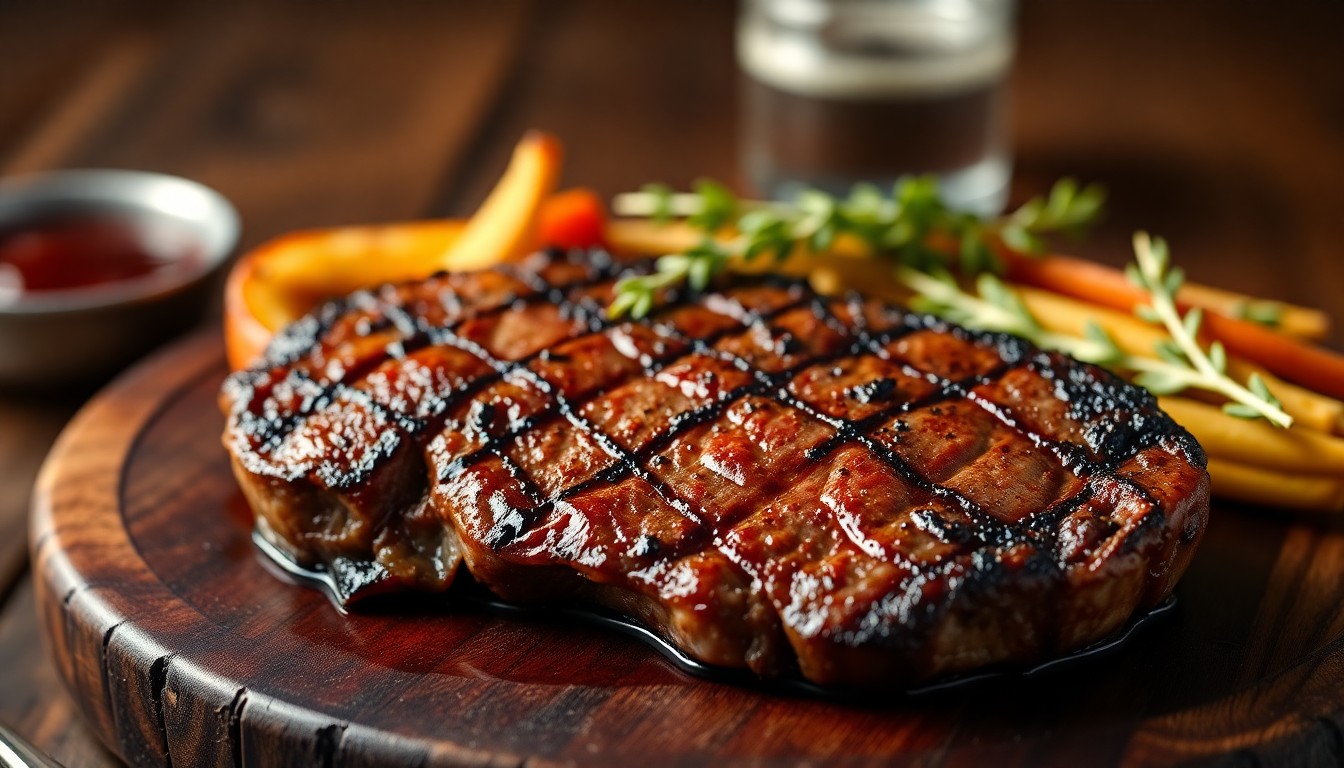
Pork offers delicious variety. Bacon is a beloved staple, pork chops cook quickly, pork belly provides rich fat, and shoulder roasts are great for slow cooking.
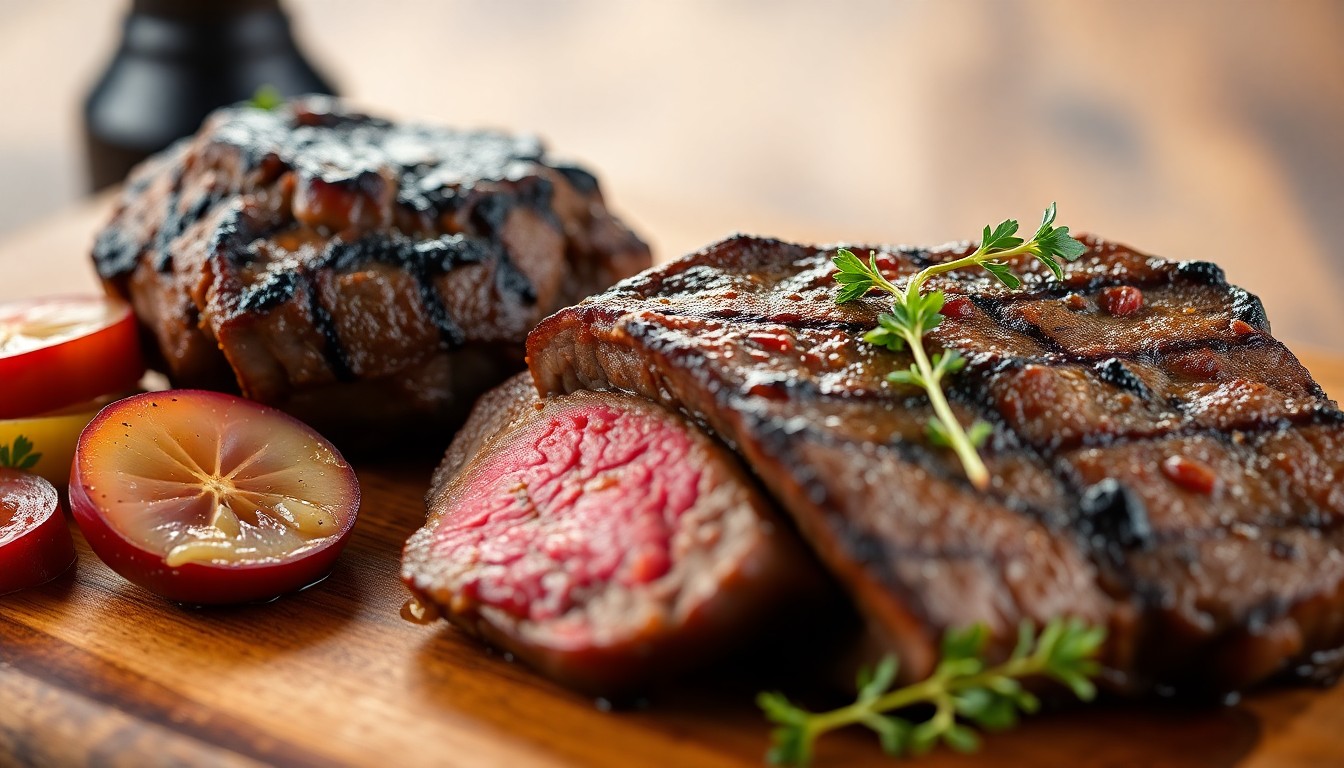
Many report not just losing weight, but specifically losing fat while retaining or even gaining muscle mass, leading to favorable changes in body composition.
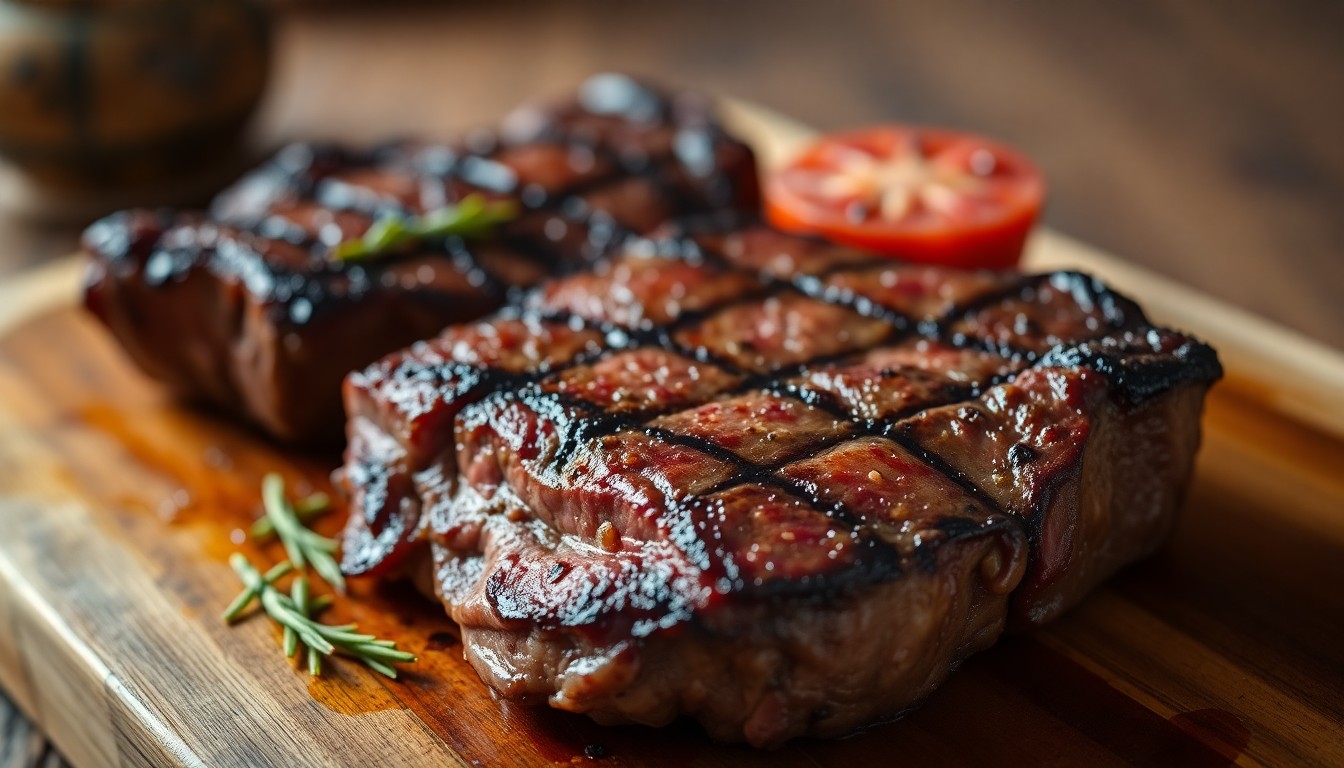
So, what exactly is the Carnivore Diet? At its core, it’s an elimination diet focused entirely on animal products.
Old habits die hard. Psychological or physiological cravings for sugary or carb-heavy foods can pop up, especially during stress or the early adaptation phase.
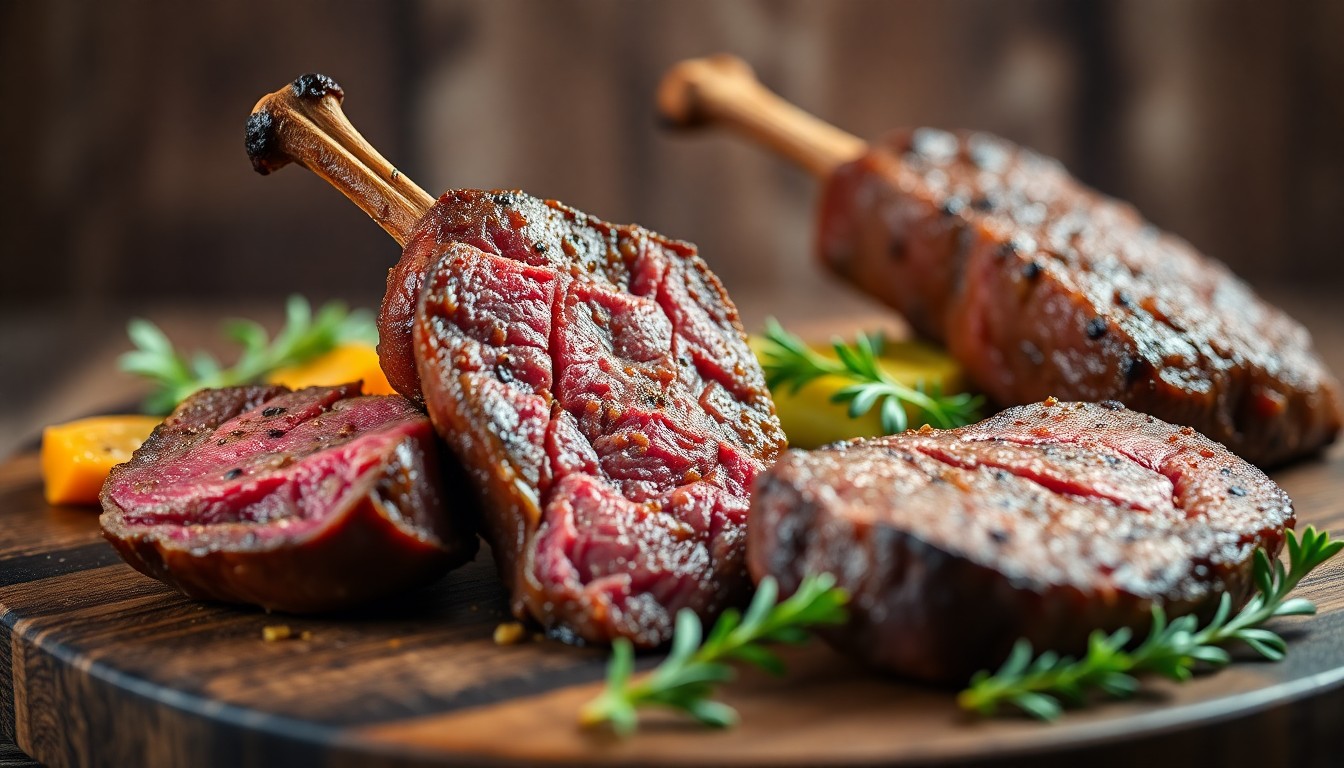
Before we explore the benefits and tackle common questions, let’s establish a clear understanding of what the Carnivore Diet entails.

The term “Zero Carb Diet” is often used interchangeably with the Carnivore Diet, but is it technically accurate?