Unlocking the Benefits of Meat-Only Living: Addressing Common Concerns & FAQs
This restriction is based on the belief that plant-based foods contain antinutrients and compounds that may interfere with digestion and nutrient absorption.
This restriction is based on the belief that plant-based foods contain antinutrients and compounds that may interfere with digestion and nutrient absorption.
Let’s explore some of the most common and nutrient-packed types of offal you might consider adding to your carnivore diet.
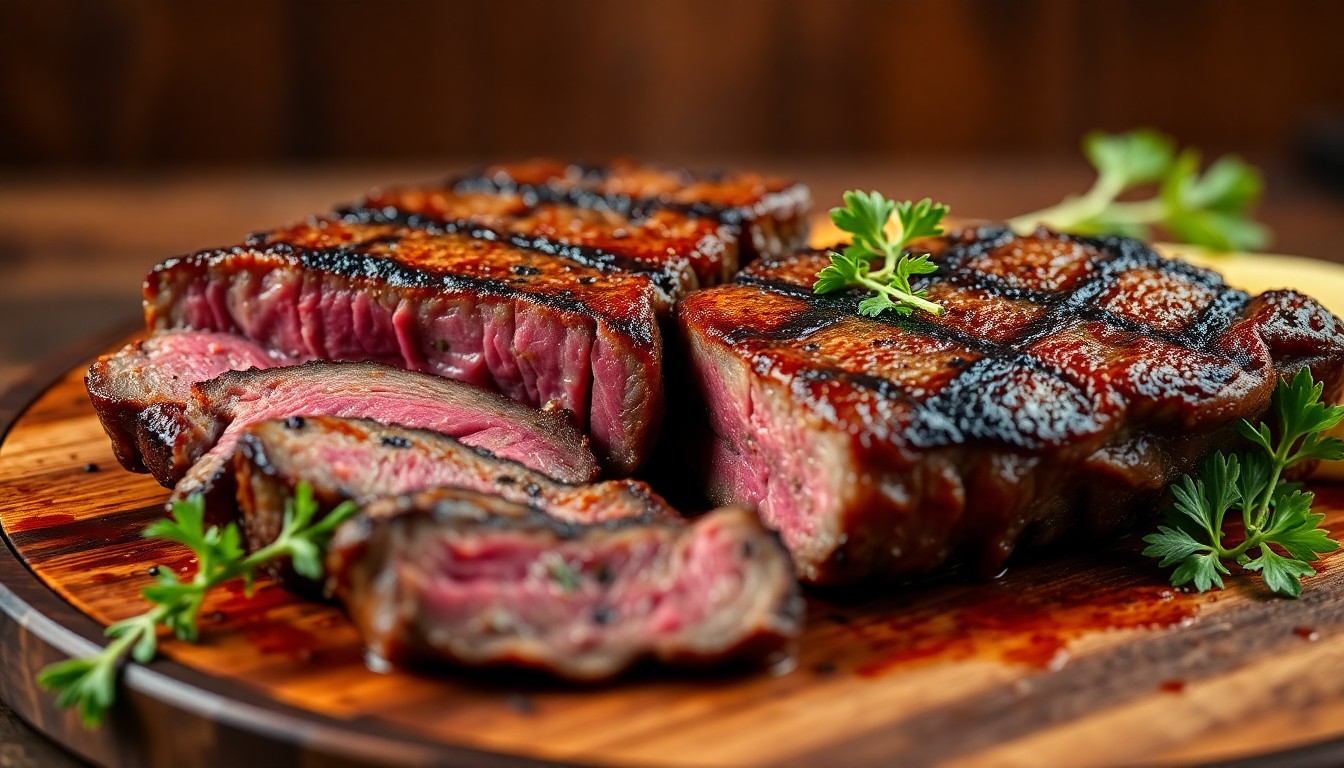
Food preparation can be simple: grilling, pan-frying, roasting, or slow-cooking meats are common methods. Batch cooking can save time during busy weeks.
Before diving into solutions, let’s understand why these challenges pop up. Transitioning to a meat-only diet is a major change for your body.
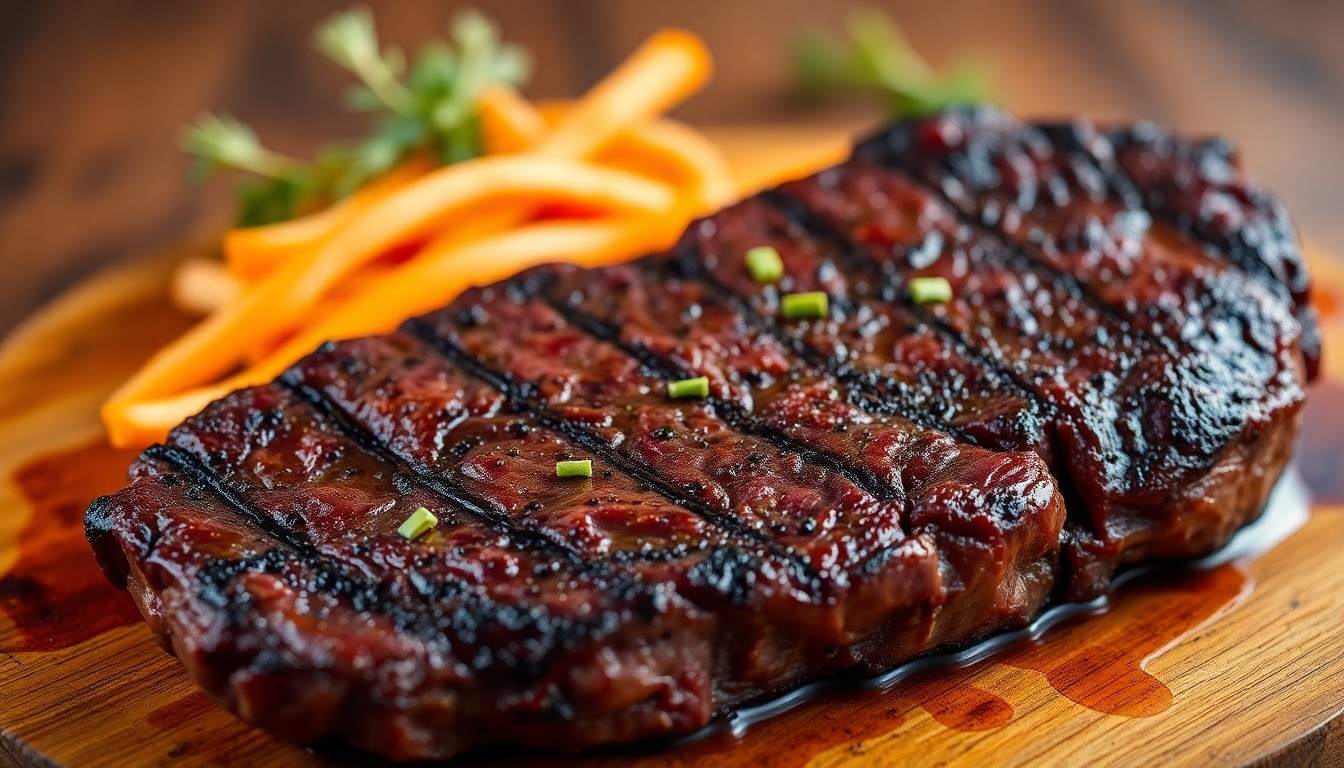
Great for chicken wings, reheating leftovers, cooking bacon, and achieving crispy fat or skin without deep frying.
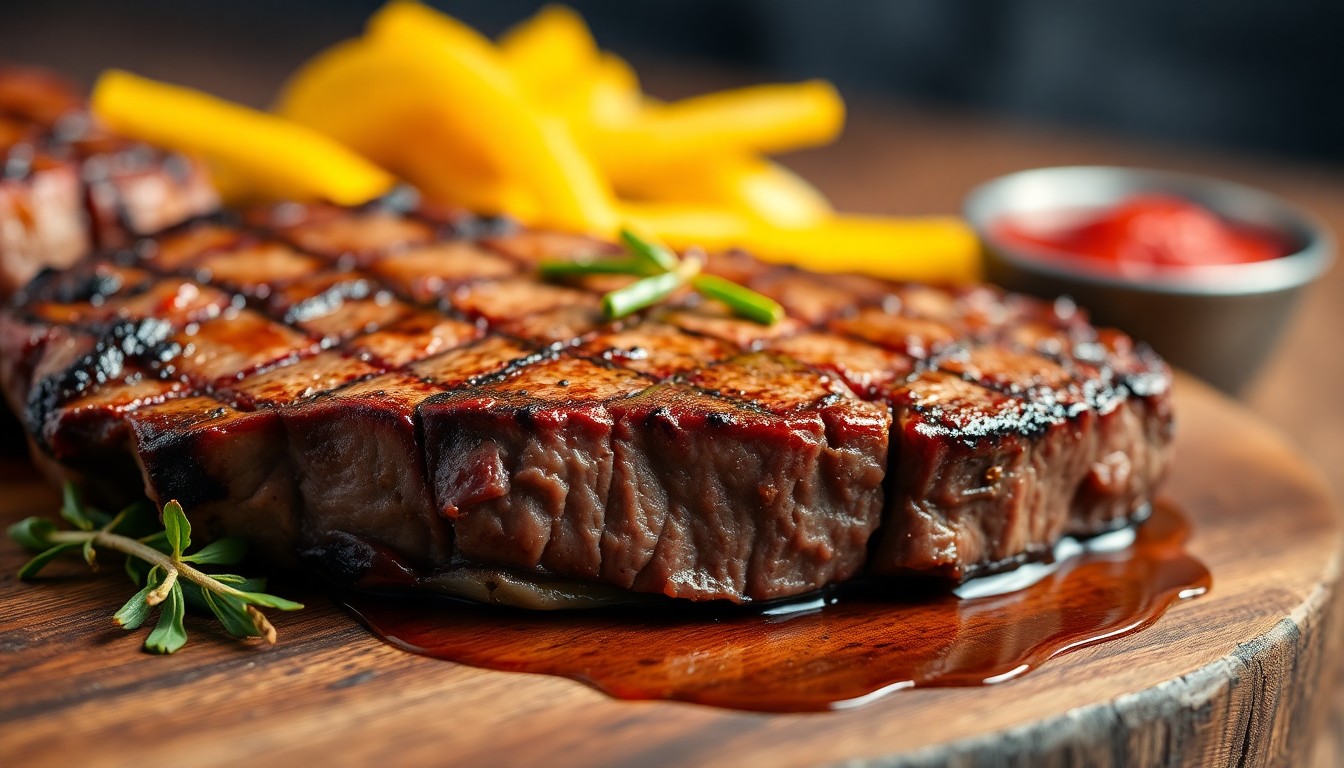
Often considered the foundation. Fatty cuts like ribeye, brisket, and ground beef (80/20 or 70/30) are popular for energy.
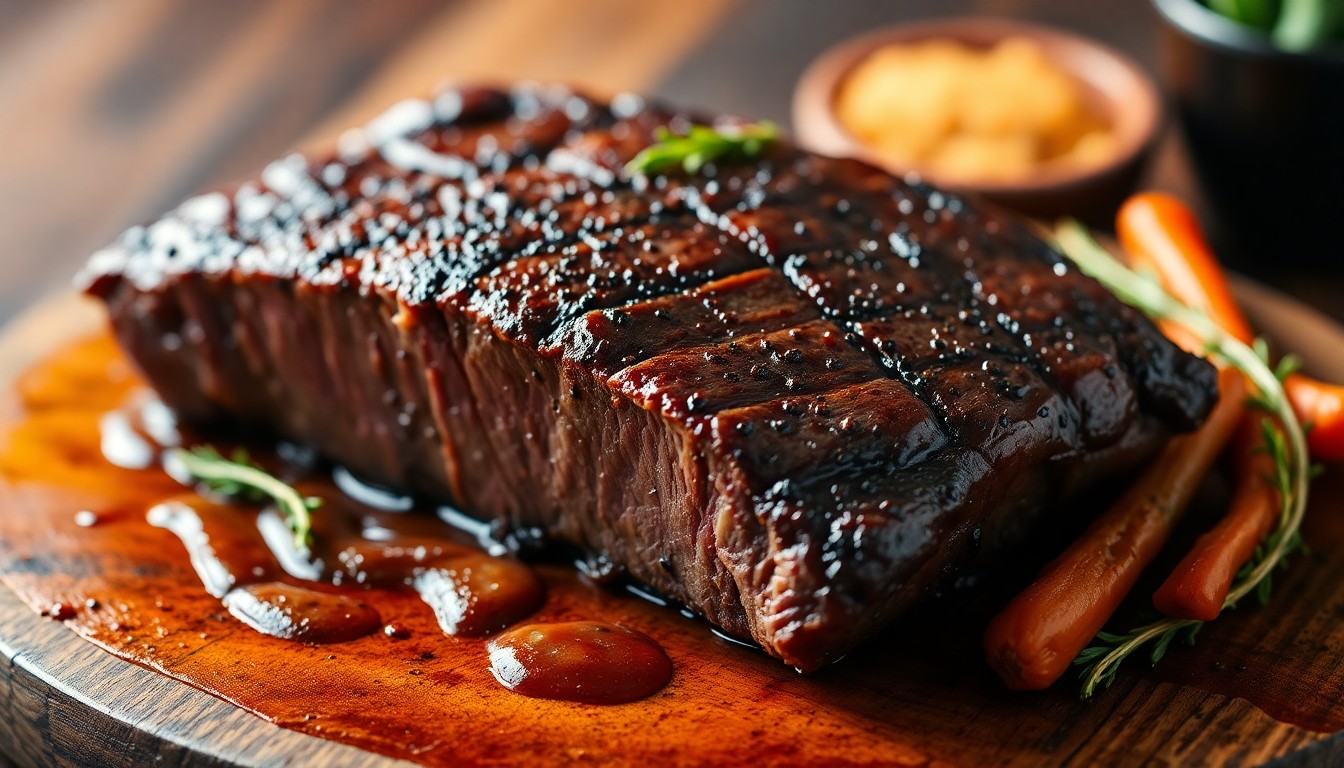
You don’t need a professional kitchen, but a few key tools and principles make animal-based meal prep much smoother.
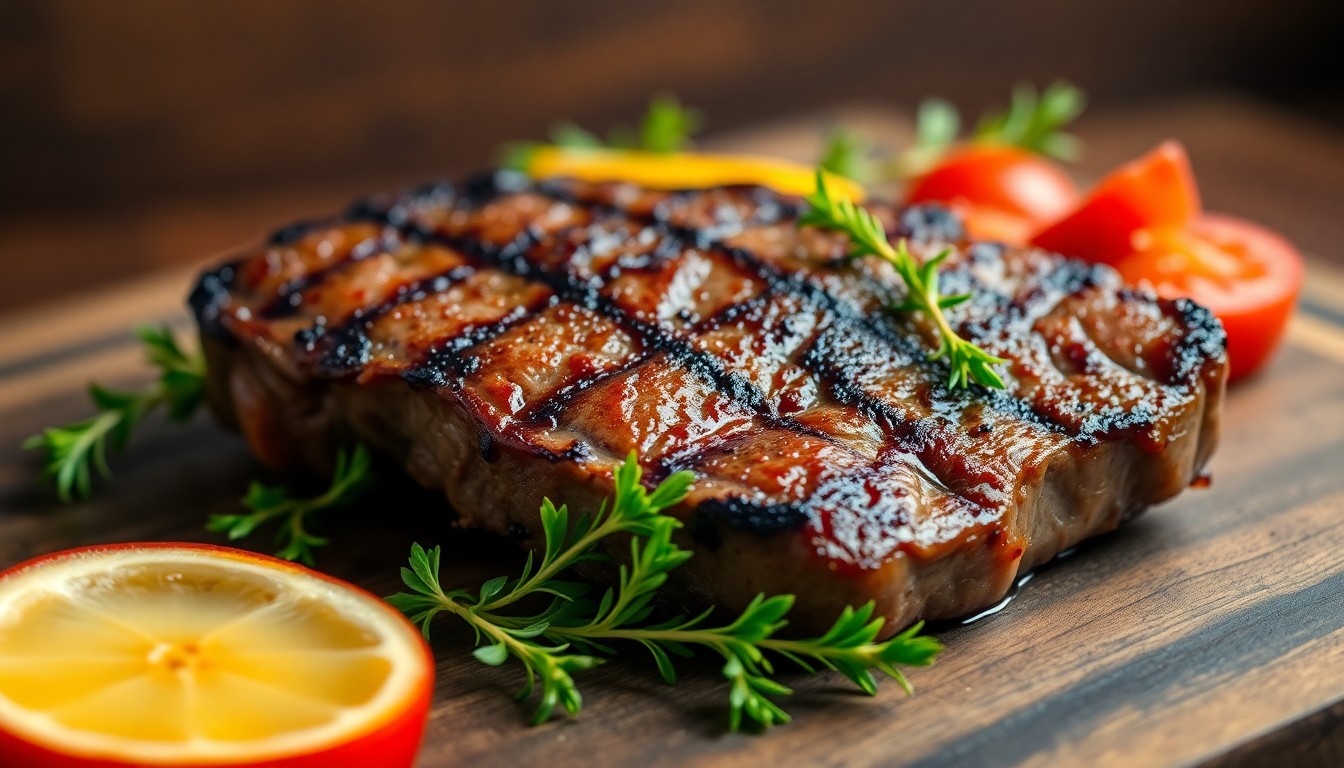
Think of it as simplifying the diet down to what many proponents believe are the most nutrient-dense, bioavailable foods on the planet.
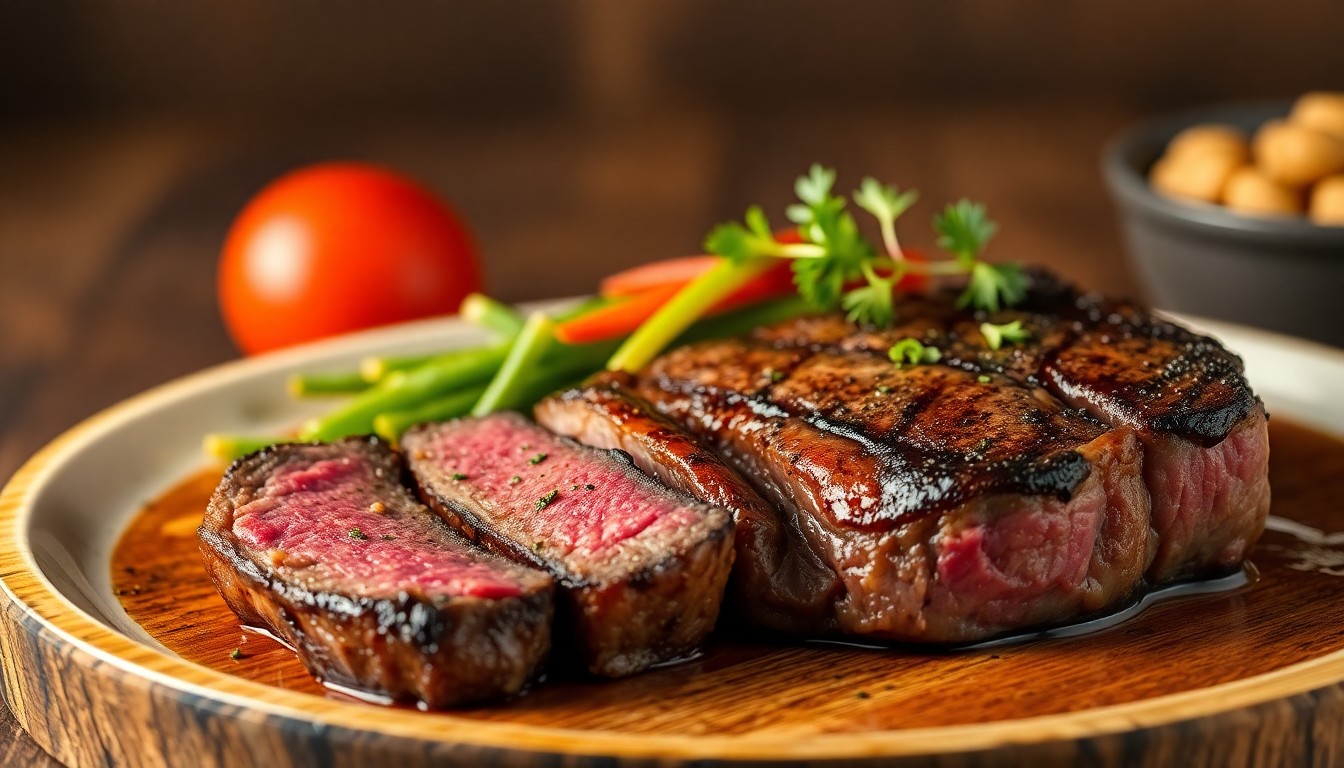
Don’t fear fat! Cook with tallow (beef fat), lard (pork fat), butter, or ghee. Add extra fat to leaner cuts if needed to ensure adequate energy and satiety.
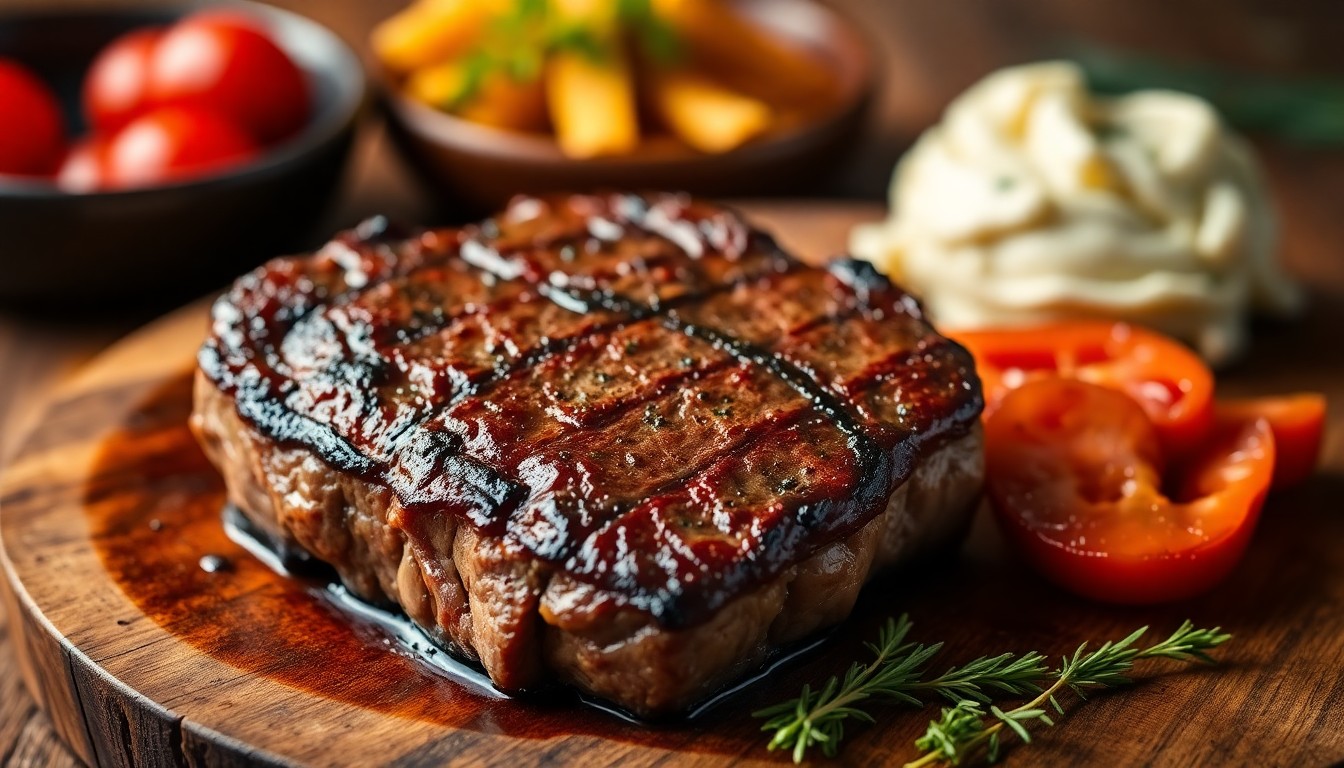
You don’t need to be a chef to excel at carnivore cooking. Mastering a few basic techniques is all it takes.