Transitioning to Carnivore: Addressing Common Side
People are drawn to the Carnivore diet for a variety of reasons, primarily centered around potential health improvements. These include:
People are drawn to the Carnivore diet for a variety of reasons, primarily centered around potential health improvements. These include:
Foods explicitly excluded are: Fruits, vegetables, grains, legumes, nuts, and seeds. Essentially, anything that doesn’t come from an animal is off the menu.
The Carnivore Diet often faces criticism and skepticism, primarily due to long-held beliefs about nutrition. Let’s address some common myths:
Another simple and delicious option. Cook bacon (uncured, if possible) until crispy, and prepare your eggs as you like them.
Eggs are a nutritional powerhouse and are fully embraced on the carnivore diet. They’re a great source of protein, healthy fats, and essential vitamins.
Brain Fuel: Animal products are rich in essential nutrients that are crucial for brain health. These include B vitamins, iron, zinc, and omega-3 fatty acids.
Having the right tools makes all the difference in efficient meat prep. Here’s a list of essentials:
The carnivore diet, while seemingly restrictive, has gained popularity for its reported benefits, including:
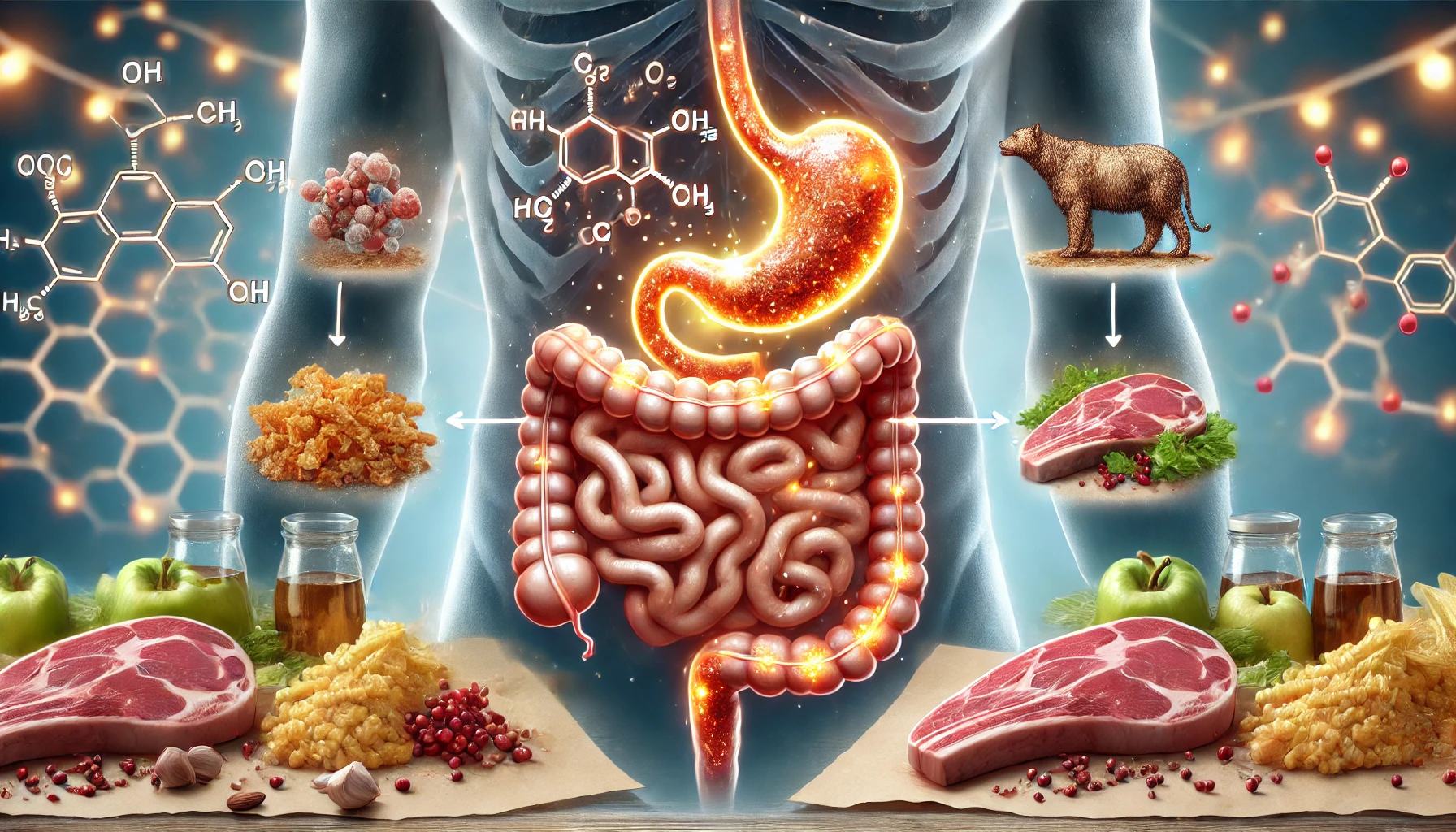
Many people report an adaptation period when starting a carnivore diet, often lasting from a few weeks to several months. During this time, the digestive system recalibrates its enzymatic output to match the new nutritional profile.
Standard medical approaches to treating autoimmune diseases typically focus on managing symptoms and suppressing the immune system. Common treatments include: