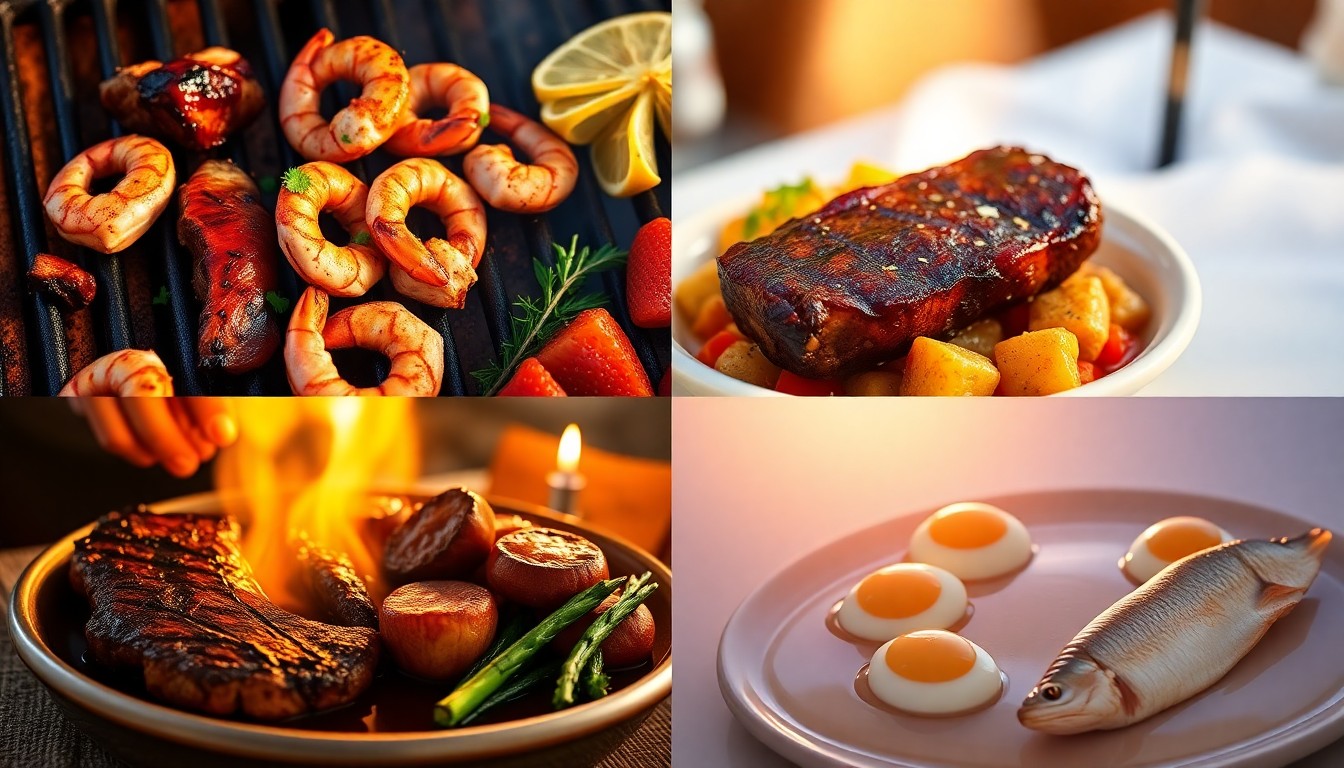
One thing I’ve learned after three years on carnivore is that my eating naturally shifts with the seasons—and embracing that makes the diet more enjoyable and sustainable. Summer grilling feels different from winter slow-cooking, and there’s wisdom in that. Today, I want to share how to vary your carnivore eating throughout the year for maximum enjoyment and nutritional benefit.
Summer: Grilling Season and Lighter Cuts
Summer naturally calls for grilling—steaks, burgers, chicken thighs, and seafood on the grill. I find myself gravitating toward leaner cuts and lighter preparations when it’s hot. Grilled fish, shrimp, and chicken feel more appropriate in July than heavy stews. Summer is also perfect for cold preparations: sliced roast beef, smoked salmon, and egg salads. Stay well-hydrated and increase your electrolyte intake, as you lose more sodium through sweat in summer.
Fall: Wild Game and Transition Meals
Fall brings hunting season in many areas, making it an excellent time to explore wild game: venison, elk, duck, pheasant, and wild boar. Wild game is often leaner and has a different nutrient profile than farm-raised meat. Fall is also a natural transition time—as temperatures drop, you might start incorporating more slow-cooked meals and richer cuts. Bone broth becomes more appealing as the weather cools.
Winter: Slow-Cooking and Warming Bone Broths
Winter is when carnivore really shines in the kitchen. Slow-cooker roasts, braised short ribs, oxtail stews, and rich bone broth become daily staples. Fattier cuts feel more satisfying when it’s cold outside, and your body may naturally crave more calories and fat for warmth. This is also a great time to focus on organ meats—liver, heart, and kidney—prepared in warming stews and slow-cooked dishes.
Spring: Fresh Starts and Lighter Eating
Spring naturally feels like a time for lighter eating. After months of heavy winter meals, you might find yourself drawn to eggs, fish, and lighter preparations. Spring lamb is a seasonal treat in many regions. This is also a good time to refresh your meat sources—connect with local farmers, explore farmers markets, and stock up on fresh, high-quality meats.
Adjusting Fat Intake by Season
Your body’s fat needs may change with seasons. In cold weather, higher fat intake supports thermogenesis and warmth. In warm weather, you may naturally prefer leaner preparations. Listen to your body’s cravings—they often reflect genuine physiological needs. If you’re craving fattier cuts in winter and leaner ones in summer, that’s your body communicating intelligently.
Holiday Carnivore Strategies
Holidays can be challenging on any restrictive diet. My approach: focus on the magnificent meat centerpieces that are already part of holiday traditions. Thanksgiving turkey, Christmas prime rib, Easter lamb—these are naturally carnivore. Offer to bring a meat dish to gatherings. Eat before events if you’re worried about options. Don’t draw attention to what you’re not eating—focus on enjoying what you are eating.
Sourcing Local Seasonal Meats
Building relationships with local farmers and butchers is one of the most rewarding aspects of carnivore eating. Local meat is often fresher, higher quality, and more ethically raised. Many farms offer seasonal availability—spring lamb, summer poultry, fall wild game, and winter beef. CSA (Community Supported Agriculture) meat shares are increasingly available and provide excellent variety throughout the year.
Eating with the seasons isn’t just about variety—it’s about connecting with the natural rhythms of food production and honoring what your body needs at different times of year. Carnivore doesn’t have to be monotonous; the seasons provide all the variety you need.