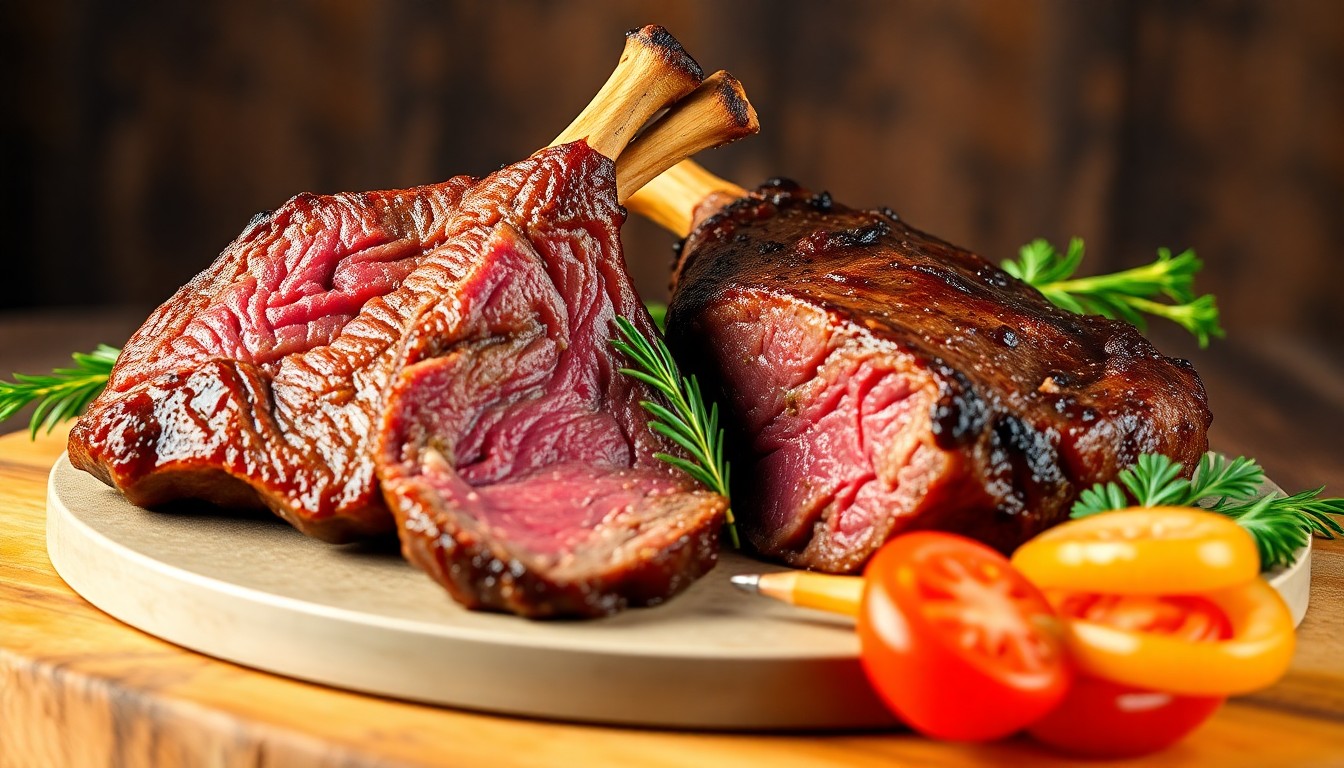
Decoding the Carnivore Diet: More Than Just Meat
Welcome to Meat Only Living! If You’re here, you’re likely curious about the Carnivore Diet, an approach to eating that’s gaining serious traction for its reported transformative Health Benefits. It’s more than just a fleeting trend; for many, it’s a return to a way of eating that resonates deeply with our biology. This post will dive deep into what this All-Meat Lifestyle entails, explore its scientific underpinnings, and address common questions.
What is the Carnivore Diet? A Return to Ancestral Eating?
At its heart, the Carnivore Diet is an elimination diet that focuses exclusively on animal products and excludes all plant-based foods. It’s often viewed as a modern interpretation of ancestral eating patterns, where early humans would have thrived on hunting and consuming animals.
- Defining the All-Meat Lifestyle: The core principle is simple: eat meat, drink water. This means all types of meat (beef, pork, lamb, poultry, game), fish, seafood, and often includes Eggs and animal fats. Some proponents also include dairy, particularly hard cheeses and butter, while others exclude it. The primary exclusions are all plant-derived foods: fruits, vegetables, grains, legumes, nuts, seeds, and plant-based oils. Spices derived from plants are also typically excluded by stricter adherents, with salt being the primary seasoning.
- Exploring the spectrum: There isn’t a single, rigid definition that everyone follows. Some individuals adopt a strict “beef, salt, water” approach, often referred to as the Lion Diet, especially during an initial elimination phase. Others are more inclusive, incorporating various animal proteins like poultry, pork, fish, eggs, and sometimes full-fat dairy products if tolerated. The key is finding what works best for your body and health goals within the framework of an All-Meat Lifestyle.
A Brief History: From Indigenous Diets to Modern Proponents
While the term “Carnivore Diet” is relatively new in popular culture, the practice of consuming predominantly animal-based diets is not.
- Historical examples of populations thriving on predominantly animal-based diets include the Inuit of the Arctic, who consumed a diet rich in fatty meats and fish, and certain Maasai tribes in Africa, whose traditional diet heavily featured meat, milk, and blood. These populations historically exhibited remarkable health and vitality, largely free from the chronic diseases prevalent in modern Western societies.
- The resurgence of the Carnivore Diet in contemporary health discussions has been fueled by compelling anecdotal reports of significant health improvements, advocacy by medical professionals and researchers exploring its benefits, and a growing disillusionment with conventional dietary advice that has often demonized animal fats and protein.
How the Carnivore Diet Differs: A Snapshot Comparison
It’s easy to group low-carb diets together, but the Carnivore Diet has distinct characteristics.
- Key distinctions from Keto, Paleo, and other low-carb approaches:
- Keto (Ketogenic Diet): While both are very low in carbohydrates and high in fat, Keto allows for plant-based fats (like avocado and olive oil) and low-carb vegetables, nuts, and seeds. The Carnivore Diet is essentially a Zero Carb Diet (or very close to it) that eliminates these plant foods.
- Paleo (Paleolithic Diet): Paleo focuses on foods presumed to be available to our Paleolithic ancestors, including meats, fish, fruits, vegetables, nuts, and seeds, while excluding grains, legumes, dairy, and processed foods. The Carnivore Diet is far more restrictive, eliminating all plant-based foods allowed on Paleo.
The primary differentiator is the complete exclusion of plant matter, making the Carnivore Diet the ultimate elimination diet for many.
Exploring the Potential Health Benefits of an All-Meat Lifestyle
Many individuals turn to the Carnivore Diet seeking relief from various health issues or aiming for peak physical and mental performance. The reported Health Benefits are numerous and often profound.
Weight Management and Metabolic Revitalization
One of the most commonly reported benefits is significant and sustainable weight loss.
- The role of high satiety in natural calorie restriction: Animal protein and fat are incredibly satiating. This means you feel fuller for longer, naturally leading to reduced overall calorie intake without the need for conscious restriction or hunger pangs.
- Impact on insulin sensitivity and blood sugar regulation: By eliminating carbohydrates, the Carnivore Diet minimizes insulin spikes. This can lead to improved insulin sensitivity, stable blood sugar levels, and a reduction in the metabolic dysregulation often associated with high-carb diets.
- Leveraging a Zero Carb Diet approach for body composition changes: Many find that this way of eating not only helps shed excess fat but also supports the maintenance or even growth of lean muscle mass, leading to favorable changes in body composition.
Digestive System Reset: Addressing Gut Issues
For those struggling with digestive distress, the Carnivore Diet can offer remarkable relief.
- Elimination of common dietary irritants (e.g., fiber, antinutrients, plant toxins): Plants contain various compounds like fiber (which can be problematic for some), lectins, oxalates, and phytates, which can irritate the gut lining, impair nutrient absorption, and contribute to inflammation in sensitive individuals. Removing these can allow the gut to heal.
- Anecdotal and emerging research on symptom relief for IBS, SIBO, and IBD: Many individuals report significant improvements or even remission of symptoms associated with Irritable Bowel Syndrome (IBS), Small Intestinal Bacterial Overgrowth (SIBO), and Inflammatory Bowel Disease (IBD) like Crohn’s and ulcerative colitis. While more formal research is needed, the anecdotal evidence is compelling.
Taming Inflammation and Supporting Autoimmune Conditions
Chronic inflammation is a root cause of many modern diseases. The Carnivore Diet appears to have potent anti-inflammatory effects.
- The Carnivore Diet as an ultimate elimination protocol for identifying food sensitivities: By removing all potential plant-based triggers, it allows the body’s inflammatory responses to calm down. If reintroductions are attempted later, it becomes easier to pinpoint specific sensitivities.
- Potential mechanisms for reducing systemic inflammation: This may be due to the removal of inflammatory plant compounds, the stabilization of blood sugar, and the provision of anti-inflammatory nutrients found in animal foods, such as omega-3 fatty acids.
Enhanced Mental Clarity, Focus, and Sustained Energy
Many adherents report significant cognitive improvements and a more stable energy supply.
- Stable energy levels without blood sugar crashes: Without the rollercoaster of carbohydrate intake, energy levels tend to remain consistent throughout the day, free from the typical afternoon slumps.
- Reported improvements in cognitive function and mood: Anecdotal reports include sharper focus, reduced brain fog, improved memory, and a more stable mood. Some individuals with conditions like anxiety and depression report significant relief.
Skin Health Transformation and Other Reported Improvements
the Benefits often extend beyond the major categories listed above.
- Anecdotal evidence for clearer skin (acne, eczema, psoriasis): Many people experience dramatic improvements in chronic skin conditions, likely due to reduced inflammation and the elimination of dietary triggers.
- Potential relief from joint pain and other chronic discomforts: Reductions in systemic inflammation can also lead to decreased joint pain and relief from other chronic aches.
- Overview of diverse Health Benefits reported by followers: Other reported improvements include better sleep, increased libido, resolution of acid reflux, and improved dental health. The breadth of positive outcomes highlights the profound impact this dietary approach can have.
The Nutritional Science Behind Carnivore Nutrition
A common question is whether an all-meat diet can truly provide all necessary nutrients. The Nutritional Science suggests it can, especially when approached thoughtfully.
Macronutrient Foundations: The Power of Protein and Fat
Animal foods are packed with high-quality protein and essential fats.
- Complete protein sources: Building blocks for the body: Meat, fish, and eggs provide all essential amino acids in highly bioavailable forms, crucial for muscle repair, hormone production, immune function, and countless other bodily processes.
- Essential fatty acids: Sourcing Omega-3s and Omega-6s from animal foods: Fatty fish (like salmon and sardines) are rich in EPA and DHA, while grass-fed meats provide a better balance of omega-3 to omega-6 fatty acids compared to conventionally raised animals.
- Understanding Meat Science: Nutrient profiles of different animal products (muscle meat, organs, fats): Different parts of the animal offer unique nutritional benefits. Muscle meat is rich in protein and certain vitamins, organ meats (like liver and kidney) are nutritional powerhouses packed with vitamins and minerals, and animal fats provide energy and support hormone production.
Micronutrient Sufficiency on an All-Meat Diet: Beyond the Myths
Contrary to popular belief, a well-formulated Carnivore Diet can be rich in essential vitamins and minerals.
- Vitamins:
- Fat-soluble vitamins (A, D, E, K) in animal fats and organs: Liver is an exceptionally rich source of preformed Vitamin A (retinol). Fatty fish, egg yolks, and animal fats provide Vitamin D, E, and K2.
- Abundant B vitamins in meat: Meat is an excellent source of B vitamins, including B12, which is exclusively found in animal products and vital for neurological function.
- Addressing Vitamin C: Bioavailability and reduced needs on a low-carb diet: Fresh meat contains small amounts of Vitamin C. Furthermore, it’s theorized that the body’s requirement for Vitamin C is lower on a ketogenic or Zero Carb Diet because glucose and Vitamin C compete for the same cellular transporters. With minimal glucose, Vitamin C uptake may be more efficient. Organ meats, especially liver, can also contribute.
- Minerals:
- Heme iron, zinc, selenium, phosphorus and their superior bioavailability: Animal foods provide these minerals in their most absorbable forms. Heme iron from meat is much better absorbed than non-heme iron from plants.
- Sources of calcium and electrolytes within an All-Meat Lifestyle: While meat isn’t a primary source of calcium, bone broth, small edible bones (like in canned fish), and dairy (if included) can contribute. Electrolytes like sodium, potassium, and magnesium are found in meat and can be supplemented with salt. Careful attention to electrolytes is especially important during the adaptation phase.
Rethinking “Essential” Carbohydrates and Energy Metabolism
The notion that carbohydrates are essential for human survival is a cornerstone of conventional dietary advice, but Nutritional Science offers a different perspective.
- Gluconeogenesis: The body’s innate ability to produce necessary glucose: The liver can produce all the glucose the body needs from non-carbohydrate precursors like amino acids (from protein) and glycerol (from fats). This process ensures that glucose-dependent tissues, like red blood cells and parts of the brain, receive adequate fuel.
- Ketosis: An efficient alternative fuel system: When carbohydrate intake is very low, the body shifts to burning fat for energy, producing ketones. Ketones are an excellent fuel source for the brain and body.
- The Nutritional Science perspective on thriving without dietary carbohydrates: For much of human history, consistent access to large amounts of carbohydrates was unlikely. Our physiology is well-adapted to thrive on fat and protein.
Bioavailability: Why Animal-Sourced Nutrients Are Superior
It’s not just about the presence of nutrients, but how well your body can absorb and utilize them.
- Comparing nutrient absorption from animal versus plant sources: Nutrients from animal sources are generally more bioavailable. For example, heme iron from meat is absorbed far more efficiently than non-heme iron from plants. Similarly, animal-derived Vitamin A (retinol) is directly usable by the body, unlike plant-derived carotenoids which need conversion.
- The impact of antinutrients in plant foods on mineral absorption: Plant foods contain compounds like phytates, oxalates, and lectins, which can bind to minerals (like iron, zinc, calcium, and magnesium) and inhibit their absorption. The absence of these antinutrients on a Carnivore Diet enhances mineral uptake.
Addressing Common Concerns and Misconceptions about the Carnivore Diet
Despite its benefits, the Carnivore Diet often faces skepticism. Let’s address some common concerns.
Cholesterol, Saturated Fat, and Heart Health: An Updated View
The fear of dietary cholesterol and saturated fat is deeply ingrained, but the science is evolving.
- Examining the evidence: Dietary cholesterol vs. blood cholesterol: For most people, dietary cholesterol has little impact on blood cholesterol levels. The body produces its own cholesterol, and intake often down-regulates internal production.
- The role of inflammation and refined carbohydrates in heart disease: Emerging research points to chronic inflammation, often driven by high intakes of refined carbohydrates and sugar, as a more significant contributor to heart disease than dietary saturated fat in the context of a low-carb diet.
- Insights from Meat Science on the types and roles of fats: Animal fats contain a mix of saturated, monounsaturated, and polyunsaturated fats. Saturated fats play crucial roles in cell membrane structure and hormone production. Context matters, and consuming these fats as part of a whole-food, Zero Carb Diet is very different from consuming them alongside processed foods and sugars.
The Fiber Debate: Is It Necessary for Gut Health?
Conventional wisdom champions fiber for gut health, but many carnivores thrive without it.
- The gut microbiome adaptation on a Carnivore Diet: The gut microbiome adapts to the available substrates. While fiber-fermenting bacteria may decrease, other beneficial species can thrive. Some research suggests a less inflamed gut environment.
- Bowel function and regularity in the absence of dietary fiber: Many individuals on a Carnivore Diet report normal, often improved, bowel function. Stool volume is typically reduced due to the high digestibility of animal products, which is not necessarily a sign of constipation. Staying hydrated and ensuring adequate fat intake are key.
Long-Term Viability and Sustainability
Can one follow this diet long-term and is it sustainable on a larger scale?
- Nutrient adequacy for long-term adherence: A well-planned Carnivore Diet, especially one that includes organ meats and a variety of animal sources, can provide all necessary nutrients for long-term health. Many individuals have been thriving on this diet for years, even decades.
- Strategies for maintaining Carnivore Nutrition over time: Prioritizing nutrient-dense cuts, including organ meats regularly, and sourcing high-quality animal products are key. Listening to your body and adjusting fat-to-protein ratios as needed also helps.
- Addressing environmental and ethical considerations (briefly): These are valid concerns. Regenerative agriculture practices offer a path towards more sustainable meat production that can even be beneficial for the environment. Ethical sourcing from farms with high animal welfare standards is also important to many on this path. These topics deserve deeper exploration but are important to acknowledge.
Kidney Function and High Protein Intake: Separating Fact from Fiction
The myth that high protein intake damages healthy kidneys persists.
- Current research on protein intake and kidney health in individuals with healthy kidneys: For individuals with healthy, functioning kidneys, high protein intake has not been shown to cause kidney damage. The kidneys are well-equipped to handle the byproducts of protein metabolism. Concerns typically apply to those with pre-existing kidney disease.
Potential Nutrient Deficiencies and How to Mitigate Them
While a carnivore diet can be incredibly nutrient-dense, a mindful approach is key.
- Focus on nose-to-tail eating for comprehensive Carnivore Nutrition: Incorporating organ meats (like liver, heart, kidney), bone broth, and varying cuts of meat helps ensure a broad spectrum of vitamins and minerals. Liver, for example, is a powerhouse of Vitamin A, B vitamins, iron, and copper.
- Importance of quality sourcing: Choosing grass-fed, pasture-raised, and wild-caught animal products whenever possible can provide a superior nutrient profile, including more omega-3 fatty acids and fat-soluble vitamins.
Getting Started and Thriving on the Carnivore Diet
Ready to explore the All-Meat Lifestyle? Here’s how to begin and make it work for you.
Choosing Your Foods: Quality and Variety in an All-Meat Lifestyle
What you eat matters, even within the carnivore framework.
- Prioritizing nutrient-dense options: Ruminant meats (beef, lamb, bison), eggs, fatty fish (salmon, mackerel, sardines), and organ meats should form the core of your diet. These offer the best bang for your buck in terms of Carnivore Nutrition.
- Grass-fed vs. grain-fed: Does it make a difference for Health Benefits? Grass-fed meats generally have a more favorable fatty acid profile (more omega-3s, better omega-6 to omega-3 ratio) and higher levels of certain vitamins like E and A. While any meat is better than processed foods, if your budget allows, grass-fed is a superior choice for maximizing Health Benefits.
The Adaptation Phase: Navigating the Transition
Shifting to a Zero Carb Diet can involve an adjustment period.
- Common initial symptoms (e.g., “carnivore flu,” digestive changes): As your body adapts to using fat for fuel and withdraws from carbohydrates, you might experience temporary symptoms like fatigue, headaches, nausea, or changes in bowel habits. This is often referred to as the “keto flu” or “carnivore flu.”
- Tips for managing electrolyte balance and hydration: These symptoms are often due to electrolyte imbalances. Ensure adequate salt intake (many carnivores salt their food liberally), consider magnesium and potassium supplements if needed, and drink plenty of water. Eating enough fat is also crucial during this phase.
Listening to Your Body: Fine-Tuning Your Carnivore Approach
There’s no one-size-fits-all approach to the Carnivore Diet.
- Importance of eating to satiety: One of the great freedoms of this diet is not having to count calories or restrict portions. Eat when you’re hungry, and stop when you’re satisfied. Your body is remarkably good at regulating intake when fed species-appropriate foods.
- Individual variations: Meal timing, food choices, and quantity: Some people thrive on one meal a day (OMAD), others prefer two or three. Some do well with dairy, others don’t. Pay attention to how different foods and meal patterns make you feel and adjust accordingly.
When to Seek Professional Guidance
While many embark on this journey independently, professional advice can be invaluable.
- Consulting with a healthcare provider knowledgeable about the Carnivore Diet, especially with pre-existing conditions: If you have any underlying health conditions or are taking medications, it’s crucial to discuss this dietary change with a doctor or registered dietitian who understands and supports low-carb or carnivore approaches.
- The role of blood work and monitoring progress: Regular blood work can help track your progress and ensure nutrient levels are optimal. This can provide peace of mind and allow for any necessary adjustments to your Carnivore Nutrition plan.
Conclusion: The Power of an All-Meat Lifestyle
The Carnivore Diet represents a radical departure from conventional dietary wisdom, yet for a growing number of people, it’s the key to unlocking vibrant health. By focusing on nutrient-dense animal foods and eliminating potential plant-based irritants, this All-Meat Lifestyle offers a powerful tool for weight management, metabolic healing, digestive relief, reduced inflammation, and enhanced mental clarity. The Nutritional Science supports the viability of obtaining complete nutrition from animal sources, particularly when embracing a nose-to-tail approach. While individual experiences vary, the wealth of anecdotal success stories, coupled with emerging research, suggests that the Health Benefits of a Carnivore Diet are profound and far-reaching, offering a path to reclaim your health and vitality.
Frequently Asked Questions (FAQ)
-
Will I get scurvy if I don’t eat fruits and vegetables for Vitamin C?
This is a common concern. Fresh meat, especially organ meats like liver, contains Vitamin C. Additionally, the body’s requirement for Vitamin C appears to be significantly lower on a ketogenic or Zero Carb Diet because glucose (which is absent) and Vitamin C compete for the same cellular transporters. With minimal glucose, Vitamin C uptake may be more efficient. Many long-term carnivores show no signs of Vitamin C deficiency. Prioritizing fresh, high-quality meats is key.
-
What about electrolytes on the Carnivore Diet?
When you drastically reduce carbohydrates, your body tends to excrete more sodium, potassium, and water, especially during the initial adaptation phase. It’s crucial to be liberal with salt (sodium). Many carnivores salt their food to taste and find they need more than they did on a standard diet. Meat contains potassium and magnesium, but some individuals, particularly in the beginning, may benefit from supplementing these or ensuring they consume potassium-rich animal foods like salmon or beef. Adequate hydration is also essential. Listen to your body; symptoms like fatigue, cramps, or headaches can sometimes be related to electrolyte imbalance.
-
Is the Carnivore Diet expensive?
The cost of the Carnivore Diet can vary widely depending on your choices. Prioritizing cheaper cuts of meat like ground beef, chuck roasts, or pork shoulder can make it quite affordable. Buying in bulk or directly from local farms can also reduce costs. While grass-fed and organ meats might be more expensive, they are very nutrient-dense, meaning you might eat less overall. Many people find they save money on snacks, processed foods, and eating out, which can offset the cost of quality meat. It’s about prioritizing your spending on high-quality, nourishing food that forms the foundation of your All-Meat Lifestyle.