Many people initially explore the Carnivore Diet with Weight Loss in mind. And while shedding unwanted pounds is a common and often celebrated outcome, the story doesn’t end there. Far from it! This way of eating, centered entirely on animal products, offers a spectrum of potential health improvements that go deep beyond the scale. Today, we’re diving into those often-overlooked yet profoundly impactful Carnivore Benefits, focusing on how this approach can supercharge your Energy, revolutionize your Digestion, enhance your Gut Health, and so much more. If You’re curious about what a Meat-Based Diet can truly offer, you’re in the right place.
Understanding the Carnivore Diet: More Than Just Meat
Before we delve into the specific benefits, let’s clarify what the Carnivore Diet truly involves. It’s more than just a fleeting trend; for many, it’s a return to a simpler, more ancestral way of nourishing the body.
Defining the Meat-Based Diet: What It Entails
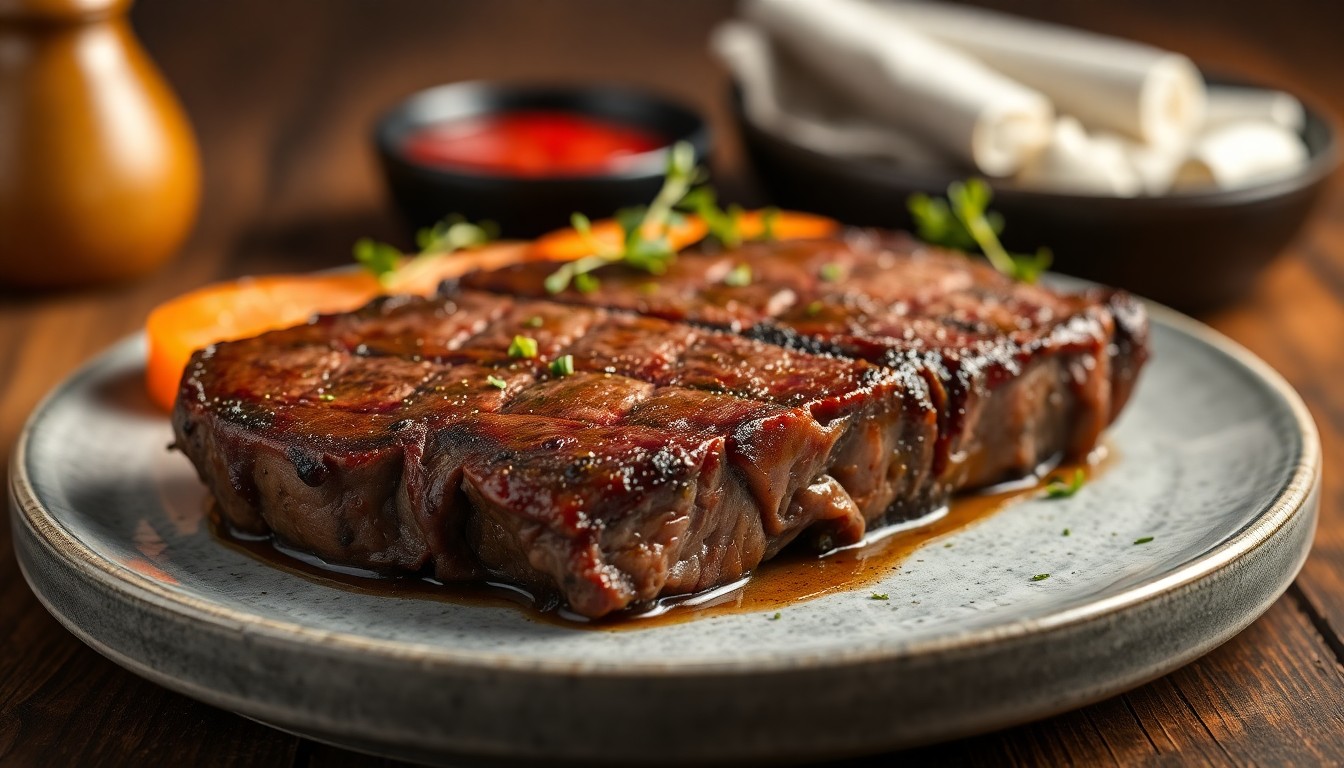
At its core, the Carnivore Diet is an exclusionary way of eating that focuses exclusively on animal products. This means your plate will be filled with delicious and satisfying foods like red meat (beef, lamb, pork, game), poultry, fish, and eggs. Some individuals also choose to include certain dairy products, particularly full-fat, low-lactose options like butter and hard cheeses, depending on their tolerance and goals. The primary principle is the complete elimination of all plant-based foods. This includes fruits, vegetables, grains, legumes, nuts, seeds, and, crucially, all processed foods, sugars, and refined carbohydrates that form the backbone of many modern diets.
The Philosophy Behind It: Ancestral Eating and Nutrient Density
The philosophy underpinning the Carnivore Diet often draws on the concept of ancestral eating. Proponents suggest that for much of human history, our ancestors thrived on diets rich in animal foods, which were readily available and packed with essential nutrients. This way of eating prioritizes nutrient density and bioavailability. Animal products are unparalleled sources of complete proteins, healthy fats, and a wide array of vitamins and minerals that are often more easily absorbed and utilized by the body compared to their plant-based counterparts. Think of it as focusing on the most potent fuel sources nature has to offer.
Igniting Your Energy: How the Carnivore Diet Fuels Your Body
One of the most frequently reported and transformative Carnivore Benefits is a dramatic shift in Energy levels. If you’re tired of the afternoon slumps and the rollercoaster of energy spikes and crashes, the Carnivore Diet might offer a welcome change.
Saying Goodbye to Energy Slumps: The Power of Stable Blood Sugar
The standard modern diet, often high in carbohydrates and sugars, can lead to a constant cycle of blood sugar highs and lows. These fluctuations are a primary culprit behind those dreaded energy slumps, brain fog, and persistent cravings. By eliminating carbohydrates, the Carnivore Diet helps to stabilize blood sugar levels. This stability is key to consistent, sustained Energy throughout the day. Instead of relying on quick bursts of glucose, your body adapts to using fat as its primary fuel source. This metabolic shift is central to experiencing one of the major Zero Carb Benefits: a steady stream of vitality without the crashes.
Nutrient-Rich Fuel: Key Compounds in Meat for Optimal Energy
Meat isn’t just protein and fat; it’s a powerhouse of micronutrients essential for Energy production. Consider these vital components:
- B-Vitamins: Meat, especially red meat, is abundant in B-vitamins like B12 and B6. Vitamin B12 is crucial for energy metabolism, red blood cell formation, and neurological function. A deficiency can lead to fatigue and weakness. B6 also plays a significant role in converting food into energy.
- Iron: Heme iron, found exclusively in animal products, is far more bioavailable than non-heme iron from plants. Iron is essential for carrying oxygen throughout the body; insufficient iron leads to fatigue and diminished physical and mental performance.
- Creatine and Carnitine: These compounds, naturally abundant in meat, play direct roles in cellular energy. Creatine helps supply energy to your cells, particularly muscle cells, while carnitine is essential for transporting fatty acids into your mitochondria to be burned for fuel.
Tapping into Ketosis: An Alternative Energy Pathway
When following a strict Carnivore Diet, which is inherently very low in carbohydrates, your body can enter a metabolic state called nutritional ketosis. In ketosis, your liver produces ketones from fat, and these ketones become a primary fuel source for both your body and brain. Many people find that ketones provide a remarkably clean and stable Energy source, contributing to enhanced mental clarity and physical endurance. This alternative energy pathway is another way the Carnivore Diet can help you feel consistently energized.
Revolutionizing Digestion: Finding Relief and Improving Gut Health
Digestive issues are rampant in our modern world, from bloating and gas to more serious conditions. For many, the Carnivore Diet has offered profound relief and a path towards better Gut Health and smoother Digestion.
The Simplicity Factor: Easing the Digestive Burden
A key reason for improved Digestion on a Meat-Based Diet is its simplicity. Animal products are generally very easy for the human body to digest and absorb. By eliminating complex carbohydrates and particularly large amounts of fiber, which can ferment in the gut and cause issues for some individuals, the digestive system gets a much-needed break. Furthermore, many plant foods contain compounds like lectins, oxalates, and phytates, which can act as irritants or “anti-nutrients” for sensitive individuals, interfering with nutrient absorption and potentially damaging the gut lining. Removing these can lead to a significant reduction in bloating, gas, indigestion, and general digestive discomfort.
Nurturing Gut Health: The Impact on the Microbiome and Gut Lining
The impact of the Carnivore Diet on Gut Health is an area of growing interest. While it might seem counterintuitive to remove plant fibers, which are often touted for gut health, the elimination of fermentable substrates and potential irritants can lead to a reduction in gut inflammation. For some, this creates an environment where the gut lining can heal. The Carnivore Diet essentially acts as an ultimate elimination diet, removing countless potential triggers. This can be particularly beneficial for individuals suspecting food sensitivities or dealing with conditions like increased intestinal permeability, often referred to as “leaky gut.” While research is ongoing, many report significant improvements in their overall gut well-being.
Anecdotal Evidence: Addressing Specific Digestive Conditions
It’s important to state that the Carnivore Diet is not a cure, and medical conditions should always be managed with a healthcare professional. However, there is a wealth of anecdotal evidence from individuals who have experienced remarkable improvements in symptoms of various digestive conditions. People with Irritable Bowel Syndrome (IBS), Small Intestinal Bacterial Overgrowth (SIBO), and even some forms of Inflammatory Bowel Disease (IBD) like Crohn’s disease or ulcerative colitis have reported significant relief. For these individuals, the simplification of their diet and removal of trigger foods seems to be a key factor. This profound impact on Digestion is undoubtedly one of the most compelling Carnivore Benefits for many.
Exploring Additional Carnivore Benefits: Beyond Energy and Digestion
While enhanced Energy and improved Digestion are cornerstone benefits, the positive ripple effects of a Carnivore Diet can extend to many other areas of health and well-being.
Enhanced Mental Clarity and Focus
Many adherents to the Carnivore Diet report a significant lifting of “brain fog” and an improvement in mental clarity and focus. This is often attributed to two main factors: stable blood sugar levels, which provide consistent fuel to the brain, and the potential presence of ketones. Ketones are an excellent fuel source for the brain and are often associated with heightened cognitive function. The Zero Carb Benefits extend beyond physical energy to mental acuity, allowing for sharper thinking and sustained concentration.
Skin Health Improvements: The Gut-Skin Axis
The connection between gut health and skin health – often called the gut-skin axis – is well-established. When Gut Health improves and systemic inflammation decreases, it’s common to see positive changes in the skin. Many individuals on the Carnivore Diet report improvements in chronic skin conditions such as eczema, psoriasis, and acne. By eliminating potential dietary triggers and inflammatory foods, the body’s inflammatory load can decrease, often manifesting as clearer, healthier-looking skin.
Alleviating Joint Pain and Reducing Systemic Inflammation
Chronic joint pain and inflammation can be debilitating. The Carnivore Diet, by its very nature, eliminates many food groups known to be pro-inflammatory for some individuals, such as processed foods, sugars, and certain plant oils. This reduction in dietary inflammation can lead to a decrease in systemic inflammation throughout the body. Many people following a Meat-Based Diet share personal stories of significant relief from chronic joint pain, stiffness, and arthritis-like symptoms, allowing them to move more freely and comfortably.
Potential for Autoimmune Symptom Management
For individuals struggling with autoimmune conditions, the Carnivore Diet is sometimes explored as an ultimate elimination diet. Autoimmune diseases occur when the body’s immune system mistakenly attacks its own tissues. Diet can play a role by either introducing triggers that exacerbate the immune response or by lacking nutrients that support immune regulation. By removing virtually all potential dietary antigens (substances that can trigger an immune response), the Carnivore Diet may help to calm the immune system and reduce autoimmune symptoms in some people. It’s crucial to emphasize that this approach should be undertaken with medical supervision, as individual responses vary greatly, and it is not a replacement for prescribed medical treatment.
Navigating the Carnivore Diet: Important Considerations and Practical Advice
Embarking on the Carnivore Diet can be a significant change, and it’s wise to be prepared and informed. Understanding the adaptation phase and how to optimize your approach will set you up for success.
The Adaptation Phase: What to Expect
When you switch to a Meat-Based Diet, especially from a diet high in carbohydrates, your body needs time to adapt. This transition period, sometimes informally called the “keto flu” (if ketosis is achieved), can bring temporary symptoms like fatigue, headaches, nausea, or changes in bowel habits. These are usually short-lived, often lasting a few days to a couple of weeks. Staying well-hydrated and ensuring adequate electrolyte intake – particularly sodium, potassium, and magnesium – is crucial during this phase. Drinking plenty of water and salting your food generously can make a big difference.
Sourcing Quality Animal Products: Optimizing Your Meat-Based Diet
The quality of your food matters. While you can do the Carnivore Diet with conventional meats, many proponents advocate for sourcing the best quality animal products you can afford.
- Grass-fed vs. Grain-fed: Grass-fed meats tend to have a slightly better fatty acid profile (more omega-3s, less omega-6s) and higher levels of certain antioxidants. However, grain-fed meat is still a highly nutritious option.
- Fatty Cuts: Don’t shy away from fat! Fat is your primary energy source on this diet. Choose fattier cuts of meat like ribeye, brisket, and pork belly to ensure adequate calorie intake and satiety.
- Organ Meats: Liver, heart, and kidney are nutritional powerhouses, packed with vitamins and minerals often found in lower concentrations in muscle meats. Incorporating organ meats can significantly boost your nutrient intake.
- Seafood and Eggs: Fatty fish like salmon provide excellent omega-3 fatty acids, while eggs are a complete protein source rich in choline and other vital nutrients.
Is the Carnivore Diet Suitable for Everyone?
While many thrive on the Carnivore Diet, it may not be suitable for everyone. Individuals with certain pre-existing conditions, such as chronic kidney disease (requiring protein restriction) or rare metabolic disorders affecting fat or protein metabolism, should exercise extreme caution and consult their doctor before considering this diet. Those with a history of gout might also need to monitor their response. Ultimately, listening to your body is paramount. If something doesn’t feel right, or if you have concerns, seeking guidance from a knowledgeable healthcare professional is always the best course of action before making any major dietary changes.
Addressing Common Concerns and Misconceptions
Several common concerns often arise regarding the Carnivore Diet:
- Nutrient Deficiencies: Critics often point to the lack of Vitamin C and fiber. However, fresh meat contains small amounts of Vitamin C, and the body’s requirement for it may be lower in the absence of carbohydrates. Many carnivores report no issues related to Vitamin C deficiency. While this diet lacks plant fiber, many find their Digestion improves significantly without it.
- Long-term Sustainability: Long-term, large-scale studies on the Carnivore Diet are still limited. However, there are many individuals who have followed this way of eating for years, reporting sustained health benefits.
- Social Aspects: Eating out or at social gatherings can present challenges, but with planning, it’s manageable.
The Bigger Picture: Holistic Wellness with the Carnivore Diet
The Carnivore Diet is more than just a list of foods to eat or avoid; for many, it’s a pathway to a more profound sense of well-being and a deeper connection with their body’s needs.
Recapping the Broad Spectrum of Carnivore Benefits
As we’ve explored, the potential Carnivore Benefits extend far beyond the initial allure of weight management. From the surge of consistent Energy and the calming of turbulent Digestion to improvements in Gut Health, mental clarity, skin appearance, and joint comfort, this ancestral eating pattern offers a compelling array of positive outcomes. The elimination of processed foods, sugars, and potential plant-based irritants allows the body to reset and, for many, to heal.
The Carnivore Diet as a Tool for Personal Health Exploration
Ultimately, the Carnivore Diet can be a powerful tool for personal health exploration. It empowers you to strip away dietary complexities and truly listen to your body’s signals. By simplifying your intake to the most nutrient-dense foods on the planet, you can gain valuable insights into what truly nourishes you and helps you thrive. It’s a journey of discovering your unique dietary needs and potentially unlocking a level of health and vitality you may not have thought possible.
Conclusion
While Weight Loss often brings people to the Carnivore Diet, the journey frequently reveals a much richer tapestry of health improvements. The profound benefits for Energy levels, the remarkable turnaround in Digestion and Gut Health, alongside enhancements in mental clarity, skin health, and joint comfort, highlight why so many are embracing this Meat-Based Diet. By focusing on nutrient-dense animal foods and eliminating potential irritants, the Carnivore Diet offers a path to simplified eating and, for many, a revitalized sense of well-being. It’s a testament to the power of ancestral wisdom in navigating modern health challenges.
Frequently Asked Questions (FAQ)
-
What can I eat on the Carnivore Diet?
The Carnivore Diet primarily includes all types of meat (beef, pork, lamb, poultry, game), fish, seafood, and eggs. Some people also include animal fats like tallow, lard, and butter. Certain dairy products like hard cheese and heavy cream may be included by some, depending on individual tolerance and goals, but the strictest versions exclude dairy. All plant-based foods (fruits, vegetables, grains, legumes, nuts, seeds) and processed foods are eliminated.
-
Will I experience any side effects when starting the Carnivore Diet?
Some individuals experience an adaptation period, sometimes referred to as the “keto flu” or “carnivore flu,” especially if transitioning from a high-carbohydrate diet. Symptoms can include fatigue, headaches, nausea, irritability, and changes in bowel habits (either diarrhea or constipation). These are usually temporary and can often be mitigated by ensuring adequate intake of fluids, salt (sodium), and other electrolytes like potassium and magnesium. Most people adapt within a few days to a couple of weeks and start to feel the positive Carnivore Benefits like increased Energy and improved Digestion.
-
Is the Carnivore Diet safe long-term? What about nutrient deficiencies?
Many people have followed the Carnivore Diet for years and report sustained health benefits and no deficiencies. Animal products are incredibly nutrient-dense, providing all essential amino acids, fatty acids, and many vitamins and minerals in highly bioavailable forms. Concerns about nutrients like Vitamin C are often raised, but fresh meat contains small amounts, and the body’s requirements may change in the absence of high carbohydrate intake. While large-scale, long-term scientific studies are still emerging, the extensive anecdotal evidence and the historical context of human diets suggest it can be a safe and effective long-term strategy for many. However, it’s always recommended to listen to your body, do thorough research, and consult with a healthcare professional knowledgeable about low-carb or carnivore diets if you have specific health conditions or concerns.