Welcome to Meat Only Living! Embarking on the Carnivore Diet journey is an exciting step towards potentially transforming your health and simplifying your relationship with food. But let’s be honest, the idea of eating only meat can seem daunting at first. Where’s the variety? How do You keep things interesting? How do you even cook everything perfectly?
Fear not! Mastering your Meat Only Meals is far easier than you might think. It’s all about embracing simplicity, focusing on quality ingredients, and learning a few fundamental Carnivore Cooking Tips. This guide will equip you with the knowledge, simple recipes, and techniques to make your transition smooth, sustainable, and incredibly delicious.
Understanding the Carnivore Diet Foundation
What is the Carnivore Diet? A Brief Overview
Before diving into the cooking, let’s quickly recap the basics of this unique way of eating.
Core Principles: Animal Products Only
At its heart, the Carnivore Diet involves consuming exclusively animal products and eliminating all plant-based foods. The focus is on nutrient-dense animal foods as the sole source of nutrition.
Foods Typically Included (Meat, Poultry, Fish, Eggs, Certain Dairy)
Your plate will primarily feature:
- Meat: Beef, pork, lamb, goat, bison, venison, etc. (all cuts)
- Poultry: Chicken, turkey, duck, quail, etc. (skin-on preferred for fat)
- Fish: Especially fatty fish like salmon, mackerel, sardines, herring
- Eggs: Chicken, duck, quail eggs
- Certain Dairy (Optional/Individual Tolerance): Butter, ghee, hard cheeses, heavy cream (often introduced later or avoided by purists)
- Animal Fats: Tallow, lard, butter, ghee for cooking and added satiety
- Water and Salt: Essential for hydration and electrolytes
Foods Excluded (Plants, Grains, Sugars, Processed Foods)
This means saying goodbye to:
- Fruits and Vegetables
- Grains (wheat, rice, oats, corn, etc.)
- Legumes (beans, lentils, peanuts)
- Sugars (refined sugars, syrups, honey)
- Processed Seed/Vegetable Oils
- Most Processed Foods (unless purely animal-based with clean ingredients)
Why Focus on Simplicity for Meat Only Meals?
While gourmet carnivore creations exist, focusing on simplicity, especially initially, offers significant advantages.
Reducing Complexity and Decision Fatigue
Eliminating countless food choices simplifies grocery shopping, meal planning, and cooking. This reduction in decision fatigue makes sticking to the diet much easier.
Emphasizing Nutrient Density from Whole Animal Foods
Simple preparation methods often best preserve the nutritional integrity of high-quality animal foods. You let the natural flavours and nutrients of the meat shine through.
Making the Carnivore Diet Sustainable and Approachable
Complicated recipes can be time-consuming and intimidating. Simple, repeatable meals make the Carnivore Diet feel manageable and sustainable long-term. It becomes an Easy Carnivore lifestyle, not a culinary burden.
Essential Gear and Pantry Staples for Easy Carnivore Cooking
You don’t need a chef’s kitchen, but a few key items make carnivore cooking much more efficient and enjoyable.
Key Kitchen Tools
Cast Iron Skillet (The Workhorse)
Absolutely essential for achieving that perfect sear on steaks, burgers, and chops. It holds heat exceptionally well and develops a natural non-stick surface over time.
Baking Sheets
Ideal for roasting large cuts, baking bacon (less mess!), or cooking chicken thighs.
Meat Thermometer (Crucial for Perfect Cooking)
Takes the guesswork out of cooking meat. Essential for ensuring food safety and achieving your desired doneness (rare, medium-rare, etc.) consistently. Don’t skip this!
Good Quality Knives
A sharp chef’s knife and perhaps a paring knife make prepping meat much easier and safer.
Optional but Helpful: Air Fryer, Slow Cooker, Instant Pot
These appliances offer convenient ways to cook certain meats – air fryers for crispy chicken or reheating, slow cookers for tender roasts, and Instant Pots for speed.
Stocking Your Carnivore Pantry
Keep these staples on hand:
High-Quality Salt (Essential Mineral)
Crucial for flavour and replacing electrolytes often lost when cutting carbs. Redmond Real Salt, Celtic Sea Salt, or Himalayan Pink Salt are popular choices.
Animal Fats for Cooking (Tallow, Lard, Butter, Ghee)
Essential for cooking and adding healthy fats for Energy and satiety. Choose based on flavour preference and smoke point.
Variety of Meats (Beef, Pork, Lamb, Poultry)
Keep a selection in your fridge or freezer – ground beef, steaks, roasts, chicken thighs, bacon, etc.
Eggs
A versatile and nutrient-dense staple.
Canned Fish (Sardines, Mackerel – check ingredients)
Great for quick meals or snacks. Ensure they are packed in water or olive oil (if tolerated/rinsed), not seed oils, and contain only fish and salt.
Optional: Pork Rinds (Ingredient-checked), Bone Broth
Pork rinds (check for no added sugars or maltodextrin) can offer crunch. Bone broth is great for sipping or adding moisture to dishes.
Simple Carnivore Recipes for Everyday Meals
Let’s get cooking! These foundational Carnivore Recipes are easy, delicious, and form the backbone of many satisfying Meat Only Meals.
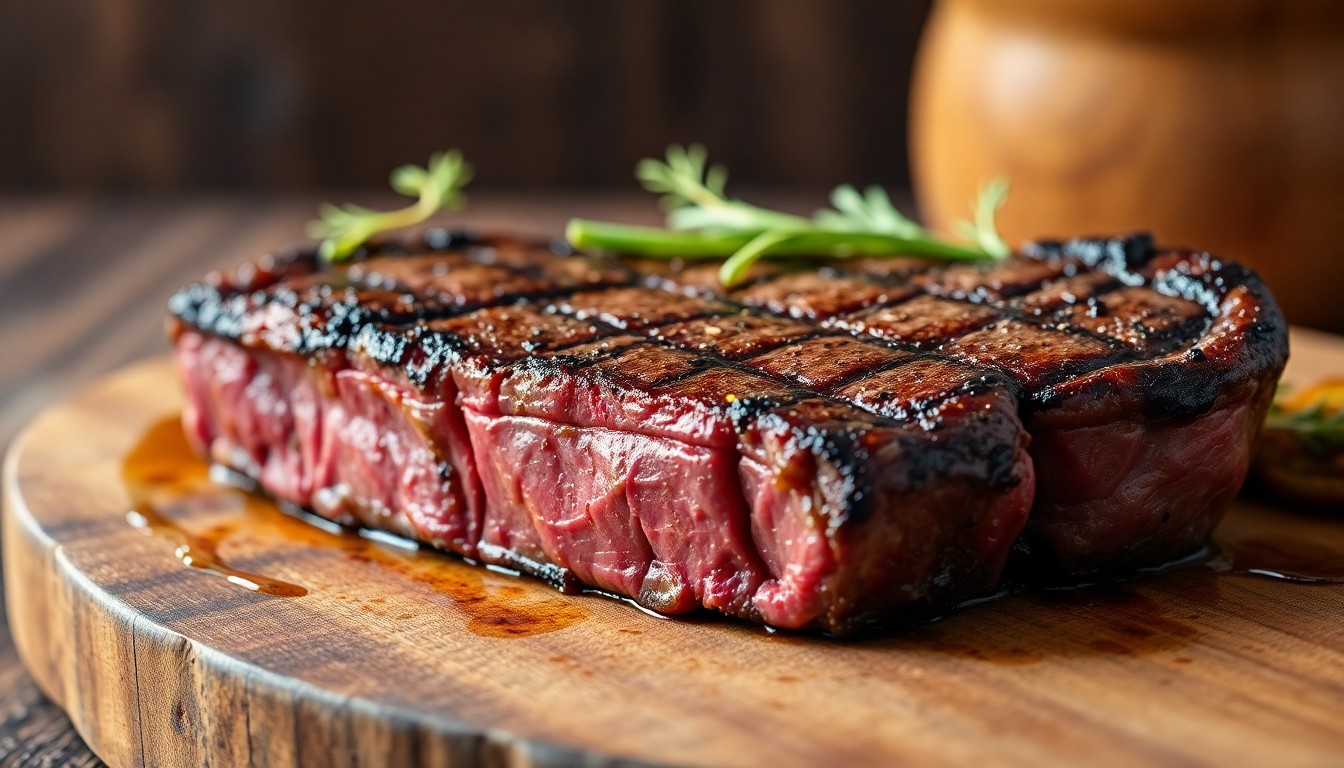
Foundational Recipe 1: The Perfect Pan-Seared Steak
A cornerstone of the Carnivore Diet.
Choosing Your Cut (Ribeye, New York Strip, Sirloin)
Fatty cuts like Ribeye are often preferred for flavour and satiety. NY Strip and Sirloin are also excellent choices.
Prepping the Steak (Patting dry, Salting)
Take the steak out of the fridge 30-60 minutes before cooking. Pat it completely dry with paper towels (crucial for searing). Salt generously on all sides just before cooking or well in advance (at least 40 mins).
The Searing Process (High heat, Fat choice)
Get your cast iron skillet smoking hot over medium-high heat. Add a high-smoke point fat like tallow or lard (or avocado/ghee if preferred). Carefully place the steak in the pan.
Cooking to Desired Doneness (Using the thermometer)
Sear for 2-4 minutes per side until a deep brown crust forms. Reduce heat slightly if needed. Use your meat thermometer: ~125-130°F (52-54°C) for rare, ~130-135°F (54-57°C) for medium-rare, ~140-145°F (60-63°C) for medium. Optionally, add butter during the last minute and baste.
The Importance of Resting
Transfer the steak to a cutting board or wire rack. Tent loosely with foil and let it rest for 5-10 minutes. This allows the juices to redistribute, ensuring a tender, juicy steak.
Foundational Recipe 2: Flavorful Ground Beef Variations (Simple Meat Recipes Staple)
Incredibly versatile and budget-friendly.
Basic Pan-Fried Ground Beef (Tips for browning)
Heat fat (tallow, bacon grease) in a skillet over medium-high heat. Add ground beef, break it apart, and let it brown without moving it too much initially to develop crust. Drain excess fat if desired (or keep it for flavour!).
Adding Flavor with Fat (Butter, Tallow)
Stir in a knob of butter or extra tallow towards the end of cooking for richness.
Simple Additions (Salt, Egg Yolks)
Salt generously. For extra richness and nutrients, stir in a couple of raw egg yolks after removing from heat.
Making Burger Patties (No binders needed)
Gently form ground beef into patties (don’t overwork). Salt the outside just before cooking. Pan-fry, grill, or bake. No eggs or breadcrumbs needed!
Foundational Recipe 3: Crispy Baked Chicken Thighs (Skin-On)
Flavorful, fatty, and forgiving.
Preparing the Chicken (Patting dry is key)
Pat the chicken thighs (bone-in, skin-on preferred) completely dry with paper towels. This is vital for crispy skin.
Seasoning Simply (Salt, maybe pepper if used)
Season generously with salt (and pepper if you include it).
Baking Technique for Crispy Skin
Place thighs skin-side up on a baking sheet (perhaps lined with parchment for easy cleanup or on a wire rack set inside the sheet). Bake at 400-425°F (200-220°C) for 35-45 minutes, or until the internal temperature reaches 175-185°F (80-85°C) and the skin is golden brown and crispy.
Foundational Recipe 4: Easy Baked Salmon (or other Fatty Fish)
A great source of Omega-3s.
Simple Preparation
Place salmon fillets (skin-on or off) on a baking sheet lined with parchment paper.
Seasoning Options (Salt, Lemon if incorporating slightly)
Season generously with salt. Some may add a squeeze of lemon after cooking if they include minimal plant elements, but salt alone is perfect.
Baking Instructions for Flaky Fish
Bake at 400°F (200°C) for 12-15 minutes per inch of thickness, or until the fish flakes easily with a fork and reaches an internal temperature of 130-140°F (54-60°C).
Foundational Recipe 5: Quick Scrambled Eggs or Omelets
A breakfast staple or quick meal anytime.
Using Plenty of Fat (Butter, Bacon Grease)
Melt a generous amount of butter or bacon grease in a non-stick or well-seasoned cast iron skillet over medium-low heat.
Technique for Creamy Scrambled Eggs
Whisk eggs with a pinch of salt (add a splash of water or cream if using dairy for fluffiness). Pour into the skillet. Cook slowly, gently pushing the cooked egg from the edges towards the center. Remove just before they look fully set (they’ll continue cooking slightly off heat).
Simple Omelet Fillings (Cheese if tolerated, crumbled bacon)
Pour whisked eggs into the prepared skillet. Let the edges set. If using fillings like pre-cooked crumbled bacon or shredded hard cheese (if tolerated), sprinkle over one half. Fold the other half over and cook briefly until the filling is warm/cheese is melted.
Bonus Recipe: Slow Cooker Pulled Pork/Beef (Easy Carnivore Batch Cooking)
Perfect for meal prep.
Choosing the Cut (Pork Shoulder, Beef Chuck Roast)
Use fatty, tougher cuts like pork shoulder (butt) or beef chuck roast.
Seasoning and Prep
Pat the meat dry and season generously with salt. Optional: briefly sear all sides in a hot skillet with fat before adding to the slow cooker for extra flavour.
Slow Cooking for Tenderness
Place the meat in the slow cooker (add a splash of water or bone broth if desired, though the meat will release its own juices). Cook on low for 6-10 hours or on high for 4-6 hours, until fork-tender. Shred the meat using two forks, mixing it with the juices.
Essential Carnivore Cooking Tips for Delicious Results
Beyond specific recipes, these general Carnivore Cooking Tips will elevate your meals.
Tip 1: Master High-Heat Searing
Achieving the Maillard Reaction for Flavor
That beautiful brown crust on steak? That’s the Maillard reaction – a chemical reaction between amino acids and reducing sugars that creates hundreds of delicious flavour compounds. Key elements: dry surface, high heat, right fat.
Using the Right Fat for High Temperatures
Use fats with high smoke points like tallow, lard, or ghee for searing to prevent burning and off-flavours.
Tip 2: Don’t Fear the Fat!
Cooking with Animal Fats (Tallow, Lard, Butter)
Embrace cooking with stable, flavourful animal fats. They are essential for energy on a carnivore diet.
Rendering Fat from Your Cuts (Bacon, Steak Fat Cap)
Save the fat rendered from cooking bacon or trimming steaks. Liquid gold!
Using Fat for Flavor and Satiety in Meat Only Meals
Fat equals flavour and keeps you full. Choose fattier cuts or add fat (like butter on steak, or eating the crispy chicken skin) to leaner meats.
Tip 3: Salt Generously and Strategically
When to Salt (Before, During, After Cooking)
Salting thick steaks well in advance (40+ mins or overnight) allows the salt to penetrate deeply. For thinner cuts or ground meat, salting just before cooking is fine. Always taste and adjust salt after cooking if needed.
Using Salt to Enhance Natural Meat Flavors
Salt doesn’t just make food salty; it enhances the inherent deliciousness of the meat.
Tip 4: Cook to Temperature, Not Time
Recommended Internal Temperatures for Different Meats
Invest in a meat thermometer! Beef/Lamb: 130-135°F (medium-rare). Pork: 145°F (medium). Poultry: 165°F (breast), 175-185°F (thighs). Ground Meats: 160°F.
Avoiding Overcooked, Dry Meat
A thermometer is the only reliable way to ensure perfectly cooked, juicy meat every time.
Tip 5: Utilize Different Cooking Methods for Variety
Pan-Frying, Baking, Roasting, Grilling, Air Frying, Slow Cooking
Don’t just pan-fry everything. Roasting large cuts, grilling steaks, air frying chicken wings, or slow cooking tough cuts adds variety.
How Method Affects Texture and Flavor
Searing gives crust, baking provides even cooking, slow cooking creates tenderness. Experiment!
Tip 6: Embrace Batch Cooking
Saving Time During Busy Weeks
Making large batches of ground beef, pulled pork, or roasted chicken makes weekday meals incredibly fast.
Cooking Large Roasts, Ground Beef Batches
Cook once, eat multiple times. This is key for making Easy Carnivore meals sustainable.
Making Reheating Easy Carnivore Meals Simple
Reheat portions gently in a skillet with a little fat, in the oven, or in an air fryer.
Tip 7: Let Your Meat Rest After Cooking
Why Resting is Crucial for Juiciness
Allows muscle fibers to relax and reabsorb juices. Cutting too soon leads to juice loss and drier meat.
How Long to Rest Different Cuts
Steaks/Chops: 5-10 minutes. Roasts: 15-20 minutes. Tent loosely with foil.
Adding Variety to Your Carnivore Diet Meal Plan
Worried about boredom? Here’s how to keep your Meat Only Meals exciting:
Exploring Different Cuts of Meat
Beyond Steaks and Ground Beef (Roasts, Ribs, Shanks)
Try chuck roasts, brisket, short ribs, lamb shanks, pork belly, oxtail. Different textures and flavours await!
Incorporating Organ Meats (Liver, Heart – preparation tips)
Nutrient powerhouses! Start small. Beef liver can be sliced thin, soaked in milk/water (optional, to mellow flavour), patted dry, and pan-fried quickly in bacon grease or butter. Heart can be sliced and grilled or pan-fried like steak.
Utilizing Seafood More Often
Fatty Fish Options (Salmon, Mackerel, Sardines)
Aim for fatty fish 2-3 times a week for omega-3s. Canned options are convenient.
Shellfish Considerations
Shrimp, scallops, mussels, oysters offer different flavours and nutrients. Ensure good quality and simple preparation (e.g., pan-fried in butter).
Playing with Eggs
Fried, Scrambled, Poached, Boiled, Omelets
So many ways to prepare them! Hard-boiled eggs make great snacks.
Adding Egg Yolks for Richness
Stir raw yolks into ground beef, soups, or gently warmed bone broth for extra nutrients and creaminess.
Simple Flavor Enhancements (Strict Carnivore Options)
Using Different Animal Fats (Duck fat, Bacon grease)
Each fat lends a slightly different flavour profile.
Finishing with Salt Flakes
A sprinkle of flaky sea salt (like Maldon) just before serving adds texture and a final flavour pop, especially on steaks.
Incorporating Bone Broth
Use as a base for ‘soups’ (just broth and meat chunks), for reheating leftovers, or sipping.
Sourcing Quality Ingredients for Your Carnivore Recipes
The quality of your ingredients directly impacts the flavour and potentially the nutrient profile of your meals.
Why Meat Quality Matters (Flavor & Potential Nutrient Differences)
Meat from well-raised animals often tastes better. While nutritional differences can be debated, factors like fatty acid profiles (e.g., omega-3 in grass-finished beef) may vary. Sourcing quality often means supporting better animal welfare and farming practices too.
Finding Good Sources (Local Butchers, Farms, Online Retailers)
Explore local butchers who know their sources, farmers’ markets, direct-from-farm CSAs (Community Supported Agriculture), or reputable online meat delivery services specializing in grass-fed or pasture-raised options.
Understanding Labels (Grass-fed, Pasture-raised – brief explanation)
Grass-fed & Grass-finished: Cattle ate grass/forage their entire lives. “Grass-fed” alone can sometimes mean they were finished on grain. Pasture-raised: Animals had access to pasture (common for poultry/pigs, implies more natural diet/behaviour than confinement). These labels aren’t always strictly regulated, so knowing your source is ideal.
Conclusion: Delicious Simplicity Awaits
Mastering your Meat Only Meals on the Carnivore Diet isn’t about complex culinary feats; it’s about embracing the delicious simplicity of animal foods. By focusing on quality ingredients, essential tools, foundational Carnivore Recipes, and key Carnivore Cooking Tips like proper searing, utilizing fat, salting strategically, and cooking to temperature, you can create consistently satisfying and nourishing meals. This approach makes the diet sustainable, enjoyable, and an Easy Carnivore path to follow. Enjoy the journey and the incredible flavours that simple, well-cooked meat provides!
Frequently Asked Questions (FAQ)
-
Q1: Do I really need a meat thermometer?
A1: While experienced cooks might go by feel, a meat thermometer is highly recommended, especially for beginners. It’s the most reliable way to ensure your meat is cooked safely and exactly to your liking (e.g., perfect medium-rare steak, fully cooked chicken). It prevents overcooking (dry meat) and undercooking (potential safety issues), making your Carnivore Cooking Tips toolkit much stronger.
-
Q2: I’m worried about getting bored eating only meat. How do I keep things interesting with these simple recipes?
A2: Variety on the Carnivore Diet comes from exploring different types of animals (beef, pork, lamb, poultry, fish), different cuts (steaks, roasts, ribs, ground, organs), different cooking methods (searing, roasting, slow cooking, grilling), and using different animal fats (tallow, lard, butter, duck fat). Even simple things like switching from ground beef to lamb mince, or trying pan-fried pork chops instead of steak, can provide novelty for your Meat Only Meals.
-
Q3: Can I use spices and herbs on the Carnivore Diet? These recipes seem very basic.
A3: Strictly speaking, the purest form of the Carnivore Diet uses only salt. However, many people incorporate black pepper or other simple, non-plant-based seasonings (like certain garlic or onion powders, used sparingly if tolerated – though these are technically plants). These recipes focus on the foundation using just salt and fat, which is where most people start and many thrive. You can experiment cautiously with minimal seasonings later if desired, paying attention to how your body reacts. The goal of these Simple Meat Recipes is to master the basics first.