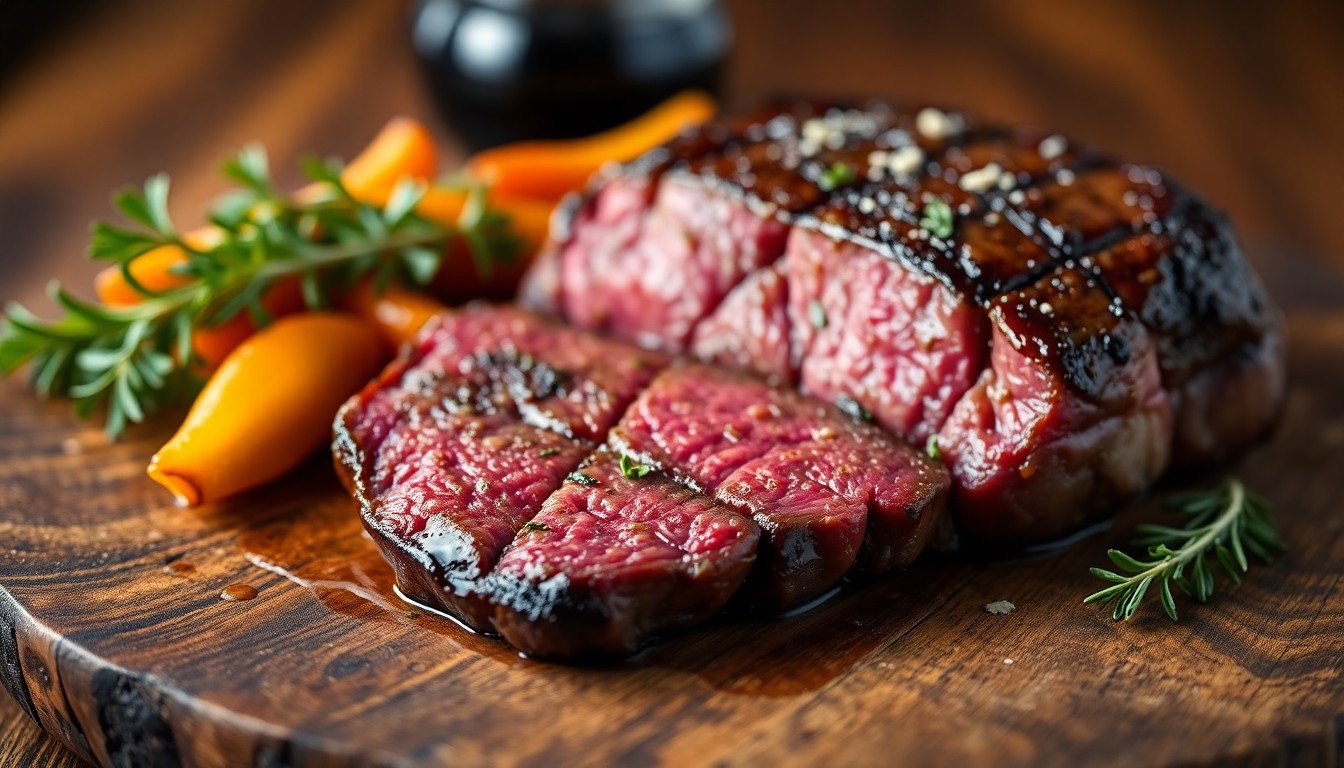
Welcome to Meat Only Living! If you’re curious about the Carnivore Diet, you’ve likely heard compelling stories of transformation alongside notes of caution. This way of eating, focusing exclusively on animal products, represents a significant departure from conventional dietary advice. But what exactly does embracing a meat-only diet entail? Here, we’ll dive deep into the potential Carnivore Benefits, navigate the common Carnivore Challenges, and explore what adopting this unique Carnivore Lifestyle truly looks like.
What is the Carnivore Diet? Defining the Meat-Only Approach
At its core, the Carnivore Diet is an elimination diet that strips away all plant-based foods, focusing solely on sustenance derived from the animal kingdom. It’s a simple concept, yet variations and interpretations exist.
Core Principles: Eliminating Plant-Based Foods
The fundamental rule is straightforward: eat animal products, avoid plant products. This means saying goodbye to fruits, vegetables, grains, legumes, nuts, and seeds. The focus shifts entirely to meat, organs, eggs, and sometimes specific dairy products, depending on individual tolerance and preference.
Foods Included: Meat, Poultry, Fish, Eggs, Certain Dairy (Variations)
What can you eat? Think beef, lamb, pork, poultry (chicken, turkey, duck), fish (salmon, sardines, mackerel), shellfish, eggs, and animal fats like tallow and lard. Some variations allow for hard cheeses, heavy cream, and butter, particularly those low in lactose. The emphasis is often on fatty cuts to ensure adequate Energy intake.
Foods Excluded: Fruits, Vegetables, Grains, Legumes, Nuts, Seeds
The exclusion list is extensive and covers the entirety of the plant kingdom. This includes all fruits, vegetables (leafy greens, root vegetables, etc.), grains (wheat, rice, oats), legumes (beans, lentils, peanuts), nuts, seeds, and plant-derived oils.
Understanding Related Terms: Zero Carb Diet vs. Animal-Based Diet Spectrum
The Carnivore Diet is often called a Zero Carb Diet, although technically, some animal products like eggs and dairy contain trace amounts of carbohydrates. It sits at the most restrictive end of the Animal-Based Diet spectrum. Other animal-based approaches might include small amounts of low-toxicity plant foods like fruits or honey, offering more flexibility.
The Philosophy Behind the Carnivore Diet: Ancestral Eating vs. Modern Interpretations
Proponents often view the Carnivore Diet as a return to an ancestral way of eating, suggesting that humans evolved primarily as hunters consuming nutrient-dense animal foods. They argue that many modern chronic diseases stem from the introduction of agriculture and processed plant-based foods. Modern interpretations focus on eliminating potential plant toxins and inflammatory compounds to improve health outcomes.
Potential Carnivore Benefits: Why People Adopt This Lifestyle
Why do people choose such a restrictive diet? The reported benefits are often profound, though much of the evidence remains anecdotal or comes from smaller studies. Let’s explore the key drivers.
Weight Management and Body Composition
Many individuals turn to the Carnivore Diet seeking changes in their weight and body composition.
Satiety and Reduced Cravings
Protein and fat are highly satiating. Eating nutrient-dense animal foods often leads to feeling fuller for longer, naturally reducing overall calorie intake and curbing cravings, especially for sugary or processed foods.
Potential for Fat Loss
By eliminating carbohydrates, the body shifts towards using fat as its primary fuel source (Ketosis). This, combined with increased satiety and potential metabolic effects, can contribute to significant fat loss for some individuals.
Reported Improvements in Mental Clarity and Energy Levels
Anecdotal reports frequently mention enhanced cognitive function and sustained energy.
Stable Blood Sugar Effects
Removing carbohydrates leads to more stable blood glucose levels, avoiding the energy peaks and crashes associated with high-carb meals. This stability can translate to more consistent energy throughout the day.
Reduction of “Brain Fog” (Anecdotal Reports)
Many followers report a significant reduction in “brain fog,” experiencing sharper focus and improved mental clarity. While the exact mechanisms aren’t fully understood, stable blood sugar and potential reduction of inflammation are likely contributors.
Inflammation Reduction and Autoimmune Symptom Management
This is one of the most compelling areas of reported benefit, particularly for those with chronic inflammatory or autoimmune conditions.
Elimination of Potential Plant-Based Irritants (Oxalates, Lectins)
Plants contain various compounds (like oxalates, lectins, phytates) that can be irritating or inflammatory for sensitive individuals. Eliminating these entirely may provide relief from associated symptoms.
Anecdotal Success Stories (RA, Crohn’s, etc.) – Need for Scientific Rigor
Numerous personal stories detail significant improvements or remission of conditions like Rheumatoid Arthritis, Crohn’s disease, psoriasis, and other autoimmune disorders. It’s crucial to remember these are anecdotal, and more rigorous scientific research is needed to validate these effects.
Digestive Health: Potential Relief for Certain Conditions
Simplifying the diet down to easily digestible animal foods can bring relief for various gut issues.
Simplification for Sensitive Guts (IBS, SIBO)
Individuals with Irritable Bowel Syndrome (IBS) or Small Intestinal Bacterial Overgrowth (SIBO) often react poorly to various plant fibers and carbohydrates. Removing these can alleviate bloating, gas, pain, and irregular bowel movements.
Elimination of Fermentable Fibers
Fermentable fibers (FODMAPs), while beneficial for some, can cause significant distress in others. The Carnivore Diet eliminates these, potentially calming an irritated digestive system.
Blood Sugar Regulation and Metabolic Health
The near absence of carbohydrates has direct implications for metabolic health.
Impact on Insulin Sensitivity (Relevant to Zero Carb Diet aspect)
As a very low or Zero Carb Diet, the Carnivore approach drastically reduces the need for insulin. This can lead to improved insulin sensitivity over time, a key factor in metabolic health.
Potential Benefits for Type 2 Diabetes Management (Under Medical Supervision)
Due to its impact on blood sugar and insulin, some individuals with Type 2 Diabetes have reported significant improvements or even remission while following a Carnivore Diet. However, this must always be done under strict medical supervision, as medication adjustments are often necessary.
The Simplicity Factor in the Carnivore Lifestyle
Beyond the physiological effects, many appreciate the sheer simplicity of this way of eating.
Reduced Meal Prep Complexity
Planning and cooking become much simpler. Grill a steak, fry some eggs, bake some salmon – meal prep often involves straightforward cooking methods with minimal ingredients.
Fewer Food Choices, Simplified Shopping
Grocery shopping lists become significantly shorter. Navigating the supermarket involves heading straight for the meat, fish, and egg sections, bypassing countless aisles of processed foods and plant products.
Navigating the Carnivore Challenges: Hurdles and Considerations
Despite the potential benefits, the Carnivore Lifestyle is not without its hurdles. It’s essential to be aware of the potential downsides and challenges.
Nutritional Completeness Concerns
Eliminating entire food groups raises questions about nutrient intake.
Fiber Absence and Gut Microbiome Impact
The complete lack of dietary fiber is a major departure from standard nutritional advice. While some carnivores report improved digestion, the long-term effects on the gut microbiome composition and diversity are still largely unknown and debated.
Potential Deficiencies (Vitamin C, Magnesium, Potassium, etc.)
Concerns exist regarding nutrients typically abundant in plants, such as Vitamin C, magnesium, and potassium. While meat (especially organ meat) contains these, ensuring adequate intake requires careful planning.
Importance of Nose-to-Tail Eating for Nutrient Density
To mitigate deficiency risks, many proponents emphasize “nose-to-tail” eating – consuming organ meats (liver, kidney, heart), bone broth, and connective tissues alongside muscle meat to obtain a broader range of vitamins and minerals.
The Adaptation Phase: “Carnivore Flu”
Transitioning onto the diet can be challenging for some.
Symptoms: Fatigue, Headaches, Nausea, Mood Swings
Similar to the “keto flu,” adapting to a near-zero carb intake can cause temporary symptoms like fatigue, headaches, irritability, nausea, and cravings as the body shifts its primary fuel source from glucose to fat.
Managing Electrolyte Imbalance During Transition
These symptoms are often linked to electrolyte imbalances (sodium, potassium, magnesium) and dehydration as the body sheds water. Adequate salt and electrolyte intake is crucial during this phase.
Social Limitations and Practicalities
Eating only animal products can create social friction.
Dining Out and Social Gatherings on a Meat-Only Diet
Restaurants and social events often revolve around meals containing plant-based ingredients. Navigating these situations requires planning, clear communication, or sometimes bringing your own food.
Explaining the Diet to Friends and Family
Expect questions, skepticism, and perhaps concern from loved ones. Explaining your choices clearly and calmly can be challenging but necessary.
Long-Term Health Questions and Research Gaps
Significant questions remain about the long-term implications of this diet.
Cholesterol Levels (LDL Particle Size vs. Number)
While some individuals see increases in LDL cholesterol, proponents argue that the type of LDL particle (large, fluffy vs. small, dense) and the overall metabolic context (low inflammation, good insulin sensitivity) are more important than the total number. This area is complex and debated.
Cardiovascular Health Concerns – Contrasting Views
Concerns about high saturated fat intake and cardiovascular disease persist based on conventional dietary guidelines. However, the carnivore community often points to evidence suggesting saturated fat’s role in heart disease is context-dependent and potentially less harmful in the absence of high carbohydrate intake and inflammation.
Impact on Gut Microbiome Diversity (Long-term)
The long-term effects of eliminating plant fibers on the diversity and function of the gut microbiome are a significant area requiring more research.
Lack of Long-Term, Large-Scale Human Studies
Crucially, there is a lack of long-term, large-scale controlled human trials investigating the effects of the Carnivore Diet. Much of the current understanding relies on anecdotal reports, short-term studies, and mechanistic speculation.
Cost and Sourcing High-Quality Animal Products
Eating only meat can be expensive, especially if prioritizing quality.
Budgeting for Grass-Fed, Pasture-Raised, Wild-Caught Options
While not strictly necessary for everyone, many advocate for higher-quality animal products (grass-fed beef, pasture-raised eggs, wild-caught fish) for better nutrient profiles and fewer potential contaminants. This can significantly increase food costs.
Accessibility Depending on Location
Access to high-quality or diverse animal products (like organ meats) can vary greatly depending on geographic location and local market availability.
Digestive Adjustments and Bowel Changes
The digestive system needs time to adapt.
Initial Constipation or Diarrhea
During the adaptation phase, some people experience temporary constipation or diarrhea as their gut adjusts to the absence of fiber and potentially higher fat intake.
Changes in Stool Frequency and Consistency
Long-term, bowel movement frequency often decreases significantly due to the high digestibility and low residue of animal foods. Stool consistency may also change. This is often normal but can be concerning initially.
Sustainability and Ethical Considerations of a Meat-Heavy Diet
Broader concerns about the environmental impact and ethics of high meat consumption are valid points of discussion, although proponents often highlight the potential benefits of regenerative agriculture practices.
Implementing the Carnivore Lifestyle: Practical Tips
If you’re considering trying the Carnivore Diet, here are some practical tips:
Getting Started: Gradual vs. All-In Approach
Some people jump straight in, eliminating all plants overnight. Others prefer a gradual transition, perhaps starting with a ketogenic diet and slowly removing remaining plant foods. Choose the approach that feels most sustainable for you.
Prioritizing Food Quality and Variety within Carnivore Constraints
Don’t just eat ground beef every day. Aim for variety to improve nutrient intake and prevent boredom.
Importance of Fatty Cuts of Meat
Fat is your primary energy source. Choose fattier cuts like ribeye, brisket, pork belly, and salmon. Don’t be afraid to add extra fat like tallow or butter.
Incorporating Organ Meats, Eggs, Fish
Liver, heart, and kidney are nutritional powerhouses. Eggs are packed with nutrients. Fatty fish provides essential omega-3 fatty acids. Aim to include these regularly.
Hydration and Electrolyte Management (Crucial for a Zero Carb Diet)
This cannot be overstated, especially during adaptation.
Salt Intake Considerations
Your need for sodium often increases on a very low-carb diet. Salt your food liberally; don’t fear the salt shaker.
Other Electrolytes (Potassium, Magnesium)
Ensure adequate intake through food (meat is a source of both) or consider targeted supplementation if needed, particularly during the initial phase.
Listening to Your Body: Hunger Cues and Adjustments
Eat when you’re hungry, stop when you’re full. Your appetite is usually a reliable guide on this diet. Adjust fat-to-protein ratios based on your energy levels and satiety.
Monitoring Health: Working with Healthcare Professionals
It’s wise to monitor your health and work with a knowledgeable healthcare provider.
Blood Work Recommendations (Before and During)
Get baseline blood work done before starting and monitor key markers (lipids, inflammation markers, blood glucose, HbA1c, nutrient levels) periodically.
Discussing Pre-existing Conditions
Always discuss adopting this diet with your doctor, especially if you have pre-existing health conditions (like kidney disease) or are taking medications (especially for diabetes or blood pressure).
Is the Carnivore Diet Right for You? Considering the Animal-Based Diet Spectrum
The Carnivore Diet is an extreme elimination diet, and it’s not necessarily the right or only approach for everyone.
Who Might Benefit Most (Based on Anecdotes and Limited Research)
Individuals with severe autoimmune conditions, intractable digestive issues (IBS, Crohn’s), certain mental health challenges, or those struggling with obesity and metabolic syndrome despite trying other diets might find significant relief.
Who Should Exercise Caution or Avoid (Kidney Issues, Certain Genetic Factors, etc.)
Individuals with pre-existing kidney disease should exercise caution due to the high protein load. Those with specific genetic conditions affecting fat metabolism may also need to avoid this diet. Pregnant or breastfeeding women should consult extensively with healthcare providers.
The Importance of Individual Context and Goals
Your individual health status, goals, lifestyle, and tolerance will determine if this approach is suitable. What works wonders for one person might be inappropriate for another.
Exploring Less Restrictive Animal-Based Diet Variations
If full carnivore seems too extreme or unsustainable, consider less restrictive forms of an Animal-Based Diet. These might include adding well-tolerated fruits, honey, or specific dairy products back into a meat-centric framework, offering more flexibility while still minimizing potential plant irritants.
Conclusion: Weighing the Carnivore Proposition
The Carnivore Diet offers a compelling, albeit controversial, approach to health and nutrition. The primary Carnivore Benefits reported by adherents often include significant weight loss and improved body composition, enhanced mental clarity and stable energy levels due to blood sugar control, dramatic reductions in inflammation leading to relief from autoimmune and digestive disorders, and a profound simplification of eating. While rigorous long-term research is still needed, these potential upsides drive many to explore this unique meat-only diet. However, it’s crucial to weigh these potential gains against the known Carnivore Challenges, such as nutrient concerns, the adaptation phase, social hurdles, and the existing research gaps, before deciding if this Carnivore Lifestyle is the right path for your individual health journey.
Frequently Asked Questions (FAQ)
-
What about Vitamin C on the Carnivore Diet? Don’t we need plants for that?
Fresh meat, especially organ meats like liver and spleen, contains Vitamin C. While the amounts are lower than in many fruits and vegetables, proponents argue that the body’s requirement for Vitamin C may be lower in the absence of carbohydrates. Historically, populations consuming primarily animal products did not exhibit widespread scurvy. However, focusing on fresh, quality meats and potentially including organs is important.
-
Will I get constipated without fiber on a meat-only diet?
Digestive changes are common during adaptation. Some experience initial constipation, often related to changes in gut bacteria or needing more fat/electrolytes. Others experience diarrhea. Long-term, many carnivores find they have less frequent but comfortable bowel movements, as meat is highly digestible with little waste. Staying hydrated and ensuring adequate fat and salt intake can help manage initial changes.
-
Isn’t eating only meat incredibly boring? How do you maintain the Carnivore Lifestyle?
While the food list is restrictive, there’s variety within animal products: different types of meat (beef, pork, lamb, poultry), various cuts (steaks, roasts, ground), fish, shellfish, eggs, and potentially dairy. Cooking methods (grilling, roasting, frying, slow-cooking) also add variety. Many find the health benefits and simplicity outweigh concerns about boredom. Focusing on high-quality, delicious animal foods makes the Carnivore Lifestyle sustainable for those who thrive on it.