Introduction: Rethinking the Carnivore Diet – More Than Just Muscle Meat
The Limited View of “Steak and Eggs”
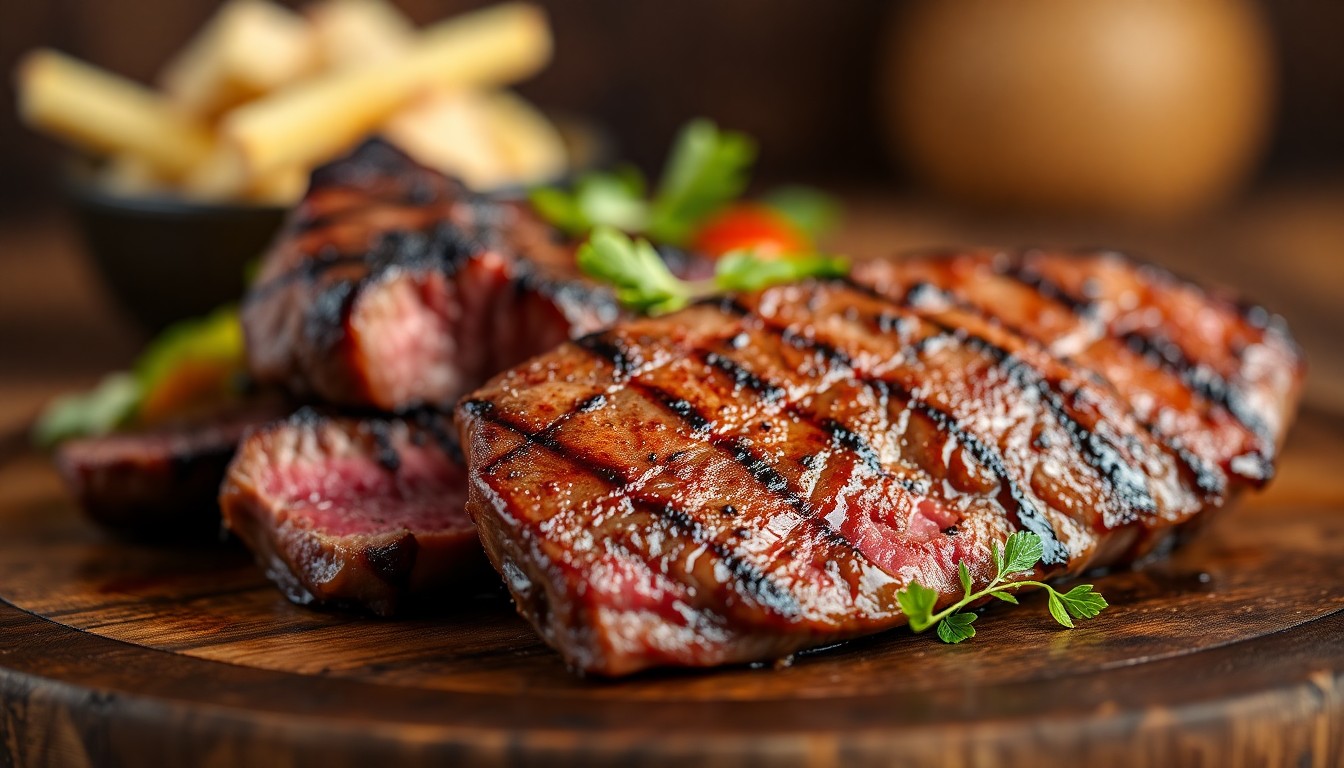
The carnivore diet, often simplified to “steak and eggs,” has gained immense popularity for its potential health benefits. While steak and eggs can form a part of a healthy carnivore diet, this limited view overlooks a crucial aspect of traditional, ancestral eating: nose-to-tail consumption.
Introducing the Concept of Nose-to-Tail Eating on a Carnivore Diet
Nose-to-tail eating means utilizing every part of the animal, including the organ meats, bones, and connective tissues. This approach isn’t just about minimizing waste; it’s about maximizing nutritional intake. Our ancestors understood this instinctively, valuing organ meats for their concentrated nutrients.
Why Organ Meats are Crucial for Optimal Animal-Based Nutrition
Organ meats, often referred to as offal, are nature’s multivitamins. They are packed with vitamins, minerals, and other bioactive compounds that are often lacking in a diet consisting solely of muscle meat. Incorporating organ meats into your carnivore diet is a game-changer for achieving optimal animal-based nutrition.
The Nutritional Powerhouse: Unveiling the Benefits of Organ Meats
Nutrient-Dense Foods: Defining the Term and Why It Matters
Nutrient-dense foods are those that provide a high concentration of nutrients relative to their calorie content. They are the opposite of “empty calories.” Organ meats are among the most nutrient-dense foods on the planet, offering a wide spectrum of essential nutrients.
Comparing Muscle Meat vs. Organ Meats – A Nutritional Showdown
While muscle meat (like steak) provides protein and some nutrients, organ meats offer a significantly broader and more concentrated range of vitamins and minerals.
Vitamins (A, D, E, K, B Vitamins)
Organ meats, particularly liver, are exceptional sources of fat-soluble vitamins A, D, E, and K, which are crucial for various bodily functions, including immune health, bone health, and vision. They are also incredibly rich in B vitamins, essential for energy production, nerve function, and cell metabolism.
Minerals (Iron, Zinc, Copper, Selenium)
Organ meats are packed with essential minerals like iron (highly bioavailable heme iron), zinc (important for immune function and wound healing), copper (crucial for energy production and iron metabolism), and selenium (a powerful antioxidant).
Other Bioactive Compounds (CoQ10, Choline, etc.)
Beyond vitamins and minerals, organ meats contain unique bioactive compounds like Coenzyme Q10 (CoQ10), which plays a vital role in energy production and acts as an antioxidant, and choline, essential for brain health and liver function.
Debunking Common Myths about Offal and Cholesterol
One common misconception is that organ meats are excessively high in cholesterol and therefore harmful. Dietary cholesterol has a minimal impact on blood cholesterol levels for most people. The cholesterol in organ meats is accompanied by a wealth of other nutrients that support overall health.
Exploring the Variety: A Guide to Different Organ Meats
Liver: The Undisputed King of Superfoods
Liver is often considered the most nutrient-dense organ meat available.
Nutritional Profile of Liver (Beef, Chicken, Lamb)
Beef liver is exceptionally high in vitamin A, B vitamins (especially B12), iron, copper, and choline. Chicken and lamb liver offer similar benefits, though the specific nutrient concentrations may vary.
Addressing the Taste and Texture (Tips for Palatability)
The strong flavor of liver can be a deterrent for some. Soaking it in milk or lemon juice before cooking can help mellow the taste. You can also finely chop or grind it and mix it with other meats.
Heart: A Muscle Meat with a Nutritional Boost
Heart, while technically a muscle, is often grouped with organ meats due to its unique nutritional profile.
High in CoQ10 and Other Nutrients
Beef heart is particularly rich in CoQ10, along with B vitamins, iron, zinc, and selenium.
Similar Texture to Muscle Meat – A Good Starting Point
The texture of heart is similar to other muscle meats, making it a relatively easy organ meat to incorporate into your diet.
Kidney: A Unique Flavor and Nutrient Profile
Kidneys offer a distinct flavor and are a nutritional powerhouse.
Rich in Selenium and B Vitamins
Kidneys are an excellent source of selenium, an important antioxidant, and B vitamins, crucial for energy metabolism.
Preparing Kidney to Minimize Strong Flavors
Soaking kidneys in salted water or milk before cooking helps remove any strong or unpleasant flavors.
Brain: A Controversial but Potentially Beneficial Choice (with caveats)
Brain is a highly nutritious organ meat, but it comes with some important considerations.
Rich Source of DHA and other unique compounds.
Brain is very rich in DHA, an omega-3 fatty acid crucial for brain health. It also contains unique compounds that support neurological function.
Discussing the concerns and safety precautions. (Prion disease, etc. Source responsibly).
The primary concern with consuming brain is the potential risk of prion diseases, such as Creutzfeldt-Jakob disease (CJD). It’s crucial to source brain from healthy, grass-fed animals from reputable suppliers who can guarantee the animal’s health and origin. Avoid consuming brain from animals of unknown origin or those showing any signs of neurological illness.
Other Options: Sweetbreads, Tripe, Tongue, Spleen
Brief Nutritional Overview of Each.
- Sweetbreads (thymus or pancreas): Rich in Vitamin C and B vitamins.
- Tripe (stomach lining): Source of collagen and some minerals.
- Tongue: High in fat and calories, contains zinc, iron, choline, and vitamin B12.
- Spleen:Very high in iron.
Common preparations.
- Sweetbreads: Often breaded and fried or grilled.
- Tripe: Commonly used in soups and stews (like Menudo).
- Tongue: Boiled, braised, or pickled.
- Spleen: Can be stuffed, grilled, or pan-fried.
Carnivore-Approved Recipes: Delicious Ways to Incorporate Organ Meats
Making Offal Recipes Appealing: Techniques and Tips
Soaking and Pre-cooking Methods
Soaking organ meats in milk, salted water, or a vinegar solution can help reduce strong flavors and odors.
Combining with Familiar Flavors
Pairing organ meats with familiar flavors like bacon, garlic, onions, and spices can make them more palatable.
The Importance of High-Quality Sourcing
Always source your organ meats from reputable suppliers who prioritize animal welfare and sustainable practices. Grass-fed and pastured animals generally produce more nutrient-rich organ meats.
Liver Carnivore Recipes
Pan-Fried Liver with Onions (Classic Preparation)
A simple and classic way to prepare liver. Sauté sliced onions until caramelized, then add liver slices and cook until browned.
Liver Pate (Blending for Smooth Texture)
Blending cooked liver with butter, cream, and spices creates a smooth and flavorful pate.
Dehydrated Liver “Chips” (A Carnivore Snack)
Thinly slice liver and dehydrate it until crispy for a convenient and nutrient-dense snack.
Heart Carnivore Recipes
Grilled Beef Heart Steaks
Marinate heart steaks in your favorite carnivore-approved marinade and grill them to your desired doneness.
Heart Stew or Chili (Slow-Cooked for Tenderness)
Slow-cooking heart in a stew or chili makes it incredibly tender and flavorful.
Kidney Carnivore Recipes
Steak and Kidney Pie (Traditional Dish)
A classic British dish that combines steak and kidney in a savory gravy, encased in a pastry (for a non-strict carnivore, you could use an almond flour crust substitute, but for strict carnivore, omit the crust).
Sautéed Kidneys with Bacon
Sauté sliced kidneys with bacon and onions for a flavorful and satisfying meal.
Creative Ways to Sneak Organ Meats into Your Diet
Ground Organ Meat Blends (Mixing with Ground Beef)
Mix ground organ meats (like liver, heart, or kidney) with ground beef to increase the nutrient density of your burgers, meatballs, or meatloaf.
Homemade Bone Broth with Added Organs
Add organ meats to your bone broth for an extra boost of nutrients.
Addressing Common Concerns and Frequently Asked Questions
Sourcing High-Quality Organ Meats: Where to Find Them
Local Butchers and Farmers Markets
Your local butcher or farmers market is often the best place to find high-quality, fresh organ meats from local farms.
Online Retailers Specializing in Grass-Fed and Pastured Meats
Several online retailers specialize in grass-fed and pastured meats, including organ meats.
Cost Considerations: Are Organ Meats Budget-Friendly?
Organ meats are generally much more affordable than muscle meats, making them a budget-friendly way to increase the nutrient density of your diet.
Safety and Potential Risks: Addressing Concerns about Toxins
Proper Sourcing and Preparation Mitigates Risks.
Sourcing from healthy animals and proper cooking significantly reduce any potential risks associated with toxins. The liver does filter toxins, but it doesn’t store them in high concentrations.
Liver and Vitamin A toxicity. (Moderation is Key).
While liver is incredibly rich in Vitamin A, consuming excessive amounts can lead to Vitamin A toxicity. Eating liver a few times a week is generally safe, but daily consumption of large portions is not recommended. Listen to your body, and don’t overdo it.
Transitioning to Organ Meats: Starting Slowly and Listening to Your Body
If you’re new to eating organ meats, start slowly. Begin with small portions and gradually increase the amount as you become accustomed to the taste and texture. Pay attention to how your body responds.
Integrating Organ Meats with other carnivore diet variations (e.g., adding fruit, honey).
Organ meats are beneficial regardless of whether you adhere to a strict carnivore diet or a more relaxed version that includes some fruit or honey. The added nutrients complement any animal-based eating approach.
The Future of Carnivore: Embracing Nose-to-Tail for Optimal Health
Sustainability and Ethical considerations of eating nose-to-tail.
Eating nose-to-tail is a more sustainable and ethical way to consume animal products. It minimizes waste and honors the animal by utilizing all of its parts.
Long term benefits of consistently including organ meats.
Consistently including organ meats in your carnivore diet can lead to improved energy levels, better nutrient status, enhanced immune function, and overall improved health and well-being.
Frequently Asked Questions
Q: I’m really struggling with the taste of liver. Any tips?
A: Try soaking it in milk or lemon juice for a few hours before cooking. You can also mix it with ground beef to mask the flavor, or try making liver pate, which has a smoother texture and milder taste.
Q: How often should I eat organ meats?
A: A few times a week is a good starting point. Listen to your body and adjust the frequency based on your individual needs and preferences.
Q: Are organ meats safe for pregnant women?
A: While organ meats are highly nutritious, pregnant women should be mindful of their vitamin A intake, particularly from liver. Moderate consumption of liver is generally considered safe, but it’s best to consult with your doctor or a registered dietitian.
Conclusion:
The carnivore diet, when approached with a nose-to-tail philosophy, offers a powerful path to optimal health. By incorporating nutrient-dense organ meats, you unlock a wealth of vitamins, minerals, and bioactive compounds that are often lacking in a standard Western diet, or even a carnivore diet centered only around muscle meat. Embrace the variety, experiment with recipes, and experience the transformative benefits of truly maximizing your animal-based nutrition.