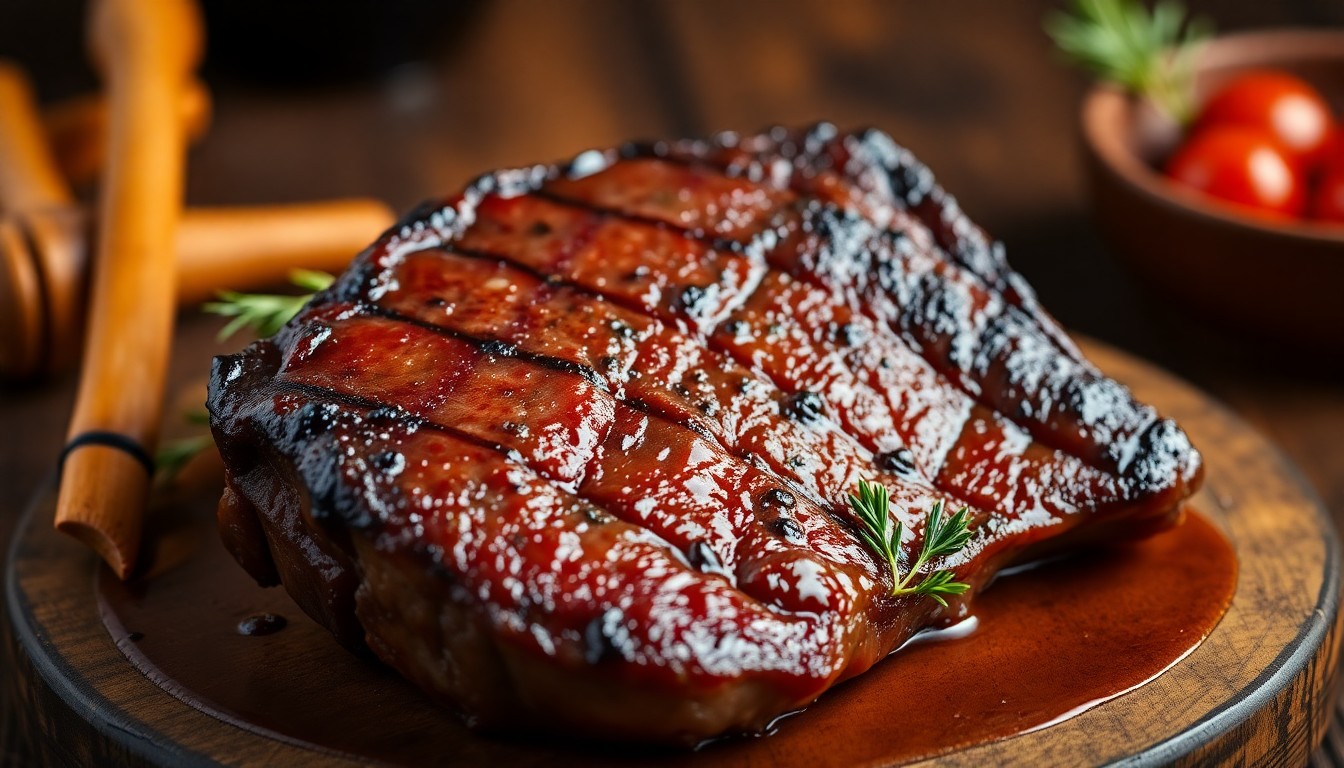
Beyond the Ribeye: Embracing the Whole Animal on a Carnivore Diet
Why “Nose to Tail” Eating Matters on a Carnivore Diet
The carnivore diet emphasizes consuming animal products exclusively. While steak, burgers, and eggs are staples, truly embracing this way of eating means going “nose to tail.” This approach isn’t just a trendy phrase; it’s a fundamental aspect of maximizing the Benefits of an animal-based diet.
Here’s why it matters:
- Nutrient density and bioavailability: Organ meats, often referred to as “offal,” are nutritional powerhouses. They are packed with vitamins, minerals, and other essential nutrients in forms that are highly bioavailable, meaning your body can easily absorb and utilize them. Muscle meat, while nutritious, pales in comparison to the concentrated nutrition found in organs.
- Sustainability and ethical considerations: Utilizing the entire animal is inherently more sustainable. It reduces waste and honors the life of the animal by ensuring that no part goes unused.
- Reducing food waste: In a world where food waste is a significant problem, nose-to-tail eating is a practical solution. It minimizes waste and maximizes the value of each animal.
- Traditional diets and ancestral wisdom: Our ancestors consumed the entire animal, including the organs. They instinctively knew that these parts were vital for health and survival. Modern science is now catching up, confirming the wisdom of these traditional practices.
The Misconceptions About Organ Meats (Offal)
Many people shy away from organ meats due to misconceptions and the “ick” factor. Let’s address these concerns:
- Addressing the “ick” factor: It’s understandable to feel hesitant about trying something new, especially if it looks or sounds unfamiliar. However, with proper preparation and the right recipes, organ meats can be surprisingly delicious.
- Debunking common myths (e.g., toxin storage): A common myth is that organs, particularly the liver, store toxins. This is incorrect. The liver filters toxins, but it doesn’t store them. It’s a nutrient-rich organ that plays a vital role in detoxification.
- Highlighting the nutritional superiority compared to muscle meat: Organ meats are significantly higher in many essential nutrients than muscle meat. For example, liver is exceptionally rich in Vitamin A, B vitamins, iron, and copper.
Diving Deep into Organ Meats (Offal): A Nutritional Powerhouse
Liver: The King of Superfoods
Liver is often called nature’s multivitamin. Here’s why:
- Vitamin A (Retinol) powerhouse: Liver is one of the most concentrated sources of preformed Vitamin A (retinol), which is crucial for vision, immune function, and skin health.
- Rich in B vitamins (especially B12): Liver is packed with B vitamins, including B12, which is essential for energy production, nerve function, and red blood cell formation.
- High in iron, copper, and other essential minerals: Liver provides highly bioavailable iron and copper, along with other minerals like zinc and selenium.
- Addressing concerns about Vitamin A toxicity (dosage and frequency): While Vitamin A toxicity is a valid concern, it’s primarily associated with excessive intake of synthetic Vitamin A. Consuming liver in moderate amounts, such as a few ounces a couple of times a week, is generally safe and beneficial.
Heart: A Familiar Taste, Unexpected Benefits
Heart is a great entry point into the world of organ meats because it has a texture and flavor similar to muscle meat.
- CoQ10 for cardiovascular health: Heart is a rich source of Coenzyme Q10 (CoQ10), an antioxidant that supports heart health and energy production.
- Excellent source of protein and iron: Like other meats, the heart is a complete protein and rich source of bioavailable iron.
- Similar texture and flavor to muscle meat (easy entry point): This makes it a less intimidating option for those new to offal.
Kidney: A Delicate Flavor and Nutritional Gem
Kidney has a slightly more distinct flavor than heart, but it’s packed with nutrients.
- Selenium content and thyroid function: Kidney is an excellent source of selenium, a mineral that plays a crucial role in thyroid hormone production and function.
- Rich in B vitamins and iron: Like liver, kidney is a good source of B vitamins and iron.
- Tips for preparation to minimize strong flavors: Soaking kidney in milk or salted water before cooking can help to mellow the flavor.
Brain: The Controversial (But Potentially Beneficial) Choice
Brain is a more controversial organ meat, but it offers unique nutritional benefits.
- DHA and brain health (addressing prion disease concerns): Brain is a rich source of Docosahexaenoic acid (DHA), an omega-3 fatty acid that is crucial for brain health. Concerns about prion diseases are valid, but the risk is extremely low when sourcing from reputable suppliers.
- Unique fatty acid profile: Brain has a unique fatty acid profile that differs from other meats.
- Ethical sourcing and preparation considerations: It’s crucial to source brain from healthy, pasture-raised animals and to cook it thoroughly.
Other Nutrient-Dense Organs to Consider
- Spleen: Rich in iron and vitamin C.
- Tongue: A tender and flavorful muscle, high in zinc and B vitamins.
- Tripe: The stomach lining of ruminant animals, a good source of collagen.
- Sweetbreads (Thymus and Pancreas): Delicate in flavor and texture, rich in vitamins and minerals.
Bone Broth: The Liquid Gold of the Carnivore Diet
What is Bone Broth and How is it Made?
Bone broth is a nutrient-rich liquid made by simmering bones for an extended period. It’s a staple in many traditional diets and a cornerstone of the carnivore diet.
- Simmering bones for extended periods: Bones are typically simmered for 12-48 hours, or even longer, to extract the maximum amount of nutrients.
- Essential ingredients: bones, water, apple cider vinegar (optional): Apple cider vinegar is often added to help draw out minerals from the bones.
- Choosing the right bones (Beef, chicken, fish, etc.): Different bones offer different flavors and nutrient profiles. Beef bones are popular for their rich flavor, while chicken bones are known for their high collagen content.
The Nutritional Benefits of Bone Broth
Bone broth is a nutritional powerhouse, offering a wide range of benefits:
- Collagen and gelatin for gut health and joint support: Bone broth is rich in collagen and gelatin, which are essential for gut health, joint health, and skin elasticity.
- Glycine, proline, and other amino acids: These amino acids play important roles in various bodily functions, including detoxification, immune function, and tissue repair.
- Minerals like calcium, magnesium, and phosphorus: Bone broth provides easily absorbable minerals that are essential for bone health and overall well-being.
- Electrolyte replenishment: Bone broth can help replenish electrolytes lost through sweat, making it a great option for those who are active.
- Supporting a healthy gut lining: The gelatin in bone broth helps to soothe and heal the gut lining, promoting optimal digestion and nutrient absorption.
How to Incorporate Bone Broth into Your Carnivore Diet
- Drinking it straight (warm or cold): Bone broth can be enjoyed as a warm, comforting beverage or chilled as a refreshing drink.
- Using it as a base for soups and stews: Bone broth adds depth of flavor and nutritional value to soups and stews.
- Adding it to Carnivore Recipes for flavor and nutrients: Use bone broth in place of water when cooking meat or making sauces.
Carnivore-Friendly Recipes: Beyond Simple Steak
Easy Ways to Start with Organ Meats
- Liver pate variations (Carnivore Recipes): Liver pate is a delicious and easy way to incorporate liver into your diet. Blend cooked liver with animal-based fats, salt, and pepper.
- Ground beef and liver mixtures (burgers, meatloaf): Mixing ground liver with ground beef is a great way to “hide” the liver flavor while still reaping its nutritional benefits.
- Crispy fried liver with onions (addressing taste preferences): Frying liver until crispy can make it more palatable for those who are hesitant about the texture.
Hearty and Delicious Bone Broth Recipes
- Simple Beef Bone Broth: Simmer beef bones with water and optional apple cider vinegar for 24-48 hours.
- Chicken Bone Broth with Ginger and Turmeric (optional additions for flavor): Add ginger and turmeric to chicken bone broth for added flavor and anti-inflammatory benefits. These are optional, for those who wish to include them.
- Using Bone Broth in savory jellies: The high gelatin content of bone broth makes it perfect for creating savory jellies.
Advanced Carnivore Recipes Featuring Organ Meats
- Braised Heart with a Rich Reduction Sauce: Slow-braising heart makes it incredibly tender and flavorful.
- Kidney and Mushroom Stir-fry (using animal-based fats): A quick and easy way to enjoy kidney, using only animal fats for cooking.
- Pan-Seared Sweetbreads with Crispy Skin: Sweetbreads have a delicate flavor and texture that can be enhanced by pan-searing.
Adapting Recipes and Finding Your Preferences
- Experimenting with different cooking methods (frying, grilling, braising): Find the cooking methods that you enjoy most for each type of organ meat.
- Adjusting seasonings to your liking (salt, pepper, maybe some herbs): Keep seasonings simple on the carnivore diet, focusing on salt and pepper. Some people tolerate small amounts of herbs.
- Finding reputable sources for high-quality Organ Meats: Sourcing is key to ensuring the quality and safety of your organ meats.
Sourcing High-Quality Animal Products
- Local butchers and farmers markets: These are excellent sources for fresh, high-quality organ meats and bones.
- Online retailers specializing in grass-fed and pasture-raised meats: Several online retailers offer a wide selection of grass-fed and pasture-raised meats, including organ meats.
- Importance of knowing the source and farming practices: Choose animals raised on pasture, without hormones or antibiotics, whenever possible.
- Wild game, and it’s benefits: If accessible, wild game provides exceptional quality meat.
Making the “Nose to Tail” Approach Sustainable
Storing Organ Meats Properly
- Freezing for long-term storage: Organ meats freeze well and can be stored for several months.
- Proper thawing techniques: Thaw organ meats in the refrigerator overnight.
- Shelf life in the refrigerator: Fresh organ meats should be used within a few days of purchase.
Batch Cooking and Meal Prepping
- Planning ahead to reduce food waste: Plan your meals in advance to ensure that you use all of your organ meats before they spoil.
- Making large quantities of Bone Broth and freezing portions: Bone broth can be made in large batches and frozen for later use.
- Preparing organ meat dishes in advance: Cook organ meats in advance and store them in the refrigerator for quick and easy meals.
Budget-Friendly Tips for Eating Animal-Based
- Organ Meats are often more affordable than muscle meat: This makes nose-to-tail eating a budget-friendly option.
- Utilizing less popular cuts of meat: Cuts like tongue, heart, and oxtail are often less expensive than prime cuts.
- Making your own bone broth: Making your own bone broth is much cheaper than buying it pre-made.
Embracing the Carnivore Diet Lifestyle
- Listening to your Body: Pay attention to how your body feels and adjust your diet accordingly.
- Finding other resources for carnivore: There are many online communities and resources available for those following a carnivore diet.
- the Benefits of an animal-based diet: Many people report significant health benefits from following a carnivore diet, including improved digestion, increased energy, and reduced inflammation.
Conclusion
The carnivore diet, when approached with a nose-to-tail philosophy, offers a wealth of nutritional benefits. By incorporating organ meats and bone broth, you can maximize the nutrient density of your diet, support your overall health, and embrace a more sustainable and ethical way of eating. Don’t be afraid to step outside your comfort zone and explore the incredible world of offal – your body will thank you for it! The Carnivore Diet truly provides optimal human nutrition.
Frequently Asked Questions
1. Are organ meats safe to eat?
Yes, organ meats are safe to eat when sourced from healthy animals and prepared properly. The myth that organs store toxins is incorrect; they filter toxins but do not accumulate them. Choose organ meats from grass-fed, pasture-raised animals whenever possible.
2. How often should I eat organ meats?
Start slowly and listen to your body. A few ounces of liver a couple of times a week is a good starting point. You can gradually incorporate other organ meats as you become more comfortable with them.
3. How do I make bone broth taste good?
The flavor of bone broth depends on the bones you use and the simmering time. Beef bones tend to have a richer flavor than chicken bones. You can also add salt and pepper to taste. Some individuals on the carnivore diet may choose to add aromatic vegetables or herbs during the simmering process, but this is optional.