Understanding the Carnivore Diet: A Deep Dive into the Meat-Only Lifestyle
What Exactly is the Carnivore Diet?
The carnivore diet, also known as a “meat-only diet” or “animal-based diet,” is a way of eating that focuses exclusively on animal products. The core principle is the complete exclusion of all plant-based foods.
Allowed Foods: This includes red meat (beef, lamb, bison), poultry (chicken, turkey, duck), fish (salmon, tuna, mackerel), seafood (shrimp, crab, lobster), eggs, and sometimes certain dairy products (typically lactose-free or low-lactose options like hard cheeses are better tolerated). The focus is on getting the majority of your calories from animal sources.
Foods to Avoid: This is the extensive list: all fruits, vegetables, grains (rice, wheat, oats), legumes (beans, lentils, chickpeas), nuts, seeds, and any processed foods containing plant-based ingredients.
The Science (and Controversy) Behind the Carnivore Diet
The carnivore diet has gained significant attention, and with that comes both enthusiastic supporters and skeptical critics. Let’s explore the potential benefits and concerns.
Potential Benefits: Many individuals report significant improvements in various areas, including Weight Loss, improved digestion (reduced bloating and gas), reduced inflammation, and enhanced mental clarity. These benefits are often attributed to the elimination of potential dietary irritants and the body’s shift into ketosis. Emerging research is starting to investigate these claims, but much of the current evidence remains anecdotal.
Ketogenic Aspect: The carnivore diet is inherently a very “low carb,” high-fat, high-protein diet. By drastically restricting carbohydrates, the body is forced to enter a state of ketosis. In ketosis, the body switches from using glucose (from carbohydrates) as its primary fuel source to using ketones (produced from the breakdown of fat). This “ketogenic” state is believed to be responsible for many of the reported benefits, particularly Weight Loss.
Nutrient Concerns: A common concern is the potential for nutrient deficiencies. While meat is a good source of protein and many essential nutrients, it lacks certain vitamins and minerals found abundantly in plants. This is where the importance of consuming organ meats (liver, kidney, heart) comes in. Organ meats are incredibly nutrient-dense and can help fill some of the potential gaps. Supplementation may also be considered, under the guidance of a healthcare professional.
Sustainability and Ethical Considerations: It’s important to acknowledge the environmental and ethical implications of a Meat-only diet. Sourcing meat from sustainable and ethical farms is crucial for those who choose this lifestyle. Consider grass-fed, pasture-raised options whenever possible.
Is the Carnivore Diet Right for You?
The carnivore diet isn’t a one-size-fits-all solution.
Who Might Benefit: Some individuals with specific health conditions, such as autoimmune diseases (like Crohn’s disease or rheumatoid arthritis) and persistent digestive issues, have reported significant improvements on the carnivore diet. However, this is not a substitute for medical advice.
Who Should Avoid: Individuals with certain pre-existing conditions, particularly kidney issues, should exercise extreme caution and consult their doctor before considering this diet. The high protein intake can put extra strain on the kidneys.
Importance of Consulting a Healthcare Professional: This cannot be stressed enough. Before making any significant dietary changes, especially one as restrictive as the carnivore diet, it is absolutely essential to consult with a doctor or registered dietitian. They can assess your individual health status, identify any potential risks, and help you determine if this diet is appropriate for you.
Zero-Carb Recipes: Delicious and Simple Carnivore Diet Meals
Mastering the Basics: Simple Carnivore Cooking Techniques
Cooking on the carnivore diet is surprisingly simple. The focus is on highlighting the natural flavors of the meat.
Cooking Methods: The most common methods include roasting, grilling, pan-frying, slow cooking, and air frying. Each method offers a slightly different flavor and texture profile.
Seasoning Strategies: Keep it simple! Salt and pepper are your best friends. Some individuals may tolerate small amounts of other spices, but it’s best to start with just salt and pepper to assess your tolerance.
The Importance of Fat: Don’t shy away from fat! Fatty cuts of meat are preferred on the carnivore diet. Fat provides essential energy and helps with satiety. Rendering fat (cooking it down to liquid form) is a great way to add flavor and moisture to leaner cuts.
Breakfast of Champions: Carnivore-Style Starts
Here are some “zero carb recipes” to kickstart your day:
- Steak and Eggs: A classic for a reason! Cook your steak to your desired doneness and fry or scramble some eggs. Variations include adding different types of steak (ribeye, sirloin, New York strip) or different cooking methods for the eggs (poached, over-easy).
- Bacon and Eggs: Another staple. Experiment with different types of bacon (thick-cut, applewood smoked).
- Ground Beef Scramble: Brown some ground beef and scramble in some eggs. If you tolerate dairy, you can add a sprinkle of cheese.
- Salmon and Cream Cheese (if dairy is included): Smoked salmon with a dollop of cream cheese provides a good dose of healthy fats.
Lunch and Dinner: Hearty and Satisfying Carnivore Meals
These “zero carb recipes” will keep you full and energized:
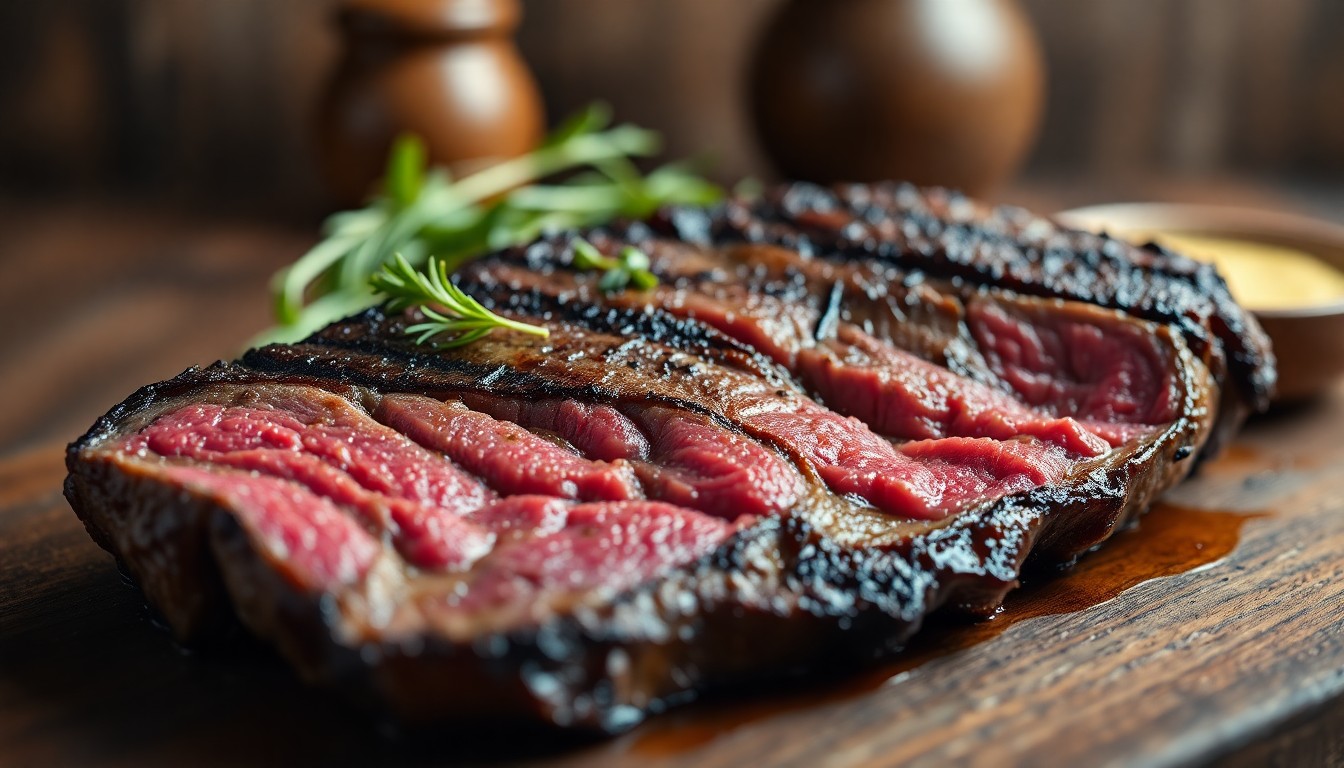
- Ribeye Steak: A carnivore favorite! Cook it to perfection on the grill, in a pan, or in the oven.
- Roasted Chicken: Roast a whole chicken or individual parts (thighs, drumsticks, wings). The crispy skin is a delicious treat.
- Lamb Chops: Season with salt and pepper and grill or pan-fry to your liking.
- Salmon Filets: Pan-sear or bake salmon filets for a quick and healthy meal.
- Ground Beef Patties: Form ground beef into patties and cook them on the grill or in a pan. You can add bone marrow to the patties for extra flavor and nutrients.
- Pork Belly: Slow-cook or roast pork belly until it’s crispy and tender.
Carnivore Snacks: Staying Satiated Between Meals
These snacks will help you stay on track:
- Beef Jerky (unsweetened): Make sure to choose jerky without added sugars or artificial ingredients.
- Pork Rinds (check for added ingredients): A crunchy and satisfying snack, but read the labels carefully.
- Hard-Boiled Eggs: A convenient and portable source of protein.
- Leftover Meat: Simply reheat any leftover meat from your previous meals.
- Bone Broth: A nourishing and hydrating beverage packed with collagen and minerals.
Carnivore Meal Plan: A Week of Meat-Only Eating
Building Your Carnivore Meal Plan: Key Considerations
Creating a “carnivore meal plan” is relatively straightforward, but there are a few things to keep in mind.
Calorie Needs: Your calorie needs will vary depending on your activity level, goals (weight loss, maintenance, or muscle gain), and individual metabolism. It’s important to listen to your body and adjust your portions accordingly.
Macronutrient Ratios: The carnivore diet is naturally very “low carb” and high in protein and fat. You don’t need to meticulously track macros, but be aware that the majority of your calories will come from fat and protein.
Meal Frequency: Many people on the carnivore diet find that they naturally eat 2-3 meals per day. Some individuals incorporate intermittent fasting, eating within a specific window of time each day.
Hydration: Drinking plenty of water is crucial, especially on a high-protein diet. Electrolyte balance is also important (more on this below).
Sample 7-Day Carnivore Meal Plan
This is just a sample plan, and you can adjust it to fit your preferences and needs.
- Day 1:
- Breakfast: Steak and Eggs.
- Lunch: Ground Beef Patties.
- Dinner: Roasted Chicken.
- Day 2:
- Breakfast: Bacon and Eggs.
- Lunch: Leftover Roasted Chicken.
- Dinner: Salmon Filets.
- Day 3:
- Breakfast: Ground Beef Scramble.
- Lunch: Beef Jerky and Hard-Boiled Eggs.
- Dinner: Ribeye Steak.
- Day 4:
- Breakfast: Steak and Eggs.
- Lunch: Canned Sardines (in water or olive oil).
- Dinner: Lamb Chops.
- Day 5:
- Breakfast: Pork Belly.
- Lunch: Leftover Lamb Chops.
- Dinner: Ground beef with bone marrow.
- Day 6:
- Breakfast: Salmon and Eggs
- Lunch: Pork Rinds and cheese (optional).
- Dinner: Roast beef
- Day 7:
- Breakfast: Leftover Roast beef
- Lunch: Chicken wings (plain, baked).
- Dinner: Burger patties
Adapting the Meal Plan to Your Needs and Preferences
Variety: Don’t be afraid to rotate different types of meat and seafood to keep things interesting and ensure you’re getting a range of nutrients.
Budget: The carnivore diet can be adapted to different budgets. Choose less expensive cuts of meat, like ground beef and chicken thighs, and buy in bulk when possible.
Cooking Time: Batch cooking and meal prepping can save you time during the week. Cook a large roast on the weekend and use the leftovers for multiple meals.
Listening to Your Body: Pay attention to your hunger and fullness cues. Adjust portion sizes and meal timing as needed.
Tips for Success on the Carnivore Diet
Transitioning to a Meat-Only Diet
Gradual vs. Cold Turkey: Some people prefer to gradually eliminate plant-based foods, while others jump right in. There’s no right or wrong approach; choose what works best for you.
Managing the “Keto Flu” or Adaptation Period: As your body adapts to using fat for fuel, you may experience some temporary side effects, such as fatigue, headaches, and muscle cramps. This is often referred to as the “keto flu.” Staying hydrated and replenishing electrolytes can help minimize these symptoms.
Electrolyte Balance: This is crucial. When you restrict carbohydrates, your body excretes more water and electrolytes (sodium, potassium, magnesium). Make sure to salt your food liberally and consider supplementing if needed.
Staying Hydrated and Replenishing Electrolytes
Electrolyte supplementation is often necessary on the carnivore diet. Focus on these key electrolytes:
- Sodium: Salt your food to taste.
- Potassium: Found in some meats, but supplementation may be helpful.
- Magnesium: Many people benefit from magnesium supplementation.
- Broth: Drinking bone broth is an excellent way to replenish electrolytes and stay hydrated.
Sourcing High-Quality Meat
The quality of your meat matters.
Grass-fed vs. Grain-fed: Grass-fed meat tends to have a better fatty acid profile (more omega-3s) and higher levels of certain nutrients. However, it can be more expensive. Grain-fed meat is still a viable option, especially if it’s from a reputable source.
Local Butchers and Farmers Markets: These are great places to find high-quality, locally sourced meat.
Online Meat Suppliers: Several online retailers specialize in grass-fed and pasture-raised meat.
Long-Term Sustainability and Monitoring
Regular Bloodwork: It’s a good idea to get regular bloodwork done to monitor your nutrient levels and overall health.
Listening to Your Body’s Signals: Pay attention to how you feel. If you experience any persistent negative symptoms, consult your doctor.
Finding a Supportive Community: Connecting with others who follow the carnivore diet (online forums, groups) can provide support and encouragement.
Dealing with Social Situations
- Eating Out: Choose restaurants that offer simple meat dishes. Ask for your food to be cooked without sauces or seasonings that contain plant-based ingredients.
- Explaining the diet to others: Be prepared to explain your dietary choices to friends and family.
- Bringing food with you: If you’re unsure about the food options at a social event, bring your own carnivore-friendly meal or snacks.
Conclusion
The carnivore diet, a “meat-only diet” focused on “animal-based” foods, offers a unique approach to eating. The potential benefits, including weight loss, improved digestion, and reduced inflammation, stem from its “ketogenic” nature and the elimination of potential dietary irritants. While anecdotal evidence is strong, and some research is emerging, it’s essential to approach this diet with caution. Prioritizing high-quality meat, staying hydrated, managing electrolytes, and, most importantly, consulting with a healthcare professional before starting are crucial steps. By understanding the principles and potential challenges, individuals can explore whether the carnivore diet is a sustainable and beneficial path for them.
Frequently Asked Questions
Q: Can I drink coffee or tea on the carnivore diet?
A: Technically, coffee and tea are derived from plants. Some people on the carnivore diet choose to exclude them, while others include them in moderation. If you do include them, it’s best to drink them black, without any added sugar or milk (unless it’s a lactose-free, high-fat option).
Q: What about spices?
A: Salt and pepper are generally considered acceptable. Other spices are plant-derived, so many strict carnivores avoid them. However, some individuals tolerate small amounts of certain spices. It’s best to start with just salt and pepper and experiment cautiously.
Q: How long does it take to adapt to the carnivore diet?
A: The adaptation period can vary from person to person. Some people feel great within a few days, while others may experience the “keto flu” for a week or two. Electrolyte management is key to minimizing adaptation symptoms.