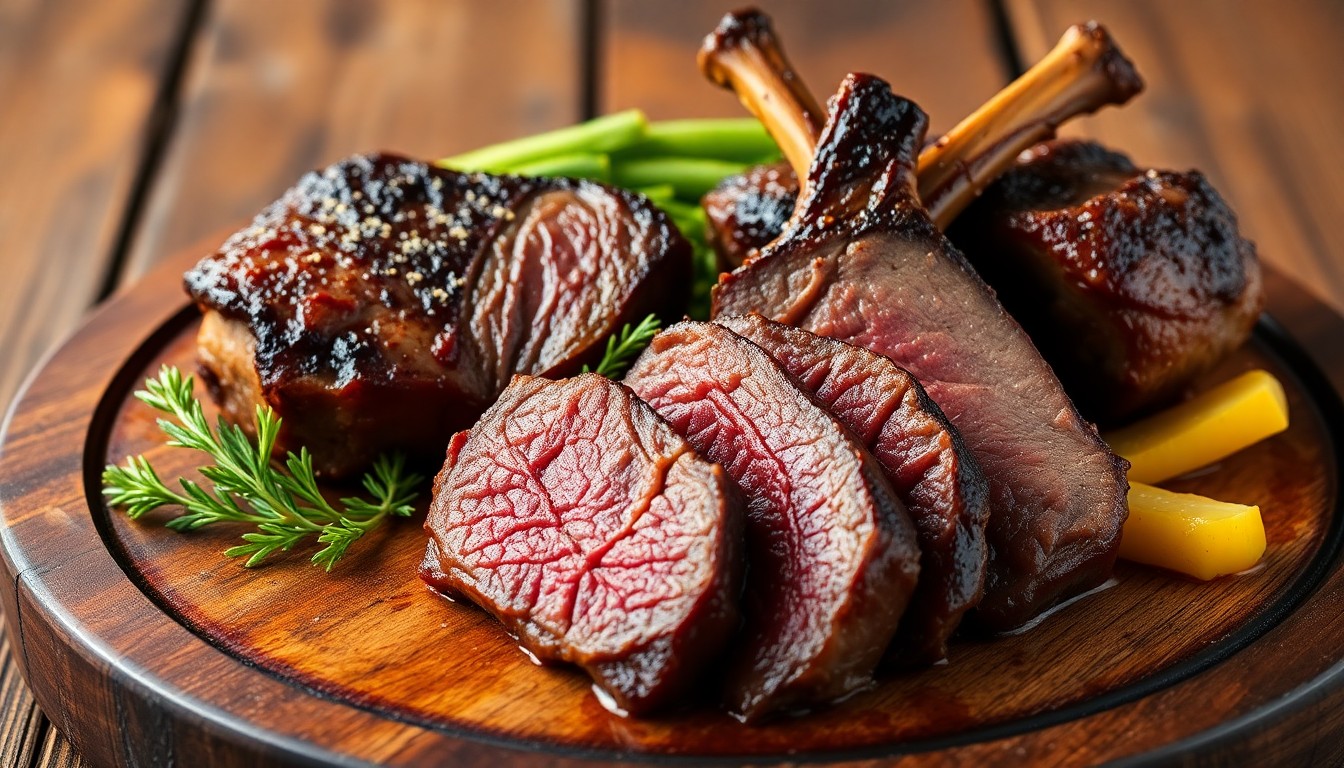
Here at Meat Only Living, we’re passionate about exploring the potential of the carnivore diet. This way of eating, focusing exclusively on animal products, has gained significant traction, with many proponents reporting remarkable improvements in their health and well-being. But is a meat-only diet right for everyone? Let’s delve into the details, examining the benefits, risks, and considerations to help you make an informed decision.
What is a Meat-Only (Carnivore) Diet?
Defining the Carnivore Diet
The carnivore diet is a strict elimination diet that centers solely on animal products. It’s a radical departure from conventional dietary guidelines, removing all plant-based foods.
- Explanation: Strict elimination diet, focusing solely on animal products.
- Allowed foods: All types of meat (beef, pork, lamb, poultry, game), fish, seafood, and sometimes Eggs and small amounts of certain dairy products (low-lactose).
- Foods to avoid: All plant-based foods (fruits, vegetables, grains, legumes, nuts, seeds).
Variations Within the Carnivore Diet
While the core principle remains the same, there are nuances within the carnivore community.
- “Nose-to-tail” eating: Emphasis on organ meats for maximized nutrition. This approach aims to utilize all parts of the animal, including nutrient-rich organs like liver, heart, and kidneys.
- Beef-only diets: The most restrictive form, focusing solely on beef and water.
- Inclusion of eggs and/or dairy: Some individuals tolerate eggs and/or small amounts of low-lactose dairy products like hard cheeses.
- Salt and water only vs. allowing spices: While some purists stick to just salt and water, others incorporate spices for flavor.
Potential Benefits of the Carnivore Diet
Weight Loss and Metabolic Health
Many people turn to the carnivore diet for weight loss and improved metabolic health.
- Mechanism: The diet induces Ketosis, a metabolic state where the body burns fat for fuel instead of carbohydrates. This is due to the drastic reduction in carbohydrate intake. Increased protein intake also promotes satiety, helping to reduce overall calorie consumption.
- Potential for improved insulin sensitivity and blood sugar control: By eliminating carbohydrates, the diet can significantly improve insulin sensitivity and stabilize blood sugar levels, particularly beneficial for individuals with insulin resistance or type 2 diabetes.
- Mentioning of studies (if available) on weight loss and metabolic markers on a meat-only diet: While long-term, large-scale studies on the carnivore diet are limited, some smaller studies and anecdotal reports suggest significant improvements in weight loss, blood sugar control, and other metabolic markers. Further research is needed to confirm these findings.
Reduced Inflammation and Autoimmune Conditions
The carnivore diet’s potential to reduce inflammation is another key area of interest.
- Elimination of potential inflammatory triggers: Many plant-based foods contain compounds that can trigger inflammation in susceptible individuals. Processed foods, with their additives and unhealthy fats, are also eliminated.
- Anecdotal reports of improvement in autoimmune symptoms: Numerous individuals with autoimmune conditions like Crohn’s disease, ulcerative colitis, and rheumatoid arthritis have reported significant symptom improvement on the carnivore diet.
- The role of gut health and the potential impact of the carnivore diet on the microbiome (both positive and negative aspects): The carnivore diet can impact the gut microbiome. While it may reduce inflammation by eliminating certain triggers, the lack of fiber can also alter the composition of gut bacteria. This is a complex area with both potential positive and negative aspects that require further investigation.
Improved Digestive Health (for some)
For individuals with specific digestive issues, the carnivore diet might offer relief.
- Elimination of fiber: While fiber is generally considered beneficial, some individuals with conditions like Irritable Bowel Syndrome (IBS) or Small Intestinal Bacterial Overgrowth (SIBO) may experience symptom improvement by eliminating fiber.
- Anecdotal evidence vs. scientific evidence – highlighting the need for more research: Many individuals report improved digestion on the carnivore diet, but more rigorous scientific research is needed to understand the mechanisms and long-term effects.
Mental Clarity and Cognitive Function
Some proponents claim enhanced mental clarity and cognitive function.
- Potential benefits of ketosis on brain function: Ketones, produced during ketosis, can serve as an alternative fuel source for the brain, potentially improving cognitive function in some individuals.
- Anecdotal claims of improved focus and reduced brain fog: Many carnivore dieters report experiencing improved focus, concentration, and a reduction in brain fog.
- Exploring the potential role of specific nutrients found in meat (e.g., B vitamins, iron): Meat is rich in essential nutrients like B vitamins and iron, which are crucial for brain health and cognitive function.
Simplicity and Ease of Meal Planning
The simplicity of the carnivore diet is a significant draw for some.
- Reduced decision fatigue associated with food choices: With a limited number of allowed foods, meal planning becomes much simpler.
- Streamlined grocery shopping and cooking: Grocery shopping is significantly streamlined, and cooking often involves simple methods like grilling or pan-frying.
Risks and Potential Downsides of the Carnivore Diet
Nutrient Deficiencies
One of the primary concerns with the carnivore diet is the potential for nutrient deficiencies.
- Lack of fiber and its impact on gut health and long-term health outcomes: Fiber is essential for gut health, promoting regular bowel movements and feeding beneficial gut bacteria. The long-term effects of a fiber-free diet are a significant concern.
- Potential deficiencies in vitamins and minerals commonly found in plants (e.g., Vitamin C, Vitamin K, folate, magnesium, potassium): Plants are rich sources of various vitamins and minerals. Eliminating them entirely can lead to deficiencies over time.
- The importance of organ meats in mitigating some deficiencies: Organ meats, particularly liver, are incredibly nutrient-dense and can help mitigate some deficiencies, especially Vitamin A and certain B vitamins.
- The need for careful planning and potential supplementation: Careful planning, including the consumption of a variety of meats and potentially organ meats, is crucial. Supplementation may be necessary to address specific deficiencies, under the guidance of a healthcare professional.
Cardiovascular Health Concerns
The high saturated fat and cholesterol content of the carnivore diet raises concerns about cardiovascular health.
- High intake of saturated fat and cholesterol – the ongoing debate about their impact on heart health: The relationship between saturated fat, cholesterol, and heart disease is complex and subject to ongoing debate. While some studies suggest a link, others show no significant association.
- Lack of plant-based antioxidants and their protective effects: Plants are rich in antioxidants, which protect against cellular damage and may reduce the risk of heart disease. The carnivore diet lacks these protective compounds.
- The need for long-term studies on the carnivore diet and cardiovascular outcomes: Long-term studies specifically investigating the impact of the carnivore diet on cardiovascular health are crucial to assess its safety.
Kidney Health
High protein intake can potentially strain the kidneys.
- Potential strain on kidneys due to high protein intake, especially for individuals with pre-existing kidney conditions: Individuals with pre-existing kidney conditions should be particularly cautious, as a high-protein diet can exacerbate kidney problems.
- Importance of adequate hydration: Adequate hydration is essential to help the kidneys process the byproducts of protein metabolism.
Gut Microbiome Alterations
The lack of fiber can significantly alter the gut microbiome.
- The potential for negative changes in the gut microbiome due to the lack of fiber and plant diversity: Fiber is a primary food source for beneficial gut bacteria. The lack of fiber on the carnivore diet can lead to a decrease in microbial diversity, which may have negative long-term consequences.
- Long-term implications of these changes: The long-term implications of these changes in the gut microbiome are not yet fully understood.
- The difference between short-term adaptation and long-term effects: The gut microbiome may adapt to a meat-only diet in the short term, but the long-term effects are still uncertain.
Social and Practical Challenges
The restrictive nature of the carnivore diet can present social and practical challenges.
- Difficulty eating out and attending social events: Finding suitable options at restaurants and social gatherings can be challenging.
- Limited food choices and potential for boredom: The limited food choices can lead to dietary boredom and make adherence difficult.
- The potential for disordered eating patterns: The restrictive nature of the diet could potentially trigger or exacerbate disordered eating patterns in susceptible individuals.
- Cost of high-quality meat: Sourcing high-quality, grass-fed, and pasture-raised meat can be expensive.
Environmental impact
- Sustainability of a meat-only diet for a large population: Raising livestock for a global population consuming a meat-only diet poses a significant environmental challenge.
- Ethical considerations regarding animal welfare: The ethical implications of a diet heavily reliant on animal products should also be considered.
Is the Carnivore Diet Right for You? Considerations and Precautions
Consulting with Healthcare Professionals
Prioritizing professional medical advice is paramount.
- The importance of speaking with a doctor or registered dietitian before starting a meat-only diet: It’s essential to consult with a healthcare professional before making such a drastic dietary change.
- Underlying health conditions that may make the diet unsuitable: Certain health conditions, such as kidney disease, may make the carnivore diet unsuitable.
- Monitoring blood work and other health markers: Regular blood work and monitoring of other health markers are crucial to track the diet’s impact on your body.
Starting Slowly and Listening to Your Body
A gradual transition is key to minimizing potential side effects.
- Gradual transition to the carnivore diet to minimize digestive upset: Start by gradually reducing plant-based foods and increasing meat intake to allow your body to adjust.
- Paying attention to any adverse symptoms or changes in health: Monitor your body closely for any negative symptoms, such as digestive issues, fatigue, or nutrient deficiencies.
- The importance of individual responses and variations: Everyone responds differently to dietary changes. What works for one person may not work for another.
Focusing on Food Quality
The quality of the meat you consume is crucial.
- Choosing grass-fed, pasture-raised, and wild-caught meat whenever possible for optimal nutrition: These meats tend to have a better nutrient profile than conventionally raised meats.
- Avoiding processed meats: Processed meats, like bacon and sausage, often contain additives and unhealthy ingredients.
- The “nose-to-tail” approach and the importance of organ meats: Incorporating organ meats, particularly liver, can help ensure you’re getting a wider range of nutrients.
Supplementation (if necessary)
Supplementation may be necessary to address potential deficiencies.
- Addressing potential nutrient deficiencies through careful supplementation, under the guidance of a healthcare professional: A healthcare professional can help you identify any potential deficiencies and recommend appropriate supplements.
- Specific supplements to consider (e.g., Vitamin C, electrolytes): Vitamin C and electrolytes are commonly considered for supplementation on the carnivore diet.
Long-term sustainability
- Discussing the carnivore diet being more of a therapeutic intervention than a forever diet: Many use the carnivore diet as a short-term elimination diet to address specific health issues, rather than a permanent lifestyle change.
- Addressing if this is a sustainable practice, both physically and mentally: Consider whether the diet is sustainable for you in the long term, both physically and mentally.
Conclusion
The carnivore diet offers potential benefits, including weight loss, reduced inflammation, improved digestive health (for some), and enhanced mental clarity. However, it also carries risks, primarily related to nutrient deficiencies, potential cardiovascular concerns, kidney health, alterations in the gut microbiome, and social challenges. It is crucial to emphasize that the carnivore diet is not a one-size-fits-all solution. Individual responses vary greatly, and long-term data is lacking. Thoroughly researching, consulting with healthcare professionals, and listening to your body are essential steps before embarking on this dietary journey.
Frequently Asked Questions
What about fiber? Isn’t it essential?
Fiber is generally considered essential for gut health and overall well-being. However, some individuals with specific digestive issues may experience symptom relief by eliminating fiber. The long-term effects of a fiber-free diet are still under investigation.
Can I get enough vitamins and minerals on a meat-only diet?
It’s challenging to obtain all necessary vitamins and minerals solely from muscle meat. Incorporating organ meats, particularly liver, is crucial for maximizing nutrition. Supplementation may also be necessary, under the guidance of a healthcare professional.
Is the carnivore diet safe for long-term use?
Long-term safety data on the carnivore diet is limited. While some individuals thrive on it for extended periods, others find it unsustainable or experience negative consequences. Regular monitoring of health markers and consultation with healthcare professionals are essential for long-term adherence.