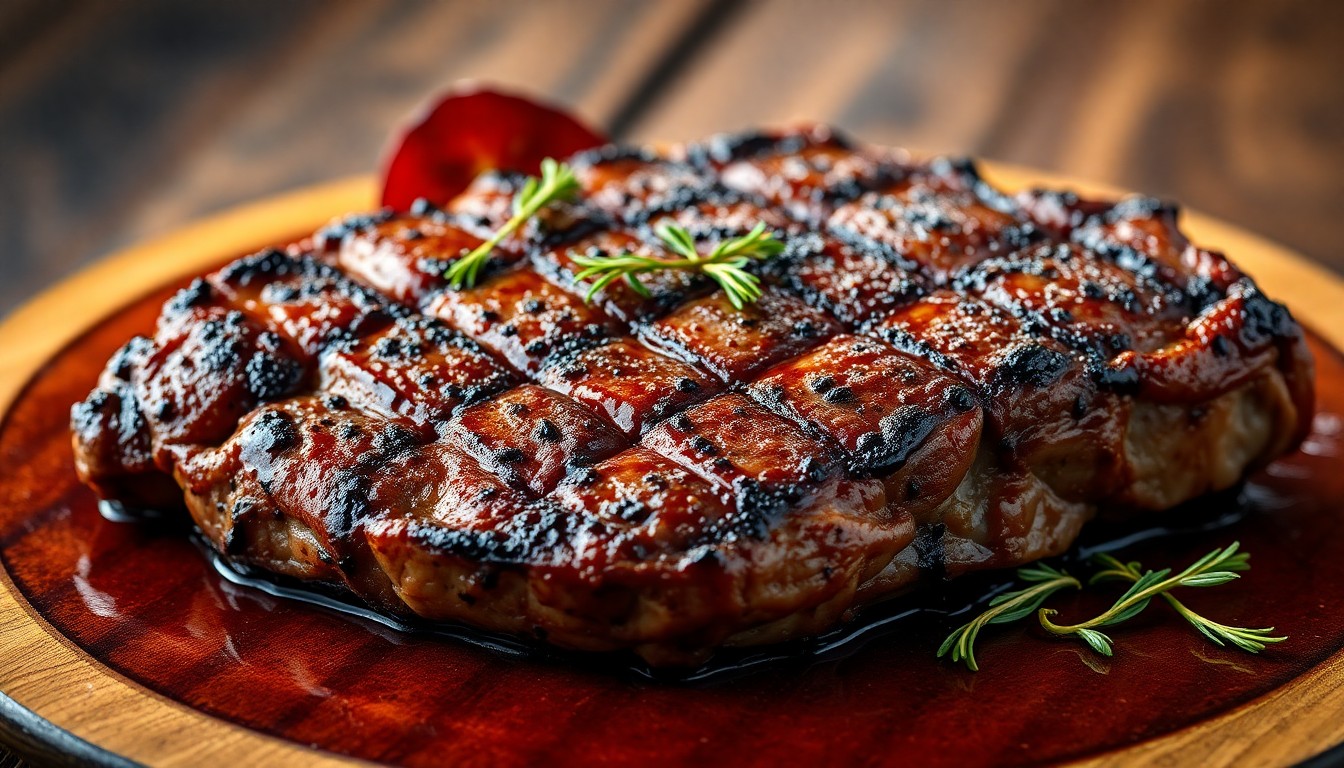
Beyond the Ribeye: Why Consider Organ Meats on a Carnivore Diet?
The Nutritional Powerhouse: Unveiling the Benefits of Organ Meats
Superior Nutrient Density Compared to Muscle Meat
The concept of Nutrient Dense foods revolves around maximizing the amount of beneficial nutrients you get per calorie consumed. It’s about choosing foods that pack a powerful punch of vitamins, minerals, and other essential compounds, rather than “empty calories.” On a carnivore diet, while Steak and other muscle meats are excellent sources of protein and certain nutrients, organ meats take nutrient density to a whole new level.
Let’s compare some common organ meats to a typical steak. A serving of beef liver, for example, dwarfs steak in terms of Vitamin A (retinol), multiple B vitamins (especially B12), copper, and iron. Beef kidney is exceptionally high in selenium, while beef heart is a fantastic source of CoQ10, a vital nutrient for energy production. Even when comparing gram for gram, the micronutrient profiles of liver, kidney, and heart consistently outperform steak in many key areas.
It’s also crucial to understand the superior bioavailability of nutrients in animal-based foods. The iron in liver, for example, is heme iron, which is far more readily absorbed and utilized by the body compared to the non-heme iron found in plant sources. Similarly, the Vitamin A in liver is in the form of retinol, the active form that our bodies can use directly, unlike beta-carotene from plants, which needs to be converted (and often inefficiently).
Addressing Common Carnivore Diet Deficiencies
While a muscle-meat-only carnivore diet can be incredibly beneficial for many, focusing solely on steak and ground beef can potentially lead to micronutrient gaps over time. Some individuals may find themselves low in certain vitamins or minerals if they aren’t incorporating a wider variety of animal products.
Organ meats are the perfect solution to fill these potential gaps. They provide a concentrated source of nutrients that might be lacking in a diet restricted to muscle meat. For instance, choline, crucial for liver and brain health, is abundant in liver. Folate, another essential B vitamin, is also found in significant amounts in liver. And minerals like copper, zinc, and selenium, often less abundant in muscle meat, are readily available in various organ meats.
Embracing Nose-to-Tail Eating: Sustainability and Respect
The Ethical Implications of Wasted Nutrients
In modern Western society, we’ve become accustomed to consuming only select cuts of meat, often discarding the rest. This practice contributes significantly to food waste and has a substantial environmental impact. Raising animals for food requires resources – land, water, and feed. When we only consume a small portion of the animal, we’re essentially wasting the resources that went into producing the parts we discard.
Nose-to-tail eating, a philosophy that encourages consuming all parts of the animal, is a more ethical and sustainable approach. It demonstrates respect for the animal’s life by ensuring that no part goes to waste. It also aligns with the principles of the carnivore diet, which emphasizes the nutritional value of animal products.
Cost-Effectiveness of Offal
Organ meats, often referred to as offal, are typically much more affordable than prime cuts like ribeye or sirloin. This makes them an excellent option for budget-conscious individuals following a carnivore diet. You can often find liver, heart, and kidney at significantly lower prices per pound, making it easier to incorporate these nutrient-dense foods into your regular meal plan.
You can find budget-friendly ways to include organ meats by checking out local butchers or farmers’ markets. Buying in bulk and freezing portions is also a great way to save money.
Overcoming the “Ick” Factor: Shifting Perceptions
Cultural Significance of Organ Meats
Throughout history and across various cultures, organ meats have been considered delicacies and essential components of a healthy diet. Many traditional cuisines feature dishes centered around liver, heart, kidney, and other offal. From haggis in Scotland to foie gras in France to anticuchos (grilled beef heart skewers) in Peru, organ meats have held a place of honor in culinary traditions worldwide. This historical consumption highlights the long-standing recognition of their nutritional value.
Addressing Common Concerns and Misconceptions
The most common barrier to trying organ meats is often the “ick” factor – a perceived unpleasantness related to taste, texture, or the idea of eating internal organs. However, many of these concerns are based on misconceptions or a lack of familiarity with proper preparation techniques.
The taste and texture of organ meats vary greatly depending on the specific organ and how it’s prepared. Heart, for instance, has a texture very similar to muscle meat and a mild flavor. Liver can have a strong, distinctive taste, but this can be significantly reduced by soaking it in milk or lemon juice before cooking. Proper sourcing is also crucial. Choosing organ meats from healthy, grass-fed animals will result in a better taste and higher nutritional value. There are no safety concerns when sourced properly, and in fact offer a significant boost to your overall nutrition.
Diving Deeper: Exploring Specific Organ Meats and Their Benefits
Liver: The Undisputed King of Superfoods
Nutritional Profile of Beef Liver (and other liver types)
Beef liver is a nutritional powerhouse, absolutely packed with vitamins and minerals. It’s exceptionally high in Vitamin A (retinol), B vitamins (including B12, riboflavin, folate, and niacin), iron, copper, and choline. Other animal livers, such as lamb and chicken liver, also offer similar, albeit slightly varying, nutrient profiles.
It’s important to note the difference between retinol (from animal sources) and beta-carotene (from plant sources). Retinol is the pre-formed, active form of Vitamin A that the body can readily use. Beta-carotene, on the other hand, needs to be converted into retinol, and this conversion process can be inefficient for many individuals.
Potential Benefits
Consuming liver can have noticeable benefits. Many people report improved energy levels, better skin health, and enhanced cognitive function. While we avoid making unsubstantiated medical claims, the sheer concentration of essential nutrients in liver strongly suggests its potential to support overall well-being.
Sourcing and Preparation Tips for Liver
Whenever possible, opt for liver from grass-fed and pasture-raised animals. This ensures a higher nutrient content and a cleaner product. If you’re concerned about the strong flavor of liver, soaking it in milk or lemon juice for several hours before cooking can significantly reduce the intensity. This helps to neutralize some of the strong-tasting compounds.
Heart: A Delicious and Accessible Option
Nutritional Profile: CoQ10, B Vitamins, Iron
Beef heart is an excellent source of Coenzyme Q10 (CoQ10), a vital nutrient for energy production within cells. It’s also rich in B vitamins, particularly B12, and provides a good amount of iron.
Texture and Taste: Similar to muscle meat
Unlike some other organ meats, beef heart has a texture very similar to steak. It’s relatively lean and has a mild, slightly gamey flavor that many people find quite palatable.
Easy Preparation Methods: Grilling, Searing, Stewing
Heart is incredibly versatile and easy to prepare. You can grill it, sear it in a pan, or add it to stews. It cooks quickly and can be treated much like any other cut of steak.
Kidney: A Mineral-Rich Delicacy
Nutritional Profile: Selenium, B Vitamins, Iron
Beef kidney is particularly rich in selenium, a trace mineral that plays a crucial role in thyroid function and antioxidant defense. It also provides a good source of B vitamins and iron.
Addressing the Unique Flavor Profile
Kidney has a more distinctive flavor than heart, which some people find strong. However, this can be effectively managed through proper preparation.
Soaking methods to remove the strong taste
Soaking kidney in milk, salted water, or water with lemon juice for several hours before cooking is highly recommended. This helps to remove any lingering “urine-like” taste and makes the flavor much milder.
Traditional Kidney Recipes
Many cultures have traditional kidney recipes. Steak and kidney pie is a classic British dish, while rognons de veau (veal kidneys) are a French delicacy. Exploring these traditional recipes can provide inspiration for incorporating kidney into your carnivore diet.
Other Organ Meats to Consider (Carnivore Recipes Focus)
Brain: High in DHA and other brain-supporting nutrients
Brain is incredibly rich in DHA, an omega-3 fatty acid crucial for brain health. However, sourcing brain safely can be challenging, and it’s essential to ensure it comes from healthy animals to minimize any potential risks. Discuss this with your supplier.
Sweetbreads (Thymus and Pancreas): Delicate flavor and texture
Sweetbreads, which are the thymus and pancreas glands, have a delicate flavor and a soft, creamy texture. They are considered a delicacy in many cuisines.
Bone Marrow: Rich in collagen and healthy fats
Bone marrow is a rich source of collagen, a protein that supports joint health and skin elasticity. It’s also packed with healthy fats. Roasted bone marrow is a simple and delicious carnivore treat.
Tripe: Unique texture and source of collagen
Tripe is the lining of the stomach. It has a unique, chewy texture and is a good source of collagen. While not for everyone, it’s a traditional food in many cultures.
Offal Recipes: Delicious and Easy Ways to Incorporate Organ Meats
Beginner-Friendly Carnivore Recipes
Liver Pate (Simple recipe with minimal ingredients)
Ingredients: 1 lb beef liver (soaked in milk for 2-3 hours), 4 oz butter, salt, pepper. Instructions: Sauté liver until cooked through. Blend liver and butter in a food processor until smooth. Season with salt and pepper. Chill for at least 2 hours before serving. This recipe focuses on a palatable texture and masks the strong liver flavor with the richness of butter.
Ground Beef and Liver Mix
A simple way to introduce liver is to mix it with ground beef. Start with a small ratio, such as 1/4 lb of ground liver to 1 lb of ground beef. You can gradually increase the amount of liver as you become accustomed to the taste. Use this mixture in any recipe that calls for ground beef, such as meatballs or meatloaf (without breadcrumbs, of course, for a carnivore version).
Pan-Seared Heart with Salt and Pepper
Beef heart is surprisingly easy to cook. Simply slice it into steaks, season generously with salt and pepper, and sear it in a hot pan with animal fat (tallow or lard) for a few minutes per side, just like you would a regular steak. This highlights the steak-like quality of the heart.
Intermediate Carnivore Recipes
Liver and Onions (Classic dish with a carnivore twist – no flour/breading)
Soak liver in milk. Slice onions and caramelize them slowly in butter or tallow until they are soft and golden brown. Push the onions to the side of the pan, add the liver, and cook until done to your liking. The sweetness of the caramelized onions complements the liver’s flavor.
Beef Heart Chili (Carnivore-friendly version, no beans)
Dice beef heart into small pieces. Brown the heart in a pot with animal fat. Add bone broth, salt, pepper, and your preferred chili spices (chili powder, cumin, etc., ensuring they are pure spices with no added sugars or fillers). Simmer until the heart is tender. This creates a hearty and flavorful chili without any beans.
Kidney Stew (adapted for a carnivore diet)
Soak kidneys thoroughly. Dice the kidneys and brown them in a pot with animal fat. Add bone broth, salt, pepper, and any desired carnivore-friendly seasonings. Simmer until the kidneys are tender. You can add other animal parts, like bone marrow, for extra flavor and nutrients.
Advanced Offal Recipes (For the Adventurous Carnivore)
Roasted Bone Marrow with Sea Salt
Preheat oven to 450°F (232°C). Place marrow bones cut-side up on a baking sheet. Sprinkle with sea salt. Roast for 15-20 minutes, or until the marrow is soft and bubbling. Scoop out the marrow and enjoy.
Grilled Sweetbreads with Rendered Animal Fat
Soak sweetbreads in cold water, changing the water several times. Blanch them in boiling water for a few minutes, then plunge them into ice water. Remove any membranes. Grill the sweetbreads over medium heat, basting with rendered animal fat, until cooked through and slightly crispy.
Considerations for preparing more challenging organ meats (brain, tripe)
Preparing brain and tripe requires more advanced techniques and careful sourcing. Ensure you obtain these from reputable sources that prioritize animal health and hygiene. Research specific preparation methods thoroughly before attempting to cook these organ meats.
Sourcing and Preparing Organ Meats Safely
Choosing High-Quality Organ Meats
Grass-Fed and Pasture-Raised is Ideal
Just like with muscle meat, sourcing organ meats from grass-fed and pasture-raised animals is crucial. These animals typically have a better nutrient profile and are raised in more humane and sustainable conditions.
Finding Reputable Butchers and Farmers
Develop relationships with local butchers and farmers. They can provide you with high-quality organ meats and answer any questions you have about sourcing and preparation. Farmers markets are excellent places to find local, pasture-raised options. Online sources specializing in grass-fed meats are also available.
Importance of Freshness and Proper Handling
Organ meats are more perishable than muscle meat, so freshness is paramount. Ensure the organ meats you purchase are fresh, have a good color, and have no off-putting odors. Handle them with care, just as you would any other raw meat, to prevent bacterial contamination.
Basic Preparation Techniques
Cleaning and Trimming
Some organ meats may require some cleaning and trimming before cooking. This might involve removing membranes or excess fat. Refer to specific instructions for the particular organ you’re preparing.
Soaking (Milk, Lemon Juice, Salt Water) – When and Why
Soaking is often recommended for liver and kidney to reduce strong flavors and remove any residual blood or urine. Milk, lemon juice, and salt water are all effective soaking agents. The soaking time can vary from a few hours to overnight.
Cooking Methods: Grilling, Searing, Braising, Stewing
Organ meats can be cooked using various methods. Grilling and searing are great for heart and liver, while braising and stewing are suitable for tougher cuts like kidney and tripe.
Storing Leftovers Safely
Cooked organ meats should be stored in the refrigerator and consumed within a few days, just like any other cooked meat.
Addressing Potential Concerns
Vitamin A Toxicity
Liver is extremely high in Vitamin A, and while Vitamin A is essential, excessive intake can be toxic. It’s generally recommended to consume liver in moderation, perhaps a few ounces a couple of times per week, rather than large amounts daily. Listen to your body and adjust your intake accordingly.
Purine Content and Gout
Organ meats are relatively high in purines, which can be a concern for individuals with gout or a predisposition to gout. If you have gout, consult with your doctor or a registered dietitian before incorporating significant amounts of organ meats into your diet.
Cholesterol
Organ meats, particularly liver, are high in cholesterol. However, on a carnivore diet, dietary cholesterol is generally less of a concern than in a diet high in processed carbohydrates. The body tightly regulates cholesterol production, and dietary cholesterol has a minimal impact on blood cholesterol levels for most people. However, if you have concerns about cholesterol, discuss them with your healthcare provider.
Frequently Asked Questions
1. Are organ meats essential on a carnivore diet?
While not strictly essential, organ meats significantly enhance the nutritional profile of a carnivore diet. They provide a concentrated source of vitamins, minerals, and other compounds that may be less abundant in muscle meat alone. Incorporating organ meats helps ensure you’re getting a wider range of nutrients and maximizing the benefits of the animal-based approach.
2. How often should I eat organ meats?
Start slowly and listen to your body. A few ounces of liver a couple of times per week is a good starting point for many people. You can adjust the frequency and amount based on your individual needs and preferences. Other organ meats, like heart, can be consumed more frequently as they have a nutrient profile closer to muscle meat.
3. I really can’t stand the taste of liver. What can I do?
There are several strategies to make liver more palatable. Soaking it in milk or lemon juice is crucial. Mixing ground liver with ground beef is another excellent option, as the ground beef masks the liver’s flavor. Experiment with different recipes, such as liver pate, to find preparations you enjoy. Start with small amounts and gradually increase your intake as you become accustomed to the taste.
Conclusion
The carnivore diet offers a powerful path to improved health and well-being by focusing on nutrient-dense, animal-based foods. While steaks and other muscle meats are excellent sources of protein, incorporating organ meats elevates the diet to a new level. Organ Meats provide a wealth of vitamins, minerals, and unique compounds like CoQ10, often in forms far more bioavailable than those found in plant sources. Embracing nose-to-tail eating is not only nutritionally beneficial but also ethically responsible and cost-effective. By exploring offal recipes and learning proper preparation techniques, you can overcome any initial hesitancy and unlock the incredible nutritional power of these often-overlooked superfoods. The carnivore diet, when approached with a focus on variety and whole-animal utilization, provides a sustainable and deeply nourishing way of eating.