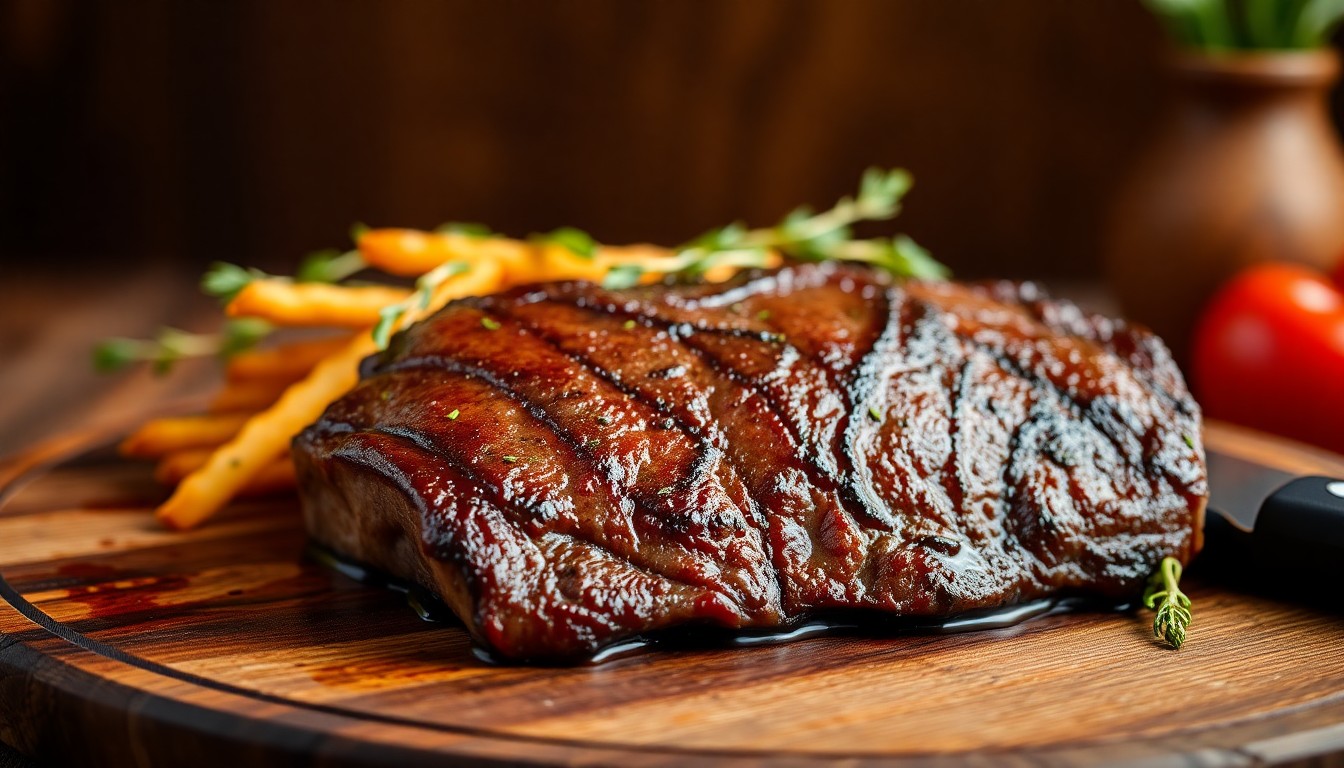
Introduction to the All-Meat Diet (Brief Overview)
What is an All-Meat Diet?
The Carnivore Diet, also known as an All-Meat Diet, is precisely what it sounds like: a diet consisting exclusively of animal products. This Meat-Based Diet approach eliminates all plant-based foods, including fruits, vegetables, grains, legumes, nuts, and seeds. It’s a radical departure from conventional dietary guidelines, focusing solely on the consumption of meat, fish, poultry, and sometimes eggs and certain dairy products.
It is distinct from other low-carb diets like Keto and Paleo. While Keto restricts carbohydrates, it still allows for non-starchy vegetables, nuts, and seeds. Paleo focuses on whole, unprocessed foods that were theoretically available to our Paleolithic ancestors, including fruits, vegetables, and nuts. The Carnivore Diet is far more restrictive, removing all plant matter.
It is worth mentioning that some minor variations of the diet allow very limited non-meat items, such as salt, pepper, and other zero-carb spices for flavoring.
Why Consider an All-Meat Diet?
People are drawn to the All-Meat Diet for a variety of reasons, often seeking solutions to health issues that haven’t responded to conventional approaches. Some of the potential benefits include significant Weight Loss, improved Energy Levels, and other purported health advantages, such as reduced inflammation and improved mental clarity. We’ll delve into these potential benefits in more detail below.
The Science Behind the Carnivore Diet (Physiological Mechanisms)
Ketosis and Fat Adaptation
The primary metabolic shift that occurs on the Carnivore Diet is Ketosis. When you eliminate carbohydrates, your body’s primary fuel source (glucose) is depleted. This forces your liver to start producing ketones from fatty acids, which are then used as an alternative energy source. This process is known as fat adaptation, where your body becomes incredibly efficient at burning fat for fuel.
The absence of carbohydrates is the key driver of this metabolic shift. By consuming only Animal Protein and fat, the body has no choice but to rely on stored body fat and dietary fat for energy. Animal Protein plays a crucial role in maintaining muscle mass during Ketosis, preventing the body from breaking down muscle tissue for energy.
The Role of Animal Protein and Nutrients
Meat is incredibly nutrient-dense, and the nutrients are often more bioavailable than those found in plant-based foods. This means your body can absorb and utilize them more efficiently. Red meat, for example, is an excellent source of iron, zinc, B vitamins, and creatine.
Addressing concerns about nutrient deficiencies is essential. While muscle meat is nutritious, incorporating organ meats, such as liver, kidney, and heart, significantly boosts the nutrient profile. Liver, in particular, is a nutritional powerhouse, packed with Vitamin A, Vitamin B12, iron, and other essential nutrients. Supplementation might be considered in some cases, but it should always be done under the guidance of a healthcare professional.
Elimination of Potential Irritants
The All-Meat Diet inherently eliminates many foods that commonly cause digestive issues and sensitivities. Grains, legumes, and processed foods, which often contain gluten, lectins, and other potentially irritating compounds, are completely removed. This can lead to simplified digestion for some individuals, as the digestive system only needs to process animal products.
Hormonal Changes and Impact
The Carnivore Diet can significantly impact hormone levels, particularly insulin. By eliminating carbohydrates, blood sugar levels stabilize, and insulin sensitivity often improves. This can be particularly beneficial for individuals with insulin resistance or type 2 diabetes (although medical supervision is crucial). There’s also anecdotal evidence suggesting potential positive effects on other hormones, such as testosterone and thyroid hormones, but more research is needed in these areas.
Weight Loss on the Carnivore Diet
Mechanisms of Weight Loss
Weight Loss is a common outcome for many people on the Carnivore Diet. Several factors contribute to this:
- Appetite Suppression: High protein and fat intake are highly satiating, meaning they make you feel full and satisfied for longer periods.
- Increased Satiety and Reduced Cravings: This feeling of fullness naturally leads to reduced calorie intake and fewer cravings for sugary or processed foods.
- The Thermic Effect of Protein: Protein has a higher thermic effect than carbohydrates or fat, meaning your body burns more calories digesting it.
Real-World Examples and Anecdotal Evidence
Many individuals have shared their personal stories of significant Weight Loss and improved body composition on the Carnivore Diet. While anecdotal evidence isn’t scientific proof, the sheer volume of positive testimonials suggests that this diet can be effective for weight management for some people. (It is important, when citing real-world examples, to ensure they are ethically sourced and presented appropriately, respecting privacy and avoiding unsubstantiated claims.)
Managing Expectations and Sustainable Weight Loss
It’s important to approach the Carnivore Diet with realistic expectations. While some people experience rapid initial Weight Loss, this is often due to water weight and glycogen depletion. Sustainable Weight Loss takes time and consistency. Gradual adaptation to the diet may be easier for some than an abrupt change. Long-term sustainability is a key consideration, and individuals should assess whether this way of eating fits their lifestyle and preferences.
Energy Levels and the Carnivore Diet
The Transition Period (Keto Flu)
The initial transition to a Carnivore Diet can sometimes be accompanied by a period of adjustment known as the “keto flu.” This is characterized by symptoms like fatigue, headaches, and muscle cramps. These symptoms are primarily due to electrolyte imbalances (sodium, potassium, magnesium) and the body’s shift from burning glucose to ketones. Staying well-hydrated and ensuring adequate electrolyte intake, especially sodium, can help mitigate these effects.
Sustained Energy Levels after Adaptation
Once the body has adapted to using ketones for fuel, many people report experiencing sustained and stable Energy Levels. This is largely due to the elimination of carbohydrate-induced blood sugar fluctuations. Reduced energy crashes and improved mental clarity are commonly reported benefits.
Energy for Physical Activity
The Carnivore Diet can support physical activity, even at high levels. While some adjustments may be needed, particularly for endurance athletes, many individuals find that they can maintain and even improve their performance on a Meat-Based Diet. Considerations for athletes include ensuring adequate calorie intake and potentially adjusting the timing of meals around workouts.
Other Potential Benefits (Beyond Weight Loss and Energy)
Potential Improvements in Skin Health
Some individuals report improvements in skin conditions like acne and eczema on the Carnivore Diet. This may be due to the elimination of inflammatory foods and the increased intake of nutrients that support skin health, such as zinc and collagen.
Potential Reduction in Inflammation
The Carnivore Diet eliminates many foods known to contribute to inflammation, such as processed foods, refined sugars, and vegetable oils. This can potentially lead to a reduction in overall inflammation in the body. Some individuals with autoimmune conditions have reported improvements in their symptoms, although it’s crucial to emphasize that more research is needed, and this diet shouldn’t replace conventional medical treatment.
Mental Clarity and Focus
Many people report experiencing enhanced mental clarity and focus on the Carnivore Diet. This may be related to stable blood sugar levels, the production of ketone bodies (which can be used as fuel by the brain), and the elimination of potential dietary triggers for brain fog.
Digestive Simplicity
For some, the simplicity of food choices is a benefit in itself. Knowing that meals will only ever consist of animal products can reduce decision fatigue and simplify meal planning and cooking.
Potential Risks and Considerations
Nutritional Deficiencies (Long-Term)
One of the main concerns with the Carnivore Diet is the potential for long-term nutritional deficiencies. While muscle meat is nutritious, relying solely on it may not provide all the vitamins and minerals the body needs. Incorporating organ meats, as mentioned earlier, is crucial to mitigate this risk. Supplementation may be necessary for some individuals, but it should always be done under the guidance of a healthcare professional.
Gut Microbiome Changes
The Carnivore Diet drastically alters the gut microbiome due to the elimination of fiber. Fiber is the primary food source for beneficial gut bacteria. The long-term effects of this change are not fully understood, and more research is needed. Some individuals may experience digestive issues, while others may not notice any significant changes.
Sustainability and Environmental Impact
The environmental impact of a meat-heavy diet is a valid concern. Choosing ethically sourced, grass-fed meat whenever possible can help mitigate some of these concerns. It’s important to be mindful of the environmental footprint of your food choices.
Social and Practical Challenges
The Carnivore Diet can be challenging to maintain in social situations, as it deviates significantly from typical dietary norms. Meal planning and preparation can also require more effort, especially when eating out.
Electrolyte Management
As mentioned above, paying attention to electrolyte balance, and ensuring adequate salt intake is crucial on the Carnivore Diet. This is to avoid dehydration and the associated “keto flu.”
Kidney Health
For individuals with pre-existing kidney problems, a high-protein diet may pose risks. However, for healthy individuals, there is limited evidence to suggest that a high-protein diet causes kidney damage. It is still wise to consult a doctor before starting.
Getting Started with the Carnivore Diet
Gradual Transition vs. Cold Turkey
There are two main approaches to starting the Carnivore Diet: gradual transition or going “cold turkey.” A gradual transition involves slowly reducing carbohydrate intake and increasing meat consumption over time. Going cold turkey means eliminating all plant-based foods immediately. The best approach depends on individual preferences and tolerance.
Choosing Quality Meats
The quality of the meat you consume is important. Grass-fed meat is generally considered to be more nutritious than grain-fed meat, with a higher content of omega-3 fatty acids and certain vitamins. Sourcing and budget considerations will play a role in your choices.
Meal Planning and Recipes (Basic Examples)
Meal planning on the Carnivore Diet is relatively straightforward. Simple meal ideas for beginners include:
- Steak and eggs
- Ground beef with salt
- Roasted chicken
- Salmon with butter
- Lamb chops
Monitoring and Adjusting
It’s important to monitor your progress and listen to your body. Track how you feel, your energy levels, and any other relevant metrics. Be prepared to make adjustments to your diet as needed. Seeking professional guidance from a doctor or nutritionist familiar with the Carnivore Diet is highly recommended.
Hydration and Salt Intake
Drink plenty of water, and do not be afraid of salt. You will likely need more salt than you are used to, due to the lack of processed foods, and the diuretic effect of a low-carb diet.
Who Should (and Shouldn’t) Consider the Carnivore Diet?
Suitable Candidates
The carnivore diet might be suitable for those who have tried other diets without success, those with digestive issues, or those looking for a very simple, elimination-style diet.
People to consult a physician before considering the All-Meat Diet
Anyone with a pre-existing health condition, particularly kidney issues, diabetes, or heart disease, should absolutely consult their doctor before starting. Pregnant and breastfeeding women should also seek medical advice.
Those who should avoid, due to existing health issues.
Those with severe kidney disease, or certain rare metabolic disorders, should likely avoid the carnivore diet entirely, unless under very close medical supervision.
Frequently Asked Questions
Q: Will I be deficient in vitamins and minerals on an all-meat diet?
A: It’s possible, but you can minimize the risk by incorporating organ meats (especially liver) into your diet. These are incredibly nutrient-dense and provide many of the vitamins and minerals that might be lacking in muscle meat alone. Supplementation may be considered in some cases, but always consult with a healthcare professional.
Q: Is the carnivore diet safe for long-term health?
A: The long-term effects of the carnivore diet are still being researched. While many people report positive experiences, it’s crucial to be aware of the potential risks, such as nutrient deficiencies and changes in gut health. Regular monitoring and professional guidance are essential.
Q: Can I eat any fruits or vegetables on the carnivore diet?
A: No, the traditional carnivore diet strictly excludes all plant-based foods, including fruits and vegetables. This is what distinguishes it from other low-carb diets like keto or paleo.
Conclusion
The Carnivore Diet offers a unique approach to eating, with potential benefits for Weight Loss, Energy Levels, and other aspects of health. The shift to Ketosis, fueled by Animal Protein, can lead to significant changes in body composition and metabolic function. While the elimination of plant-based foods may seem extreme, it can lead to simplified digestion and the removal of potential dietary irritants for some individuals. However, it’s crucial to be aware of the potential risks and considerations, including nutrient deficiencies and the need for careful monitoring. As with any significant dietary change, consulting with a healthcare professional is highly recommended before embarking on the All-Meat Diet journey.