Understanding the Carnivore Diet and Its Appeal
What is the Carnivore Diet?
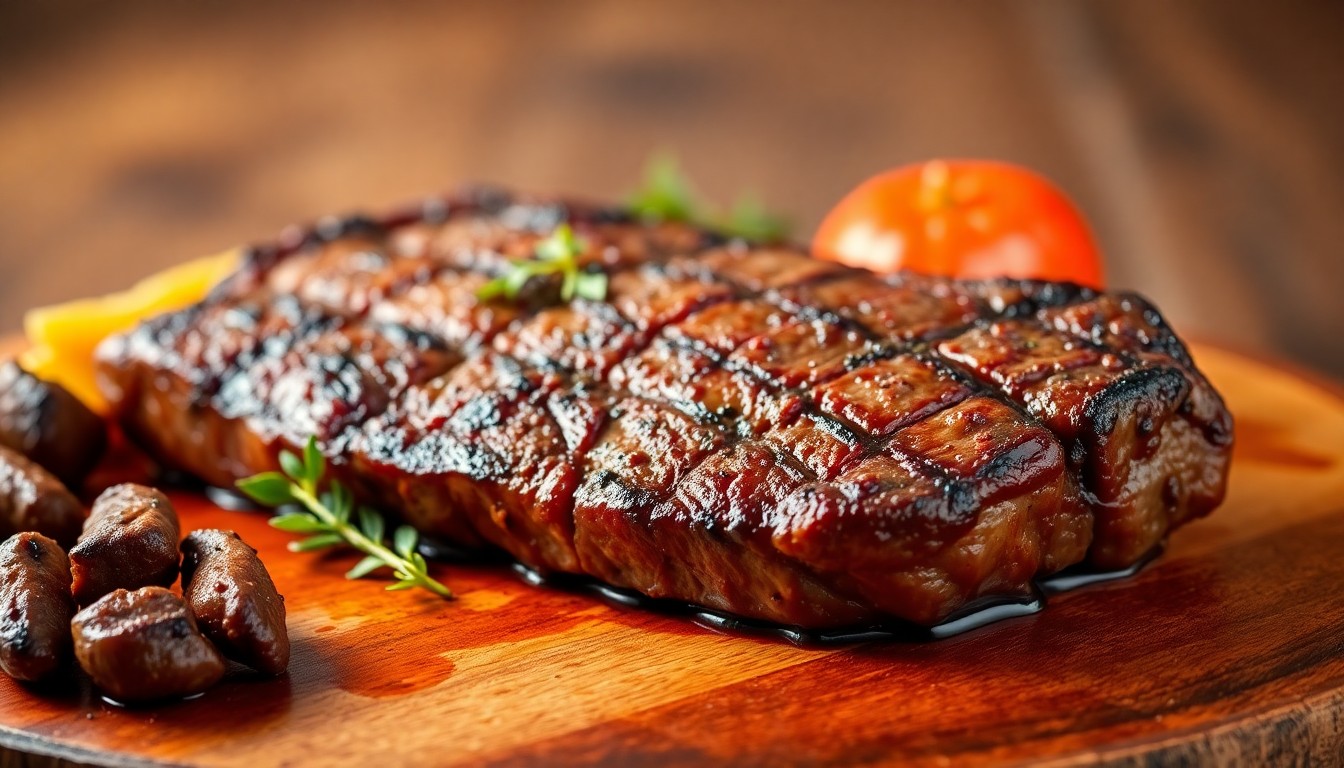
The carnivore diet, at its core, is an animal-based diet. It’s a way of eating that focuses exclusively on animal products, eliminating all plant-based foods. This means saying goodbye to fruits, vegetables, grains, legumes, nuts, and seeds. The principle is simple: if it comes from an animal, it’s on the menu; if it doesn’t, it’s not.
There are variations within the carnivore diet. Some individuals include dairy products like cheese and heavy cream, while others opt for a stricter approach, consuming only Meat and water. Eggs are generally accepted, and some even incorporate small amounts of honey. The key is finding what works best for your body and your goals.
Why Choose a Carnivore Diet?
Many people are drawn to the carnivore diet for its potential benefits. These often include weight loss, improved digestion (especially for those with sensitivities to plant-based foods), and reduced inflammation. The high-protein meals characteristic of this diet promote satiety, helping to control appetite and cravings.
It’s important to address common misconceptions. Concerns about nutritional deficiencies are often raised, but proponents argue that a well-planned carnivore diet, including organ meats, can provide all the necessary nutrients. Sustainability is another concern, and choosing ethically sourced, pasture-raised meats is crucial for those who prioritize this aspect.
Is it Right for You? (A Quick Disclaimer)
Before embarking on any significant dietary change, it’s essential to consult a healthcare professional. The carnivore diet is not a one-size-fits-all solution, and individual needs and responses can vary greatly. Your doctor can help you assess whether it’s appropriate for your specific health situation and guide you in making informed decisions.
Beyond the Basics: Expanding Your Carnivore Diet Recipes
Branching Out from Steak: Exploring Different Cuts of Meat
While steak is a carnivore staple, variety is key, both for enjoyment and for ensuring a wider range of nutrients. Eating different cuts of meat offers different flavor profiles and textures, keeping your meals interesting and providing your body with diverse high-protein meals.
Beef Options Beyond Steak
- Ground beef is incredibly versatile and perfect for easy carnivore meals. It can be used in burgers, meatballs, or simply cooked and seasoned.
- Roasts like chuck roast and brisket become incredibly tender when slow-cooked, providing a satisfying and flavorful meal.
- Organ meats, such as liver, heart, and kidneys, are nutritional powerhouses, packed with vitamins and minerals.
Pork Possibilities
- Pork chops and tenderloin are lean and flavorful options.
- Pork belly and bacon can be enjoyed in moderation, but prioritize high-quality, uncured varieties.
- Ground pork and sausage can be used similarly to ground beef, but always check labels for added sugars and fillers.
Poultry Power
- Chicken is a versatile option, and you can utilize the whole chicken, thighs, drumsticks, or wings.
- Turkey, especially ground turkey and turkey breast, provides a leaner alternative.
- Duck and other poultry options offer unique flavors and textures.
Lamb and Other Red Meats
- Lamb Chops and Leg of Lamb are flavorful and rich in nutrients.
- Venison, Bison and other game meats are great options, often leaner than beef.
The Bounty of the Sea: Incorporating Seafood
Don’t forget the ocean! Seafood is a fantastic addition to your carnivore diet recipes, providing essential nutrients and healthy fats.
- Salmon, tuna, cod, and mackerel are excellent sources of omega-3 fatty acids.
- Shellfish like shrimp, crab, and lobster offer a delicious and decadent treat.
Don’t Forget the Eggs!
Eggs are incredibly versatile and nutritionally dense. They can be fried, scrambled, boiled, or incorporated into other dishes.
Delicious Carnivore Diet Recipes to Get You Started
Breakfast Meat Recipes
Scrambled Eggs with Ground Beef and Cheese (if dairy is included)
This is a simple and easy carnivore breakfast. Just brown some ground beef, add eggs, scramble, and top with cheese if you include dairy in your diet.
Bacon and Eggs – The Classic
A timeless combination. Cook bacon to your desired crispness (consider baking it for even cooking) and fry or scramble your eggs.
Steak and Eggs
A hearty and satisfying breakfast to power you through the morning.
Lunch and Dinner Carnivore Diet Recipes
Slow Cooker Beef Roast with Bone Broth
This is perfect for carnivore meal prep. Simply season a beef roast (chuck roast is ideal) with salt and pepper, place it in a slow cooker, and cover it with bone broth. Cook on low for 8-10 hours, or until tender. Bone broth adds extra nutrients and flavor.
Pan-Seared Salmon with Butter
A quick and easy carnivore dinner. Season salmon fillets with salt and pepper, and sear in a hot pan with butter until cooked through.
Ground Beef and Liver Patties
A great way to incorporate organ meats. Mix ground beef with finely chopped or ground liver (start with a small amount of liver if you’re new to it). Form into patties and cook in a pan or on a grill.
Roasted Chicken with Salt and Pepper
Carnivore cooking at its simplest. Season a whole chicken with salt and pepper, and roast in the oven until cooked through. You can use the leftover chicken for multiple meals.
Pork Belly Bites
Cut pork belly into bite-sized pieces, season, and roast or air fry until crispy.
Snacks (if applicable on your plan)
Beef Jerky (homemade or checking labels for added sugars)
Hard-Boiled Eggs
Pork Rinds (checking for additives)
Carnivore Meal Prep: Strategies for Success
Why Meal Prep is Crucial on a Carnivore Diet
Meal prepping is essential for staying consistent on the carnivore diet. It helps you:
- Ensure you always have animal-based diet-compliant meals readily available.
- Save time and money by cooking in bulk.
- Avoid temptations and impulsive food choices that might derail your progress.
Planning Your Carnivore Meal Prep
- Create a weekly meal plan: Decide what you’ll eat for each meal.
- Make a shopping list: Focus on buying meat in bulk to save money.
- Choose easy carnivore recipes: Opt for recipes that are simple to prepare and store well.
Batch Cooking Techniques
- Roast large cuts of meat: A whole chicken or a large beef roast can provide multiple meals.
- Use a slow cooker or Instant Pot: These appliances are perfect for making tender and flavorful meat dishes.
- Ground beef preparation: Cook a large batch of ground beef and portion it out for different meals.
Storage and Reheating
- Use proper food storage containers: Glass containers are generally preferred over plastic for storing cooked meat.
- Reheat safely: Ensure meat is heated to a safe internal temperature before consuming.
- Freeze cooked meat: For longer storage, freeze portions of cooked meat in freezer-safe containers or bags.
Building Your Own Carnivore Meal Prep Routine.
- Start small, perhaps one or two meals at a time, then increase the amount you prep as you become more comfortable.
- Find a routine that fits into your schedule. Dedicate a specific day or time each week to meal prepping.
Mastering Carnivore Cooking: Essential Tips and Techniques
Seasoning Strategies: Keeping it Simple
- Salt and pepper are the go-to seasonings for most carnivore dieters.
- If tolerated, you can experiment with other spices in moderation, but start slowly.
- Invest in high-quality salt, such as sea salt or Himalayan pink salt.
Cooking Methods for Optimal Flavor and Texture
- Pan-searing, grilling, roasting, slow cooking, and sous vide are all excellent methods for cooking meat.
- Learn the correct internal temperatures for different cuts of meat to ensure they are cooked to your preference.
Utilizing Fats for Flavor and Satiety
- Embrace animal fats like tallow, lard, and butter for cooking.
- Learn how to render fat from meat trimmings.
- Avoid seed oils, which are not part of the carnivore diet.
Bone Broth: A Carnivore Staple
- Making your own bone broth is surprisingly easy. Simply simmer bones (beef, chicken, etc.) in water with a bit of salt for an extended period (12-48 hours).
- Bone broth is rich in nutrients and collagen, and it’s a great addition to soups, stews, or simply enjoyed on its own.
Frequently Asked Questions
Q: Won’t I be deficient in vitamins and minerals on a carnivore diet?
A: A well-planned carnivore diet, especially one that includes organ meats, can provide a wide range of essential nutrients. Liver, for example, is incredibly nutrient-dense. However, it’s always best to consult with a healthcare professional or registered dietitian to ensure you’re meeting your individual needs.
Q: Is the carnivore diet sustainable?
A: The sustainability of the carnivore diet is a complex issue. Sourcing meat from ethical and sustainable farms that practice regenerative agriculture is crucial. Choosing grass-fed and pasture-raised animals whenever possible can help minimize the environmental impact.
Q: How do I deal with cravings for plant-based foods?
A: Cravings can be challenging, especially in the initial stages of transitioning to a carnivore diet. Ensuring you’re eating enough fat and protein to stay satiated is key. Some people find that electrolyte supplementation helps with cravings. Over time, many individuals report that their cravings for plant-based foods diminish significantly.
Conclusion
The carnivore diet offers a unique approach to eating, focusing on the nutrient density and potential benefits of an animal-based diet. By exploring a variety of meat recipes, embracing carnivore meal prep strategies, and understanding the principles of carnivore cooking, you can create delicious and satisfying high-protein meals. Remember to prioritize quality ingredients, listen to your body, and consult with a healthcare professional to determine if this way of eating is right for you. The potential benefits, including improved digestion, weight management, and reduced inflammation, make it a compelling option for many seeking a simpler, more focused approach to nutrition.