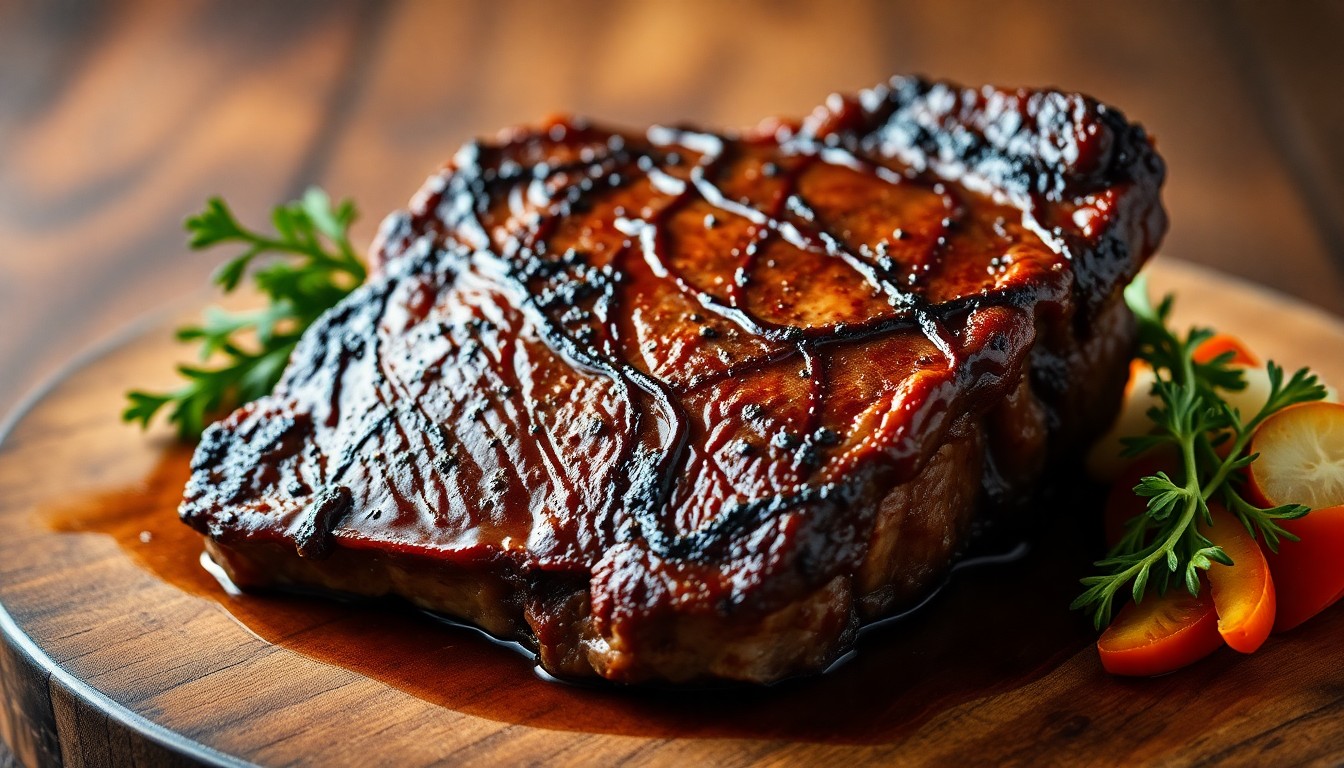
What is the Carnivore Diet? Cracking the Carnivore Code
Defining the Carnivore Diet: A Meat-Based Diet Exclusive
The carnivore diet is, at its core, remarkably simple: it involves eating exclusively animal products and eliminating all plant-based foods. This means focusing on animal protein and fat as your primary sources of fuel.
- Foods Included: This includes a variety of meats such as beef, pork, lamb, poultry, and game. Fish and seafood are also welcome, along with eggs. Some variations of the carnivore diet include dairy products like cheese and heavy cream, while others exclude them.
- Foods Excluded: All plant-based foods are excluded. This means no fruits, vegetables, grains, legumes, nuts, or seeds.
The Philosophy Behind the Carnivore Code: Back to Basics
The carnivore diet is often viewed as a return to a more ancestral way of eating. The core arguments include:
- Ancestral Eating: Proponents suggest that for a significant portion of human history, our ancestors thrived on a diet primarily consisting of animal products. The agricultural revolution, which introduced grains and other plant-based staples, is a relatively recent development in our evolutionary timeline.
- Eliminating Plant Toxins and Antinutrients: Plants contain various compounds that can act as defense mechanisms against predators. Some of these, like lectins, phytates, and oxalates, are considered antinutrients, potentially interfering with nutrient absorption and causing digestive issues in some individuals.
- Focus on Animal Protein and Fat: The carnivore diet prioritizes nutrient-dense animal protein and fat, providing essential amino acids, fatty acids, vitamins, and minerals.
Why Choose a Carnivore Diet? Potential Benefits
Weight Management and Body Composition
Many individuals turn to the carnivore diet for its potential weight management benefits:
- Increased Satiety: Protein and fat are highly satiating, meaning they help you feel full and satisfied for longer periods. This can lead to a natural reduction in calorie intake.
- Potential for Ketosis and Fat Burning: By drastically reducing carbohydrate intake, the carnivore diet can induce a state of ketosis, where the body switches from burning glucose for fuel to burning fat.
- Anecdotal Evidence: Numerous anecdotal reports suggest significant weight loss and improved body composition (increased muscle mass, reduced body fat) on the carnivore diet.
Improved Digestive Health: A Break for Your Gut
The carnivore diet may offer relief for individuals with digestive issues:
- Elimination of Common Gut Irritants: Fiber, while often touted as beneficial, can be problematic for some individuals. The carnivore diet eliminates fiber, along with other potential irritants like FODMAPs (fermentable oligosaccharides, disaccharides, monosaccharides, and polyols).
- Anecdotal Reports: Many people report a significant reduction in bloating, gas, and other digestive discomforts after switching to a carnivore diet.
- Potential for Healing Leaky Gut: While more research is needed, some proponents suggest that eliminating inflammatory foods can contribute to healing a “leaky gut,” a condition where the gut lining becomes more permeable. (Disclaimer: This is a complex area, and further research is necessary.)
Mental Clarity and Enhanced Energy Levels
Stable blood sugar and ketones may contribute to improved mental function:
- Stable Blood Sugar Levels: The absence of carbohydrates in the carnivore diet eliminates the blood sugar spikes and crashes associated with carbohydrate consumption.
- Potential Benefits of Ketones: Ketones, produced during ketosis, are an alternative fuel source for the brain and may have cognitive benefits.
- Anecdotal Reports: Many individuals on the carnivore diet report experiencing improved focus, mental clarity, and sustained energy levels throughout the day.
Autoimmune Conditions and Inflammation: A Potential Relief?
The elimination of potential inflammatory triggers is a key aspect:
- Elimination of Potential Inflammatory Triggers: Certain plant compounds can contribute to inflammation in susceptible individuals. The carnivore diet eliminates these potential triggers.
- Anecdotal Evidence: There are numerous anecdotal reports of individuals with autoimmune conditions experiencing improvements in their symptoms on the carnivore diet. (Disclaimer: It’s crucial to consult with a doctor before making any dietary changes for autoimmune conditions, as more research is needed in this area.)
Addressing Common Nutritional Concerns
Getting Enough Vitamins
- Organ meats (liver, kidney, heart) are incredibly nutrient-dense and packed with vitamins, especially B vitamins, vitamin A, and vitamin K2.
- Egg yolks are a good source of choline, vitamin D, and other essential nutrients.
- Fatty fish provides vitamin D.
Getting Enough Minerals
- Bone broth is an excellent source of minerals, including calcium, magnesium, and phosphorus.
- Muscle Meat provides essential minerals like iron, zinc, and selenium.
Electrolyte Balance
- Transitioning to a carnivore diet can sometimes lead to an imbalance in electrolytes, particularly sodium, potassium, and magnesium. This is often referred to as the “keto flu”.
- Strategies to counter this imbalance include adding salt to food, consuming bone broth, and, if necessary, supplementing with electrolytes.
Getting Started: A Beginner’s Guide to the Carnivore Diet
Transitioning Gradually: A Step-by-Step Approach
There are several ways to transition to a carnivore diet:
- Option 1: Eliminate Food Groups One at a Time: Start by removing grains, then legumes, then fruits, and finally vegetables. This allows your body to adjust gradually.
- Option 2: Start with a Modified Carnivore Diet: Begin by including some low-carb vegetables (like leafy greens) and gradually reduce them over time.
- Option 3: Jump Straight In: Some people prefer to go “cold turkey” and eliminate all plant-based foods immediately. Be aware that this approach may lead to more pronounced “keto flu” symptoms.
Choosing Your Meats: Quality Matters
The quality of your meat is crucial for maximizing nutrition and minimizing exposure to potential toxins:
- Prioritize Grass-Fed and Pasture-Raised Meats: These meats tend to have a better fatty acid profile (more omega-3s) and higher levels of certain nutrients compared to conventionally raised meats.
- Include a Variety of Cuts and Organ Meats: Different cuts of meat offer different nutrient profiles. Organ meats, as mentioned, are nutritional powerhouses.
- Consider Sourcing from Local Butchers or Farms: This can help ensure you’re getting high-quality, ethically sourced meat.
Cooking Methods: Keeping It Simple
Simple cooking methods are best for preserving the nutrients in meat:
- Grilling, Pan-Frying, Roasting, Slow-Cooking: These methods are all suitable for cooking meat on a carnivore diet.
- Emphasis on Minimal Processing: Avoid processed meats with added ingredients like sugar, nitrates, or nitrites.
- Using Animal Fats for Cooking: Tallow (beef fat) and lard (pork fat) are excellent choices for cooking on a carnivore diet.
Hydration and Electrolytes: Essential for Thriving
Staying hydrated and maintaining electrolyte balance is crucial, especially during the initial transition:
- Importance of Drinking Plenty of Water: Aim for at least 2-3 liters of water per day.
- Electrolyte Supplementation: Consider supplementing with sodium, potassium, and magnesium, especially during the first few weeks.
- Using Bone Broth: Bone broth is a natural source of electrolytes and other valuable nutrients.
Listening to Your Body: Adapting the Carnivore Diet
Tracking Your Progress: Monitoring Your Health
Paying attention to your body’s signals is essential:
- Keeping a Food Journal (Optional): This can help you track your food intake and identify any potential issues.
- Paying Attention to Key Indicators: Monitor your energy levels, digestion, sleep quality, and mood.
- Considering Blood Work (Optional, but Recommended): Regular blood work can provide valuable insights into your overall health and nutrient status, especially for long-term adherence.
Common Challenges and How to Overcome Them
Be prepared for potential challenges:
- “Keto Flu” Symptoms: Headache, fatigue, muscle cramps, and irritability are common during the initial adaptation phase. These symptoms usually subside within a few days or weeks as your body adjusts to burning fat for fuel. Ensuring adequate electrolyte intake is key to minimizing these.
- Social Situations and Eating Out: Planning ahead and choosing restaurants with suitable options (e.g., steakhouses) can help.
- Cravings for Non-Carnivore Foods: Cravings can be challenging, especially in the beginning. Staying hydrated, consuming enough fat, and finding carnivore-friendly alternatives (like pork rinds) can help.
- Dealing with Criticism or Skepticism: Be prepared to encounter skepticism or criticism from others. Educate yourself about the diet and focus on your own experience.
Adjusting Your Macronutrient Ratios: Finding Your Sweet Spot
While the carnivore diet is inherently low-carb, individual needs may vary:
- Protein Intake: A general recommendation is to consume 0.8 to 1 gram of protein per pound of lean body mass. This can be adjusted based on your activity level and goals.
- Fat Intake: Adjust your fat intake based on your energy levels and satiety. If you feel hungry or low on energy, increase your fat intake.
- Carbohydrate Intake: Carbohydrate intake is generally kept very low (close to zero) on a carnivore diet.
When to Seek Professional Advice
- It’s always advisable to consult with a registered dietitian or doctor before making significant dietary changes, especially if you have any underlying health conditions.
- People with pre-existing conditions, such as kidney disease or diabetes, should always consult with a medical professional before starting the carnivore diet.
Sample Meal Plan and Recipes: Carnivore Diet Inspiration
A Week of Carnivore Meals: Simple and Delicious
Here’s a sample meal plan to get you started:
- Day 1:
- Breakfast: Scrambled eggs with bacon
- Lunch: Ground beef patties
- Dinner: Ribeye steak
- Day 2:
- Breakfast: Leftover steak
- Lunch: Salmon fillet
- Dinner: Roasted chicken
- Day 3:
- Breakfast: Pork chops
- Lunch: Tuna (canned in water)
- Dinner: Lamb chops
- Day 4:
- Breakfast: Eggs and Sausage.
- Lunch: Beef Liver (if tolerated).
- Dinner: Ground beef with bone marrow.
- Day 5:
- Breakfast: Bacon and eggs.
- Lunch: Leftover ground beef.
- Dinner: Pork ribs.
- Day 6:
- Breakfast: Sardines (canned in water).
- Lunch: Chicken thighs.
- Dinner: Salmon with butter.
- Day 7:
- Breakfast: Omelet with cheese (if dairy is included).
- Lunch: Leftover salmon.
- Dinner: Burger patties (no bun).
Easy Carnivore Recipes: Quick and Satisfying
Here are a couple of simple recipes:
1. Steak with Butter:
- Season a ribeye or sirloin steak with salt and pepper.
- Sear in a hot pan with tallow or lard for 3-5 minutes per side, depending on desired doneness.
- Top with a generous pat of butter.
2. Roasted Chicken:
- Preheat oven to 400°F (200°C).
- Season a whole chicken or chicken pieces with salt and pepper.
- Roast for 1-1.5 hours, or until the internal temperature reaches 165°F (74°C).
Long-Term Sustainability and Considerations
The Importance of Variety: Beyond Steak
While steak is a staple, variety is important for long-term adherence and optimal nutrition:
- Exploring Different Types of Meat: Consider incorporating wild game (venison, elk), different types of seafood (shellfish, fatty fish), and poultry (duck, turkey).
- Incorporating Organ Meats Regularly: Aim to include organ meats at least a few times per week.
- Considering Dairy (If Tolerated): If you tolerate dairy, full-fat cheese, heavy cream, and butter can add variety and flavor.
Supplementation: Filling Potential Gaps
While a well-formulated carnivore diet should provide most essential nutrients, some individuals may benefit from certain supplements:
- Discussing Potential Supplements: Vitamin D (especially if you have limited sun exposure) and Omega-3 fatty acids (if you don’t consume much fatty fish) are common considerations.
- Emphasizing Whole Foods: Remember that whole foods should always be the primary source of nutrients.
- Recommending Consulting a Healthcare Professional: Always consult with a healthcare professional before starting any new supplements.
Cycle the Carnivore Diet
- It may be beneficial to cycle in and out of the Carnivore Diet. This means following the diet strictly for a period, then reintroducing certain plant foods for another period.
- Cycling can help prevent nutrient deficiencies, improve gut microbiome diversity, and provide psychological relief from dietary restrictions.
The Social and Environmental Impact: Making Informed Choices
It’s important to be mindful of the broader impact of your dietary choices:
- Briefly Address Concerns: Concerns about the sustainability and ethical sourcing of meat are valid.
- Encourage Readers to Research: Support responsible farming practices that prioritize animal welfare and environmental sustainability. Consider sourcing meat from local farms that use regenerative agriculture techniques.
Frequently Asked Questions
Q: Is the carnivore diet safe?
A: The carnivore diet is a relatively new area of research, and long-term studies are limited. Many people report positive experiences, but it’s essential to listen to your body and consult with a healthcare professional, especially if you have any pre-existing health conditions.
Q: Will I experience nutrient deficiencies on the carnivore diet?
A: A well-planned carnivore diet that includes a variety of meats, especially organ meats, can provide most essential nutrients. However, individual needs may vary, and supplementation may be necessary in some cases. Regular blood work can help monitor your nutrient status.
Q: Can I eat any fruit or vegetables on the carnivore diet?
A: The strict carnivore diet excludes all plant-based foods. However, some individuals choose to follow a modified version that includes small amounts of low-carb vegetables. It’s essential to understand the principles of the diet and make informed choices based on your individual needs and goals.
Conclusion
The carnivore diet offers a unique approach to eating, emphasizing animal protein and fat while eliminating all plant-based foods. Potential benefits include weight management, improved digestive health, enhanced mental clarity, and potential relief from autoimmune symptoms.
By understanding the principles of the carnivore diet, choosing high-quality meats, prioritizing hydration and electrolytes, and listening to your body, you can increase your chances of thriving on this meat-based diet. Remember that individual results may vary, and it’s always best to consult a doctor before making significant dietary changes.