Understanding the Carnivore Diet and Its Benefits (For Meal Prep)
What is the Carnivore Diet?
The carnivore diet is, in its simplest form, a diet consisting exclusively of animal products. The core principles revolve around consuming Meat, water, and salt. Some individuals choose to include other animal products like dairy (milk, cheese) and eggs, while others stick strictly to muscle Meat and water. There are different levels of the meat only diet, ranging from those who eat only muscle meat to those who practice a “nose-to-tail” approach, consuming organ meats, bone marrow, and connective tissues.
Potential Benefits of a Meat-Based Diet (Relevant to Meal Prepping)
A carnivore diet offers several benefits that make meal prepping surprisingly straightforward. For starters, your grocery shopping becomes incredibly simplified – you’re essentially focused on one section of the store: the meat counter! This drastically reduces decision fatigue; you’re not overwhelmed by countless choices. Many people also find they experience improved digestion on a carnivore diet (though individual results vary). Meat is naturally high in protein and essential nutrients, making it a nutritional powerhouse. For those looking to streamline their meat meal prep, the carnivore diet can be a game-changer. It’s worth noting that, as with any significant dietary change, it’s always a good idea to consult your doctor before starting the carnivore diet, and to be aware of the potential downsides, such as the adjustment period and potential need for electrolyte supplementation.
Why Meal Prep is Crucial on a Carnivore Diet
Avoiding Temptation and Staying on Track
One of the biggest challenges with any dietary change is sticking to it. Meal prepping on a carnivore diet is crucial for avoiding temptation. Having pre-prepared, delicious, meat-based meals readily available prevents impulsive choices that could derail your progress. When hunger strikes, you’ll have a satisfying, carnivore-approved option waiting for you.
Time-Saving Meals: The Key to Carnivore Consistency
Let’s face it, we’re all busy. Time-saving meals are essential for maintaining consistency on any diet, and the carnivore diet is no exception. Batch cooking and having meals ready to go saves a tremendous amount of time throughout the week. This is particularly important for those with demanding jobs, families, or other commitments. A few hours of dedicated meal prep can set you up for a week of stress-free, easy carnivore eating.
Controlling Quality and Ingredients
Meal prepping allows you to be in complete control of the quality of the meat you consume. You can choose high-quality cuts from trusted sources and avoid any unwanted additives, preservatives, or marinades that might contain non-carnivore ingredients.
Cost-Effectiveness of Carnivore Meal Prep
While meat can be expensive, meal prepping can actually make the carnivore diet more affordable. Buying meat in bulk, especially when it’s on sale, can significantly reduce your grocery bill. Additionally, portioning your meals ahead of time helps prevent food waste, ensuring that every bit of your precious meat gets used.
Essential Equipment for Meat-Only Meal Prep
Quality Knives and Cutting Board
Efficient meat processing starts with the right tools. A set of sharp, high-quality knives is essential for breaking down larger cuts of meat and preparing them for cooking. A sturdy, dedicated cutting board for meat is also a must.
Large Cooking Vessels (Pots, Pans, Slow Cooker, Instant Pot)
Since you’ll be batch cooking, you’ll need larger cooking vessels. Think large stockpots, roasting pans, and Dutch ovens. A slow cooker and/or an Instant Pot are also incredibly valuable additions to your carnivore kitchen. They make creating easy carnivore meals a breeze, allowing you to cook large quantities of meat with minimal effort. Slow-cooked meats are incredibly tender and flavorful.
Meat Thermometer
Ensuring your meat is cooked to a safe internal temperature is crucial, both for safety and for optimal taste and texture. A reliable meat thermometer is a non-negotiable tool for any carnivore cook.
Storage Containers (Glass Preferred)
Proper storage is key to keeping your prepped meals fresh and preventing cross-contamination. Glass containers are generally preferred over plastic, especially for reheating, as they don’t leach chemicals into your food and are more durable.
Freezer Space
If you plan on prepping large quantities of meat, ample freezer space is essential. This allows you to store both raw meat purchased in bulk and cooked meals for later consumption.
Optional: Vacuum Sealer
A vacuum sealer is a fantastic optional tool that can significantly extend the shelf life of both raw and cooked meat. It removes air, preventing freezer burn and preserving the quality of your food for longer.
Simple Carnivore Recipes for Meal Prep
Ground Beef Power Bowls (Easy and Versatile)
Ground beef is a staple in many meal prep recipes, and it’s perfect for the carnivore diet. Simply brown a large batch of ground beef with salt and pepper. You can add rendered fat from other cooking for extra flavor and satiety. Bone broth can also be incorporated during cooking for added nutrients. Portion into containers for easy lunches or dinners.
Roasted Chicken or Turkey (Whole or Parts)
Roasting a whole chicken or turkey (or just parts, like thighs or breasts) is incredibly simple. Season generously with salt and pepper, and roast until cooked through. The leftover meat can be used for multiple meals throughout the week – shredded for quick meals, sliced for salads (if you include any greens), or simply eaten as is.
Slow Cooker Pulled Pork or Beef
This is perhaps the ultimate easy carnivore recipe. Place a large pork shoulder or beef roast in your slow cooker, season with salt and pepper, and cook on low for 8-10 hours (or until incredibly tender). Shred the meat and portion it into containers. The minimal effort yields maximum flavor and a large quantity of versatile meat.
Steak Bites or Sliced Steak
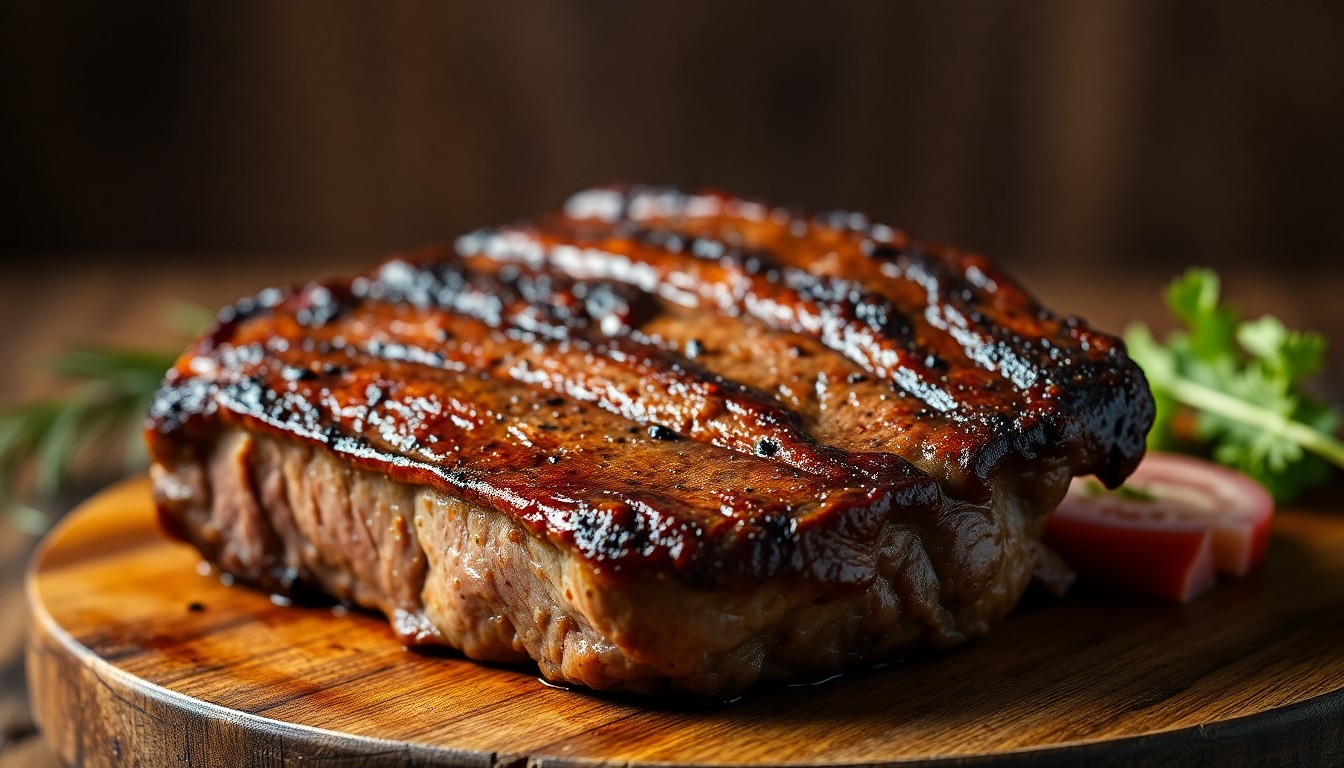
Pre-cooking steak is a great way to have quick protein ready to go. Grill or pan-sear your favorite cuts of steak to your desired doneness (rare or medium-rare is recommended for reheating). Slice or cut into bite-sized pieces and store in the refrigerator. To prevent overcooking during reheating, warm gently in a pan or microwave for a very short time.
Pan-Seared Salmon or Other Fatty Fish
While some carnivores stick strictly to red meat, others include fish for the added omega-3 fatty acids. Salmon is a particularly good choice. Pan-searing is a quick and easy cooking method. Season with salt and pepper, and cook skin-side down until crispy, then flip and cook until done.
Batch-Cooked Bacon
Bacon is a delicious and convenient addition to any carnivore meal. Bake a large batch in the oven until crispy, and store in the refrigerator for a quick and satisfying snack or meal component.
Hard-Boiled Eggs (If Included in Your Diet)
The inclusion of eggs is a personal choice on the carnivore diet. Some eat them frequently, others avoid them. If you do include eggs, hard-boiling a dozen at the beginning of the week provides a quick, easy, and nutritious protein source.
Time-Saving Strategies for Carnivore Meal Prep
Dedicate a Specific Day and Time
Consistency is key to successful meal prep. Schedule a specific day and time each week (or however often you choose to prep) and treat it like an important appointment. This helps ensure that you actually get it done.
Bulk Buying and Butchering (Optional)
If you have the freezer space and the inclination, buying meat in bulk (e.g., whole sides of beef or pork) can offer significant cost savings. Learning basic butchering skills can also give you more control over the cuts of meat you get.
One-Pot or One-Pan Cooking
Minimize cleanup time by utilizing one-pot or one-pan cooking methods whenever possible. Roasting a large piece of meat with (if you choose) root vegetables is a great example.
Utilizing Leftovers Creatively
Prevent meal boredom by finding ways to repurpose cooked meat. For example, leftover roasted chicken can be added to bone broth for a simple soup, or shredded and mixed with rendered fat for a quick and satisfying meal. Leftover steak can be sliced and added to eggs (if included) for breakfast.
Freezing Cooked Meals in Portions
Freeze individual portions of cooked meals for quick and easy access throughout the week. This is especially helpful for busy weeknights when you don’t have time to cook.
Pre-Cutting Meat Before Cooking
If you’re making something like steak bites or stew, pre-cutting the meat before cooking can speed up the overall process.
Using Simple Seasonings
The carnivore diet is inherently simple, and your seasonings should be too. Stick to salt, pepper, and perhaps a few other basic spices (if tolerated) to keep things efficient and avoid unnecessary ingredients.
Embracing Simplicity
Remember, the beauty of the carnivore diet lies in its simplicity. Don’t overcomplicate your meal prep. Focus on basic cooking methods and high-quality ingredients.
Example Carnivore Meal Prep Plan (1 Week)
Day-by-Day Breakdown
Here’s a sample meal plan showcasing how carnivore recipes can be incorporated into a week of meal prep:
- Sunday: Meal Prep Day!
- Roast a whole chicken.
- Brown 3 lbs of ground beef.
- Cook a large batch of bacon.
- Hard-boil a dozen eggs (optional).
- Monday:
- Breakfast: Bacon and eggs (optional).
- Lunch: Ground beef with rendered chicken fat.
- Dinner: Sliced roasted chicken.
- Tuesday:
- Breakfast: Bacon and eggs (optional).
- Lunch: Leftover sliced roasted chicken.
- Dinner: Ground beef with bone broth.
- Wednesday:
- Breakfast: Bacon.
- Lunch: Ground beef.
- Dinner: Pan-seared steak (cook fresh or pre-cook on Sunday).
- Thursday:
- Breakfast: Eggs (optional) and bacon.
- Lunch: Leftover steak.
- Dinner: Roasted chicken (use remaining leftovers).
- Friday:
- Breakfast: Bacon.
- Lunch: Ground beef.
- Dinner: Salmon (cook fresh).
- Saturday:
- Breakfast: Eggs and bacon(optional).
- Lunch: Leftover Salmon.
- Dinner: Steak (cook fresh).
Focusing on Variety (Within Meat Choices)
This plan rotates between chicken, ground beef, bacon, steak, and salmon (optional) to prevent boredom. You can easily adjust it to your preferences and the types of meat you enjoy most. This plan also uses the meal prep recipes previously outlined.
Troubleshooting and FAQs
What if I get bored with the same meals?
Even with rotating different meats, some people may experience taste fatigue. Try experimenting with different cuts of meat (e.g., chuck roast instead of ground beef, lamb instead of beef). You can also explore different cooking methods (e.g., grilling instead of pan-searing). If you tolerate them, very basic spices beyond salt and pepper can also add some variety.
How do I ensure I’m getting enough nutrients?
Meat, especially red meat and organ meats (if you choose to include them), is incredibly nutrient-dense. It provides a wide range of essential vitamins and minerals. If you’re concerned about specific nutrients, consider incorporating organ meats like liver, which are nutritional powerhouses. However, this should be done in moderation.
How long can I store cooked meat in the fridge/freezer?
Cooked meat generally lasts for 3-4 days in the refrigerator. In the freezer, cooked meat can last for 2-6 months, depending on the type of meat and how it’s stored (vacuum-sealed meat will last longer). Always use your best judgment and discard any meat that looks or smells off.
What if I don’t have time to meal prep every week?
If you can’t dedicate a large chunk of time each week, try shorter meal prep sessions. You could prep enough meals for 2-3 days at a time, or just focus on prepping one component, like browning a large batch of ground beef, that can be used in multiple meals. Any amount of meal prep is better than none!
Conclusion
The carnivore diet, with its emphasis on simplicity and nutrient-dense foods, lends itself perfectly to meal prepping. By dedicating a bit of time to preparing your meals in advance, you can reap the many benefits of this way of eating, including simplified grocery shopping, reduced decision fatigue, potential digestive improvements, consistent high protein intake and overall, a more streamlined and less stressful approach to food. Embrace the easy carnivore lifestyle with time-saving meals and enjoy the journey!