Welcome to Meat Only Living, your go-to resource for all things carnivore! If you’re looking for a way to simplify your diet, potentially boost your energy levels, and experience the benefits of a Meat-only lifestyle, you’ve come to the right place. This post will delve into zero-carb recipes and meal planning strategies specifically designed for sustained energy on the carnivore diet.
Understanding the Carnivore Diet and Energy Levels
What is the Carnivore Diet?
The carnivore diet, in its purest form, is a meat-only diet. It involves consuming exclusively animal products and eliminating all plant-based foods. This includes fruits, vegetables, grains, legumes, nuts, and seeds. It’s essentially a no-carb diet, or extremely low-carb, as some animal products might contain trace amounts of carbohydrates. The focus is on muscle meats, organ meats (if desired), and animal fats.
How Does the Carnivore Diet Affect Energy?
On a standard diet, your body primarily uses glucose (from carbohydrates) for fuel. The carnivore diet forces a metabolic shift. When you eliminate carbs, your body enters a state called ketosis. In ketosis, your liver begins breaking down fat into ketones, which become your primary energy source. This process is called fat adaptation.
Initially, you might experience an adaptation period, sometimes referred to as the keto flu. This can involve symptoms like fatigue, headaches, and irritability as your body adjusts to using fat for fuel. However, once you become fat-adapted, many people report experiencing sustained energy levels throughout the day, without the crashes associated with carbohydrate-heavy diets. Carnivore energy comes from the efficient burning of fat.
Benefits of a Zero-Carb Approach
Beyond sustained energy, a zero-carb approach like the carnivore diet has been anecdotally linked to several other potential benefits. Some individuals report experiencing weight loss, reduced inflammation, improved mental clarity, and better digestive health. It’s important to note that results vary significantly from person to person, and the carnivore diet is not suitable for everyone. This is not medical advice, and you should always consult with a healthcare professional before making significant dietary changes.
Crafting Your Zero-Carb Carnivore Meal Plan
Core Principles of Carnivore Meal Planning
Successful carnivore meal planning revolves around a few key principles:
- Focus on Fatty Cuts of Meat: Fat is your primary fuel source on the carnivore diet, so prioritize fatty cuts like ribeye steak, ground beef with a higher fat percentage, and salmon. This will ensure sustained energy.
- Organ Meats (Optional but Recommended): Organ meats, such as liver, heart, and kidney, are incredibly nutrient-dense and can provide vitamins and minerals that might be less abundant in muscle meats.
- Hydration: Drink plenty of water throughout the day. Electrolyte balance is also crucial, as we’ll discuss later.
- Listen to Your Body: Eat when you’re hungry and stop when you’re full. The carnivore diet often leads to increased satiety, so you may find yourself eating less frequently.
Building Your Weekly Carnivore Meal Plan
Here’s a sample 7-day carnivore meal plan to get you started. Remember, this is just an example, and you can adjust it based on your preferences and budget.
- Day 1:
- Breakfast: Ribeye steak
- Lunch: Ground beef patties
- Dinner: Salmon fillet
- Day 2:
- Breakfast: Eggs (if tolerated) cooked in butter
- Lunch: Pork chops
- Dinner: Lamb roast
- Day 3:
- Breakfast: Ground beef and liver mixture (optional)
- Lunch: Chicken thighs
- Dinner: Sardines (canned in water or olive oil, drained)
- Day 4:
- Breakfast: Ribeye steak
- Lunch: Leftover lamb roast
- Dinner: Tuna steaks
- Day 5:
- Breakfast: Ground beef patties
- Lunch: Pork belly
- Dinner: Shrimp
- Day 6:
- Breakfast: Beef Sirloin
- Lunch: Leftover Shrimp
- Dinner: Chicken Drumsticks
- Day 7:
- Breakfast: Bacon (ensure no added sugar) and Eggs
- Lunch: Ground Lamb
- Dinner: Cod Fillets
Variety: Rotate different types of meat (beef, lamb, pork, poultry, fish, seafood) to ensure a broader range of nutrients and prevent boredom.
Flexibility: This is a template. Adjust portion sizes and meal frequency based on your hunger and activity levels. If you don’t like a particular meat, swap it out for something you enjoy.
Considerations for Long-Term Success
- Budget: A meat heavy diet can be expensive. Consider buying in bulk, choosing cheaper cuts of meat, and utilizing a slow cooker to make tougher cuts more tender.
- Sourcing: Aim for high-quality, grass-fed and pasture-raised meat whenever possible, as it tends to be more nutrient-dense.
- Social Situations: Eating out can be challenging. Look for restaurants that offer simple grilled meat options and be prepared to explain your dietary needs.
- Monitoring: Pay attention to how your body feels and adjust your meal plan accordingly. Some people thrive on a very strict carnivore diet, while others may benefit from incorporating small amounts of certain animal products like eggs or dairy.
Delicious Zero-Carb Carnivore Recipes
Simple and Quick Carnivore Recipes
The beauty of the carnivore diet lies in its simplicity. Many zero-carb meals require minimal preparation.
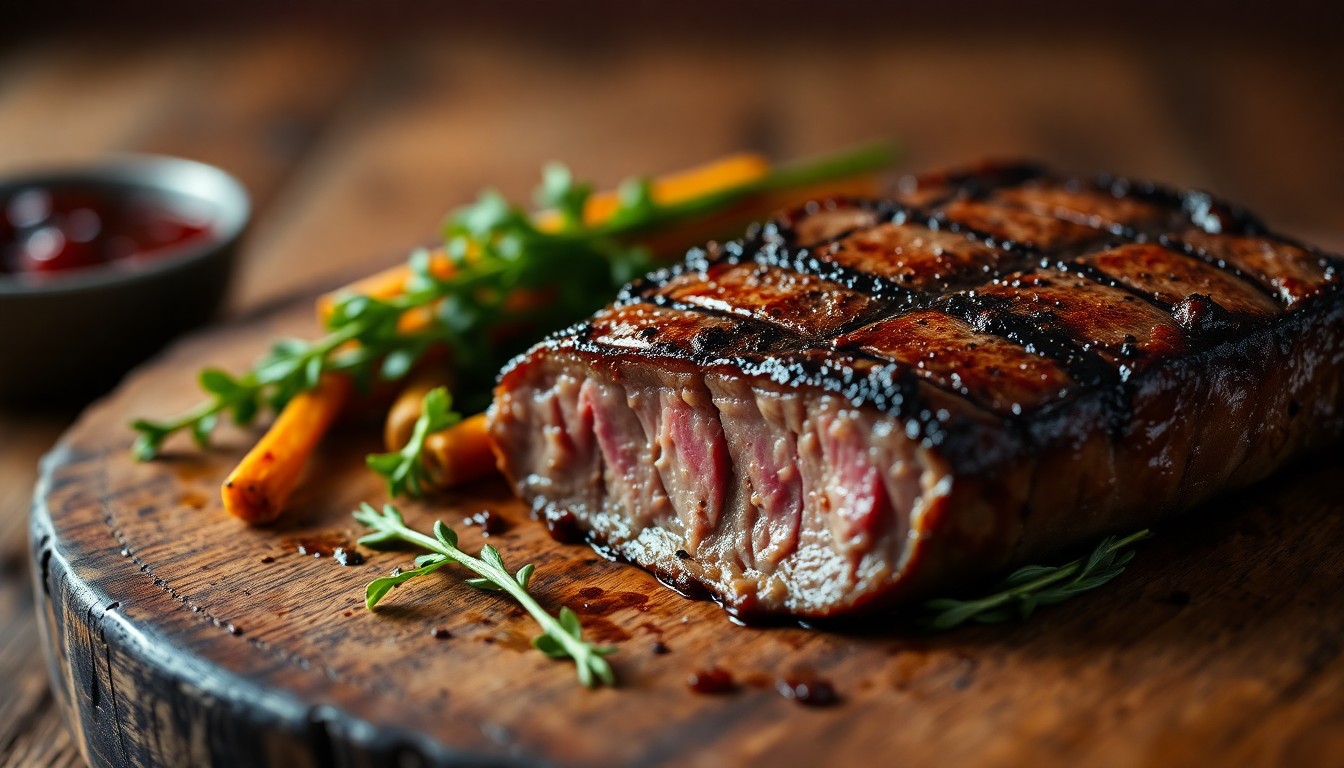
- Basic Steak Preparation:
- Pan-searing: Heat a cast-iron skillet over high heat, add tallow or lard, and sear the steak for a few minutes per side.
- Grilling: Preheat your grill to high heat and grill the steak to your desired doneness.
- Oven-roasting: Preheat your oven to a high temperature (e.g., 400°F/200°C), sear the steak in a pan, and then transfer it to the oven to finish cooking.
- Ground Beef Creations:
- Simple patties: Form ground beef into patties and cook in a pan or on the grill.
- Meatza crusts: Use seasoned ground beef as a crust for a pizza (without the traditional toppings, of course).
- Meatloaf (without breadcrumbs): Mix ground beef with salt and rendered fat, shape into a loaf, and bake.
- Quick Salmon/Fish Dishes:
- Pan-fried: Cook salmon fillets in a pan with butter or tallow.
- Baked: Bake salmon fillets in the oven with salt and a little rendered fat.
These are just a few examples. The key is to keep it simple and focus on the natural flavors of the meat. These are all examples of delicious carnivore diet recipes.
More Advanced Carnivore Diet Recipes (Optional)
- Slow Cooker Meals: Beef roasts and pulled pork are excellent options for slow cooking. They become incredibly tender and flavorful.
- Bone Broth: Simmer bones (beef, chicken, etc.) in water for an extended period (12-48 hours) to create a nutrient-rich broth. Bone broth is beneficial for gut health and provides valuable minerals.
- Homemade Condiments: Rendered fat (tallow or lard) can be used for cooking and adding flavor. Bone marrow butter (roasted bone marrow mixed with salt) is another delicious option.
- Offal Preparation (if included): Liver pâté can be made by blending cooked liver with rendered fat and salt. Heart stew is another way to incorporate organ meats.
Focus on Flavor and Seasoning
- Salt: Salt is essential for electrolyte balance and enhancing the flavor of the meat. Use high-quality sea salt or Himalayan salt.
- Other Allowed Seasonings (Minimal): Black pepper is generally accepted. Some strict carnivores avoid all spices, while others may use small amounts of garlic powder or onion powder (this is controversial).
- Emphasizing Natural Flavors: The carnivore diet is about appreciating the natural taste of meat. Don’t be afraid to let the meat’s flavor shine through.
The focus of carnivore diet recipes is on simplicity.
Optimizing Energy on the Carnivore Diet
Electrolyte Balance for Carnivore Energy
Maintaining proper electrolyte balance is crucial for carnivore energy, especially during the adaptation phase. When you eliminate carbohydrates, your body flushes out water and electrolytes, particularly sodium, potassium, and magnesium.
- Importance of Sodium, Potassium, and Magnesium: These electrolytes play vital roles in nerve function, muscle contraction, and hydration.
- Signs of Electrolyte Imbalance: Fatigue, headaches, muscle cramps, and irregular heartbeat can indicate an imbalance.
- Strategies for Maintaining Balance:
- Increase salt intake (to taste).
- Consume bone broth regularly.
- Consider electrolyte supplementation (consult with a healthcare professional – this is general information, not medical advice).
Fat Adaptation and Sustained Energy
Reiterating, sufficient fat intake is paramount for sustained energy on the carnivore diet. Your body needs time to become efficient at burning fat for fuel.
- Troubleshooting Low Energy: If you’re experiencing low energy, consider these potential reasons:
- Not enough fat intake.
- Electrolyte imbalance.
- Still in the adaptation phase.
- Underlying health conditions (consult a doctor).
- Tips for Increasing Fat Intake:
- Choose fattier cuts of meat.
- Add butter, tallow, or lard to your meals.
- Eat the skin on poultry.
- Consider adding bone marrow to your diet.
Exercise and the Carnivore Diet
Exercise can be incorporated into a carnivore lifestyle, but it’s important to listen to your body.
- Adjusting Activity Levels: During the adaptation phase, you may need to reduce the intensity of your workouts.
- Suitable Exercise Types: Many people find that strength training and low-intensity cardio (walking, cycling) are well-suited to the carnivore diet.
- Listen to Your Body: Avoid overexertion, especially when you’re first starting.
Addressing Common Concerns and Myths
It’s natural to have questions about the carnivore diet. Concerns about cholesterol, fiber, and nutrient deficiencies are often raised. The carnivore diet is relatively new in terms of scientific research, so long-term data is limited. However, many anecdotal reports and some preliminary studies suggest potential benefits. It’s crucial to do your research and consult a healthcare professional.
One common myth is that the carnivore diet is inherently unhealthy due to the lack of fiber. While fiber is beneficial for some, it’s not essential for everyone. Many people on the carnivore diet report improved digestive health, potentially due to the elimination of irritating plant compounds.
Another concern is cholesterol. The relationship between dietary cholesterol and blood cholesterol is complex and not fully understood. Many factors influence cholesterol levels, and the carnivore diet’s impact can vary significantly from person to person.
Regarding nutrient deficiencies, it’s important to consume a variety of animal products, including organ meats (if possible), to ensure adequate intake of essential vitamins and minerals.
For further scientific information, please use reliable sources.
Carnivore Diet Shopping List & Essential Tools
Core Carnivore Shopping List
- Beef: Ground beef (various fat percentages), ribeye steaks, sirloin steaks, chuck roasts, brisket.
- Lamb: Chops, roasts, ground lamb.
- Pork: Pork chops, pork belly, bacon (sugar-free), pork shoulder.
- Poultry: Chicken thighs, chicken drumsticks, whole chickens, turkey.
- Fish: Salmon, tuna, sardines, mackerel, cod.
- Seafood: Shrimp, scallops, oysters, mussels.
- Organ Meats (Optional): Liver, heart, kidney, tongue, brain.
- Eggs: (If tolerated).
- Allowed Fats: Tallow, lard, butter, ghee.
- Salt: Sea salt, Himalayan salt.
- Other Seasoning: Black Pepper.
Helpful Kitchen Tools
- Meat Thermometer: To ensure meat is cooked to the desired doneness.
- Good Quality Knives: For easy meat preparation.
- Cast Iron Skillet: Or other heavy-duty pans for searing and cooking.
- Slow Cooker (Optional): For tenderizing tougher cuts of meat.
- Storage Containers: For meal prepping and storing leftovers.
- Instant-read thermometer.
Frequently Asked Questions
Is the carnivore diet safe?
The long-term safety of the carnivore diet is still being researched. Many people report positive experiences, but it’s not suitable for everyone. Consult with a healthcare professional before making significant dietary changes.
Will I experience nutrient deficiencies on the carnivore diet?
By consuming a variety of animal products, including organ meats (if possible), you can obtain a wide range of nutrients. However, individual needs vary, and supplementation may be necessary in some cases. Monitoring and blood tests with a healthcare professional can help.
Can I eat dairy on the carnivore diet?
Some people tolerate dairy (like full-fat cheese and heavy cream) on the carnivore diet, while others find it causes digestive issues or stalls weight loss. It’s best to experiment and see how your body reacts.
How much should I eat on the carnivore diet?
Listen to your body’s hunger cues. Eat when you’re hungry and stop when you’re full. There’s no need to count calories or restrict portions strictly.
How do I deal with cravings for non-carnivore foods?
Cravings often subside as you become fat-adapted. Ensure you’re eating enough fat and maintaining electrolyte balance. Distraction techniques and focusing on the benefits of the diet can also help.
Conclusion
The carnivore diet offers a unique approach to eating, focusing on simplicity, nutrient density, and the potential for sustained energy. By prioritizing fatty cuts of meat, staying hydrated, and listening to your body, you can create a carnivore meal plan that supports your goals. Remember that individual results vary, and it’s essential to consult with a healthcare professional before making significant dietary changes. The elimination of carbohydrates and the reliance on animal products for fuel can lead to a metabolic shift that many find beneficial for weight management, mental clarity, and overall well-being. This meat-only diet, while seemingly restrictive, can provide a surprisingly satisfying and sustainable way of eating for some individuals. Zero-carb meals do not have to be bland or boring! These carnivore diet recipes are delicious and offer a new way to experience food.